A small fitting with a large practical role
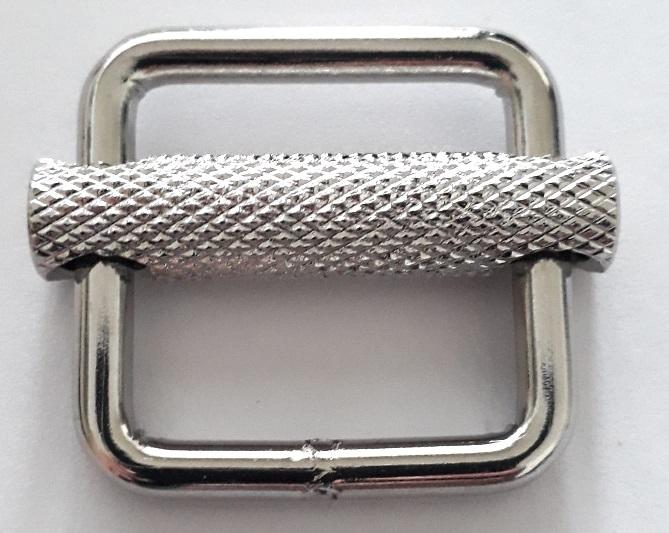
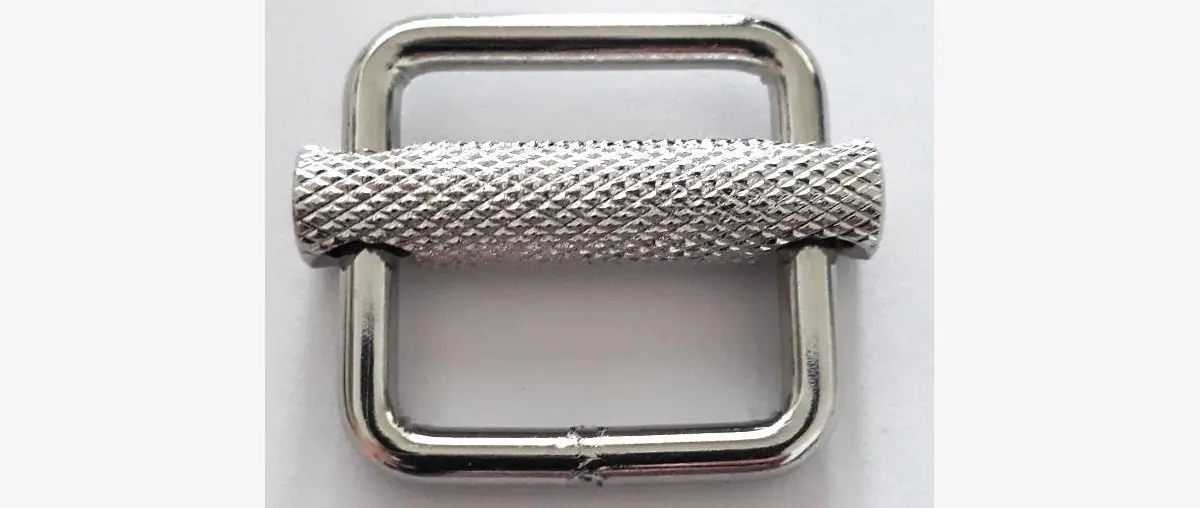
Yatek Marin has detailed a range of stainless-steel strap buckles intended for fitting and securing covers and awnings on yachts. The Turkish marine-equipment supplier lists 25-, 40- and 50-millimetre versions made from grade 316 stainless steel in its official METSTRADE 2026 catalogue, with the product entry dated 21 September 2026. These modest pieces of hardware may not appear as significant as a new navigation system or propulsion drive, but they can determine whether a carefully made cover remains properly secured through wind, repeated handling and changing weather. On a 12-to-23.99-metre luxury yacht, canvas work protects upholstery, cockpit furniture, instruments and equipment whose cost may be considerable. A failed fastening can damage both the cover and the items beneath it. The manufacturer has not published a universal working-load rating in the short product description, so the editorial issue is one of correct application, specification and ongoing care rather than an unsupported claim of exceptional strength.
The listed sizes and material
The manufacturer's original catalogue identifies strap-buckle widths of 25, 40 and 50 millimetres and states that the fittings use 316 stainless steel. These measurements relate to the width of the strapping system with which the fittings are meant to be used, but buyers should seek dimensional drawings rather than assume all webbing of a nominal width will fit equally well. Thickness, weave and stiffness may affect how a strap passes through the buckle and whether it holds securely under tension. Grade 316 is widely selected for marine applications because of its corrosion resistance, but it is not completely immune to staining, crevice corrosion or inappropriate combinations of metals. Designers and purchasing departments should confirm the manufacturer's specific finish, construction, tolerances and intended orientation. The product may be appropriate for fastening an awning or protective cover; no available information establishes it as an approved safety-critical lifting or personal-support fitting.
Covers protect more than the fabric beneath them
The real purpose of a cover is to limit exposure of valuable equipment and surfaces to weather, airborne dirt and ultraviolet light. On a luxury yacht, this may include exterior lounges, helm consoles, tables, delicate decorative finishes and tender equipment. Covers frequently remain in service while the yacht is moored for weeks, sometimes under substantial wind pressure. Their performance depends on more than the choice of waterproof cloth. A poorly positioned strap can allow water to collect, create excessive tension at a seam or transfer abrasion onto the protected surface. Good cover design balances a secure perimeter with drainage, ventilation and access for routine inspections. The fastening must be easy enough for a crew member to operate correctly, since a system that is awkward to use is more likely to be left loose or installed incorrectly. A 316 stainless buckle is one element of that coordinated design.
Strap width must match the job
The existence of three nominal widths gives canvas makers some flexibility, but size is not simply a matter of choosing the largest option. A broad strap may spread force across a larger area of fabric when attached to an appropriately reinforced patch; it may also be visually intrusive or harder to route around furniture. A narrower strap may suit a small cover or a constrained fastening point but may concentrate tension if the installation is poorly designed. The correct choice depends on the expected loads, frequency of handling, the shape of the canvas and the capacity of every adjoining component. The seam, webbing, mounting plate and deck attachment all form one load path. The available product description does not quantify that path, so a boatbuilder should obtain testing information and confirm the connection details rather than infer capability from dimensions alone.
The limits of stainless-steel corrosion resistance
Marine stainless steel earns its reputation from the protective film formed on its surface, but salt deposits, trapped moisture and oxygen-starved crevices can still create problems. Small fittings are especially easy to overlook during normal washing. Straps may cover parts of a buckle, trapping damp debris against the metal. Rough edges or corrosion spots can then begin to damage adjacent fabric. Grade 316 is a sensible material choice for marine applications, yet it still requires the right design and maintenance. Owners should avoid assuming that a metal part will remain attractive indefinitely without attention merely because it carries a stainless-steel description. The practical check is to inspect both visible and concealed surfaces, remove salt where the manufacturer's instructions permit and replace compromised hardware before it damages a cover or releases under load. Fasteners should also be assessed for galvanic compatibility with the materials used at the mounting point.
Canvas, webbing and a complete fastening assembly
Yatek's wider METSTRADE exhibitor catalogue also describes polyester webbing in the same nominal widths, with stated ultraviolet-resistant characteristics and colours intended to coordinate with marine awnings. This is useful context, but a buyer must verify that a specific buckle and a particular webbing product are intended as a compatible pair. A finished assembly also involves stitching, reinforcement, anchors and sometimes adjustable tensioning. The best buckle cannot compensate for degraded webbing, and even a well-made strap can lose effectiveness when the fabric panel stretches or an attachment point pulls away. The person preparing a refit specification should treat the fastening assembly as a system and record component references together. That makes it easier to order a matching replacement later. On a charter yacht or one operated by changing crew, consistent hardware also reduces the possibility of incompatible parts being substituted during a hurried repair.
Installation details determine service life
Placement is often more important than the appearance of the buckle. A fastener should be reachable without forcing a crew member to lean into an unsafe position or stand on a vulnerable fitting. It should not obstruct drainage, chafe against a painted surface or introduce a hard edge near upholstery. Designers can reduce strain on a cover by ensuring that loads are carried through reinforced areas and that the strapping pulls in a sensible direction. An adjustable fitting should retain its setting through normal handling while remaining possible to release deliberately. Before approving a large batch, a canvas maker can install a sample and test the operation with the actual webbing and cover material. A simple dockside trial may reveal that the strap twists, rubs against a seam or becomes difficult to tighten when the cover is wet. These are problems better addressed in the workshop than after the yacht has departed.
Why handling speed matters to the crew
Covers and awnings are often deployed several times in a cruising week. The crew may need to protect furniture during a forecast shower, uncover seating before guests arrive or secure a shade system as the wind changes. Hardware that is easy to see, adjust and operate can make these routines faster and more consistent. Complexity can be the enemy of reliability: if one person needs extensive instructions to understand a collection of differently arranged straps, the installation has probably not been designed with operation in mind. A yacht's canvas schedule should identify the order of fastening and removal, the correct tension and where components are stowed when not in use. The buckles themselves must be capable of repeated handling without cutting the webbing or snagging clothing. That is a practical standard to assess when trialling Yatek's product, not something the short catalogue entry independently proves.
Inspection after bad weather and before passages
Even a cover that has apparently survived strong wind should be examined for damage at its connection points. A flapping corner may stress a buckle, tear stitching or abrade an attachment without making an obvious hole in the main panel. Crew checks can cover the condition of the webbing, visible corrosion, looseness of mounts and whether the fastening still operates smoothly. The yacht's procedures should also define which covers must be removed or secured differently before leaving harbour. A strap buckle intended for awning or cover installation should never be assumed to provide a certified means of securing cargo, personal equipment or anything exposed to a different class of load. Owners benefit from a documented inspection routine because small defects are relatively easy to correct before they cause expensive secondary damage. For yachts without permanent crew, the routine should be straightforward enough for the owner to repeat.
A retrofit needs a little more than replacement metal
When replacing a corroded or broken fastening, the tempting response is to buy a buckle of approximately the same width. A more reliable approach is to discover why the original arrangement failed. Was the component unsuitable for the saltwater environment, or was the strap pulling at an angle that overloaded the joint? Was the webbing itself weakened by ultraviolet exposure? Did the protective cover lack sufficient reinforcement at the point of attachment? Replacing one part without addressing the underlying cause may simply repeat the problem. The canvas maker should verify existing hole positions, the condition of any mounting substrate and the strength of the surrounding fabric before installing new fittings. If the replacement has a different geometry, the strap length and reinforcement may also require adjustment. This is one reason drawings and exact part numbers matter even for comparatively inexpensive pieces of equipment.
Where this product fits in a luxury-yacht budget
Buckle costs are usually small relative to the price of custom yacht upholstery or a purpose-made exterior cover. The more relevant financial consideration is the total installation and maintenance bill. Poor hardware can shorten the life of expensive fabric through chafing, lead to unplanned repairs and expose finished furniture to water or sunlight. Conversely, an unnecessarily elaborate fastening specification may add cost and complicate routine operation without improving the result. A sensible procurement decision compares the metal fitting, compatible webbing, labour, anticipated service conditions and availability of replacements as one package. The manufacturer has not provided a price in the official product entry; any project cost must therefore be obtained from an authorised supplier and assessed with the fabricator's quotation. Claims about savings should be based on a specific design, not inferred from the use of 316 stainless steel.
A useful specification point from METSTRADE 2026
Yatek's announcement illustrates a quieter part of yacht product development: specialist components that allow existing design and maintenance practices to be performed more consistently. The known details are limited but meaningful. The catalogue lists grade 316 stainless steel, three strap widths and an intended role in securing boat covers and awnings. It does not establish a measured load capacity, certification for safety-critical use or universal compatibility with all marine canvas products. Those limits should be recorded by anyone considering the hardware for a new build or refit. The most productive next step is to request the maker's technical drawing, material specification and installation guidance, then check a real sample with the chosen webbing and canvas. On the finished luxury yacht, the achievement is not an impressive-looking buckle; it is a cover that fits, stays secured when appropriate, protects what matters and can be operated safely by the people who use it.
Sources and image credits
Reporting based on Yatek Marin first-party 316 stainless strap buckle entry, METSTRADE 2026.
Lead photograph: Yatek's 316 Stainless Strap Buckles Address Yacht Cover and Awning Reliability — manufacturer source photograph. © Yatek Marin Original official image source.