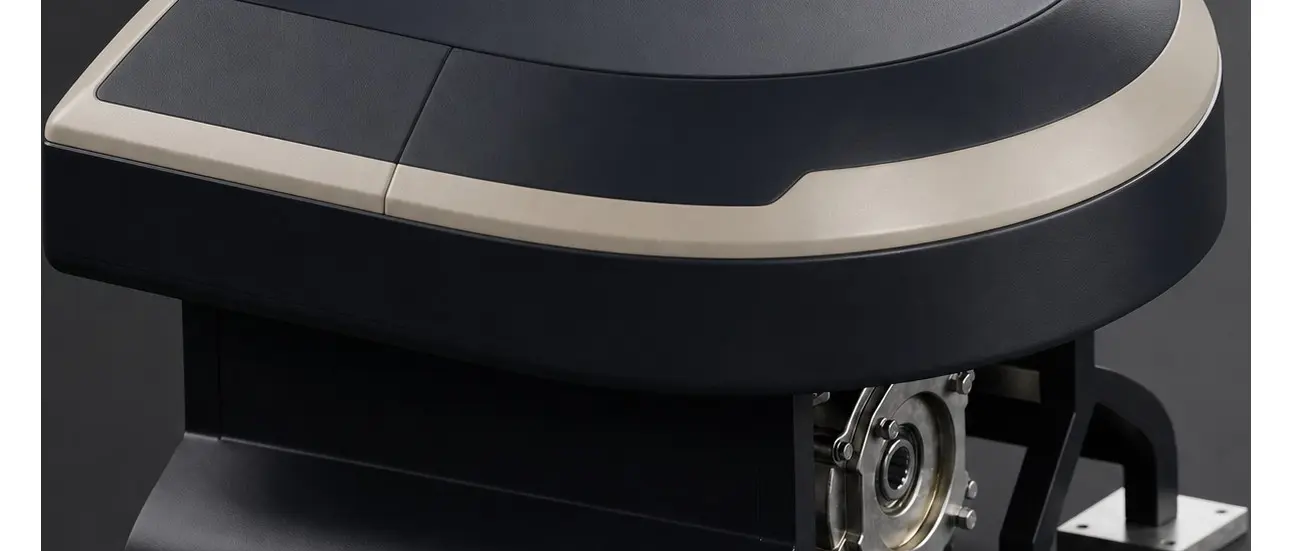
An inboard alternative in the Amsterdam propulsion programme
French electric propulsion specialist Weenav has outlined its ARION inboard motor range as part of its participation in METSTRADE 2026. The company's 12 November exhibitor announcement describes six continuous output ratings from 50 to 400 horsepower, together with arrangements for supporting new vessel construction and existing-boat repowering. Weenav is meeting shipyards, dealers and installers at stand 05.502 during the 17 to 19 November exhibition in Amsterdam.
The company is also presenting its outboard developments at the event. The ARION, however, is the distinct inboard proposition, intended to serve boats with different machinery arrangements. Weenav's detailed announcement expressly states that the ARION unit itself is not being physically exhibited in Amsterdam; instead, its representatives are available to discuss the range. That distinction is worth making when considering the status of the programme.
For owners and designers working with luxury sailing and motor yachts from 12 to 23.99 metres, the inboard architecture is potentially relevant because propulsion choices can affect machinery space, accommodation arrangements and the economics of refit. Not every yacht in that length bracket will suit an electric or hybrid system, and the model appropriate to an individual hull cannot be determined from length alone.
Six continuous ratings and a shaft-output arrangement
In its November communication, Weenav describes the ARION range as spanning continuous mechanical outputs of 50, 100, 150, 200, 300 and 400 horsepower. The company gives an overall motor weight range of 140 to 340 kilograms for the family. Its published product listing also refers to liquid cooling and availability for fully electric or series-hybrid applications.
Continuous output is a particularly relevant specification for a propulsion system because an intermittent peak rating does not necessarily describe the power that can be sustained throughout a passage. However, the quoted ratings should still be interpreted in the context of the manufacturer's technical data, including the conditions that apply to the equipment and the electrical supply needed to obtain the stated output.
The manufacturer describes a shaft output intended for integration with different transmissions. This may offer an interesting alternative for builders designing around conventional inboard arrangements, but the claim of adaptability should not be treated as confirmation that every existing gearbox, coupling or shaft is compatible. Required torque, rotational speed and the mechanical arrangement of the yacht remain part of the engineering assessment.
The figures published for the ARION motors also do not establish the mass of a complete electric or hybrid propulsion installation. The energy storage or generating equipment, electrical distribution, cooling equipment and associated structural requirements must be considered together. The relevance of the motor itself is therefore inseparable from the design of the complete vessel system.
Why the operating profile matters before the motor is selected
Two yachts of similar length can have very different propulsion requirements. A displacement motor yacht intended to undertake relatively modest speeds may spend most of its operating hours at a different power demand from a fast planing vessel. A sailing yacht may depend on its auxiliary propulsion for harbour manoeuvring, calms and passage situations in which sailing is not practical. The pattern of use can change substantially between these applications.
The most useful starting point for any alternative propulsion evaluation is an account of how the yacht is expected to operate. An owner who normally returns to a berth at the end of a short coastal outing may encounter a different set of requirements from one planning multiday voyages away from charging facilities. The important question is not merely the maximum power of the motor, but the energy required to support the expected operation and the infrastructure available to replace that energy.
Weenav presents the ARION as a possible solution for both new boats and repowering projects. That does not make a conversion automatically practical. A yacht's existing propulsion arrangement was selected for a combination of hull characteristics, expected performance and machinery layout. A credible repowering proposal should establish how the alternative architecture would meet the intended performance and operational requirements before the existing equipment is removed.
The November announcement does not provide range figures for a specified yacht using any of the ARION models. An endurance claim would require assumptions concerning the vessel, speed, power consumption, environmental conditions and the capacity of its energy supply.
Battery modules and the complete installation
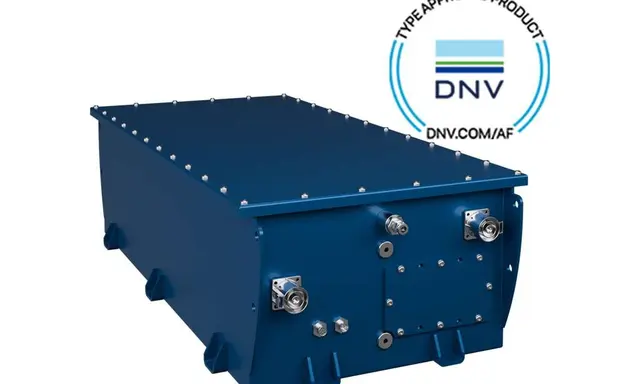
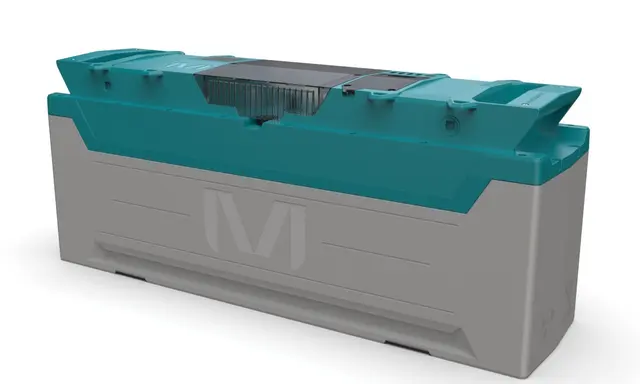
The supplier's broader November exhibition announcement describes an energy storage approach using individual battery modules rated at 5.43 kilowatt-hours each. Weenav gives module mass and volume figures of 49.5 kilograms and 35 litres. These are manufacturer specifications for a module, rather than data for a complete battery installation aboard a particular yacht.
The number of modules required would depend on the power and energy demand of the propulsion and other systems included in the architecture. A complete installation also has to accommodate the physical protection and support of the equipment, its management arrangements and the other electrical and mechanical components necessary for operation. A calculation based only on the advertised capacity and mass of a module would not establish the suitability of the finished installation.
The same distinction applies to a series-hybrid system. In that architecture, an onboard generating source can supply electrical energy to the propulsion system, subject to the design of the installation. It introduces its own space, weight, service and operational considerations. Whether it is a useful alternative to a fully electric or conventional propulsion arrangement depends on the vessel and the intended use.
Owners evaluating a major conversion should seek a yacht-specific engineering assessment, including appropriate electrical and fire safety evaluation and the requirements of the relevant authorities and insurers. The exhibitor's product description is not an installation guide and does not establish the safety of an individual configuration.
A supplier network matters to an owner who travels
Weenav's announcement devotes attention to the businesses that sell, install and maintain its equipment. The company says it supports approved installers through training, assistance during the first installation and technical project documentation. The development of such a network is commercially relevant to the luxury yacht sector because a vessel may travel beyond the area in which it was originally built or refitted.
The motor is only one element of the service relationship. An owner needs to understand which businesses can diagnose a problem, supply replacement equipment, interpret manufacturer information and undertake work on the installed system. The availability of support may differ between a new yacht delivered through an established builder and an older vessel undergoing a specialist conversion.
Weenav also identifies a first recommended service interval of 10,000 hours for the ARION motor. That statement concerns the manufacturer's motor service proposition; it should not be read as an interval during which a complete yacht requires no maintenance or inspection. Other machinery and electrical components have their own requirements, and the applicable warranty and service arrangements should be confirmed for the actual installation.
The company is using the Amsterdam meeting to discuss relationships with dealers and installers. Its announcement does not establish that a new support facility has opened in a particular cruising destination or that every owner will have the same access to technical assistance. Prospective buyers should establish the arrangements available in their intended area of operation.
The appropriate next step for luxury yacht repowering
The ARION programme illustrates the expansion of alternative inboard propulsion options available for consideration by boatbuilders and yacht owners. The ability to discuss several power levels and fully electric or hybrid configurations may help a project team narrow the scope of its investigations. It does not remove the need to establish whether the proposed system can meet the requirements of the actual vessel.
A yacht owner with a planned winter refit may find that the question of propulsion is inseparable from other work on the boat. An engineering proposal might affect the use of machinery spaces, access for service, electrical arrangements and the vessel's weight distribution. Even a project that retains aspects of the existing shaft system would require an assessment of the complete configuration.
The November statement provides a basis for these conversations, but it does not announce a new ARION installation in a named luxury yacht, disclose an installed system price or confirm performance in a particular hull. The appropriate distinction is between the range of machinery being offered and the results of a commissioned repowering project.
For the luxury yacht market, Weenav's participation in METSTRADE is therefore notable for the opportunity to examine the inboard range in detail with the supplier. The practical value of the technology will depend on whether the engineering, energy storage, service infrastructure and operational requirements can be reconciled within the specific yacht project. Those are the considerations that will determine whether a particular proposal is genuinely useful rather than simply novel.
Sources and lead image
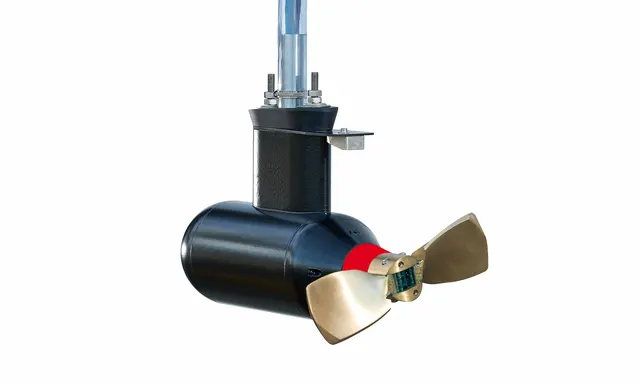
Source documentation: https://www.metstrade.com/exhibitors/weenav-sas/news/metstrade-2026-weenav-presents-the-kronos-light-the-kronos-and-the-arion-in-amsterdam, https://www.metstrade.com/exhibitors/weenav-sas/products/arion. Lead image: Official Weenav ARION electric inboard product illustration — Weenav, official exhibitor catalogue image of the ARION inboard equipment; not a photograph of a completed yacht installation or the Amsterdam display.. Issuer-supplied media asset published with the relevant official exhibitor release or product catalogue made available through the official virtual press room for coverage of the announcement; copyright remains with the rights holder.