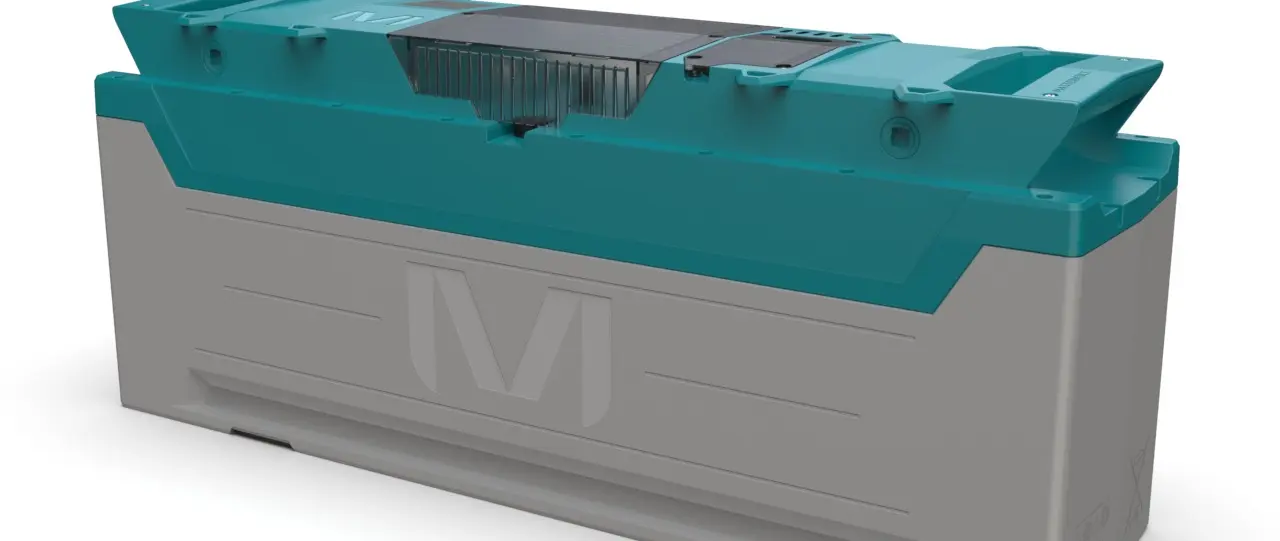
Two additions to a developing onboard power architecture
Mastervolt has introduced a lithium battery and a 230-volt inverter-charger at METSTRADE 2026, alongside a renewed brand identity. Its parent company, Brunswick Corporation, confirmed the launch on 17 November as the exhibition opened in Amsterdam. The new equipment comprises the MLI Max 48/5400 battery and the CombiMaster 48/5000-70, both intended for electrical systems based around a nominal 48-volt direct-current supply. Mastervolt is marking its thirty-fifth anniversary.
The two devices occupy complementary positions in an electrical system. The battery provides energy storage, while the inverter-charger converts electrical energy between forms needed by the installation. The products are particularly relevant to yachts in the 12 to 23.99 metre segment, where owners may want to make more extensive use of electricity for domestic services without redesigning the vessel around a completely new propulsion arrangement.
The company has not announced a completed yacht using the combination. Its release concerns equipment availability and the direction of its product development, not a measured increase in endurance or reduction in fuel consumption aboard a named vessel. Those outcomes would require detailed information about the rest of the installation and the way the yacht is operated.
Why the nominal system voltage matters
In a conventional yacht, the direct-current equipment used for lighting, pumps and other services may operate at a different voltage from the domestic alternating-current supply. Some vessels also contain separate electrical arrangements for engine starting and other functions. The architecture may have been developed over the years as equipment was replaced or additional services were introduced.
Choosing a different nominal voltage for a new battery bank can have implications extending beyond the bank itself. For a given electrical power, a higher voltage permits a lower current under otherwise comparable conditions. This relationship may influence the conductor and equipment requirements of a proposed system, but it does not establish that a higher-voltage arrangement is automatically the most suitable choice for a particular yacht.
A refit specialist must consider which existing equipment can operate within the new arrangement and which functions would need suitable conversion or an independent supply. The operational characteristics of the existing machinery, available installation space and requirements of the relevant equipment all matter.
The project should also consider the consequences of a failure at different points in the architecture. A system based on shared energy storage can make efficient use of that resource, but it may introduce dependencies that do not exist in the same form when individual services have separate supplies. These are design questions to be addressed before an owner commits to a replacement bank. The mere presence of a 48-volt product in a manufacturer's range is not sufficient evidence that an existing yacht should be converted to that voltage.
Battery integration and the difference between capacity and usable energy
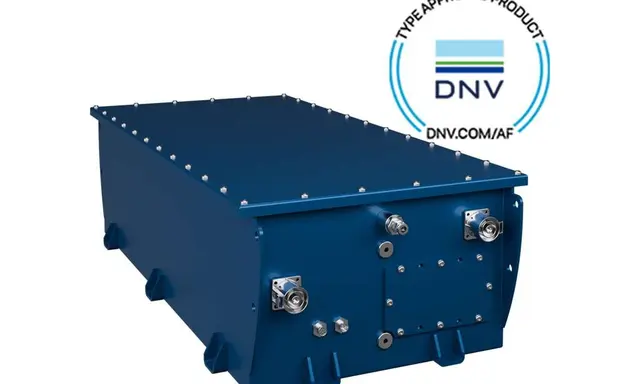
Brunswick describes the new battery as incorporating internal switching, current-limiting protection during connection and a second means of disconnection. The launch announcement also specifies a design depth of discharge above 90 per cent. Mastervolt's exhibitor documentation identifies an IP67 enclosure and internal battery management, including monitoring of individual cells. These statements describe supplier specifications, not an independently conducted assessment of the complete yacht system.
The distinction between nominal storage capacity and the energy available for operation is particularly important. A battery may have a nominal capacity established under specified conditions, while its permitted operating range depends on the design, management settings and environment. A designer also needs to account for energy used by the various conversion processes and other equipment.
A useful assessment of a yacht's energy requirements begins with its expected loads over time. A refrigerator operates differently from a cooking appliance, for example. Some equipment may be used for long periods at a modest demand, while other devices draw more power for a relatively short period. The sum of those requirements over the intended time away from a charging source determines the significance of the bank's usable storage.
A yacht owner should therefore distinguish the maximum load a battery system can support from the duration for which it can support that load. A claim about usable capacity does not settle questions about peak current, charging time or the behaviour of the system in all environmental conditions. The relevant engineering documentation must be examined for the proposed bank and the other connected equipment.
The inverter-charger and the question of simultaneous demand
The new CombiMaster model gives the supplier another 230-volt conversion option. Brunswick reports that it maintains its rated continuous output in ambient temperatures up to 40 degrees Celsius. The company also identifies a function that supplements an inadequate external alternating-current supply using stored battery energy, and support for parallel and three-phase arrangements.
These features address issues which can become apparent when a yacht's electrical requirements change during the day. At a marina, the capacity available from shore may be less than the combined demand of several domestic appliances. A generator may also have a limited capacity relative to a short period of increased demand. A correctly specified system may be able to manage the difference without requiring the external source to meet every transient need on its own.
The practicality of such an arrangement depends on the complete installation. The energy used to supplement an external supply must subsequently be restored to the battery if the same amount of stored energy is needed for a later period. A power-management function cannot create additional energy, and its use must be understood within the yacht's overall operating profile.
The thermal specification also has to be considered in context. The ambient temperature in an equipment compartment can differ from the temperature measured elsewhere in the yacht. The installation must provide the environmental conditions and access required by the manufacturer. A claimed temperature limit for one device is not a temperature specification for the entire electrical system. The same applies to the other components with which the new inverter-charger is intended to operate.
Communications and the responsibilities of the integrator
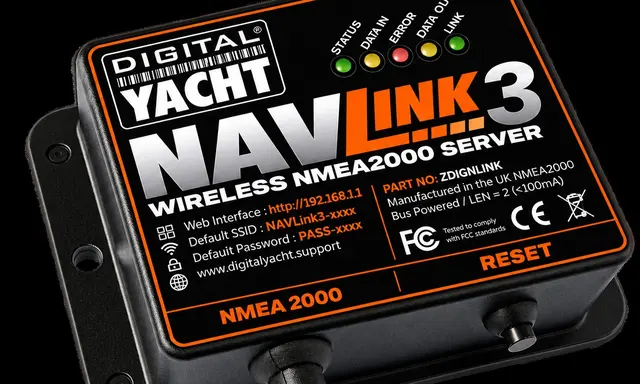
The two new products are described as supporting native integration with MasterBus, CZone and NMEA 2000. Such communications capabilities can assist the presentation and exchange of information within a compatible electrical architecture. However, the presence of more than one supported communications system should not be interpreted as an assurance that all functions will be available on every connected display.
An owner may reasonably want a straightforward view of energy storage, charging and equipment status. For the installer, that apparently simple interface involves identifying which devices supply the information and how they communicate it. A displayed value may represent a particular bank, an individual module or the operating state of one component. The meaning of each quantity must remain clear to the crew.
When several modules or sources are involved, documentation should establish the arrangements for system coordination and the treatment of unavailable data. The commissioning process should also identify which functions remain available if part of the communications network is interrupted.
These questions become especially relevant during later maintenance. A technician replacing a component needs to understand how the original system was configured and whether changes to software or hardware affect the information presented elsewhere. Retaining the relevant technical records can help preserve the usefulness of the integration beyond the initial installation.
For an owner, a well-presented monitoring interface is valuable because it facilitates an understanding of the yacht's operating state. It is not a replacement for the equipment's protections or an independent assessment of the safety of the installation.
A purchasing decision that extends beyond the launch
Mastervolt's launch announcement also outlines plans for further 230-volt inverter-charger models during 2027. It does not give an installed price for the two new products or identify a complete yacht installation against which the claimed performance can be evaluated.
A luxury yacht owner considering a winter electrical refit should establish the intended scope of the work before comparing individual products. The important questions include which equipment must remain operational, what external supplies are available during the yacht's normal cruising programme, where new equipment can be installed and what service arrangements will be available in the places the yacht visits.
A professional design and appropriate safety assessment are necessary when changes involve lithium energy storage or high-power electrical conversion. The requirements of the yacht's insurer, relevant authorities and equipment manufacturers must be considered. Neither an enclosure rating nor an internal protection feature establishes the suitability of an entire installation, and this report is not an electrical installation guide.
The Amsterdam exhibition provides a useful opportunity for builders and refit specialists to discuss the new devices with the supplier. The confirmed development is a pair of related additions to Mastervolt's 48-volt portfolio, which together illustrate the company's emphasis on more integrated onboard energy systems. Their value for an individual yacht will depend on the quality of the engineering assessment, the demands of the vessel and the support available throughout its service life.
Sources and lead image
Source documentation: https://www.brunswick.com/news/press-releases/detail/1020/mastervolt-introduces-next-generation-solutions-to-power, https://www.metstrade.com/exhibitors/navico-group/products/mastervolt-mli-max-48-5400. Lead image: Official Mastervolt MLI Max 48/5400 battery product image — Mastervolt and Navico Group, official METSTRADE exhibitor product image; not a photograph of a commissioned yacht electrical installation.. Issuer-supplied media asset published with the relevant official exhibitor release or product catalogue made available through the official virtual press room for coverage of the announcement; copyright remains with the rights holder.