A new connection between propulsion and energy displays
Kräutler Elektromaschinen has outlined a direct connection between its electric motor controllers and Victron Energy's Cerbo GX marine energy-management hardware. The Austrian manufacturer described the development in an exhibitor release dated 27 October 2026, ahead of METSTRADE in Amsterdam from 17 to 19 November. The company says its 48-volt and 96-volt controllers can now exchange data with a Cerbo GX over a single CAN communication cable, with information made available on a connected GX Touch display. The announcement is concerned with system integration rather than a new electric motor or an increase in propulsion output. It is relevant to builders and owners considering electric or parallel-hybrid auxiliary propulsion, including suitable displacement yachts at the smaller end of the luxury-yacht market. Kräutler separately lists 48-volt belt-and-pulley hybrid systems for existing shafts, with ratings from 2 to 20 kilowatts. No specific yacht installation using the new interface has been identified in the release, and the manufacturer provides no independent sea-trial results for it.
The information available to the operator
The manufacturer identifies current, voltage, motor temperature, rotational speed and direction of rotation among the information available through the connection. It also lists neutral-position indication and an estimate described as Time to Go. The combination can provide useful context for somebody using electric auxiliary propulsion. A rotational-speed reading helps establish whether the motor is operating at the expected speed, while current and voltage provide an indication of the electrical demand under the prevailing conditions. Temperature information may also be relevant to the operating limits specified by the equipment supplier. These readings have different meanings and should not be reduced to a single measure of performance. In particular, motor rotational speed does not establish boat speed, and an indicated direction of motor rotation does not replace the operator's observation of the vessel's actual movement. The announcement concerns the display of data, not the redesign of the motor's safety functions. It does not establish that the Cerbo GX can control propulsion, nor does it authorise the elimination of independent controls or warnings required by the original equipment.
Understanding the limits of a time estimate
An estimate of remaining operating time can be helpful when preparing for a period of electric propulsion, but the manufacturer's short release does not explain the calculation used. A displayed estimate should not be treated as a guaranteed range or as a commitment that a particular passage can be completed. Remaining usable energy depends on the battery system, the reserve retained by its management system and the electrical loads that are being supplied. Power demand changes with speed, wind, waves, current and the circumstances of the boat's operation. On a hybrid installation, the relationship between propulsion load and other onboard consumers also deserves attention. An operator should therefore understand whether the displayed value relates to a particular set of operating conditions and which information is used to derive it. The appropriate planning margin depends on the yacht and the intended journey. The presence of another indication on a familiar screen can improve the presentation of available information, but it cannot compensate for a passage plan that depends on an overly optimistic assessment of the vessel's energy reserves.
Relevance to shaft-drive hybrid installations
Kräutler's exhibitor product listing describes parallel-hybrid systems using belts and pulleys to work with an existing shaft line and conventional diesel propulsion, with 48-volt systems in a 2–20-kilowatt range. This provides a more specific context for examining the controller development than considering an electric outboard intended for a small tender. A parallel-hybrid installation can involve two propulsion sources contributing to the use of an existing shaft system, subject to its engineered arrangement. The power needed for a particular yacht depends on the hull, displacement, resistance characteristics, operating speed and many installation-specific matters. A 20-kilowatt rating is not evidence that a given yacht measuring twelve metres or more can achieve a particular speed under electric power. A builder or marine propulsion specialist must assess the proposed operating envelope. The integration announcement identifies the voltage classes of the controller family, but the exact controller, motor and firmware combination for a proposed hybrid project should also be confirmed directly with the manufacturer.
Separating communication voltage from propulsion voltage
The reference to 48-volt and 96-volt controllers concerns equipment within the motor-control system. The CAN link described by Kräutler is a data connection, not a means of transferring the motor's propulsion power to the Cerbo GX. This distinction is important in a yacht with multiple DC supplies, since the motor's battery circuit and the navigation or monitoring electronics may operate at different voltages. The specific supply requirements of each component must be respected. A single communication cable does not eliminate the need for an appropriate electrical installation, including suitable protection, routing, separation and any interfaces specified by the equipment manufacturers. The public announcement does not give a connector pinout, a complete network diagram or a list of firmware versions. Those details should be obtained through the applicable technical documentation before installation. A claim of straightforward connectivity is useful in identifying the intended integration pathway, but it should not be interpreted as permission to connect a high-current propulsion circuit directly to equipment designed for monitoring or communication.
The value of a coherent monitoring architecture
A yacht using a combination of renewable charging, shore power, batteries, inverter equipment and electric propulsion can accumulate several sources of monitoring information. Separate displays may be appropriate for safety-critical functions, but there can also be value in bringing selected readings together in one place. An operator comparing propulsion demand with the available energy reserve may find that a coherent presentation reduces the need to move repeatedly between distinct screens. For a builder, this can influence the configuration of the helm and the location of energy-management displays. For an existing owner, it may be relevant when replacing or extending a monitoring system during a refit. The central issue is not the number of readings displayed but their reliability and the clarity with which their meaning is communicated. If equipment stops supplying a valid measurement, its status should be apparent to the person using the display. The manufacturer's exhibitor release does not specify the behaviour of every displayed value after communication is interrupted. That is one of the matters an integrator should examine during commissioning.
Installation and handover considerations
A suitable installation begins with a review of the particular motor controller and the exact Victron equipment provided aboard the yacht. The installer should establish the required software versions, the authorised communication interface and the applicable cable and network requirements using supplier instructions. The completed system should be commissioned in a manner that verifies the displayed readings against the manufacturer's authoritative indications. Correct interpretation of units, directions and operating states matters just as much as the presence of a visible number on the screen. Where the vessel already has a propulsion display, its existing role should be understood before changes are considered. The operator should be able to distinguish normal information from warnings and know which equipment remains available if the energy-monitoring display is out of service. The project should also include records covering the components installed, software configuration and any relevant support arrangements. These are general engineering considerations rather than an installation procedure supplied by Kräutler; the public release is not detailed enough to serve as one.
What the trade-show announcement establishes
The manufacturer has identified a direct connection to Victron Cerbo GX for two controller voltage classes and has specified several categories of motor data that it intends to make available through a compatible GX Touch display. That is the substantiated development. The wider implications concern the integration of marine propulsion information into yacht energy-monitoring systems, particularly where the boat already uses Victron equipment or where a builder is designing such an architecture. The supplier's published hybrid range gives potential applications a more focused context, while exact vessel suitability remains an engineering decision. No price, delivery timescale, universal compatibility list or results from an independently assessed yacht installation are provided in the announcement. Luxury Yacht Guide has not tested the interface. The development nevertheless deserves attention from owners and yards considering a suitably specified low-voltage electric or hybrid auxiliary propulsion system. The benefit will ultimately depend on the quality of the installation, the reliability of the data and the extent to which the resulting information supports sound decisions during normal yacht operation.
Sources and lead image
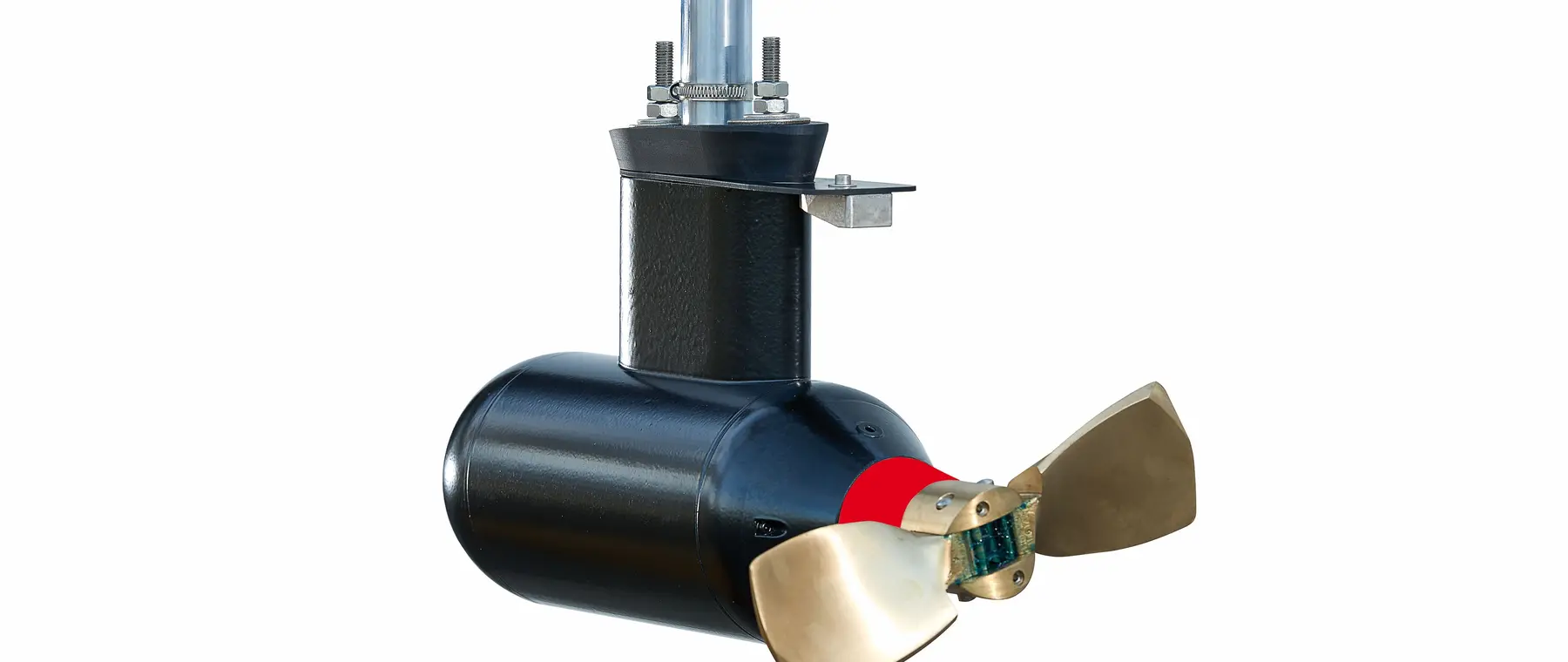
Source documentation: https://www.metstrade.com/exhibitors/krautler-elektromaschinen-gmbh-sylents/news/krautler-controllers-now-victron-ready, https://www.metstrade.com/exhibitors/krautler-elektromaschinen-gmbh-sylents/products/hybrid-systems. Lead image: Representative Kräutler electric outboard motor supplied in the company's controller integration announcement — Kräutler Elektromaschinen / METSTRADE exhibitor press release; representative motor, not a photograph of the controller or display. Issuer-supplied media asset published with the relevant official exhibitor release or product catalogue made available through the official virtual press room for coverage of the announcement; copyright remains with the rights holder.