Puerto Rico's marina operator enters the infrastructure debate
Bacalia Group issued a statement on 19 November 2026 outlining its view of the economic characteristics of marina infrastructure, drawing on its investment in Grand Caribbean Marinas in Puerto Rico. Founder and principal Giuseppe Cicatelli, who also serves as executive chairman of the marina group, argues that investors should distinguish recurring storage revenue from the earnings generated by other marine businesses. The announcement comes amid consolidation within the United States marina sector, but its particular relevance to yacht owners is the distinction it draws between physical infrastructure, the continuity of berth services and the other activities that take place around a marina. An operator's decision about where to direct long-term investment can affect the facilities on which visiting and resident yachts rely. The announcement is an account of Bacalia's own commercial perspective and reported experience, not an independent appraisal of the group's assets. It does not establish the final value of any individual marina, and no investment recommendation follows from it.
A network built around the Fajardo area
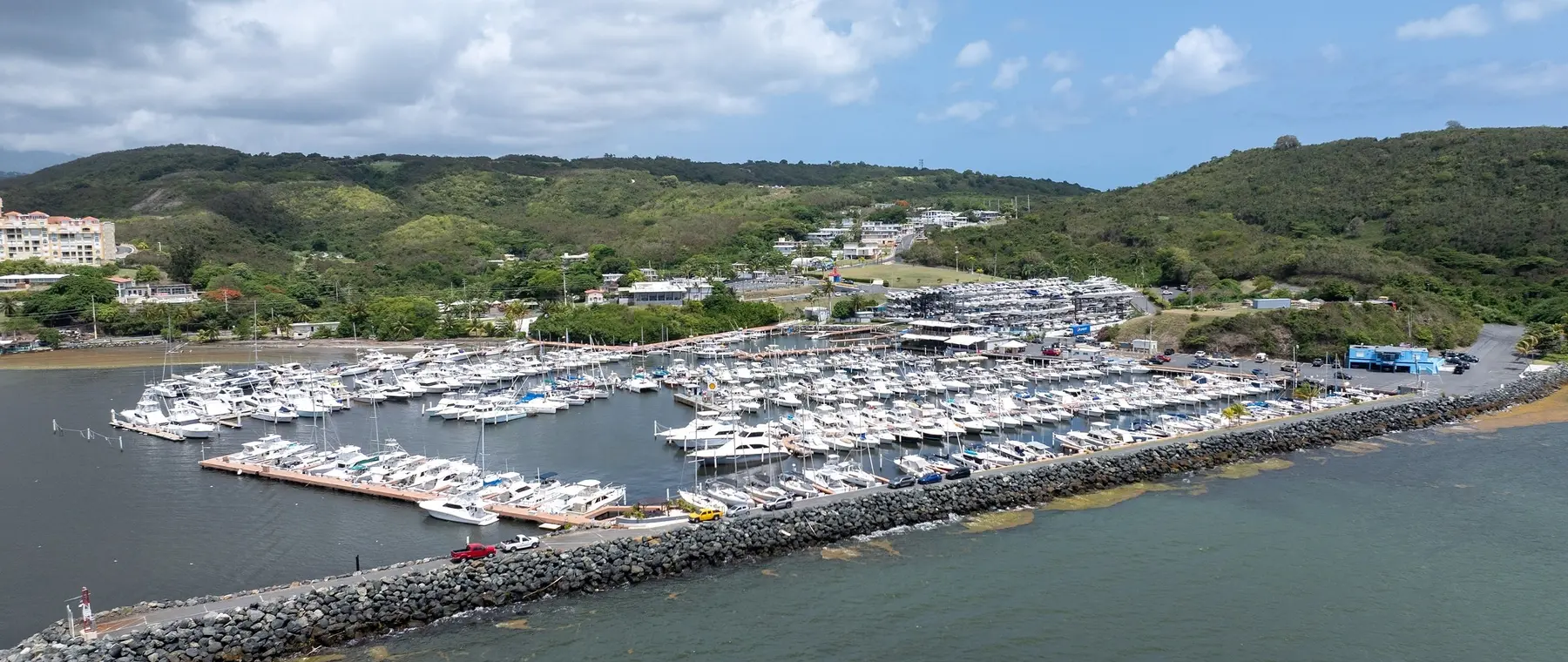
The company describes its Grand Caribbean Marinas portfolio as a network of six facilities in and around Fajardo on Puerto Rico's eastern coast. It identifies Marina Puerto Chico, The Reserve, Renaissance Villa Marina, Isleta Marina, Marina Sardinera and Blue Coast Boat Park. The operator estimates that the wider network serves approximately three thousand boats and fifty tenant businesses and supports around one thousand direct and indirect jobs. These are company estimates of the scale of its operations, not an independently audited inventory of available berths or employment. Its earlier September project announcement uses a slightly different naming convention for one of the facilities. Yacht owners should therefore consult current information about each marina rather than assume that the network's aggregate capacity is interchangeable across all sites. The relevance of a regional grouping lies in the different roles that individual locations may perform, including temporary berthing, storage and access to businesses providing marine services. A yacht making a particular passage must still establish the suitability and availability of a berth on its actual dates of travel.
Reconstruction costs and the nature of durable assets
Bacalia estimates that approximately US$50 million has been invested in rebuilding and upgrading the group's facilities since hurricanes Irma and María struck Puerto Rico in 2017. That reported amount includes work which is still in progress, according to its statement. The investment is a reminder of the distinction between an installation's initial construction cost and the continuing resources required to preserve its usefulness. Floating docks, piles, mooring fittings and service connections operate in an environment affected by saltwater, changing weather and repeated use. Their performance depends on the condition and design of individual components and the way they work as a system. An existing marina may also need to adapt its physical arrangements as the sizes and types of boats using it change. Bacalia's statement describes replacement of damaged wooden docks with floating concrete units designed for severe hurricane conditions. That description is the operator's account of the design; it should not be understood as a guarantee that a particular vessel can safely remain at the docks during a major storm. Local authorities, the marina and the skipper must determine appropriate arrangements for the circumstances.
A floating wave attenuator at Marina Puerto Chico
A specific infrastructure project identified in the release concerns a floating wave attenuator at Docks A1 and A2 of Marina Puerto Chico. Grand Caribbean Marinas previously reported progress on the installation on 19 September 2026. The project is intended to reduce wave action within the relevant dock area and provide additional capacity for transient boating, while protecting vessels and marina infrastructure. The company states that the work is being developed in coordination with the United States Fish and Wildlife Service and Puerto Rico's Department of Natural and Environmental Resources. It is important to distinguish the progress of an installation from the declaration that all of its intended operational benefits have already been achieved. The November release describes work as ongoing. A wave attenuator is also different from an assurance of calm water under every combination of swell, wind and local conditions. Owners considering a stay should obtain current information from the marina about its operating arrangements, any affected access routes and the suitability of individual berths. The infrastructure project may change the facilities over time, but it is not evidence of immediately available space for a yacht of any specified dimensions.
Why recurring berth revenue matters to operators
Cicatelli's commercial argument is that investors assessing a marina should pay particular attention to income associated with wet berths, dry storage and boats stored ashore. These services can form a relatively persistent relationship between a facility and its customers, particularly where there are established arrangements for longer-term occupation. The character of that relationship varies with the marina's location, the terms of individual contracts and the availability of alternative facilities. It would therefore be inappropriate to presume a uniform level of stability across all storage revenue. The statement argues that restaurants, repairs and charter-related businesses should be valued differently from recurring storage income. That is a proposed approach to valuation, not a rule applicable to every property or transaction. The individual operations may have different capital requirements, commercial risks and levels of customer retention. For yacht owners, the practical significance is that the services which support a well-functioning berth can be of greater importance than a visually impressive collection of leisure facilities. Reliability of shore power, water, access and maintenance arrangements contributes directly to the use of the yacht.
The relationship between a marina and its service businesses
The Fajardo network includes tenant businesses involved in activities around the water, and the operator presents these as part of the wider economic contribution of its facilities. For an owner visiting an unfamiliar cruising region, access to competent service providers can be a substantial consideration. Some work may be carried out locally, while other tasks may require a specialist workshop or equipment supplied from elsewhere. A marina can help facilitate those arrangements, but an individual service business may have its own contractual responsibilities, insurance and operating procedures. An owner should clarify who is undertaking a particular task and whether it is being managed by the marina, the yacht's own representative or a separately engaged contractor. Commercial consolidation does not by itself establish that every service within a network will be available at every site. The value of a working marina includes the way its infrastructure allows different activities to take place without interfering with safe vessel movements or access to essential services. For owners planning an extended stay, this can be more significant than the appearance of the reception facilities.
Resilience as a practical question for visiting yachts
The Bacalia statement is especially relevant to cruising decisions because of the emphasis it places on exposure to severe weather and the costs associated with maintaining coastal facilities. A yacht's skipper should assess a potential berth in relation to the vessel's length, beam, draught, displacement and mooring requirements, together with the actual conditions anticipated during the stay. Infrastructure intended to improve protection may reduce certain forms of wave exposure without eliminating risks associated with storm surge, wind or vessels breaking free from neighbouring berths. The suitability of a marina for remaining during a tropical weather event cannot be determined from a single description in a press release. Owners should obtain current guidance about the facility's storm procedures and any restrictions imposed by their insurance arrangements. Where departure or relocation is necessary, sufficient time should be retained to carry out the plan safely. The consequences of severe weather depend on the circumstances of a particular event and on many parts of the marina and vessel systems working together. That is why physical investment, operating practice and realistic planning are complementary considerations rather than alternatives.
What the November announcement establishes
Bacalia's statement offers an operator's perspective on the growing attention directed towards marina infrastructure. The company identifies its Puerto Rican network, a reported level of investment following the hurricanes of 2017 and a specific ongoing project at Marina Puerto Chico as context for its views. It does not announce an infrastructure acquisition by Bacalia, establish a new fixed berth price or confirm the completion of all current projects. Luxury Yacht Guide has not independently surveyed the marina or verified the operator's reported expenditure. The significance of the statement is the connection it draws between the economics of marina ownership and the facilities that must remain available for vessels to use. For a yacht owner making decisions about Caribbean cruising, the relevant questions remain practical: which services are functioning, whether a berth suits the vessel, how weather risks are managed and where necessary marine work can be undertaken. The announcement is a useful starting point for understanding the operator's priorities, while the decisions associated with a specific stay depend on current information from the marina and the yacht's own professional team.
Sources and lead image
Source documentation: https://www.prnewswire.com/news-releases/as-marina-consolidation-accelerates-puerto-rico-operator-giuseppe-cicatelli-outlines-what-infrastructure-buyers-are-paying-for-302944854.html, https://www.gcmarinas.com/grand-caribbean-marinas-advances-floating-wave-attenuator-project-at-marina-puerto-chico-expanding-puerto-ricos-blue-economy-infrastructure/. Lead image: Breakwater and floating docks at Marina Puerto Chico in Fajardo, Puerto Rico — Grand Caribbean Marinas / Bacalia Group via PR Newswire; issuer-supplied editorial press photograph. Official issuer-supplied press photograph, reproduced for editorial coverage of the specific announcement and resized for web display.