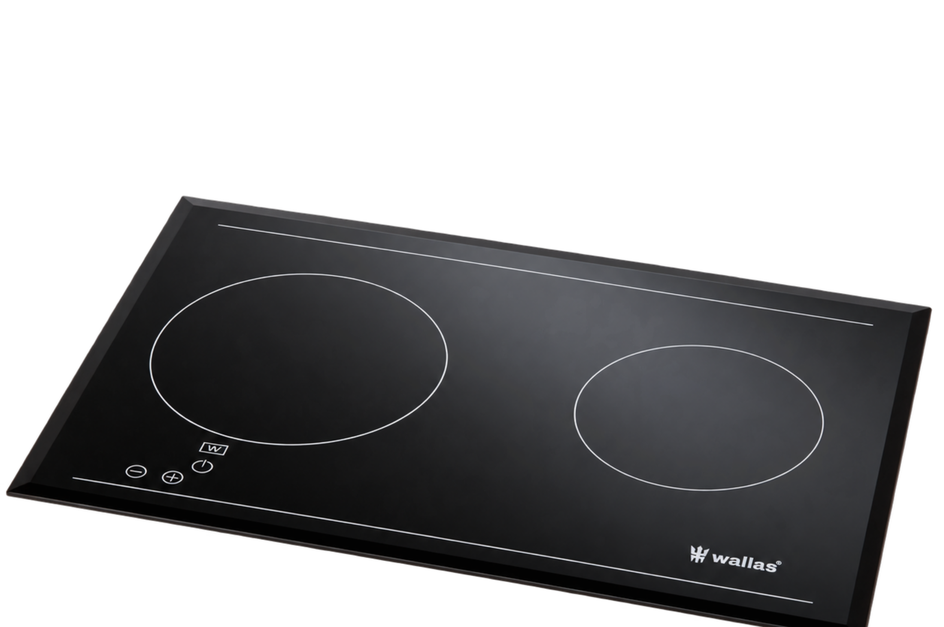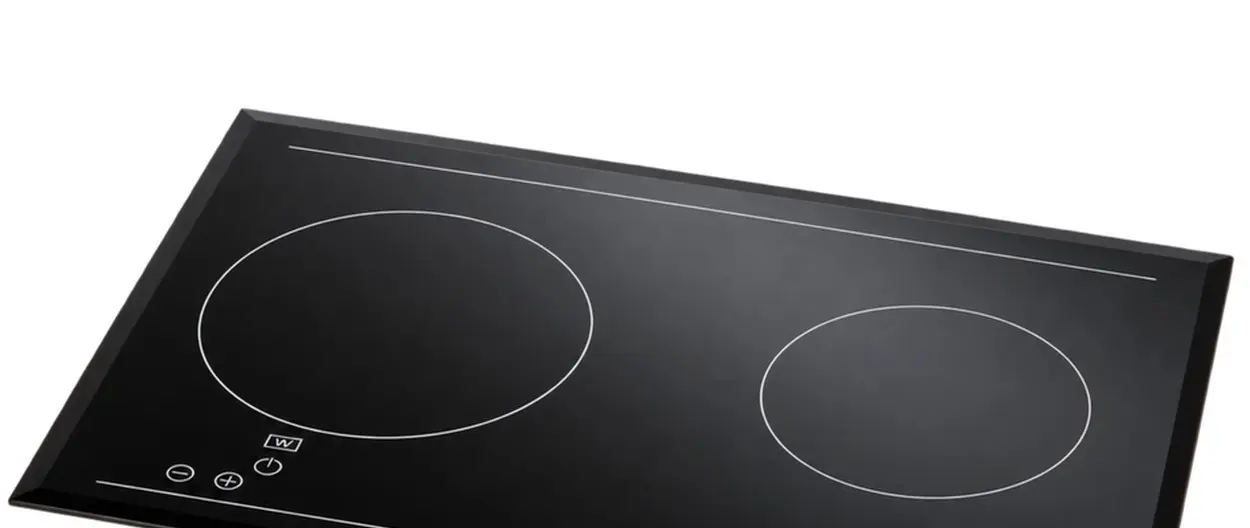
Wallas has introduced a ceramic cooktop that combines induction heating with a diesel burner in one compact unit, positioning it as an alternative for boat owners who want to cook without bottled LPG and retain flexibility when away from shore power. The 3800 Dual Power appeared in the manufacturer's METSTRADE 2026 catalogue with a release date of 16 November, ahead of the Amsterdam exhibition held from 17 to 19 November. Wallas quotes up to 1,800 watts of induction power on a suitable 230/110-volt electrical supply and a separate 2,000-watt, 12-volt diesel mode. The company states that diesel operation consumes about 0.2 litres of fuel per hour and draws between 0.37 and 0.55 amperes from the battery. Those figures are manufacturer specifications rather than independent consumption results from a particular yacht. For owners of 12- to 24-metre cruising vessels, the announcement raises useful questions about cooking arrangements, electrical capacity, fuel handling and the practical trade-offs of a gas-free galley.
Why the dual-power concept is noteworthy
Cooking aboard a cruising yacht is not the same as cooking in an ordinary kitchen. The vessel may be connected to an adequately sized shore-power system one day and operating at anchor from batteries, generators or limited renewable charging the next. A cooktop relying solely on high electrical power can be convenient in a well-equipped marina but place different demands on the electrical system when away from the dock. Wallas proposes two modes inside a single ceramic cooking surface so a crew can choose between electricity and diesel heat according to circumstances. The arrangement is distinctive because it addresses operational flexibility rather than merely adding another cooking zone. Owners should still verify the appliance's exact configuration and whether both modes meet their actual meal-preparation needs.
The two operating modes explained
The official 3800 Dual Power listing describes an 1,800-watt induction mode and a 2,000-watt diesel burner. Induction transfers energy into suitable cookware using an electromagnetic field, which can make it convenient for cooking without an open gas flame. Diesel heating follows a different process and carries its own requirements for fuel supply, combustion air and exhaust. The manufacturer quotes 12-volt electrical operation for diesel mode while acknowledging that the battery powers the appliance's controls and associated components. These distinctions matter when comparing the cooktop with a fully electric installation. It would be misleading to assume that the diesel mode uses no electrical energy or requires no engineering integration beyond connection to an ordinary fuel tank.
Low electrical draw does not mean zero overall energy use
A current draw of 0.37 to 0.55 amperes may look attractive beside a kilowatt-level induction load, but the comparison only concerns the appliance's electrical requirements in diesel mode. Diesel still provides thermal energy through fuel combustion, with the manufacturer estimating about 0.2 litres per hour. Actual use may change with cooking settings and operating conditions. Owners should therefore compare the whole installation, including fuel consumption, ventilation, supporting equipment and maintenance. A yacht with a modern inverter and generous battery capacity may prefer induction for much of the time. Another yacht might value the ability to cook using fuel already carried for propulsion or heating. The ideal solution depends on its operating pattern.
A possible alternative to LPG storage
Many cruising yachts use LPG for cooking, but storing cylinders and maintaining gas detection, isolation and ventilation systems requires careful attention. Wallas promotes the 3800 Dual Power as a way to avoid bottled gas, although this does not mean diesel is risk-free or free from installation obligations. Any fuel-burning appliance requires the appropriate safeguards, including correct routing of exhaust and combustion air. Owners should consult the applicable flag, classification and installation requirements before considering conversion. The decision should also account for access to suitable diesel fuel, the configuration of the yacht's tanks and the intended cooking programme. Removing one type of fuel installation may simplify certain routines but introduces other technical arrangements that need proper attention.
The galley of a 12- to 24-metre yacht
This size range includes owner-operated sailing yachts, family cruising motor yachts and professionally crewed vessels with compact galleys. Their available counter space can be limited even when the overall vessel is luxurious. A combined appliance can be relevant where a separate diesel cooking system and induction hob would occupy too much room. However, the supplier's public description does not provide a universal installation drawing for every boat. Buyers should obtain the product's dimensions, cut-out requirements and minimum clearances before redesigning cabinetry. The galley must also provide a suitable route for servicing the appliance. A neat ceramic surface is only one part of a successful yacht installation; the space beneath and around it matters equally.
Induction performance depends on the electrical system
The manufacturer identifies induction output of 1,800 watts and compatibility with 230- and 110-volt supplies, but an owner should confirm exactly how power and settings work on each voltage. High electrical loads can challenge smaller marina connections or an inverter that is already supplying refrigeration, air conditioning and other domestic systems. Wallas describes an adjustable power limit intended to protect small shore-power fuses and inverters. This feature could be valuable where the yacht operates in marinas with varying supplies. It is not a substitute for proper load calculations. The electrical engineer should establish total demand, protective devices and the consequences of using the cooktop at the same time as other high-power appliances.
What an adjustable power limit can achieve
Some yachts experience nuisance trips when several appliances operate together. A cooktop able to reduce its maximum draw may help the crew keep within the available power budget. The trade-off is that cooking performance may change at lower settings. The chef or owner should test whether the arrangement still suits ordinary meals. A system designed only around the largest available inverter rating may not reflect how the yacht actually uses energy during a passage or in a small harbour. The most useful specification is one that identifies realistic operating scenarios, including simultaneous refrigeration, water heating and cooking. A power limit is valuable precisely because it acknowledges that marine electricity is a managed resource.
Cooking underway is a different matter
On a moving yacht, galley safety involves more than the type of heat source. Cookware needs to remain secure, the working area should allow safe movement and crew must understand the limits of the appliance. A flat ceramic cooktop may look elegant, but a vessel rolling or pitching can create hazards if pans are not adequately restrained. The manufacturer and installation team should establish what arrangements are suitable for the intended sea conditions and whether gimbals, pan retainers or other precautions are required. Owners should not infer that a surface designed for a stationary showroom demonstration is safe to use in all conditions underway. Good seamanship and operating procedures remain essential regardless of the fuel selected.
Diesel fuel supply and exhaust need planning
A diesel-fired cooktop must be treated as a combustion appliance, not simply an electric hotplate with a different power switch. The installer should confirm fuel line routing, filtration, isolation and compatibility with the yacht's systems. Exhaust must be handled according to the approved installation, with proper attention to the surrounding cabinetry and exterior outlets. Crew should know the required start-up and shutdown procedures. The manufacturer may provide a standard installation kit or recommendations, but these need to be matched to the individual vessel. An owner should request a professional installation assessment rather than attempt to fit the appliance based on the marketing summary alone. Reliability and safety depend on those hidden details.
What the figures do not establish
The METSTRADE listing provides useful headline specifications, but it does not supply independent tests demonstrating a given amount of cooking energy per litre of diesel, a complete life-cycle assessment or performance on a specific yacht. A stated electrical draw may exclude other onboard systems that are necessary for operation. Similarly, fuel use at one setting does not tell an owner how much diesel will be consumed across an entire voyage. Published figures should be used as a starting point for engineering review. They should not be turned into guaranteed savings or range extensions. A credible report on marine technology needs to separate product capability from operational outcomes that have not yet been measured in real-world conditions.
The comfort and convenience question
A yacht's galley should be pleasant to use, whether preparing a simple breakfast or cooking for several guests. The feel of the controls, the speed of response and the ease of cleaning matter as much as headline power. A ceramic surface can create a tidy visual appearance, but the owner should examine how spills are managed and which cleaning products are approved. Diesel appliances may have different start-up behaviour from induction systems, influencing how spontaneously the cooktop can be used. Buyers should request a demonstration if possible and compare the experience in both modes. A theoretically flexible installation may be less attractive if the routine is cumbersome. Practical everyday comfort should drive the decision.
Service and repair during cruising
A yacht travelling across several countries may not always be close to a supplier's preferred service workshop. Owners should ask about spare parts, authorised installers and troubleshooting support for both the induction and diesel subsystems. Access for inspection should be considered when the unit is built into the countertop. A design that can only be removed by dismantling extensive cabinetry may create avoidable difficulty later. The electrical and combustion functions may also require different diagnostic skills. Good documentation and clear maintenance responsibilities can make a compact dual-power appliance more dependable over a long ownership period. The yacht should maintain the product model and serial details in its technical records.
Newbuild choices and refit limitations
A new yacht offers the greatest freedom to plan the electrical, fuel and exhaust arrangements around a dual-power cooktop. A refit may be more complicated because existing cabinetry, ventilation and fuel systems can restrict where the unit can be installed. Owners thinking of replacing an LPG hob should not assume that the replacement will use the same cut-out or require less work. The yard must inspect the relevant structure and confirm that the complete arrangement can meet current safety requirements. Where major work is already scheduled, the owner may have more flexibility to incorporate new equipment. The most successful installations are planned as galley systems rather than isolated appliance purchases.
The role of cooking in cruising independence
Long-distance cruising often requires balancing comfort with the resources available aboard. Owners may want to enjoy good meals without running a generator solely for an electric cooking load, yet that choice must be evaluated against their actual energy system. Wallas's combination of induction and diesel cooking gives designers an option to discuss, particularly for yachts that spend extended periods at anchor. It does not prove that the vessel can eliminate generator running or reduce overall fuel consumption in every situation. Those results depend on batteries, solar contribution, other loads and the way the boat is used. The innovation lies in offering another operating choice within the galley, not in a guaranteed efficiency outcome.
METSTRADE 2026 brings the concept to the market
The official exhibitor catalogue dates the Wallas 3800 Dual Power announcement to 16 November 2026, immediately before METSTRADE opened in Amsterdam. The company's specifications make it a meaningful new product story for cruising yacht owners considering galley equipment. It joins a broader industry movement toward more flexible electrical systems and alternatives to conventional gas cooking. The supplied information does not establish a particular completed yacht installation or independent long-term reliability record for the new appliance. Those details will become clearer through engineering documentation, installations and service experience. Buyers interested in the product should begin with a technical consultation and a practical cooking demonstration.
What owners should ask next
The 3800 Dual Power raises a sensible set of questions: is the yacht's electrical system sufficient for induction use, can the diesel function be installed safely, and will the available cooking surface suit the owner's meals? A dual-mode design may be valuable precisely because cruising conditions change, but its benefit depends on proper integration with the rest of the boat. Owners should seek current manuals, electrical and fuel specifications, installation drawings and evidence of applicable approvals before ordering. The Wallas announcement offers a genuinely different approach to marine galley planning. Whether it is the right approach for a particular 12- to 24-metre yacht requires the same careful engineering and practical judgment as any major equipment choice.
Primary source: Wallas, official 3800 Dual Power product listing released 16 November 2026 through the METSTRADE exhibitor catalogue. All product performance specifications are manufacturer-reported and require installation-specific verification.
Sources and image credits
Reporting based on Wallas, official 3800 Dual Power product announcement, released 16 November 2026.
Lead photograph: Wallas 3800 Dual Power combined induction and diesel marine ceramic cooktop original official product photograph. Official manufacturer product image: Wallas 3800 Dual Power marine cooktop, METSTRADE 2026 product listing. Original official image source.