A guide about the complete electrical system
Torkmar has released Successful Electric Boating, a free technical handbook designed to help owners understand why electric cruising depends on more than replacing a combustion engine with a motor. British Marine reported the publication in late September, describing a deliberately approachable guide to system integration, energy management and practical installation issues.
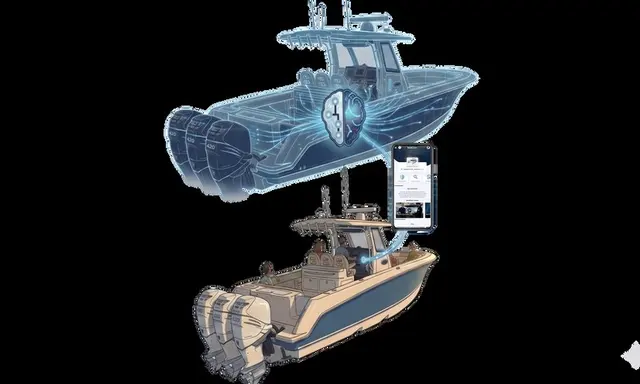
For owners studying 12–23.99-metre displacement cruisers or alternative-propulsion refits, the central point is valuable: propulsion energy, domestic electrical demand and charging opportunities all share a limited onboard energy budget. An attractive motor specification may be of little use if the vessel's real itinerary and battery-management plan have not been addressed.
Motor torque, hull shape and the propeller
The guide discusses continuous torque in the context of propeller performance rather than asking readers to focus solely on peak motor kilowatts. Propeller geometry and hull resistance influence how efficiently energy is converted into movement. The question is especially relevant at modest cruising speeds, where efficiency can have a large effect on the distance available between charging opportunities.
Torkmar also sets out practical principles for reducing avoidable power demand. Owners should understand that small savings in hotel loads do not replace the much larger calculations needed for propulsion at speed. A naval architect or suitably qualified marine engineer must assess the vessel's actual displacement, drive installation and intended passage profile.
AC, DC and battery choices
The publication compares alternating- and direct-current power management, including how inverter losses can be reduced by supplying appropriate equipment at its native voltage. It reviews lithium iron phosphate and lead-carbon battery approaches, battery monitoring, shore power, galvanic isolation and the integration of solar panels. These are separate design choices whose suitability varies with boat and operating area.
Incorrectly selected fuses, wiring sizes, protective devices or battery controls can create serious electrical and fire risks. The handbook discusses workmanship and standards, but owners should not treat an introductory guide as permission to undertake high-voltage work without professional supervision. Installation and testing must follow the rules relevant to the yacht and jurisdiction.
From specification to cruising experience
Managing power intelligently can reduce unnecessary engine or generator running and support quiet periods at anchor, but real endurance remains dependent on weather, speed, charging access and the health of onboard equipment. Torkmar's managing director Tim Knox presents the experience of the journey itself as a reason to design the system around efficient use rather than a narrow headline range figure.
The free guide is available through Torkmar's website. LYG readers considering an electric or hybrid yacht should use it to frame questions for builders, not as a replacement for a properly engineered energy audit. Its release adds a useful practical resource to a fast-changing area of recreational-yacht ownership.