A separate camera within the electronic lookout picture
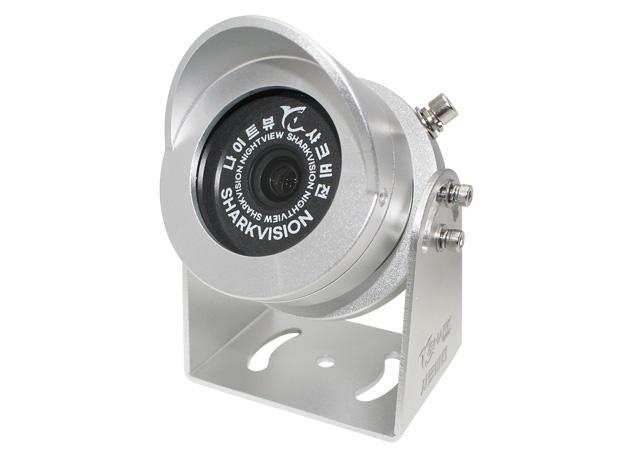
South Korean marine-electronics supplier DM Tech has listed the XT200 night-vision camera in its 2026 METSTRADE exhibitor catalogue, where it appears alongside the company's BlackBox monitors and other marine camera equipment. The manufacturer's specific entry is dated 1 January 2026 and describes the XT200 as a night-vision camera. That is the confirmed product information available in the public catalogue; the listing does not establish that it was newly launched during the November exhibition or supply an extensive technical specification. For yacht owners considering modernisation of a bridge in the 12-to-23.99-metre sector, the product offers a useful reason to review how supplemental camera systems might support observation at night or in low light. However, a camera is an additional information source, not a substitute for a proper lookout, radar, navigation lights, chartwork or the safe speed appropriate to the conditions. Any practical value depends on installation, image quality, operator training and the limitations that the manufacturer documents for the exact model.
What the catalogue does and does not establish
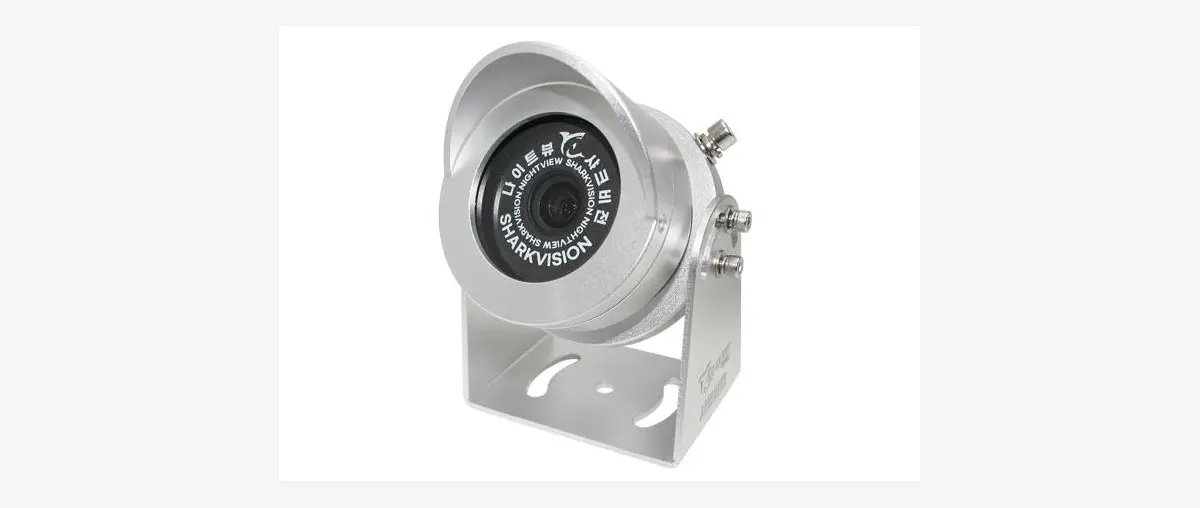
The METSTRADE product page identifies the maker as DM Tech Co., Ltd., the model as XT200 and its basic function as a night-vision camera. It includes a manufacturer-submitted product image and places the item within its marine-electronics catalogue. The public description does not specify the sensor technology, thermal sensitivity, optical resolution, detection distance, field of view or electrical protection rating. These details would be needed before a professional installer could evaluate its suitability for a particular vessel. It would therefore be wrong to label the XT200 a thermal-imaging camera, low-light colour camera or infrared-illuminated system without additional maker documentation. Night vision is a general description that can encompass different technologies with different operating behaviour. Owners should request the full datasheet and confirm not only what the camera can show but also the conditions under which its performance has been verified.
The practical problem of looking ahead at night
A yacht travelling after sunset must maintain an effective lookout in conditions where visual cues can be difficult to interpret. Shore lights, reflections, dark objects and changing weather can complicate a watch, while rain or spray may reduce useful visibility. Crew members rely on their eyes, training, the vessel's navigation equipment and appropriate procedures. A specialist camera may help by displaying a view from a position that complements the direct sightline from the helm. Yet it can also introduce new limitations: a narrow image may omit objects outside the field of view, poor mounting may create blind areas and a dirty lens can degrade the picture without an obvious electronic fault. The crew should understand exactly what part of the surroundings the camera covers and should continue checking the horizon and nearby water by other means. A useful bridge system reinforces situational awareness rather than persuading an operator that one screen contains the whole scene.
Why night-vision technology needs careful terminology
Different kinds of night-vision cameras can behave very differently. Some amplify available light, some use infrared illumination and others detect thermal differences. Each approach offers a different picture and may perform differently in fog, rain, high humidity or the presence of bright background lights. The XT200 catalogue listing does not identify the underlying technology clearly enough to make a definite claim about those characteristics. A buyer should therefore ask the manufacturer for real sample imagery and test results under conditions relevant to the yacht's cruising programme. Images recorded in a controlled demonstration may not reflect the performance experienced during an overnight coastal approach. It is also important to ask what happens when a warm engine, reflective surface or strong shore light appears in the field of view. Technical evaluation should be based on the named product, not assumptions imported from another manufacturer's thermal or optical camera.
Camera placement is an engineering decision
The usefulness of an external camera depends heavily on where it is installed. A viewpoint too low may be obstructed by deck fittings or spray, while a location higher on the vessel can introduce different exposure and maintenance challenges. The camera should not interfere with navigation lights, radar equipment, antennas or the yacht's normal sightlines. Structural support must be sufficient for vibration and movement, and the installation needs a suitable cable route that remains serviceable after the interior is finished. Owners should review how the camera is protected from water and contamination, using the manufacturer's actual environmental specifications rather than guessing from the appearance of the housing. A neatly integrated bridge device is only successful if it can be kept clean, inspected and replaced without major dismantling. On smaller luxury yachts, that balance between mounting position and maintainability is especially important.
Display compatibility should be confirmed in advance
DM Tech's wider catalogue includes monitors and BlackBox display equipment, but the presence of several products under one exhibitor does not establish automatic compatibility between every model. The XT200's video output, power requirements and any available control interfaces must be confirmed from the manufacturer. A yacht may already have a multifunction display or dedicated monitor, and buyers should understand whether the camera can be integrated without additional converters or control equipment. The installer should also verify that the image can be displayed at a useful size and in a format that remains legible at night. A camera may deliver an adequate picture but lose much of its practical value if it is placed on a screen that is hard to reach or frequently covered by other navigation information. A complete proposal should include the display, controls, cables and commissioning work rather than the camera alone.
Night lighting and the human operator
Electronic displays can affect a watchkeeper's ability to adapt to darkness. A camera screen that is too bright may make direct observation outside the windows harder immediately after the operator looks away from it. The chosen display arrangement should allow safe adjustment of brightness, contrast and viewing position without obscuring other essential information. The operator also needs training in how to interpret the image. A bright shape or dark patch can be misleading when its apparent size or distance is judged from a two-dimensional screen. A specialist camera does not automatically provide trustworthy range or bearing information, and the XT200 listing does not claim those functions. Crew members should cross-check unfamiliar observations using the appropriate navigation tools and safe procedures. The camera is best viewed as another source of evidence rather than a definitive identification system.
The danger of overconfidence in electronic vision
A strong image from a camera can create a sense of security that the equipment itself cannot justify. The field of view is limited, and an object beyond it may go unnoticed until the operator checks elsewhere. Sea clutter, glare or environmental conditions can also cause an object to appear differently from how it looks to the naked eye. A night-vision system does not remove the requirement to navigate at a speed appropriate to visibility and circumstances. Nor does it guarantee the detection of every small floating object. These limitations should form part of the captain's operating instructions and crew familiarisation. A useful acceptance test is not merely whether a picture appears on the display but whether the crew can explain what the camera shows, what it does not show and how the information is used alongside other methods of lookout.
Maintenance, contamination and reliability
External cameras need periodic attention because spray, salt deposits and dirt can degrade the viewing surface. A system installed in a difficult-to-reach location may become neglected after the initial commissioning. The maintenance plan should specify inspection and cleaning procedures approved by the manufacturer, including any restrictions on solvents or abrasive materials. Electrical connectors and cable entry points also require protection appropriate to the installation. Owners should ask how the camera reports faults and what happens if power or video communication is interrupted. The bridge should not be left dependent on a single optional camera feed for essential navigation tasks. Service support matters during long cruises, so the owner should find out whether DM Tech supplies replacement components through local dealers or other authorised channels. A maintenance record can help identify recurring faults and support any warranty claim.
A refit needs an honest integration budget
Installing a camera on an existing yacht may appear inexpensive compared with replacing the main navigation suite, but the complete cost includes mounting hardware, cable routing, any interface equipment and labour. A refit team should inspect the bridge and nearby structure before making promises about placement. It may be possible to use an existing screen, or it may be necessary to add a dedicated display. The owner should also know whether the video system can be isolated or serviced without disrupting other equipment. A technical quotation needs the relevant drawings and specifications, not merely a photo of the camera and a product code. The surveyor or installer should confirm whether the proposed mounting affects other equipment or the vessel's applicable requirements. A careful integration study may uncover reasons to choose another location or even a different camera system before any holes are made.
Evaluating the XT200 against competing options
A marine night-vision camera should be assessed through a consistent set of questions rather than a marketing comparison of isolated features. Buyers can request image samples under realistic conditions, details of the sensor, viewing angle, operating temperatures, electrical demands and output interfaces. It is also useful to understand how the system behaves when a lens becomes wet or when a strong light enters the scene. The manufacturer's support network and clarity of installation instructions may influence long-term value as much as the apparent picture quality. If the yacht will spend most of its time in daylight coastal cruising, the justification may differ from that of a vessel that regularly makes overnight passages. The XT200's public product entry does not provide enough information for a performance ranking, so any such comparison would be premature without further documentation.
The significance of the XT200 listing
DM Tech's inclusion of the XT200 in its official 2026 marine-electronics range illustrates continued interest in specialist vision systems for yacht bridges. The confirmed announcement is modest: the product is identified as a night-vision camera and shown in manufacturer-authored catalogue imagery. It does not establish a recent November launch, certified collision avoidance, a verified detection range or particular imaging technology. Those distinctions must remain clear. For luxury-yacht owners, the useful development is an additional product to investigate within a properly planned navigation and lookout architecture. If its full technical specifications and a realistic demonstration support the intended application, it may complement the crew's existing ways of observing the surroundings. The safest operating philosophy remains unchanged: equipment should assist a trained watchkeeper, not create the impression that responsibility for the vessel's safety has been handed to a camera.
Sources and image credits
Reporting based on DM Tech first-party XT200 NightVision Camera product specification, released January 2026 and listed in the METSTRADE catalogue.
Lead photograph: DM Tech XT200 Night-Vision Camera Adds a Specialist View to the Yacht Bridge — manufacturer original source image. © DM Tech Co. Ltd. Original official image source.