A different way to build electronic assistance aboard
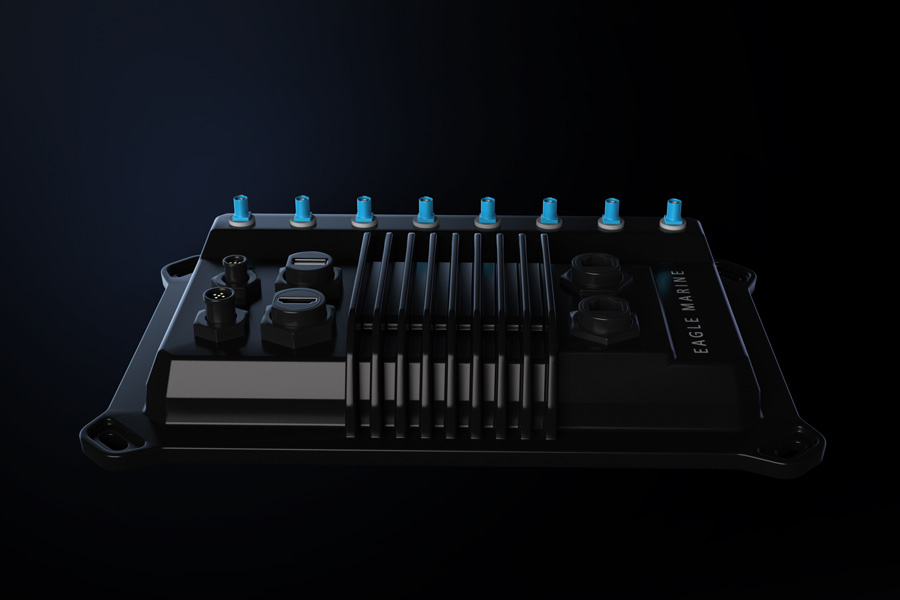
German marine-electronics company Eagle-Marine is presenting its ADAS Platform as a common hardware and software foundation for several yacht-assistance functions. Its official METSTRADE entry dated 20 November 2026 describes onboard computing, cameras and sensor integration, together with an App Store through which Eagle-Marine and external partners can supply software. The company's detailed product page distinguishes functions already available from partner integrations and items still in development. For luxury yachts in the 12-to-23.99-metre market, this is an interesting change in product architecture. Instead of installing entirely separate hardware for every new camera or assistance feature, a builder could consider a shared processing unit capable of supporting compatible functions over time. That approach may reduce some integration complexity, but only if the hardware, cameras, software and support arrangements are suitable for the particular yacht. A platform intended to assist navigation is not the same as a certified autonomous captain, and the manufacturer does not describe its full future roadmap as equipment already in service.
What is confirmed in the November listing
The first-party exhibition description identifies the product as the Eagle-Marine ADAS Platform, an open foundation for intelligent functions and outside partner applications. It names Surround View as one native application and Lookout as an example of third-party AI and data-fusion integration. The company's own website provides more detailed product information and explains the role of its integrated App Store. Those statements define the announced architecture; they do not establish that a boat can safely operate without an appropriate watchkeeper or that every listed application works on every hardware edition. Buyers should request a current compatibility list and clarify which cameras, displays, software versions and services are included in the actual quotation. A new platform can be genuinely useful even while some features remain prospective. The essential editorial distinction is to separate working components from technical demonstrations and the manufacturer's stated development ambitions.
Why a shared computing platform may appeal to builders
Modern yacht bridges collect data from many sources: navigation instruments, cameras, radar, engines, tanks and sometimes specialist docking aids. When each new capability requires its own control box and interface, the result can become difficult to install and maintain. A common processing platform may give system integrators a more consistent way to connect cameras and software applications. That could simplify some aspects of support, provided the integration is properly documented. It could also create a new dependency if several functions rely on one central device. A responsible builder should therefore examine power distribution, cable architecture, software updates and how individual functions behave if the main unit goes offline. The aim is not to replace all marine electronics with one box, but to give selected assistance applications a shared and maintainable infrastructure. Whether that architecture is preferable will depend on the size and complexity of the vessel.
Surround View is a current application
Eagle-Marine describes Surround View as an available feature capable of presenting a bird's-eye representation of the yacht's immediate surroundings using cameras. The company's existing system is associated with multi-camera coverage intended to aid close-quarters manoeuvring. Such a view may be especially useful when the helm has obstructed sightlines around a stern platform, a high bow or crowded dockside. However, an electronically composed overhead image has limitations. Its accuracy depends on camera placement, calibration and what each lens can actually see. Objects can disappear behind structural obstacles, and the representation may be affected by spray or poor lighting. A helmsman should never treat an overhead display as a guarantee that every corner of the yacht is clear. It is another source of information to combine with direct observation, crew communication and prudent manoeuvring speeds.
Remote camera access requires its own safeguards
The platform's website identifies Remote Access among the applications described as available. That function may appeal to owners or managers who want to view selected cameras while away from the boat, subject to the supported configuration and the service actually offered. Remote access creates privacy and security questions distinct from those of local docking assistance. A yacht may carry guests or crew who have legitimate expectations about where cameras operate and who may view them. The owner should know which camera feeds can be accessed, how users are authenticated and whether images or recordings leave the vessel. An internet connection may be unreliable in a cruising area, so remote monitoring must not become a dependency for core safety functions. A written access policy, strong credentials and regular review of account permissions are sensible requirements. The technical convenience of seeing the boat from elsewhere should be balanced against the responsibilities attached to collecting and transmitting onboard video.
Lookout Fusion is identified as a partner integration
The manufacturer's product page lists Lookout Fusion as a partner integration associated with AI-assisted perception and additional navigation information. This is a significant part of the platform concept because it demonstrates how software from another developer might share the same hardware foundation. Yet partner integration is not an assurance that the resulting information is suitable for every collision-avoidance decision or that it meets the legal requirements applying to a particular voyage. Perception systems depend on sensor inputs, training data, processing conditions and the constraints of the software implementation. The helm must understand whether an alert is advisory, what can produce a false positive and how the system responds when data is incomplete. Owners should ask for current documentation and operating limitations for the exact combined version installed. A third-party application should be judged on its own evidence as well as on the reputation of the platform hosting it.
Light and Performance editions address different needs
Eagle-Marine's website distinguishes a Light edition with a reported 34 TOPS of AI processing capacity and a Performance edition reported at 370 TOPS. TOPS refers to a measure of processing throughput under particular conventions; it is not a direct measure of navigation safety, object-detection accuracy or the speed at which a yacht can dock. A larger processing number may give software designers room for more demanding applications, but the benefits depend on the algorithms and sensors being used. A buyer should choose an edition based on the applications required now and the manufacturer's documented compatibility with planned future functions. Paying for maximum computing capability is not automatically worthwhile if the desired software does not require it. Conversely, a lower-cost platform may be unsuitable for a future application that depends on substantially greater processing capacity. The choice belongs in an engineering specification, not an abstract comparison of headline TOPS figures.
The App Store changes the upgrade question
The stated App Store concept allows owners to discover, purchase and activate compatible functions on a common hardware base. That may be familiar from consumer technology, but it needs a more cautious approach in the marine environment. A yacht can be operated for many years, often far from its original installation yard. Software changes must therefore be managed so that existing essential functions do not become unreliable after a routine update. Owners should ask who approves applications, what testing applies before release and how compatibility is maintained across hardware revisions. They should also understand whether subscription payments, vendor availability or a change in internet service could affect software access. A common application platform can become valuable when it reduces fragmented systems, but only if support remains predictable throughout the yacht's ownership life. The business model is part of the engineering decision.
Future autonomous functions are still a roadmap
Eagle-Marine's detailed description distinguishes more advanced assistance and autonomous features as future development. That language needs to be preserved when reporting the product. A camera platform with processing capacity and an application marketplace does not automatically have authority to control propulsion, steering or docking. Any future function that influences vessel movement would require a separate assessment of sensors, control interfaces, operational limits and safety requirements. A boatbuilder should not design a yacht on the assumption that a prospective feature will be available by a particular date unless the manufacturer has provided a firm, technically supported commitment. Owners may be interested in a platform that can evolve, but purchasing decisions should rest primarily on functions that can be demonstrated and supported now. Future capability is an option, not a completed performance result.
Cameras need careful installation and calibration
A multi-camera assistance system is only as useful as the accuracy of the picture it provides. Lens positions, mounting angles and calibration determine how well separate views can be combined. A yacht with an unusual bow profile or large bathing platform may require a different arrangement from a conventional motor cruiser. The installer should ensure that the cameras are not obstructed by fenders, railings or equipment and that they remain accessible for cleaning. Salt and spray can degrade images without causing a clear hardware failure. A proper commissioning process should demonstrate the system with the vessel in the water and show the helmsman how to recognise any blind spots. Owners should also check the quality of the displayed picture at night, in bright sunlight and under changing weather conditions. The manufacturer's architecture provides a framework, but the completed performance is determined by each yacht's installation.
Cybersecurity becomes part of seamanship
An onboard platform that combines computing, applications and optional remote access introduces cyber risk alongside its operational benefits. If software permissions are poorly controlled, an unrelated application may gain access to information it does not need. Weak passwords or outdated software can also create vulnerabilities. A sensible installation separates critical navigation and machinery systems from unnecessary internet exposure and provides a controlled method for applying updates. Owners should ask the supplier how vulnerabilities are reported, how long security support will continue and whether system logs are available for diagnosis. Crew need straightforward procedures for dealing with unexpected notifications or lost access. Cybersecurity is not a reason to reject connected marine systems outright; it is an engineering responsibility that becomes more important as several services depend on one platform. Transparent support arrangements can make the difference between a maintainable system and an opaque one.
What a yacht owner should verify before ordering
A meaningful specification should list the physical computing unit, available camera channels, compatible displays, supported applications, software licence terms and current feature status. It should also set out the electrical requirements, installation method and the expected behaviour after a power interruption or component failure. Owners need to know which functions remain local and which depend on external services. The supplier should document limitations, warranty responsibilities and access to installation support in the vessel's normal cruising area. During a trial, the helm should use the actual platform in relevant manoeuvring conditions, not merely watch a demonstration video. Particular attention should be paid to the clarity of the user interface and whether alerts are understandable under pressure. Good assistance equipment should make decisions easier to inform, not create a competing set of screens that distracts the navigator from the water.
A promising architecture with clear limits
The Eagle-Marine ADAS Platform brings together onboard processing, camera-based assistance and a mechanism for distributing partner software. Its current information identifies Surround View and Remote Access as available, Lookout Fusion as a partner integration and more ambitious functions as part of future development. Those distinctions are essential to a fair assessment. A shared hardware platform may help yachtbuilders manage upgrades and provide owners with a more coherent set of assistance tools, but it also creates questions about failure modes, software governance and long-term support. For the 12-to-23.99-metre luxury-yacht sector, the practical opportunity is improved awareness during close-quarters operations and a more flexible approach to selected bridge functions. The system should be judged by what it demonstrably provides, how it is integrated and how reliably it serves the crew over time, not by assumptions that an electronic App Store will make a yacht autonomous.
Sources and image credits
Reporting based on Eagle-Marine official ADAS hardware, application availability and Light/Performance technical product page, Eagle Marine GmbH original METSTRADE 2026 ADAS Platform announcement, released 20 November 2026.
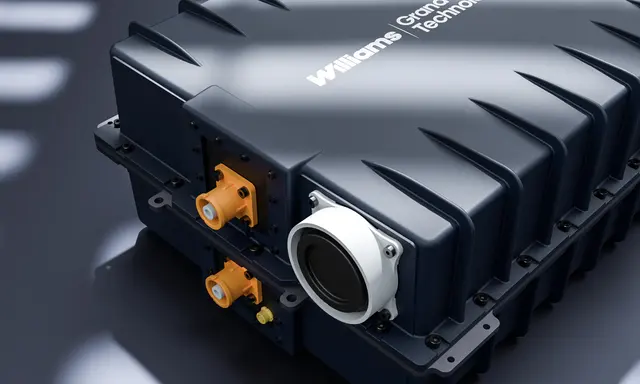
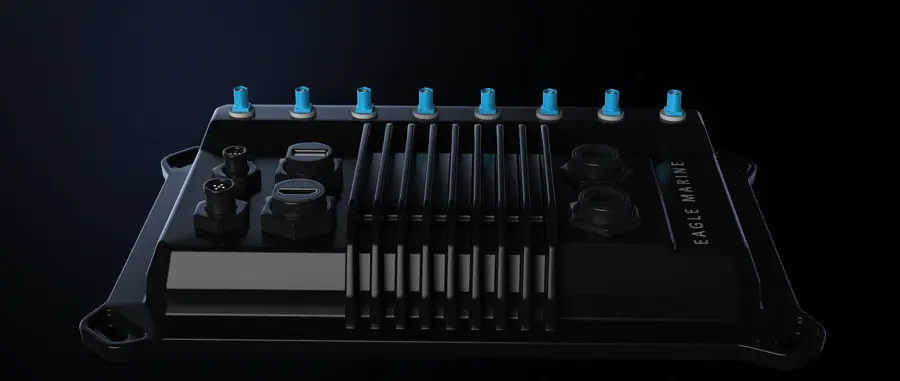
Lead photograph: Eagle-Marine ADAS Platform hardware unit — official manufacturer photo. © Eagle-Marine GmbH Original official image source.