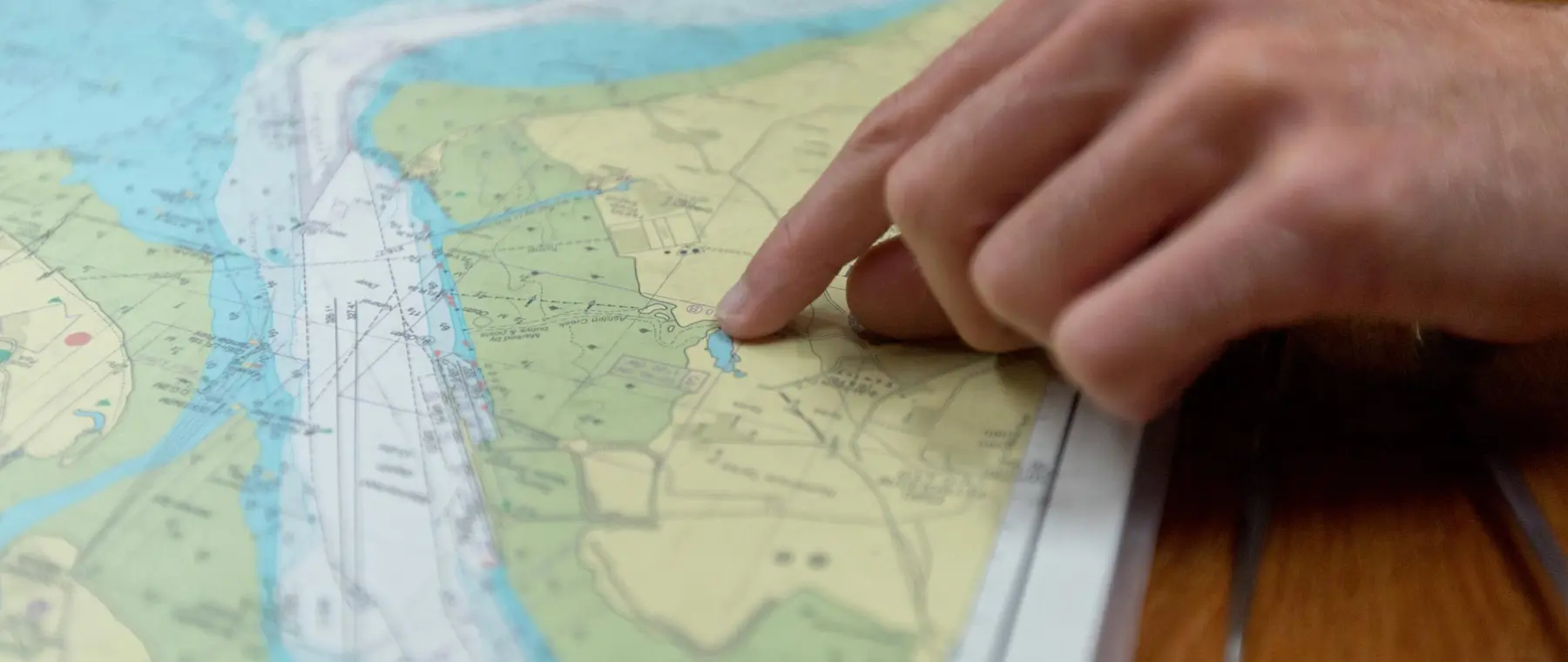
The Royal Yachting Association has updated its explanation of the move towards digital-first passage planning. It says the new paper-chart production approach begun by the UK Hydrographic Office in 2026 gives leisure navigators an important reference while approved small-craft digital standards continue to evolve.
The screen is only as good as its information
Electronic charts can make route creation and monitoring more efficient, yet scale, layer selection and data currency still matter. The RYA advises skippers to know the original source of chart data and to remain able to identify a doubtful position or display.
A fully integrated plotter may make several sources look like one system. That convenience should not be confused with true independence of power, sensors and chart information.
Paper charts remain relevant
The association explains that UKHO announced and began issuing charts made through a less labour-intensive process during 2026. It also says an approved electronic replacement suitable for most leisure craft is not yet available.
That statement describes the standards landscape rather than a universal carriage instruction for every flag and voyage. A commercially used yacht still needs to establish its own applicable requirements.
Training and backup arrangements
RYA intends to incorporate digital-first principles in Day Skipper and Yachtmaster teaching as future standards develop. It recommends an alternative way of fixing position and navigating to safety if a primary system fails.
For an owner of a 12–23.99m yacht, the practical next step is an equipment and crew-skills audit. Charts, updates and onboard procedures should be reviewed for the actual route and operating category before departure.
Official sources: primary reference 1, primary reference 2. This article is independently written by Luxury Yacht Guide.