The Offshore Racing Congress (ORC) and the IRC rating system have taken a significant step forward in addressing the evolving technological landscape of offshore racing by forming a joint working party to examine automation on board yachts and the implications of short-handed racing. This initiative, announced on 19 November 2026, reflects a growing recognition within the industry that advancements in technology are reshaping how races are conducted and how fairness is maintained. The working party will explore the impact of onboard automation systems, such as autopilots, and the challenges posed by short-handed racing—where crews operate with fewer hands than traditional full-crewed boats. These topics are critical to understanding how modern yachts can be fairly rated under existing rating systems like ORC and IRC, which have long been designed to ensure equitable competition across a wide range of vessel types and sizes.
This is an agreement to examine questions, not a revision of any handicap rule. According to the official 19 November announcement, the working party will consider automation on board and the conditions of short-handed racing, and what these mean for rating systems and race management. ORC and IRC will appoint co-chairs and participants from their technical committees and rating offices. Organising authorities, owners and sailors will have a voice, with equipment manufacturers contributing expert evidence but not deciding the findings. Owners of 12–23.99 metre racing yachts should therefore distinguish an announced review from any change to their existing certificates or forthcoming event instructions. No technical recommendation, universal performance adjustment or deadline was announced. This distinction matters: evaluating a possible future question is not the same as establishing a new rule.
Formation of the Joint Working Party
The 19 November 2026 announcement commits the Offshore Racing Congress and IRC to a joint working party. Each will appoint a co-chair, and members will be drawn from technical committees and rating offices. Organising authorities, owners of fully crewed yachts and sailors competing short-handed are due to participate. The statement expressly says equipment manufacturers may join as invited technical experts, but they will have no part in deciding the findings. It also specifies that the working party reports to ORC and IRC and operates independently of World Sailing. No schedule of meetings, published terms of reference or changes to current rating certificates is included in the announcement. Describing the review as a new authority, an immediate recalculation of ratings or an agreed rule reform would therefore be premature. Its present status is a formal commitment to examine the issues together.
The group will include representatives from organizing authorities, owners of fully crewed boats, and short-handed sailors, bringing several distinct perspectives into the discussion. Technology vendors are also invited to participate as advisers but will not be involved in deciding the findings or recommendations. This distinction is important because it maintains the integrity of the process while still allowing for expert input on how technology might influence racing dynamics.
Focus Areas: Automation and Short-Handed Racing
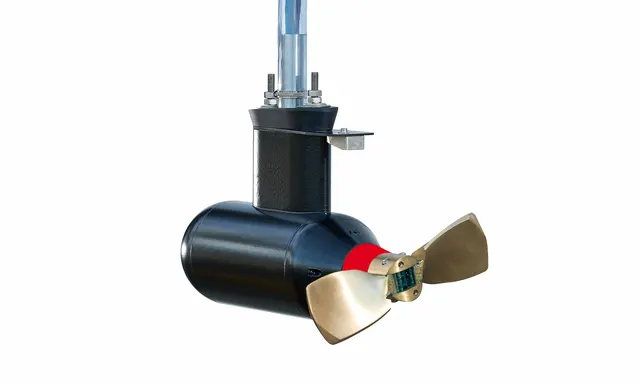
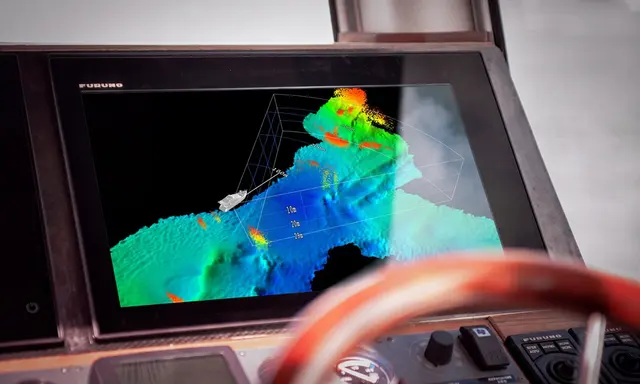
The working party’s primary focus areas are automation on board yachts and short-handed racing, both of which present unique challenges to traditional rating systems. Automation technologies such as autopilots, sensor arrays, and data-processing systems have become increasingly common in modern offshore racing, raising questions about their impact on race fairness and the ability to accurately rate vessels under existing rules. Similarly, short-handed racing—where crews operate with fewer hands than standard full-crewed boats—has introduced new variables that complicate the measurement of performance and fairness.
These technologies are not inherently problematic but require careful consideration in terms of how they affect the competitive balance. For example, an autopilot system may reduce fatigue for crew members, potentially improving a yacht’s overall performance without necessarily altering its design or construction. However, this could create an advantage that is difficult to quantify under current rating systems. The working party will explore these nuances and assess whether existing rules are sufficient to address the implications of such technologies.
Measurement vs Rating: A Key Distinction
Measurement and handicap rating are related but not identical. The dimensions, equipment and sailing configuration of a yacht help describe what it is; its rating converts information about the boat into a basis for scoring. ORC and IRC are distinct rating systems with their own methods, so there is no reason to assume that a future conclusion will affect them in the same way. The joint study has not announced a common certificate, a universal adjustment for autopilot carriage or a new formula based on crew numbers. For readers owning yachts in the 12–23.99 metre range, the practical question is whether technology used in a race creates measurable performance differences that existing systems may or may not already reflect. Working out the answer would require evidence from real fleets and technical review, rather than simply assuming every automated function increases speed.
The working party will examine whether the current measurement-based approach is adequate for assessing the impact of onboard automation and short-handed racing. For instance, if a yacht with an autopilot system consistently outperforms others due to reduced human error or fatigue, does this represent a legitimate advantage that should be accounted for in its rating? The challenge lies in balancing technological innovation with the need to maintain fairness across all participants.
Yacht Owners and Operators: A Stakeholder Perspective
Yacht owners and operators of 12–23.99 metre racing yachts are key stakeholders in this discussion, as they are directly affected by how automation and short-handed racing are regulated. Many of these owners have already adopted advanced technologies to improve performance and efficiency, often without clear guidelines on how these changes might influence their competitive standing. The working party will seek input from these individuals to understand the practical implications of new regulations or rating adjustments.
For example, some owners may argue that automation is an integral part of modern yacht design and should be treated similarly to other technological advancements that have been incorporated into existing rating systems. Others may express concerns about the potential for unfair advantages if certain technologies are not properly accounted for in the rating process. The working party will need to balance these perspectives while ensuring that all participants have an equal opportunity to compete.
Certificates and Handicaps: Current vs Future Adjustments
Existing rating certificates and sailing instructions remain the starting point for competitors until the relevant rating authority or race organiser issues an applicable change. The new ORC–IRC working party has not announced revised certificates, fresh measurement rules, altered handicap factors or an implementation date. Some owners may want to know whether autopilot capability or the number of people aboard could eventually be treated differently, but those are questions for the review rather than decisions already taken. Rating offices will need to interpret any future recommendations through their normal processes before competitors could know what to declare. A prudent owner would continue to maintain accurate equipment and configuration information, follow the notice of race and sailing instructions, and direct specific eligibility questions to the responsible organiser. Nothing in the November announcement replaces those established duties.
For example, the 2026 VPP update introduced targeted technical adjustments to ensure the accuracy of performance predictions as yacht designs evolve. However, these changes were based on historical data and design trends, not on emerging technologies like onboard automation or short-handed racing. The working party will explore whether similar adjustments may be necessary in the future to account for these new variables.
Race Committees: Balancing Innovation and Fairness
Race committees play a crucial role in overseeing the implementation of rating systems and ensuring that all participants adhere to established rules. As the working party examines automation and short-handed racing, race committees will need to consider how these developments might affect their responsibilities. For instance, they may need to develop new guidelines for assessing the impact of onboard automation on performance or determine whether certain technologies should be permitted in specific races.
The challenge lies in maintaining a balance between encouraging innovation and preserving the integrity of competitive fairness. Race committees must ensure that all participants are subject to the same rules and that no single yacht gains an unfair advantage due to technological advancements. This requires careful consideration of how automation and short-handed racing might influence race outcomes and whether existing rating systems are sufficient to address these changes.
Technology Vendors as Advisers: No Voting Rights
Technology vendors, including manufacturers of autopilot systems and other onboard automation equipment, have been invited to participate in the working party as advisers. However, they will not be involved in deciding the findings or recommendations, which is an important distinction that ensures the independence of the process. This approach allows for expert input on how technology might influence racing dynamics without compromising the integrity of the rating system.
The involvement of technology vendors is particularly valuable because they can provide insights into how automation systems are designed and used in practice. For example, they may be able to explain how certain features of an autopilot system affect a yacht’s performance or how data from onboard sensors might influence race outcomes. However, their role as advisers means that they will not have voting rights on the final recommendations, which helps maintain the impartiality of the working party.
What Is to Be Studied Next: A Roadmap for Exploration
The published remit is deliberately limited: the working party is to investigate onboard automation and short-handed racing, including implications for ratings and race management. It has not released a detailed timetable, specific testing protocol, draft formula or list of proposed rule amendments. Any suggestion of a predetermined route to mandatory handicapping of autopilots would go beyond the statement. An informed assessment could examine operational differences between fully crewed and short-handed boats, identify the types of equipment most relevant to scoring and distinguish convenience features from systems that materially change sailing performance. These are potential lines of enquiry, not announced findings. As the discussions develop, the most useful milestones for competitors would be published terms of reference, evidence requests, consultation with organising authorities and, ultimately, any publicly explained recommendations.
In addition to these areas, the working party may explore how different types of yachts—such as monohulls versus multihulls—are affected by automation and short-handed racing. This could lead to recommendations for tailored approaches that account for the unique characteristics of each vessel type. The goal is to develop a comprehensive understanding of how these technologies influence offshore racing and what steps might be necessary to ensure fair competition.
Practical Questions for the Coming Season
For the coming racing season, the immediate practical message is not to assume that a joint study changes an existing rule. Owners should check the current ORC or IRC certificate held by their yacht, review the notice of race, and seek clarification from the relevant rating office if an equipment declaration is unclear. Short-handed crews should also confirm race-specific safety and eligibility requirements instead of relying on conjecture about a future common policy. The two rating systems may ultimately approach automation differently, and a single international position has not been announced. Yacht clubs considering whether to accept a new class or how to score mixed fleets can continue consulting their existing rulebooks while participating in the broader conversation. That approach gives competitors certainty now, while leaving room for evidence-led developments in later seasons.
Another question relates to the fairness of short-handed racing. While some sailors and owners may argue that operating with fewer hands is a necessary adaptation to modern racing conditions, others may view it as an unfair advantage. The working party will need to determine whether existing rules are sufficient to address these concerns or if new guidelines are required.
Editor’s Analysis: Trade-Offs in Fairness and Innovation
As the working party moves forward, it must carefully balance the trade-offs between technological innovation and the principles of fair competition. On one hand, advancements like automation can improve safety, efficiency, and performance for all participants. On the other hand, these technologies may create disparities that challenge the integrity of existing rating systems.
The challenge lies in finding a middle ground where innovation is encouraged without compromising the fairness that underpins offshore racing. This requires a nuanced approach that considers both the benefits and potential drawbacks of new technologies while ensuring that all yachts have an equal chance to compete under the same rules. The working party’s findings will be critical in shaping the future of offshore racing, as they seek to address these complex issues in a transparent and evidence-based manner.
Sources and image credits
Reporting based on Offshore Racing Congress official announcement, 19 November 2026.
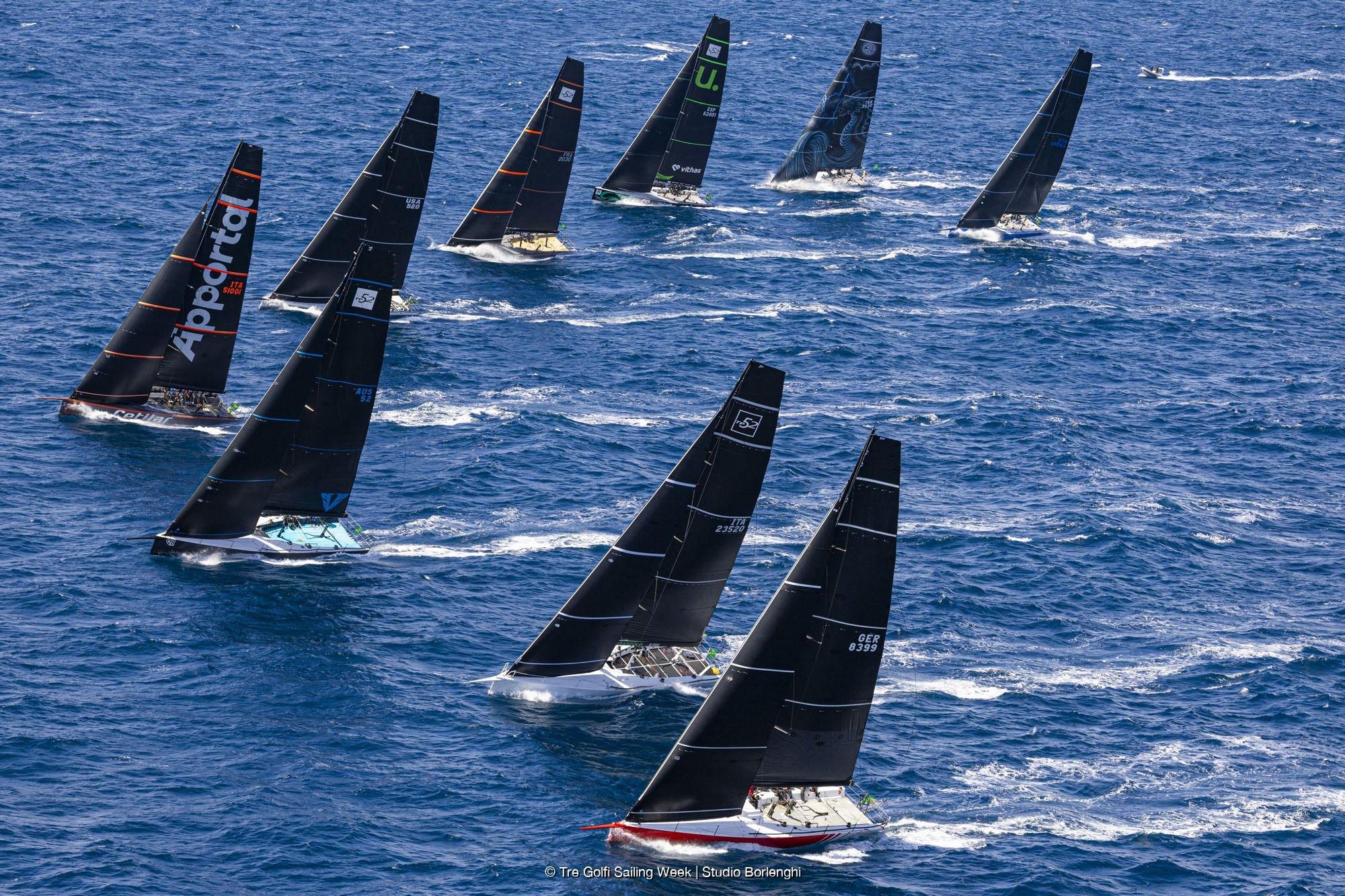
Lead photograph: ORC World Championship racing yachts at Tre Golfi Sailing Week 2026. © Studio Borlenghi / Offshore Racing Congress, photograph from the official 19 November 2026 ORC announcement. Original official image source.