The maritime industry is witnessing a surge in innovation that blends cutting-edge technology with practical design, enhancing both functionality and user experience aboard luxury yachts. Among the latest developments to capture attention is the Raymarine RCU-1 Autopilot Remote Control System, which has recently received a Special Mention at the DAME Design Awards 2026. This recognition highlights not only the product's engineering excellence but also its potential to redefine how yacht operators manage navigation and safety. The award comes as part of an unprecedented triple win for the DAME Design Awards, underscoring the growing emphasis on design-led progress within the marine sector. While the RCU-1 was initially announced earlier in 2026, its recent accolade marks a pivotal moment in its journey toward becoming a standard feature on modern yachts.
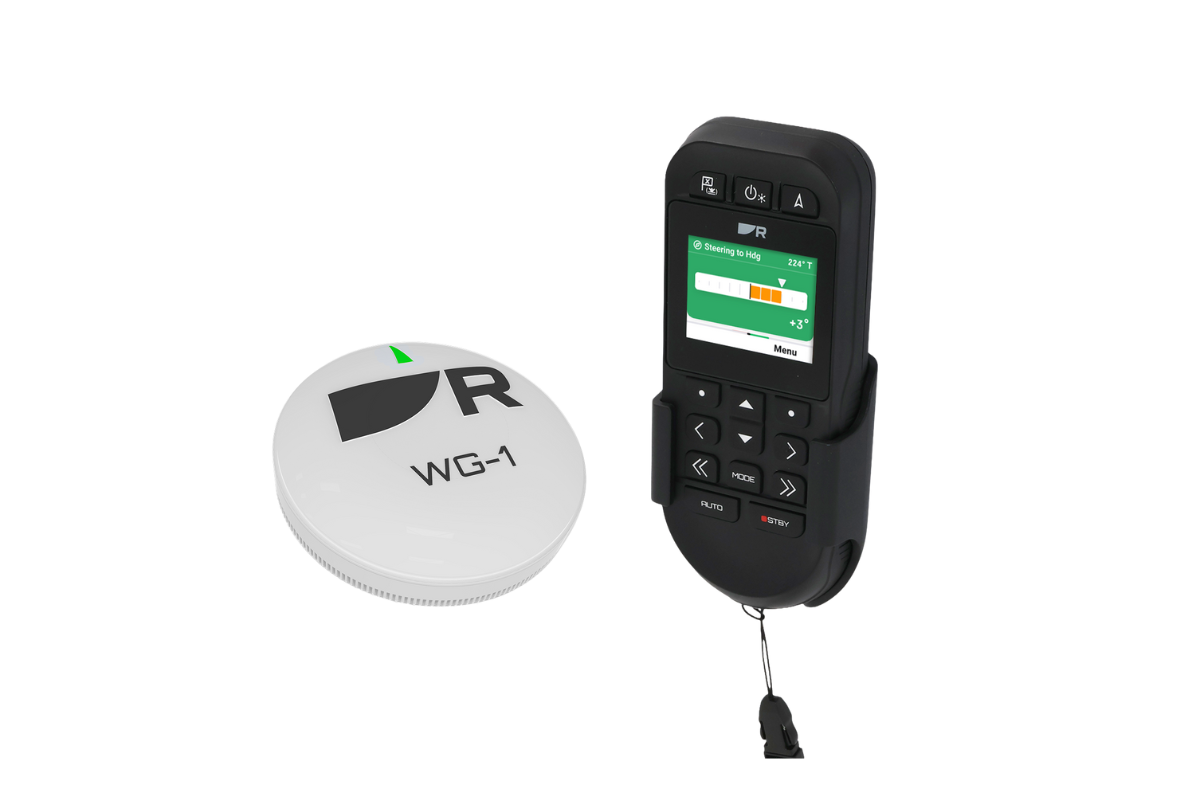
The Raymarine RCU-1 is more than just an autopilot remote control system; it represents a significant leap forward in integrating wireless technology with traditional yacht navigation. The device's color display and intuitive interface allow for seamless steering to headings, waypoints, or routes while simultaneously providing real-time navigation data. This dual functionality simplifies complex tasks, making it particularly appealing to owners of 12–23.99 metre yachts who value both convenience and precision in their maritime operations. The RCU-1’s compatibility with both sailboats and powerboats further broadens its appeal, ensuring that it can be adapted to a wide range of vessel types within this size category.
An award for a handheld remote, not a new autopilot
The DAME Design Awards 2026 marked a historic milestone for the marine industry, as it was the first time in the awards’ 35-year history that three products were named joint Overall Winners. This unprecedented decision reflects the high level of competition and innovation across the sector. The Raymarine RCU-1’s Special Mention is part of a broader trend where design excellence is increasingly being recognized as a key driver of product success. Alongside the RCU-1, other notable entries included the Garmin Signal VHF & Remote system, the Scanstrut Wireless Powered Navigation Pole Light, and the Teignbridge Propellers International Controllable Pitch Propeller (T-CPP). These products exemplify how design-led innovation is reshaping the marine equipment landscape.
Course selection beyond the wheel
The Raymarine RCU-1’s wireless course control feature is a standout element of its design. Unlike traditional autopilot systems that require physical access to the helm, the RCU-1 allows for remote steering from anywhere onboard. This flexibility is particularly valuable in scenarios where the skipper or crew may need to be elsewhere on the vessel while maintaining precise navigation. The system’s ability to integrate with existing navigation data ensures that operators have a comprehensive view of their vessel’s position and course without needing to physically interact with the helm. However, it is important to note that this feature does not replace the responsibilities of the skipper or helm lookout, emphasizing the need for continued vigilance in maritime operations.
What the Solo Sailor mode is intended to do
In addition to its wireless steering capabilities, the RCU-1 introduces the Solo Sailor mode, which enhances safety for short-handed sailors by assisting with man-over-board (MOB) recovery. This mode is a critical feature for yachts that may operate with fewer crew members, particularly during long voyages or in remote waters where immediate assistance might not be readily available. The system’s ability to detect and respond to MOB incidents can significantly improve the chances of a successful rescue, making it an essential tool for safety-conscious owners. However, while this mode offers valuable support, it should not be viewed as a substitute for proper training and procedures in such scenarios.
At the helm of a 12–24 metre yacht
The RCU-1’s design is rooted in user-centric principles that prioritize both functionality and ease of use. The color display provides clear visual feedback, ensuring that operators can make informed decisions without the need for constant monitoring. Additionally, the system’s point-and-go steering simplifies course changes, reducing the cognitive load on the skipper during complex maneuvers. These design choices reflect a deeper understanding of how yacht operators interact with their vessels, emphasizing intuitive interfaces and streamlined workflows. The result is a product that not only meets technical requirements but also enhances the overall experience of operating a 12–23.99 metre yacht.
Practical range and wireless limitations
For owners of yachts in this size range, the RCU-1 offers several advantages that align with their operational needs. The system’s compatibility with both sail and powerboats means it can be seamlessly integrated into a wide variety of vessels, regardless of propulsion type. This versatility is particularly important for owners who may own multiple boats or operate in diverse environments. Furthermore, the RCU-1’s wireless nature reduces the need for extensive cabling, which can simplify installation and improve the aesthetic appeal of the cockpit. These factors make it an attractive option for those looking to upgrade their navigation systems with minimal disruption.
The compatibility question
Installation and maintenance considerations are crucial when evaluating the RCU-1’s suitability for 12–23.99 metre yachts. The system’s wireless design minimizes the need for complex wiring, which can reduce both installation time and potential points of failure. However, it is essential to ensure that the vessel’s existing infrastructure supports wireless connectivity, particularly in terms of signal strength and interference. Maintenance requirements are relatively straightforward, as the RCU-1’s modular components allow for easy servicing or replacement if needed. Owners should also consider the long-term reliability of the system, ensuring that regular software updates and firmware upgrades are incorporated into their maintenance schedule.
Maintaining command and watchkeeping discipline
While the RCU-1 offers numerous benefits, there are certain trade-offs to consider before making an investment. One such consideration is the reliance on wireless technology, which can be susceptible to interference from other onboard systems or external sources. While this risk is mitigated by robust design and shielding, it remains a potential point of concern for owners who prioritize absolute reliability in their navigation systems. Additionally, while the Solo Sailor mode enhances safety, it does not replace the need for trained personnel or established protocols for man-over-board incidents. Owners must weigh these factors against the system’s advantages to determine whether it aligns with their specific operational requirements.
What the DAME panel recognised
The DAME special mention recognises design qualities of the RCU-1, but is not an independent sea-trial certificate, but it does not necessarily equate to proven performance in real-world conditions. While the award highlights the product’s potential, it is important to distinguish between design excellence and actual user experience. The jury’s decision to grant a Special Mention indicates that the RCU-1 met high standards of creativity and functionality, but further validation through independent testing or owner feedback would be necessary to fully assess its effectiveness. This distinction underscores the importance of approaching such accolades with a critical perspective, recognizing them as indicators of quality rather than guarantees of performance.
Safety claims and independent evidence
For owners of 12–23.99 metre yachts, the RCU-1 represents an opportunity to enhance their vessel’s navigational capabilities while improving safety and convenience. The system’s integration with existing navigation data and its ability to support short-handed operations make it a compelling choice for those seeking to modernize their onboard technology. However, the decision to adopt such a system should be informed by a thorough evaluation of both its advantages and limitations. Factors such as installation requirements, maintenance considerations, and the need for ongoing software updates all play a role in determining whether the RCU-1 is the right fit for a particular vessel.
Electrical integration and installation
The broader implications of the RCU-1’s recognition extend beyond individual yacht owners, influencing the direction of innovation within the marine industry. As design-led progress continues to shape product development, systems like the RCU-1 are setting new benchmarks for functionality and user experience. This trend is particularly evident in the growing emphasis on wireless technology, intuitive interfaces, and safety-enhancing features that cater to the evolving needs of yacht operators. The success of the RCU-1 at the DAME Design Awards 2026 signals a shift toward more integrated, intelligent systems that prioritize both performance and usability.
A tool for owners and skippers
Ultimately, the Raymarine RCU-1 Autopilot Remote Control System stands as a notable example of how design innovation can drive advancements in maritime technology. Its recognition at the DAME Design Awards 2026 highlights its potential to transform the way yacht operators manage navigation and safety. However, while the accolade is a strong endorsement of the product’s engineering and design, it remains essential for owners to critically assess its suitability based on their specific operational needs. As the marine industry continues to evolve, systems like the RCU-1 will play an increasingly important role in shaping the future of yacht technology.
Sources and image credits
Reporting based on Raymarine official METSTRADE RCU-1 product description, Marine Review, 19 November 2026 DAME award report.
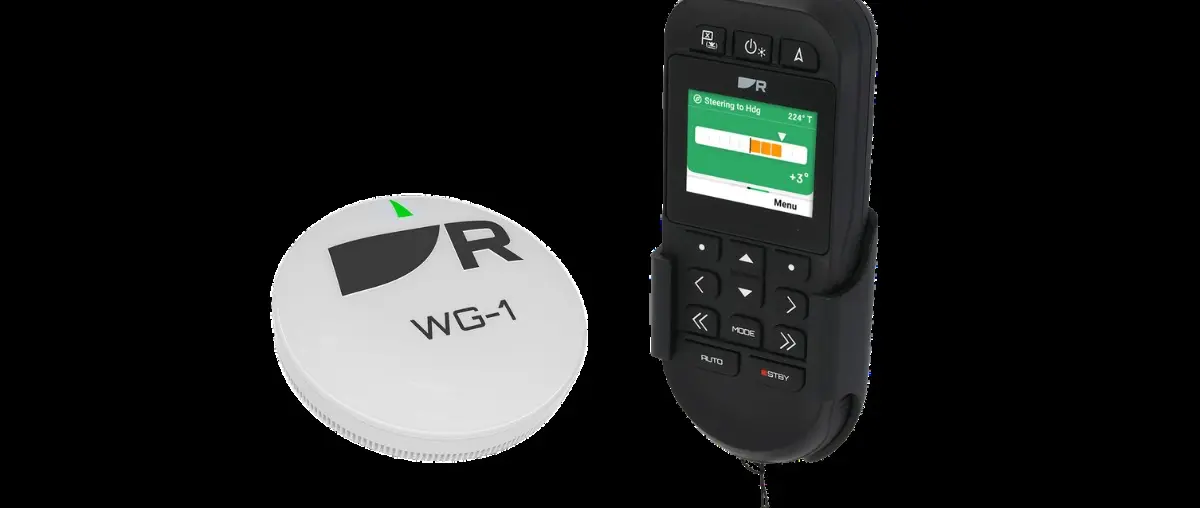
Lead photograph: Raymarine RCU-1 autopilot wireless remote kit, official METSTRADE exhibitor image. Teledyne Raymarine official METSTRADE exhibitor image of the RCU-1 wireless remote and receiver. Original official image source.