A 2026 expansion of a familiar sailing-hardware range
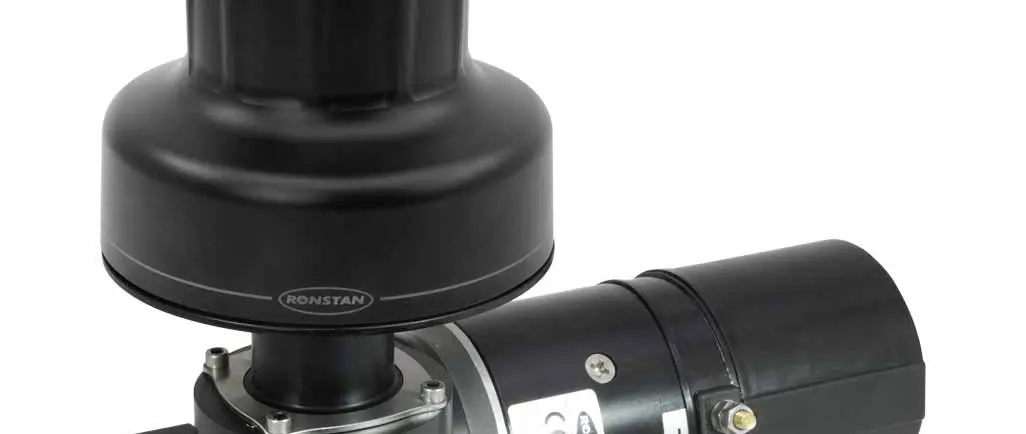
Australian marine-hardware manufacturer Ronstan has expanded its Orbit Winch range with E2+ electric models designed for larger keelboats and performance cruising yachts. The company's first-party announcement, dated 16 March 2026, describes 45QT and 50QT models in two- and three-speed forms, with 12- and 24-volt electrical options and conversion kits for existing manual winches. The equipment remains relevant to the 2026 sailing market because owners considering new builds or refits may want powered trimming without surrendering familiar manual operation. For luxury sailing yachts between 12 and 23.99 metres, winch selection can affect the number of people needed on deck, the ease of handling larger sails and the technical demands on the vessel's electrical system. This is not a claim that the hardware was newly launched in November, or that every yacht can be converted using a standard kit. The official release provides product details; a suitable installation still requires matching the winch, line loads, deck structure and controls to the specific boat.
What has changed in the Orbit range
Ronstan says the E2+ development extends electric assistance to the 45QT and 50QT sizes. Two-speed versions offer powered line handling within their intended range, while three-speed versions add a mechanically engaged first gear intended for quicker line recovery before the loads increase. The manufacturer describes a purpose-matched gearbox and a European-engineered series-wound electric motor, with a control and monitoring system integrated into the motor arrangement. The details are significant because a winch is part of the deck's load-bearing machinery, not simply a convenience appliance. The announcement does not mean all combinations have the same drum speed or pulling capability. Owners should obtain the correct load charts and specifications for the exact model. The choice between sizes, gear ratios and control arrangements depends on line loads, sail area and the types of manoeuvre normally performed aboard.
Why powered winches matter to cruising crews
Modern cruising yachts can carry large headsails and mainsails that impose substantial loads during trimming. A competent crew can manage these demands with correctly sized manual equipment, but electric assistance may reduce the physical effort required for certain tasks. This can be particularly appealing to a couple or small family operating a yacht whose sailing plan was previously better suited to a larger crew. However, electric power does not remove the need to understand loads, winch handling or the danger of loose clothing and hands approaching a moving drum. Indeed, a powerful motor can continue pulling when a human operator would have stopped due to physical resistance. Crew should have clear procedures for line routing and a reliable method of stopping the winch immediately. Training needs to address powered operation as a distinct mode rather than simply treating it as manual sailing with a button.
The difference between two and three speeds
A two-speed winch allows the operator to select appropriate mechanical advantage and line recovery for different conditions. Ronstan's three-speed E2+ models introduce another ratio intended to improve rapid line recovery when the load is relatively low. The additional speed does not imply a universal improvement in every situation. A high-speed setting may be useful when taking up slack but inappropriate when the sail is under significant load. The operator needs to know how and when the mechanical mode changes and what the manufacturer's instructions permit. Sailors comparing the options should consider their normal manoeuvres, not just the maximum advertised speed. A yacht used for relaxed coastal cruising may have different priorities from one racing offshore or frequently short-tacking in narrow waters. An effective winch specification balances speed, control and safe working load for the actual rig.
Manual operation remains central
One of the attractions of the E2+ concept is the retention of manual functionality alongside electric assistance. This can be useful when electricity is unavailable, for certain operating techniques or when the crew prefers a direct tactile connection to the line. Yet the exact behaviour of the manual system must be checked for the selected model. It should not be assumed that manual operation can safely bypass all mechanical or electrical faults without limitation. Owners need to understand the approved use of the winch handle, the relationship between self-tailing components and manual trimming, and the procedures for isolating power when servicing the equipment. A design that provides both modes can add resilience if the operating methods are clear. It can also create confusion unless crew members are trained to use each mode properly.
Integrated electronics and protection
Ronstan identifies an onboard control box and monitoring functions as part of the E2+ motor system. Its official description includes protection for overload, thermal conditions, low voltage, reverse polarity and accidental starts. Those are useful design features, but they do not make a winch incapable of creating dangerous forces. A sailor can still damage a sail or fitting by pulling against the wrong load path or a jammed line. The yacht's electrical installation requires appropriate fusing, switching and cabling, and the operator needs a clear view of the equipment being controlled. Owners should ask how alarms are displayed and what happens after a protective shutdown. A winch that stops unexpectedly during a manoeuvre may create a new situation for the crew. Understanding its response and recovery procedures is an essential part of commissioning.
Power supply for 12- and 24-volt yachts
The manufacturer offers 12- and 24-volt configurations, allowing designers to consider E2+ within common yacht electrical architectures. The correct choice is not solely about which battery bank exists onboard. Winches may draw substantial current under load, so cable lengths, voltage drop, protective equipment and the operating duty cycle matter. A 24-volt installation may reduce current for a given electrical power compared with a 12-volt design, but it still needs an engineered circuit. Powering several winches at once can affect the distribution system, particularly if other major domestic loads are operating. The electrical engineer should confirm whether the available batteries and charging equipment can support expected manoeuvres without unacceptable voltage sag. The exact current demands belong in a formal installation specification; the first-party announcement alone is not a complete electrical design.
Conversion kits and the refit opportunity
Ronstan says E2+ Power Kits can convert existing manual 45QT and 50QT Orbit Winches to electric operation. This may allow owners to retain equipment already installed on the yacht rather than replacing every component. However, the suitability of a particular manual winch depends on its variant, condition, service history and the manufacturer's compatibility list. The work may involve drilling, additional structural access, a motor assembly below deck and new electrical controls. A refit contractor should inspect the deck core, backing plates and any existing reinforcement before proposing powered operation. Electric assistance can make greater loads easier to apply, so the supporting structure needs to be suited to the approved maximum. An owner should not regard a conversion kit as a universal do-it-yourself attachment. A correct installation is an engineering job with specific safety and warranty considerations.
The value of a three-speed option for manoeuvres
When tacking or gybing, a crew may need to recover line quickly and then apply controlled tension as the sail loads increase. In principle, different gear ratios can help the operator handle these stages efficiently. Ronstan specifically identifies rapid recovery as an intended benefit of the three-speed arrangement. The real advantage depends on the sail plan, how lines are led and whether the crew has time to select the appropriate mode. A modern yacht with large overlapping headsails may have a demanding winching routine, while a boat with a self-tacking jib uses different equipment. Owners should conduct a deck-layout review that considers the entire sail-handling system rather than choosing winches in isolation. Fairleads, clutches, blocks and the shape of the cockpit all influence safe and effective operation.
Safety around moving machinery
Powered deck machinery should be operated only when the responsible crew member can observe the line and the area around the winch. A sheet caught under a turn or a loose garment near the self-tailer can create immediate hazards. Buttons should be placed to minimise accidental operation and clearly identify their function. Crew must also know how to stop the motor and, if necessary, isolate electrical power. Ronstan includes accidental-start protection among its product features, but that does not eliminate the need for appropriate placement and operational discipline. Children and inexperienced guests should not be encouraged to use a winch merely because it is controlled by a simple switch. Safe sailing requires understanding the forces involved. A powered winch may make the task physically easier while increasing the importance of situational awareness.
Serviceability and the marine environment
Winches are exposed to salt, spray, sunlight and mechanical loads, so maintenance remains essential. The motor and gearbox add components that should be inspected according to the manufacturer’s schedule, while the deck hardware still needs cleaning and lubrication where prescribed. Owners should determine what can be serviced aboard and what may need specialist attention. Water reaching an electrical connection can create problems that are not immediately visible. A good installation should allow access to the motor, wiring and relevant fastenings without excessive dismantling of interior furniture. Long-distance cruisers should also consider how spare parts can be obtained in remote regions. The most useful equipment is not necessarily the most sophisticated, but the equipment whose servicing requirements are understandable and achievable during the yacht's normal operating programme.
Comparing electric and hydraulic deck systems
Some larger sailing yachts use hydraulic power to operate winches and other machinery. Electric winches present a different arrangement with their own benefits and limitations. A yacht undergoing an extensive refit may benefit from reviewing the available systems as a whole, especially if several pieces of deck gear are being replaced. The right option depends on loads, existing infrastructure, access and the amount of integration required. Electric assistance may reduce dependence on a central hydraulic plant for certain applications, but it introduces electrical distribution and control requirements that must be assessed. A winch supplier should provide realistic installed costs and operating details, not merely the price of the above-deck unit. Owners should also consider what happens if a shared system fails and whether manual handling remains practical for the largest sails carried.
Questions to ask before selecting E2+
A useful procurement list includes the exact 45QT or 50QT model, two- or three-speed configuration, voltage, safe working loads, recommended line diameters and control options. The yard should inspect the deck structure and confirm the suitability of any proposed conversion kit. The owner needs a complete quotation for power cables, switching, installation and commissioning, along with documentation of the accepted operating limits. A demonstration with the intended sail plan can reveal whether the chosen ratios offer the expected control and speed. Warranty responsibilities should be clear if the motor, mechanical winch and installation are supplied by different parties. These details create a more reliable basis for choosing powered equipment than a marketing comparison with an older manual winch.
The wider relevance of Ronstan's 2026 expansion
Ronstan's E2+ introduction provides a defined set of powered options for larger Orbit Winches, with new two- and three-speed models and supported conversion kits. The company's original March announcement remains a meaningful 2026 product development for yachtbuilders and owners planning the next refit season, though it should not be misrepresented as a November launch. For luxury sailing yachts between 12 and 23.99 metres, the technology may help small crews handle larger loads with less physical effort. Its success will still depend on appropriate sizing, deck engineering and disciplined operation. An efficient winch is not merely one that pulls hard; it must allow the crew to manage sails predictably, stop promptly and continue operating safely over many seasons. That practical standard is the best measure of the E2+ range's value.
Sources and image credits
Reporting based on Ronstan International original manufacturer release dated 16 March 2026: E2+ two- and three-speed Orbit winches, Ronstan original manufacturer technical catalogue for E2+ electric Orbit winches.
Lead photograph: Ronstan E2+ Electric Orbit Winches Bring Powered Trimming to Larger Cruising Sailboats — original manufacturer photograph. © Ronstan International Original official image source.