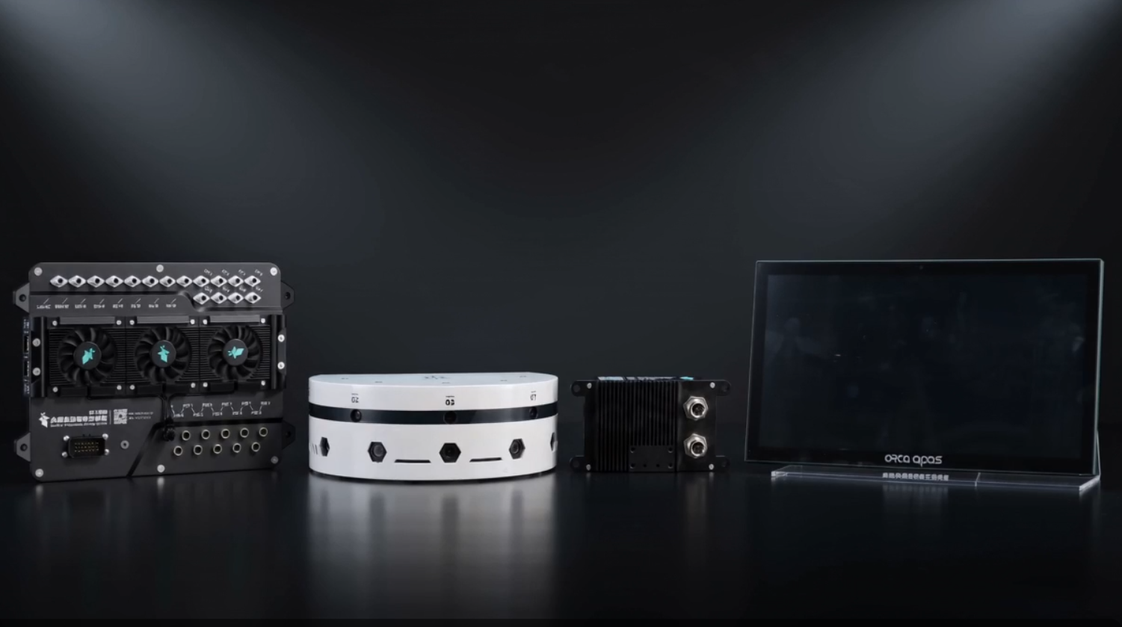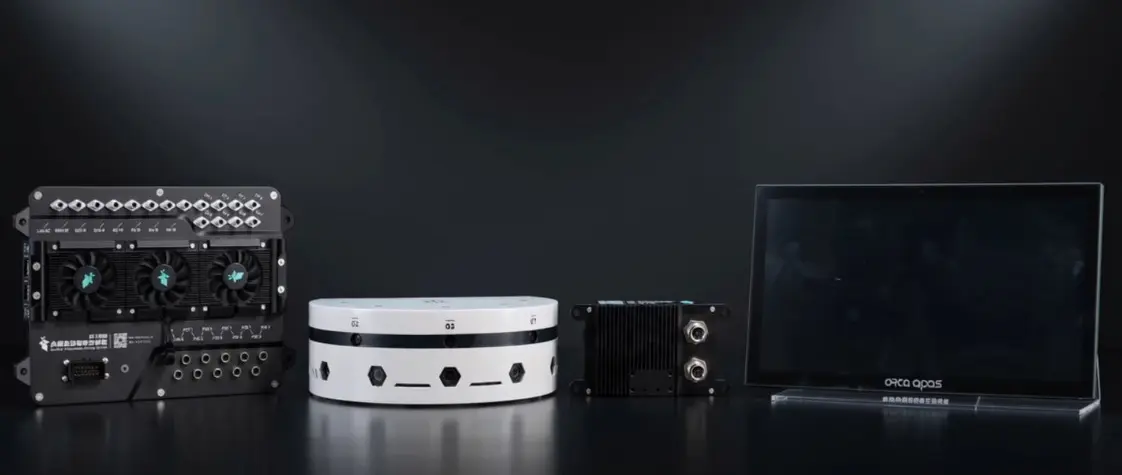
ORCAUBOAT has presented a modular navigation and pilot-assistance system through its 2026 METSTRADE exhibitor programme, targeting yachts and recreational vessels as well as other marine applications. The manufacturer's Intelligent Perception & Navigation System listing describes a combination of sensors, artificial-intelligence perception, a control platform and a display interface intended to support awareness of nearby obstacles, navigation and docking. The product is marketed under the ORCA APAS name, referring to an Advanced Pilot Assistance System. Its stated functions include collision warnings, obstacle avoidance, navigation support, GPS anchoring and docking or undocking assistance. For the smaller luxury-yacht market, the development is interesting because close-quarters handling and awareness of other craft are demanding tasks. However, a product description is not evidence that every advertised function is approved for use without a competent human lookout or helm operator.
A system rather than a single instrument
Conventional marine electronics include separate instruments for position, heading, depth, radar and other functions. An integrated assistance system aims to combine information so that an operator can interpret the surrounding environment more easily. ORCAUBOAT describes a modular hardware-and-software platform rather than one self-contained screen. That distinction matters: sensors collect information, processing software interprets it, and a control system may act on the resulting assessment. Each part has different potential failure modes. A buyer should ask which elements are included in the actual configuration and how they communicate with the yacht's existing systems.
What intelligent perception means
The product listing describes enhanced perception as a central capability. In general, a marine perception system attempts to identify relevant objects or conditions around a vessel and present information that can help the operator make decisions. It may combine several types of sensor input, but the manufacturer’s brief announcement does not provide a complete specification for every camera, radar or positioning unit. It would therefore be misleading to claim particular detection distances or accuracies for the version shown at METSTRADE. Performance needs to be tested against defined conditions, including poor light, rain, sea clutter and small targets that are difficult to recognise.
Collision warnings and decision making
A warning system is valuable when it draws attention to a hazard that a watchkeeper might otherwise miss. It can also create problems if it produces frequent false alarms or misses objects that are not adequately represented in its data. ORCA APAS is described as including collision warning and obstacle avoidance. Those are manufacturer-stated product functions; there is no independent sea-trial result in the source establishing how the system performs in every encounter. The human operator remains responsible for maintaining an effective lookout and understanding the applicable collision-prevention rules. Electronics can supplement good seamanship but should not be portrayed as a replacement for it.
Docking is a particularly demanding use case
Close-quarters manoeuvring requires awareness of wind, current, neighbouring vessels, quay structures and limited space. The manufacturer describes autonomous docking and undocking capabilities as part of its modular approach. In practice, a safe docking system needs to interpret objects at short distances and coordinate with the vessel's propulsion and steering. The specific integration will differ between a twin-screw motor yacht, an outboard-powered craft and a sailing catamaran. The METSTRADE product description does not establish universal compatibility across those types. Buyers should verify the supported configurations and whether the actual installation includes automatic actuation or primarily decision support.
Understanding the meaning of autonomous
Marine technology firms frequently use autonomous to describe a range of behaviours, from guided route-following to more complex navigation without continuous direct helm input. The word alone does not specify the operating limits or regulatory status of a system. ORCAUBOAT lists autonomous navigation among the capabilities of its APAS platform. A buyer should ask what the system can do in a defined operational design domain, how it handles an unexpected object and what actions require human confirmation. No brochure should be interpreted as permission to leave the helm unattended or disregard local rules. The critical question is how control passes between software and people.
GPS anchoring and station keeping
The manufacturer also includes GPS anchoring in the list of potential functions. This term generally refers to maintaining a position through active control rather than relying on a physical anchor, although the exact operation must be established for each installation. For a small yacht, such a function may be appealing when waiting briefly in suitable conditions. It is not a substitute for a properly deployed anchor in situations where an engine failure or electrical fault could create danger. A responsible operator needs to understand energy consumption, drift limits and the circumstances under which the system should not be used.
Modular architecture and configuration
ORCAUBOAT says the system's integrated hardware and software support flexible configurations and scalable functionality. Modularity can help a yard or refit specialist select equipment relevant to a particular craft, but it also creates an obligation to document exactly what has been installed. Two boats carrying the same product family name may have different sensors and supported functions. Owners should request a written equipment list, diagrams and a commissioning report. Without that information it is difficult to compare quotations or know which features are genuinely available at the helm. A modular platform is useful only when its boundaries are clear.
Display design is part of safety
The company's product presentation includes an interface through which the operator can view the system's information. A busy helm can already have several chartplotters, engine displays, communications equipment and warning indicators. Adding another screen does not automatically improve situational awareness. Information should be prioritised so that a warning is understandable, and the operator should be able to identify whether a cue is based on direct sensing or a software interpretation. The source does not provide a formal human-factors assessment, so any claim about reduced workload would require further evidence. Interface design should be judged during realistic manoeuvres, not simply from a static demonstration.
How artificial intelligence enters the picture
AI-based systems can classify visual or other sensor data and identify patterns that are difficult to express using a small number of fixed rules. Marine environments pose distinct challenges because waves, reflections, spray and rapidly changing weather can affect the available information. The manufacturer's use of AI terminology indicates a design approach, not a guarantee that its algorithms have encountered every relevant scenario. A buyer should ask how the software has been validated, how updates are controlled and how unexpected results are handled. Systems intended to influence vessel movement deserve a particularly high standard of testing and transparency.
The importance of dependable sensors
Reliable perception depends on more than software. Sensors must be correctly installed, maintained and protected from conditions that can degrade performance. A camera obscured by salt or spray may supply incomplete information, while other systems can be affected by interference or mounting position. The ORCAUBOAT listing does not establish one universal hardware package for all vessels. Yard engineers should therefore assess fields of view, wiring, power supply and redundancy for each application. The installation may also need to account for masts, tenders or other structures that can obstruct a sensor. These considerations belong in an engineering plan, not only in a sales discussion.
Integrating with existing marine controls
For any system that moves beyond warnings into active steering or propulsion assistance, integration with the vessel is fundamental. The controls must be appropriate to the particular steering and propulsion architecture, and a human operator needs a clear method to regain direct control. A yacht might already have an autopilot, joystick or other manoeuvring system that requires coordination. The official product presentation does not publish a complete compatibility list or a certified installation drawing. A dealer or integrator should establish exactly what equipment is supported and what remains outside the proposed scope before accepting an order.
Safety rules remain in force
Electronic assistance does not displace the International Regulations for Preventing Collisions at Sea or the operator's responsibility to keep watch. Those duties apply whether a vessel uses a simple chartplotter or sophisticated perception software. The practical value of APAS would be in providing additional useful information and controlled support within its documented limits. Owners should not assume that an advanced product name changes the legal responsibilities of the person in command. The correct use of navigation equipment requires training and an understanding of the conditions in which it may fail.
Why 12-to-24-metre yachts are an interesting market
Owners of smaller luxury yachts often handle their own craft or operate with only limited crew. They may berth in unfamiliar marinas, encounter heavy recreational traffic and have to switch quickly between navigation and close-quarters tasks. Assistance technology could be relevant in such circumstances, provided it has been properly installed and tested. Space, electrical capacity and cost are important constraints. A complex system that is effective on a large commercial vessel may not fit automatically on a 14-metre boat. The manufacturer's broad audience description should therefore be followed by vessel-specific engineering review.
Data protection and software updates
A system that uses cameras, remote control or networked processing may raise questions about data handling and cybersecurity. The brief METSTRADE product description does not specify the privacy architecture or update policy, so owners should request that information from the supplier. Key questions include what is recorded, whether any information leaves the boat and how a software update is validated before use. Cybersecurity becomes especially important when digital systems can influence steering or propulsion. A responsible installation should include access controls, documentation and a plan for maintaining the equipment throughout its service life.
Questions for a demonstration
A meaningful demonstration should show how the system detects and presents hazards, not only how its interface looks in ideal conditions. Buyers might ask to see examples involving small craft, mooring obstacles and limited visibility where safe and permissible. It would also be useful to understand how the system responds when a sensor becomes unavailable or the operator disagrees with its assessment. The goal is not to test the vessel recklessly, but to establish realistic expectations. A manufacturer that can explain limitations clearly gives owners more information than one that relies entirely on broad claims of intelligence or autonomy.
The distinction between catalogue and certification
ORCAUBOAT's separate Advanced Pilot Assistance System listing refers to type approvals for some company technology. These statements should not be broadened into proof that every feature, model or vessel installation is approved in every jurisdiction. Type approvals apply to particular equipment, standards and conditions. A yacht owner should obtain the actual certificates and confirm their relevance with the appropriate installer, flag authority or insurer. The existence of regulatory documentation can be important, but its scope matters as much as its presence. The source used for this article is a manufacturer-supplied catalogue presentation, not an independent certification assessment.
What METSTRADE establishes
The official METSTRADE listing identifies ORCAUBOAT, its APAS platform and the advertised categories of functionality, including perception, warnings, navigation, obstacle avoidance, GPS anchoring and docking. It provides an original manufacturer illustration of the product and describes a modular architecture. It does not publish independent performance tests, a universal installed price or a complete operational approval for every recreational yacht. The article treats those features as documented manufacturer claims and examines the practical questions they create rather than declaring proven performance.
Assistance worth evaluating carefully
Intelligent pilot-assistance systems could make a meaningful difference to smaller luxury-yacht operation if they provide accurate information and are integrated with suitable controls and trained users. Their promise is particularly apparent in confined-water manoeuvring, where mistakes can have immediate consequences. ORCAUBOAT's product presentation shows a direction in which marine equipment is evolving, but the case for a particular installation must be established with real specifications, tests and support arrangements. For owners, the most useful principle remains simple: advanced technology should strengthen safe seamanship, not replace the attention and judgement on which it depends.
Sources and image credits
Reporting based on ORCAUBOAT original 2026 Intelligent Perception & Navigation System product presentation at METSTRADE.
Lead photograph: ORCAUBOAT APAS modular marine sensor, processing and display hardware — official 2026 manufacturer METSTRADE product photograph. © ORCAUBOAT / Wing Dak Pte. Ltd. Original official image source.