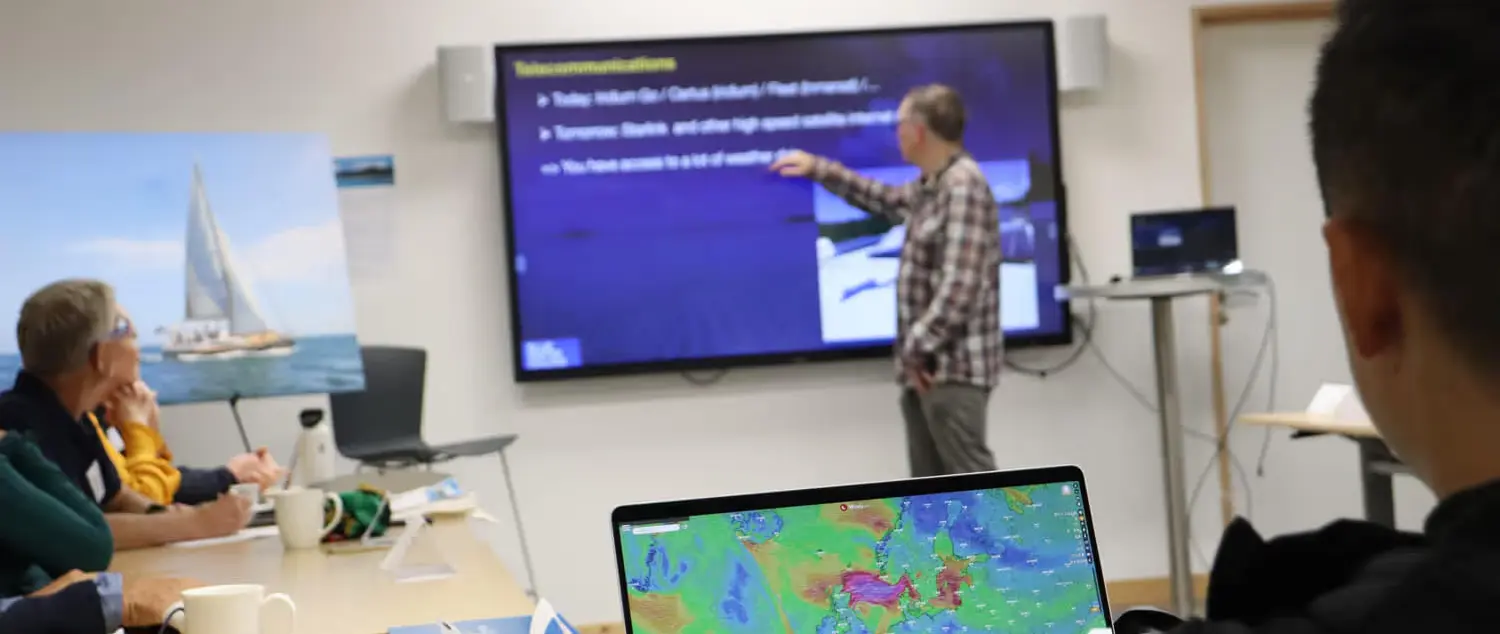
The course treats polar cruising as a technical project
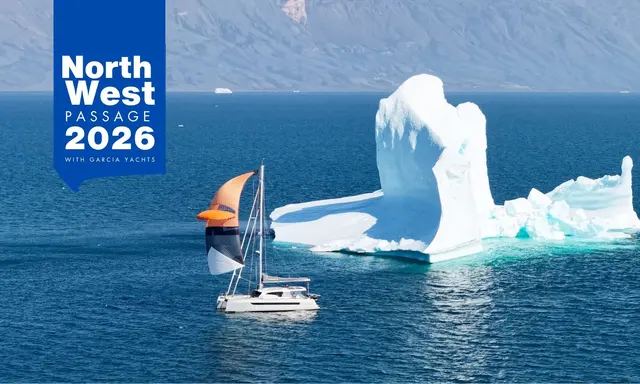
Garcia makes the point that high-latitude sailing cannot be improvised. Moving ice, poorly charted anchorages, rapidly changing weather and local regulations all require preparation that goes well beyond buying a yacht marketed as an expedition model.
The two-day format therefore concentrates on practical decision-making rather than destination inspiration. Owners are expected to understand weather, ice language, refuge planning, regulatory frameworks and the consequences of cold for both people and equipment.
Specialists cover several disciplines at once
The teaching team includes polar explorer Sébastien Roubinet, ice pilot Estelle Blet, meteorologist Christian Dumard and emergency physician Martin Oudet. Their combined experience covers route planning, ice analysis, legislation, Arctic weather, physiology and emergency response.
That breadth is useful because polar risk is rarely confined to one category. A routing decision can affect fuel, shelter, crew fatigue and medical exposure at the same time, so owners need to think across systems rather than treating navigation, safety and logistics separately.
Day two moves from theory into onboard preparation
The second day focuses on how to adapt a yacht for cold conditions, what equipment to prioritise and which emergency procedures should be established before departure. Topics include the effects of low temperatures on electronics, survival systems, shore excursions and wildlife management.
For owner-operated yachts, this preparation is especially important because there may be no specialist engineer or medic aboard. The crew needs enough knowledge to recognise problems early and preserve options before a minor technical issue becomes a serious expedition constraint.
The training matches Garcia's 45–60ft ownership model
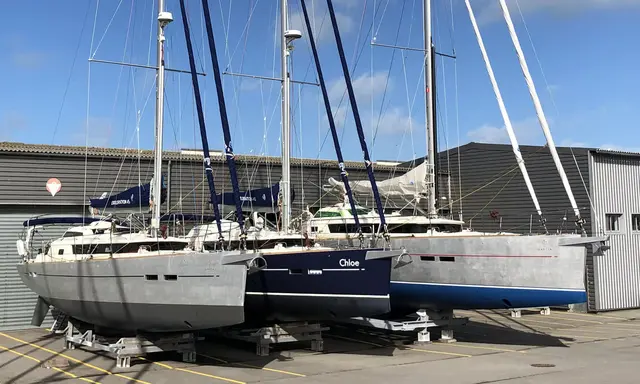
Garcia builds aluminium exploration yachts from 45 to 60 feet, all inside LYG's size boundary. The course therefore complements a fleet aimed at private owners who want to travel far without stepping into a 24-metre-plus professional-crew structure.
Training cannot remove Arctic risk, but it can reduce avoidable mistakes. The course gives owners a clearer picture of what high-latitude cruising actually demands before they commit their yacht, family and schedule to an environment where waiting and turning back are normal parts of good seamanship.
Official sources: www.garciayachts.com.