Flux Marine refines a commercial electric outboard
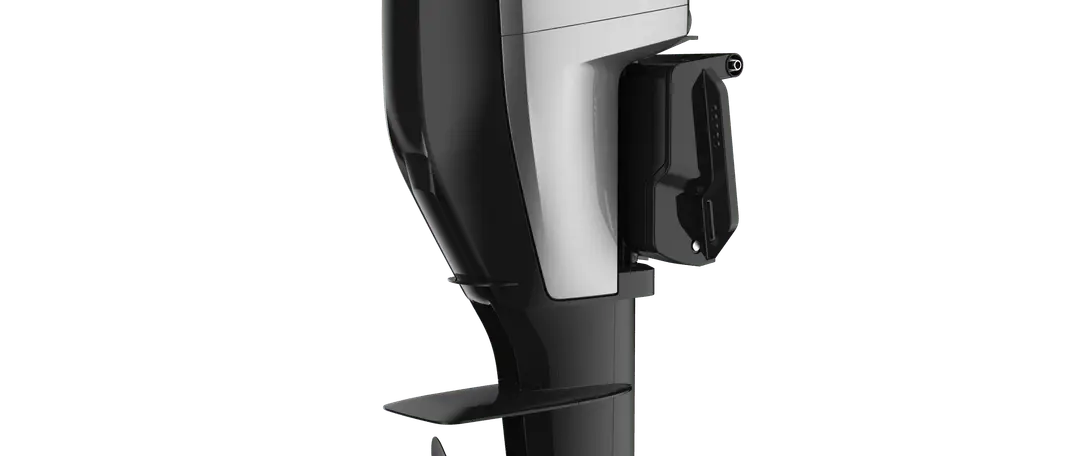
Flux Marine has highlighted the latest version of its FM1 electric outboard as a drop-in propulsion option for production boatbuilders, following a detailed product profile published by IBEX on 14 October 2026. The Rhode Island company says the system is designed to mount on a standard transom and work with existing steering and rigging arrangements, reducing the need for builders to redesign established hulls around electric propulsion.
The announcement concerns refinement and wider availability of an existing commercial platform, not an entirely new motor being launched for the first time. Flux says its equipment has completed two full commercial seasons and is already fitted to vessels from several boatbuilders. This year's emphasis is on consistent manufacturing, integration and regulatory access on both sides of the Atlantic.
Designed around existing production lines
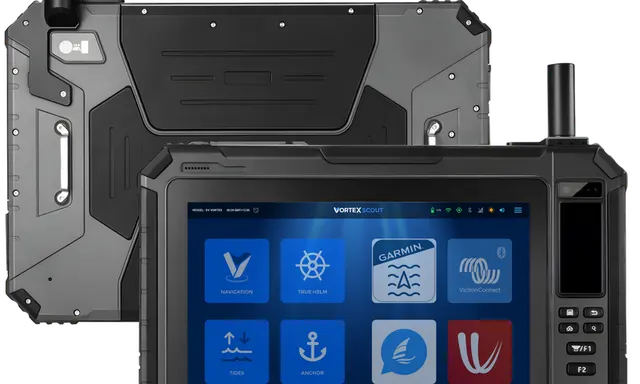
A conventional petrol outboard can be replaced only if the mounting structure, steering and control systems are suitable. Flux has developed FM1 to fit familiar installation patterns, allowing boatbuilders to consider an electric option without automatically commissioning a custom stern arrangement. The company also intends the controls to be familiar, with key system information visible through Garmin chartplotter displays at the helm.
That does not mean every older vessel can be converted without additional engineering. High-voltage batteries, cabling, charging facilities and weight distribution still require careful planning. The claim of a drop-in outboard is principally about making the propulsion unit easier to mount and integrate; customers should obtain a proper compatibility assessment for the particular boat before ordering.
Power and the difference between acceleration and cruising
The FM1 provides 115 horsepower of continuous output at the propeller, according to the manufacturer's current technical information. Flux describes acceleration comparable to a 175-horsepower combustion outboard, reflecting the instant torque available from its electric drive. These are two different measures and should not be presented as equivalent continuous horsepower ratings.
Real-world speed and running time depend on the hull, loading, propeller, weather and the installed batteries. The company's demonstration boats provide examples, not universal performance guarantees. Anyone comparing FM1 with an existing petrol engine should look at continuous propulsion requirements, acceleration, expected range and the ability to recharge at the destinations on the intended cruising route.
An original drivetrain rather than an adapted casing
Flux says its engineering team developed the outboard from a blank sheet, placing the electric motor above the waterline and using a purpose-built lower unit with belt drive. The assembly also incorporates closed-loop cooling with active feedback, avoiding the conventional requirement for seawater intake through the engine's cooling circuit. The design seeks to reduce hydrodynamic drag while keeping important components accessible.
The powerhead combines the charger, inverter and motor controller, simplifying the arrangement of several important systems. Fewer moving parts can reduce some routine maintenance tasks, including oil changes associated with combustion engines, but the outboard still needs inspection and appropriate professional servicing. Buyers should distinguish the manufacturer's stated design benefits from independent long-term reliability measurements.
Modular battery packs and real range decisions
A typical FM1 installation uses three Flux battery modules with a combined capacity of 84 kilowatt-hours, although the company says capacity can be adjusted according to the boat and planned use. Each module is approximately 32 by 17 by 12 inches, enabling installers to position energy storage within a suitable compartment. The battery management system is developed in-house to coordinate with the motor and its software.
Modular equipment can help adapt propulsion to different hulls, but total battery mass, ventilation, structural support and safe electrical protection still need design consideration. An 84-kilowatt-hour label does not establish the distance a boat will travel in all conditions. Owners should evaluate the energy required for the speed and duration of their normal journeys, with suitable reserves and alternative plans.
Connected controls and charging
The outboard's integrated system presents range estimates, battery state and efficient operating speeds on a connected Garmin display. Flux also offers a mobile application for checking information such as charge level, vessel location and system condition away from the boat. Software updates can be delivered remotely, helping the manufacturer make supported changes without requiring every adjustment to take place at a workshop.
The system is designed to charge using compatible shore-power arrangements, including standard alternating-current supply and suitable direct-current fast charging. The practical charging time will depend on the connection and battery configuration rather than a fixed universal figure. Access to sufficient dockside electricity is a particularly important consideration for owners planning longer trips or operating boats on a demanding daily timetable.
European certification expands the market
In July 2026, Flux Marine reported that FM1 and its modular battery system received CE marking under five European regulatory frameworks relevant to electric marine propulsion, including recreational craft, low voltage, electromagnetic compatibility, radio equipment and batteries. The company says this enables the same underlying system to be offered to builders and dealers serving both European and North American markets.
CE marking is a meaningful regulatory milestone, but owners and installers still need to ensure that the completed vessel and individual installation comply with applicable requirements. The latest IBEX profile also notes existing relationships with Scout Boats, Highfield, Flagship Pontoon, Hyfoil and Zodiac. Those examples show commercial deployment while leaving performance and compatibility questions for each specific hull.
What the 2026 production changes mean
Flux reports more than 75,000 kilometres of customer operation across fresh and salt water, following beta testing during 2023 and 2024 and subsequent commercial seasons. Its 2026 revisions focus on improvements intended to support higher manufacturing volumes and more consistent systems. Every FM1 outboard is designed and built in Bristol, Rhode Island, according to the company.
For boatbuilders, the most important potential benefit is being able to offer electric propulsion within familiar production arrangements. For owners, it is a chance to assess quiet operation, reduced exhaust at the point of use and different maintenance requirements against cost, weight, range and charging access. The new IBEX profile gives a timely update on a commercial product, while the manufacturer's detailed specifications remain essential before any purchase decision.