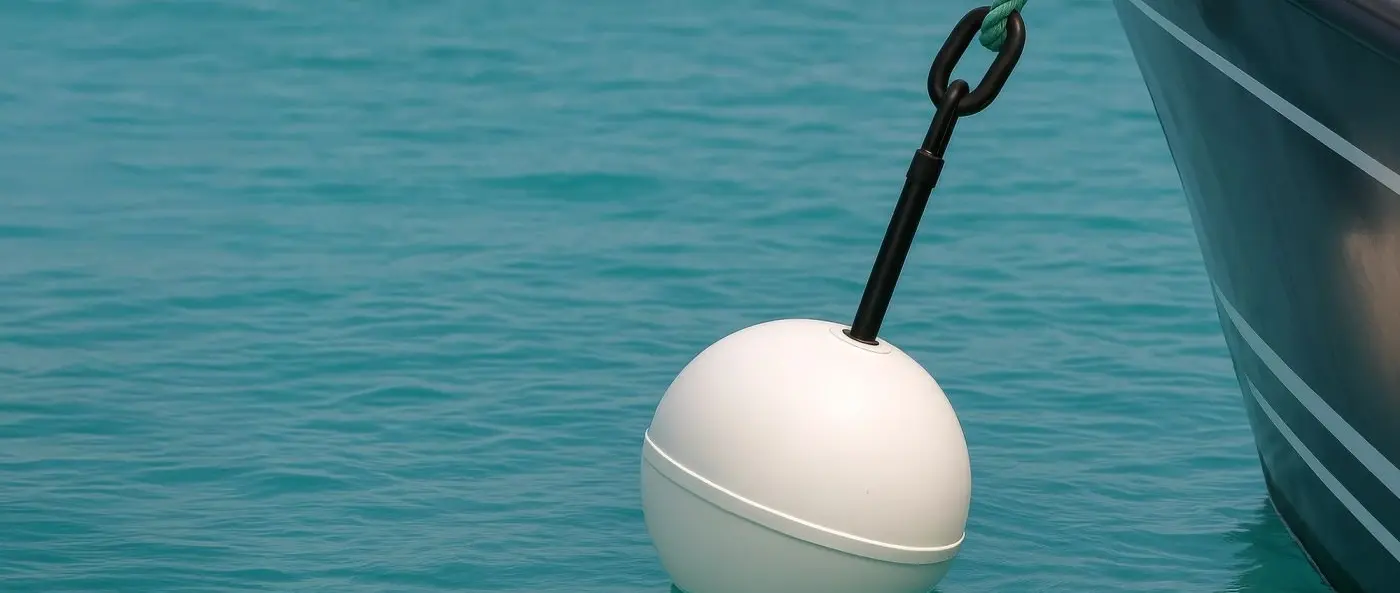
A different approach to permanent yacht moorings
Mermaid-K is presenting its Advanced Sustainable Mooring System as an alternative to conventional chain arrangements that can scour sensitive seabed habitats. The company's October industry coverage highlights the effort to combine vessel security with environmental protection.
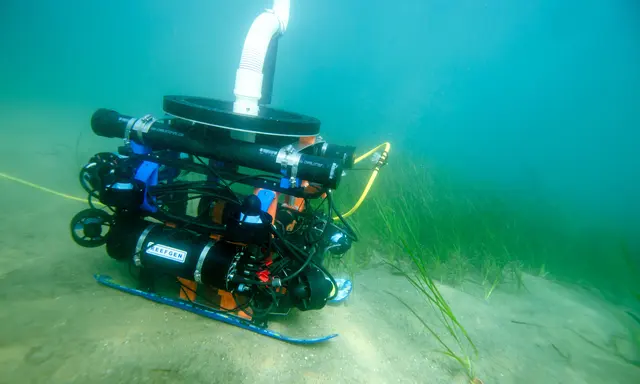
Seagrass beds and other shallow-water habitats can be damaged when chains drag around a sinker in changing wind or tide. The manufacturer's design aims to minimise that movement and keep the mooring system raised above the bottom where conditions permit.
A combination of specialised components
The system combines a Seaflex tensile unit, Dyneema rope, Rotax buoys and a seabed interface designed around non-leaching concrete. An optional ARC Marine Reef Cube arrangement provides additional surface that the maker says may help marine life establish itself.
Mermaid-K states that its components are selected with recyclability and long service life in mind. It offers a ten-year warranty, although actual performance will depend on proper engineering, installation and periodic inspections.
Environmental claims require site assessment
The developer says Dyneema fibre uses recycled content and provides a reduced carbon footprint against some conventional alternatives. Such claims should be evaluated against the full project specification rather than assumed to apply equally to every mooring location.
A mooring must also withstand vessel loads, tides and local seabed conditions. Eco-conscious materials alone are not a substitute for competent mooring design or permission from the relevant harbour or coastal authority.
Early deployments offer practical examples
Mermaid-K cites installations at Seaview in the Solent, in St Catherine's Bay in Jersey and at Stanley Harbour in the Falkland Islands. Its project information also describes a system used at Loch Craignish to support seabed restoration activity.
The sites represent different marine environments, including a harbour with a large tidal range. Long-term monitoring of habitat effects and maintenance needs will be important when comparing the system with conventional moorings.
Why owners and marinas may be interested
For a yacht owner, a mooring that reduces abrasion and seabed disturbance could be attractive in environmentally sensitive cruising areas. Marina and harbour operators may also value the prospect of reusable components and planned servicing.
The product is an alternative for permanent or managed moorings, not a justification for anchoring without regard to local regulations. Appropriate capacity, approval and maintenance remain essential regardless of the technology selected.