Mediterranean seagrass restoration planned
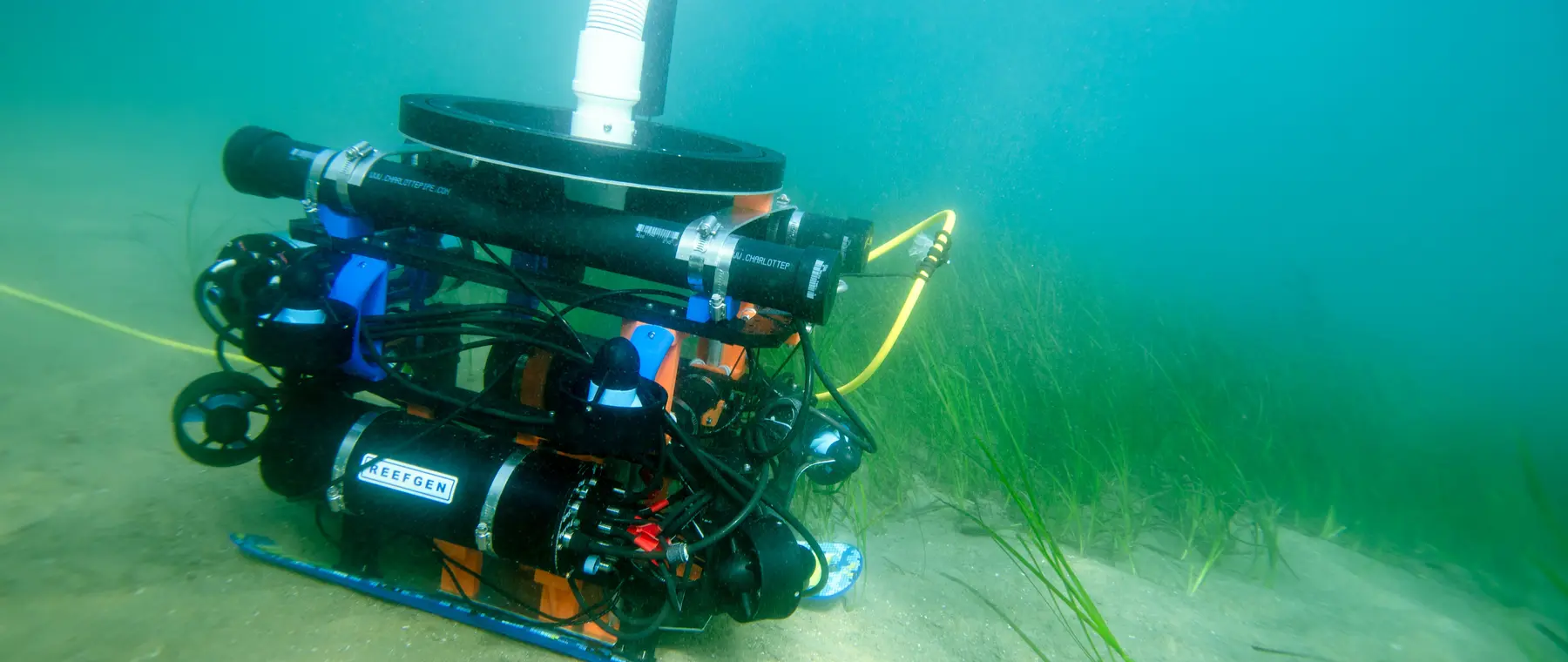
Underwater restoration company Reefgen is preparing to test its Grasshopper planting robot in the Mediterranean in 2027. A report published on 15 October identifies the Gulf of Trieste as the location for the planned trial with researchers from the Miramare Marine Protected Area.
The work is aimed at restoring seabed vegetation damaged by multiple pressures, including anchoring, pollution and warming seas. The announcement is a proposed regional trial, not evidence that large-scale planting has already been completed in the Mediterranean.
What the Grasshopper robot does
Grasshopper is a remotely operated underwater device that places seagrass seeds or shoots into selected areas of sediment. Its purpose is to automate a task previously carried out mainly by divers and researchers working across the seabed.
Reefgen presents the system as a way to scale up restoration while reducing labour intensity. The robot still requires carefully selected planting sites, suitable environmental conditions and scientific monitoring to establish whether new growth survives.
Earlier planting trials provide evidence
The technology has been used in the United Kingdom and North America, including a restoration project near Dale in Wales. The Welsh programme planted about 25,000 seeds across roughly 200 square metres of seabed, with a new area of vegetation observed during subsequent monitoring.
Such results are encouraging but cannot be transferred automatically to a different species or habitat. Mediterranean Posidonia oceanica meadows face different ecological conditions, so a local trial will need its own results and independent assessment.
Why yacht anchoring matters
Seagrass meadows provide habitat for marine life, reduce erosion and store carbon within coastal ecosystems. Anchors and chains can damage individual plants and scar the seabed, particularly where boats repeatedly use sensitive bays without appropriate mooring infrastructure.
For boat owners, the first priority remains avoiding damage rather than assuming that a robot will repair the impact later. Designated moorings, local regulations and up-to-date anchoring information are essential elements of responsible cruising.
Next stage is a Gulf of Trieste trial
The first Mediterranean trial is expected in 2027 with researchers associated with the Miramare Marine Protected Area. Details of the final area planted, biological survival and any wider rollout have not yet been established in the announcement.
The project is relevant to yacht owners because effective restoration could eventually help damaged boating destinations recover. Even so, preventive protection of existing seagrass remains more reliable than waiting for future restoration technologies to mature.