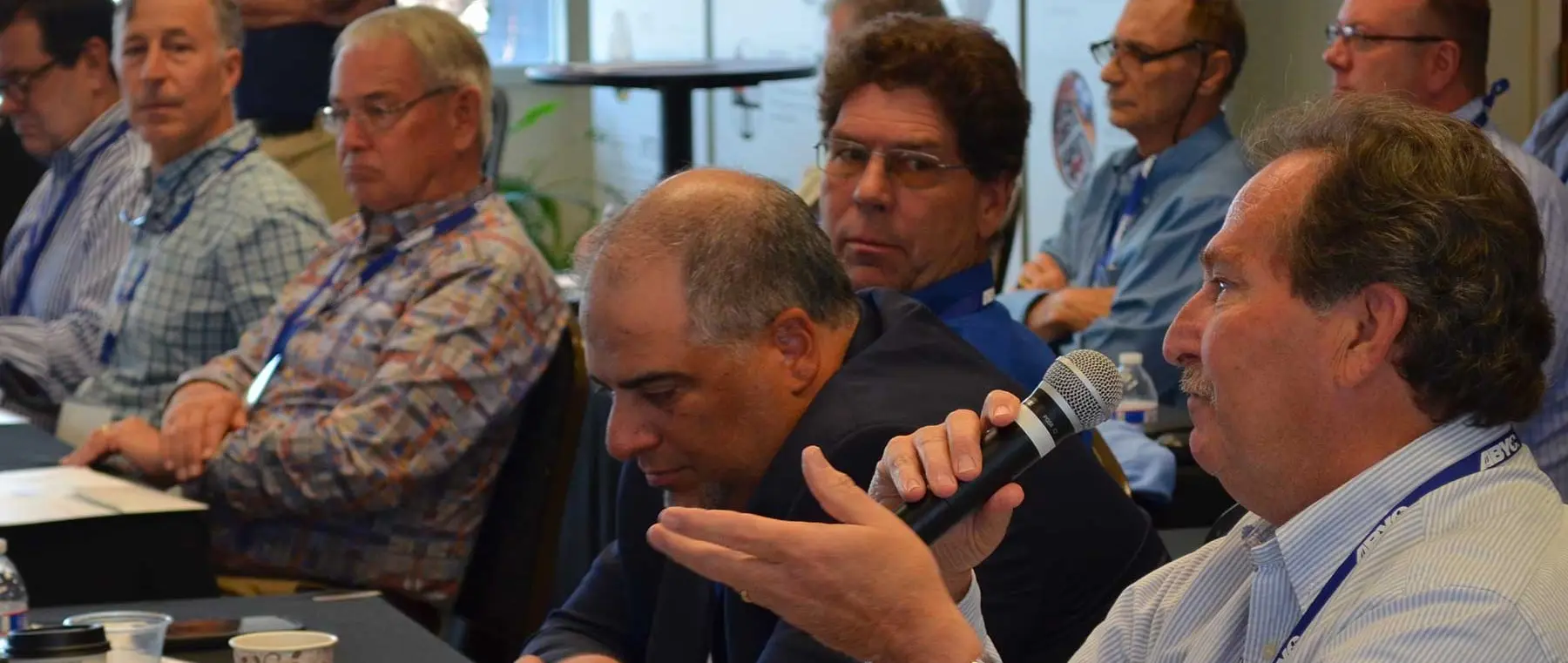
ABYC opens its next SUR/TECH programme
The American Boat & Yacht Council has invited presentation proposals for SUR/TECH 2027, its marine service and surveying conference scheduled for 23 and 24 March next year. The two-day event will be based in Annapolis, Maryland, with a virtual attendance option for professionals unable to travel.
The invitation was announced on 15 October 2026 and asks experienced marine specialists to propose subjects that reflect the increasingly complex systems being installed aboard recreational and luxury yachts. The submission deadline is 30 November 2026, according to ABYC's official announcement.
The conference is intended for people who inspect, install, maintain and repair marine equipment, rather than for an audience interested solely in new models. ABYC says nearly 300 professionals attended its 2025 edition, including surveyors, engineers, installers, consultants and educators.
Artificial intelligence enters the technical discussion
ABYC explicitly lists artificial intelligence among its suggested subjects, with security, accuracy, privacy and risk as priorities. That framing recognises a problem facing yards and surveyors: software can assist with records and diagnostics, but its conclusions must still be tested against physical evidence and applicable standards.
In a surveying context, the important distinction is between a tool that helps find and organise information and a professional who remains responsible for interpreting a vessel's condition. A generated report cannot itself confirm the condition of an inaccessible cable run, detect a hidden leak or establish whether an installation complies with a technical requirement.
Speakers who can offer documented case studies of successful and unsuccessful applications should therefore be particularly useful. ABYC's proposal list does not claim that artificial intelligence is already an accepted substitute for inspection; it invites discussion of both its potential and its risks.
Lithium batteries and emerging electrical systems
Lithium-ion batteries, 48-volt electrical architecture and charging upgrades are prominent on the conference's proposed agenda. These developments affect more than propulsion choices because modern cruising yachts increasingly rely on battery capacity for refrigeration, communications, lighting, navigation equipment and other hotel services.
Surveyors and technical staff need to understand battery management, charge control, wiring practices and fault response in an integrated system. The advertised subjects include installation and maintenance lessons, alongside evolving standards and compliance questions that can influence both new builds and refits.
For owners, a technical conference matters indirectly through the competence of the professionals they employ. Decisions about an inverter replacement or major battery refit should be supported by qualified advice rather than by a generic product recommendation with no reference to the vessel's existing electrical design.
Surveying, diagnostics and practical case studies
The proposed programme also covers new diagnostic equipment, fuel systems, risk management, insurance discussions and legal case studies. Together these subjects reflect the breadth of problems a modern survey can uncover, from straightforward mechanical deterioration to complex interactions between electronics and safety equipment.
ABYC's emphasis on real-world lessons is valuable for professionals supporting yachts that operate away from a home marina. A system that looks acceptable in a workshop may behave differently under sustained load, in high ambient temperatures or after many hours of vibration and salt exposure.
The organisation has published a call for speakers rather than a final session timetable. Specific presenters and session titles remain to be confirmed, so none should be assumed until ABYC formally announces them.
How industry professionals can contribute
Interested speakers can submit proposals through the conference website before 30 November 2026. ABYC's event information identifies its Annapolis headquarters as the venue for in-person participation, with a hybrid format for remote attendees.
The submission window is a useful opportunity for marine surveyors, boatbuilders, engineers and equipment specialists to share verifiable evidence about current practice. Relevant topics can apply to owner-operated motor yachts, sailing cruisers and larger vessels, even where operating requirements differ.
For Luxury Yacht Guide readers, the immediate news is the opportunity for the industry's technical experts to shape the programme. ABYC has not yet published a complete list of accepted sessions, and the eventual value of the conference will depend on the quality and relevance of the case studies selected.