Second Archipelago 47 reaches its owners
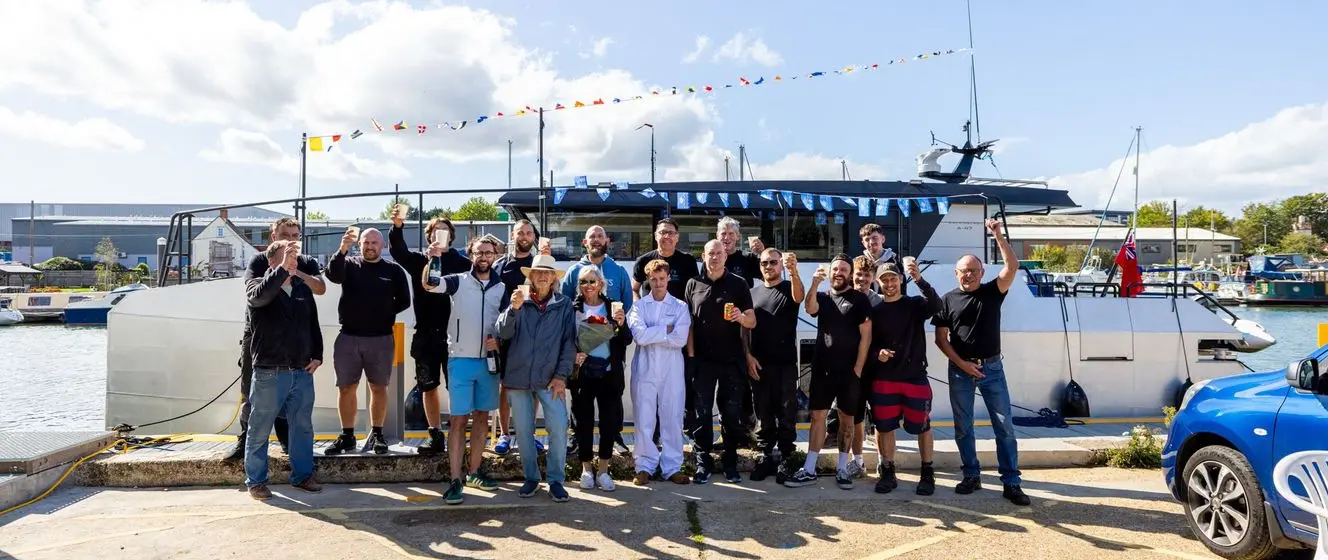
British builder Archipelago Expedition Yachts has handed over the second example of its Archipelago 47 explorer catamaran. The company announced the delivery on 15 October 2026 and shared a photograph of owners, staff and project partners alongside the completed boat. The handover moves another A47 from the yard into private ownership, rather than marking a new design launch or an order for a hull that has yet to be built.
The announcement is a milestone for a relatively young British builder focused on aluminium, long-range multihulls. There is no publicly confirmed name for the newly delivered catamaran in the material reviewed, so the vessel should be identified by its model and hull sequence. Its specific owner preferences and installed options should not be inferred from the general published specifications of the range.
A 47-foot explorer rather than a conventional cruiser
The A47 was developed as a compact explorer vessel intended to cover longer distances while offering the accommodation expected from a family cruiser. Archipelago quotes a length of about 14.5 metres and describes the boat as ocean-capable, with a twin-hull arrangement and a relatively shallow draft. Its design priorities include easy access to engineering systems and spaces suited to extended time aboard.
A multihull can provide generous beam and usable deck areas compared with a similarly long monohull, but the real benefits depend on how the hulls, weight and interior have been arranged. A potential buyer needs to examine the actual boat and propulsion configuration before judging performance. The model's explorer designation does not replace a detailed review of stability, weather limits or operating costs.
Long range and shallow water in the brief
The builder advertises a range exceeding 3,000 nautical miles for the A47 platform and a maximum speed of up to 30 knots, depending on the arrangement chosen. The quoted draft is approximately one metre. Those figures reflect the manufacturer's range of possible specifications rather than measured sea-trial results for the second delivered vessel.
Range varies considerably with speed, load, sea state and weather, and owners planning offshore passages need fuel and reserve calculations for their actual installation. A shallow draft may widen access to anchorages, but it does not eliminate underwater hazards. Piloting requirements, tidal variations and the boat's true operating draft still have to be considered in each destination.
Aluminium construction underpins the approach
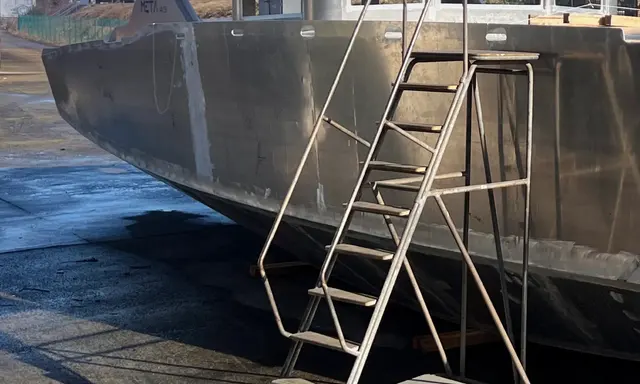
Archipelago promotes aluminium hull construction as part of its expedition philosophy. The material can be strong and repairable, and the yard describes flexibility for owners seeking different layouts or equipment. The builder also emphasises accessible technical systems so that routine inspections and servicing remain practical for a boat intended to venture beyond familiar marina facilities.
Aluminium construction still requires specialist knowledge in fabrication, corrosion management and the installation of dissimilar metals and electrical systems. Its potential for recyclability does not by itself establish the full environmental impact of a finished yacht. Buyers should evaluate design, build quality and maintenance needs as a complete package rather than treat hull material alone as proof of an expedition boat's capabilities.
A separated helm and living environment
The A47 includes a layout concept that separates the wheelhouse from the main saloon. Archipelago describes this as a way to let the watchkeeper operate in a darker helm environment at night while family and friends use the illuminated lounge. It is a practical consideration on a longer passage, when glare on bridge windows can become distracting and difficult to manage.
The builder also describes features intended to make the boat usable in cooler conditions, including underfloor heating and domestic spaces arranged for extended time aboard. That makes the design relevant to owners who want more than summer day trips. The precise heating equipment, insulation and power demand should be confirmed for the delivered hull rather than assumed from the available model brochure.
Accommodation and owner customisation
The published A47 concept can accommodate up to eight people, and Archipelago offers substantial flexibility to owners when defining interiors and systems. The builder says each commission includes time with naval architects to adjust arrangements within the design. Such an approach may appeal to families who have particular storage, work or accessibility requirements.
Customisation should not be mistaken for unlimited freedom to change a completed yacht. Engineering limitations, safe loading, certification and build schedules still apply. Photographs of the second hull's handover confirm that a real boat has reached its owners, but the publicly reviewed announcement does not provide a comprehensive room-by-room tour. Specific layout claims should wait for confirmed photographs or builder details.
Building a distinct British explorer range
Archipelago's broader programme includes designs named A40, A52, A63 and A80 alongside the A47. The yard promotes ocean passage capability, reduced environmental impact and flexible propulsion across the family, while different designs are at different stages of development. The second A47 handover is a completed delivery and should remain distinct from concepts, orders or future projects elsewhere in that range.
Founder Dr Stephen Weatherley has spoken about combining technical practicality with the comfort of a private yacht, reflecting his interest in more ambitious cruising. For the A47, the delivery of a second hull offers another opportunity to see whether the design can work beyond the original demonstrator. That does not establish sales totals or production forecasts for the other models.
What the latest handover establishes
The October photograph captures the team and owners gathered at the completed catamaran, marking a concrete moment in the boat's construction story. It demonstrates that another example of the A47 has been delivered, without announcing a detailed itinerary or new technical performance record. The official model information provides context for the builder's aims but not independently verified results for this individual yacht.
For buyers interested in an explorer catamaran below fifteen metres, the relevant next questions are actual sea trials, equipment specification, build options and the practical support available where they intend to cruise. The second delivery is meaningful as a completed handover, while questions about the owner's plans and the boat's exact configuration should remain open until the builder provides further detail.