An unconventional route to ocean cruising
Odd Life Crafting's Duca and Roberta have previously worked on self-built accommodation projects and an abandoned yacht restoration, sharing their progress with an online audience. Together with Oli, they are now undertaking construction of an aluminium explorer designed for longer voyages.
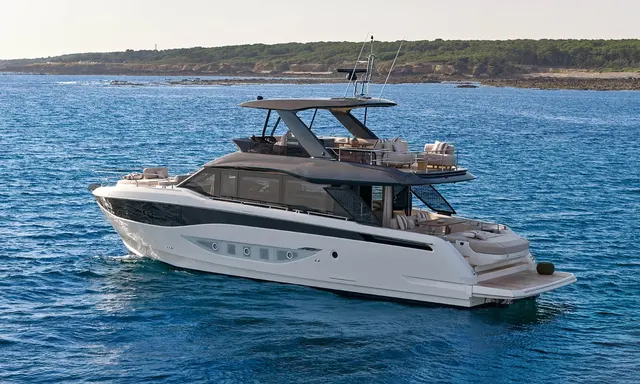
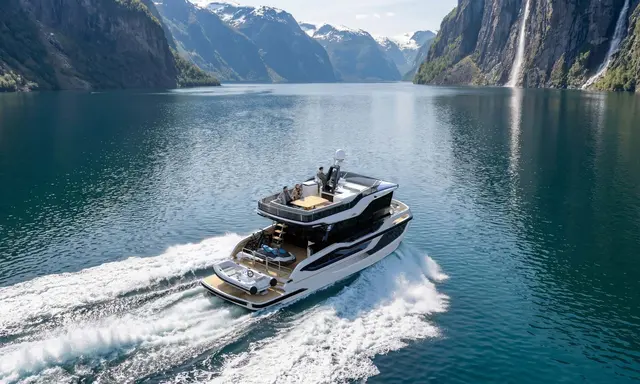
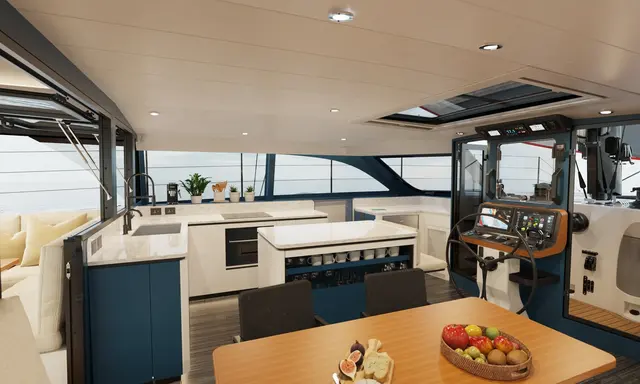
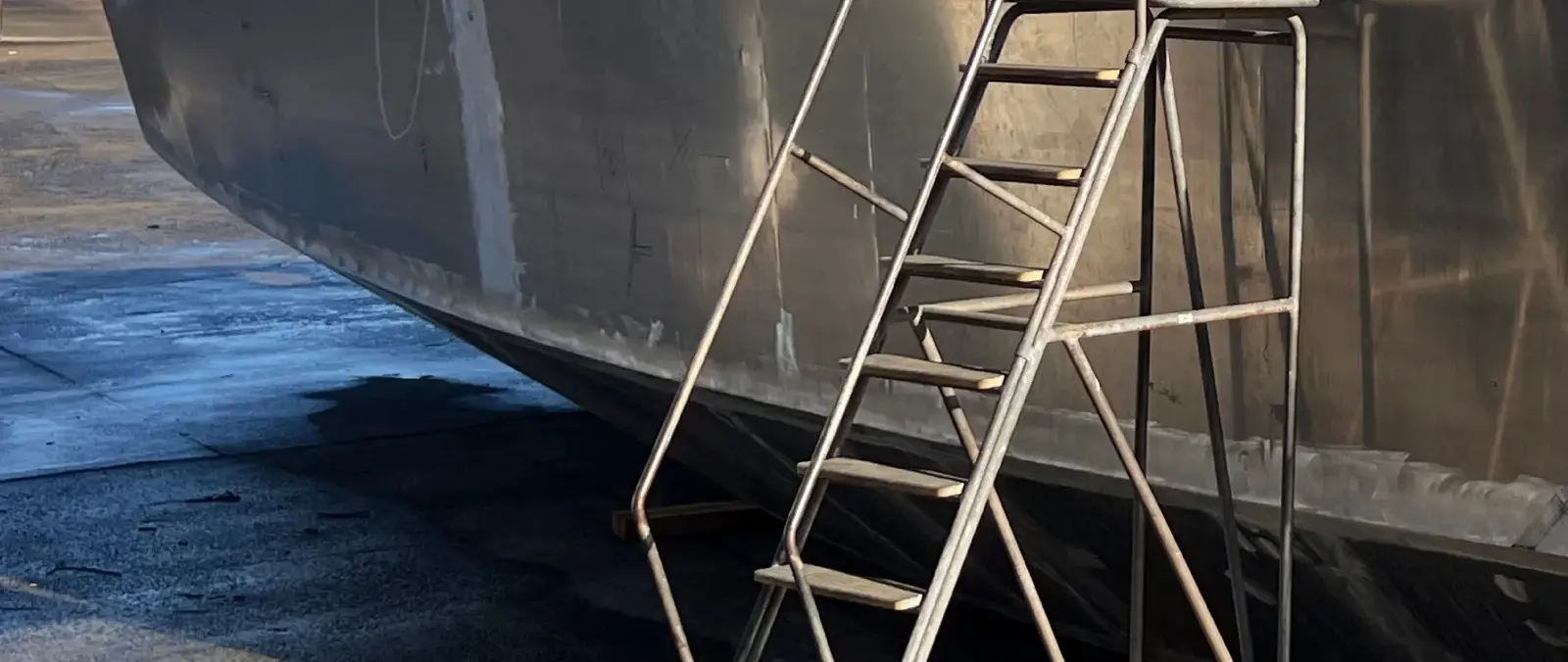
Rutgerson's September announcement concerns equipment support for the project rather than the delivery of a finished boat. The hull and cabin shown in the accompanying imagery remain part of the build process, with work still ahead before sailing.
Why a 43-foot platform is interesting
A 43-foot hull corresponds to about 13.1 metres and can provide a substantial cruising platform without the complexity of a much larger yacht. Aluminium is often considered for exploration because its structure can be engineered for durability and practical repair procedures.
Material alone does not establish seaworthiness, however. Naval architecture, welding quality, weight distribution, stability and proper technical inspection remain essential to the vessel's long-term safety.
Hardware choices shape daily life afloat
Rutgerson manufactures blocks, hatches, portlights, track systems and other sailing components. Its involvement is relevant to the many detailed choices that must be made before a new sailboat can be reliably operated by a small crew.
A deck fitting that is adequate for occasional coastal use may face different wear when passages last weeks. Builders need to specify attachment loads, access for service and compatibility with the proposed sail plan.
Building and documenting are separate disciplines
Following construction on video can reveal practical decisions about space, tools and workflow, making the project interesting to other owners considering custom work. It also exposes how many tasks must be completed before an apparently simple expedition design becomes usable.
Viewers should treat shared updates as a record of one team's process rather than a replacement for professional design or surveying advice. Essential structural decisions require competent engineering and independent checks where appropriate.
The realities of extended-range sailing
A vessel intended to travel far from its home port needs reliable water, power, navigation and emergency systems in addition to sound sailing gear. Storage and the ability to repair common failures can be more important than highly elaborate interior finishes.
Crew workload is another central consideration on a 13-metre passage-maker. Sail controls and deck layout must allow reefing and manoeuvring safely when conditions change or crew members are tired.
What happens next
Rutgerson has not announced a completion date or a final equipment specification for the vessel. The immediate news is a supplier joining an ongoing build rather than a verified launch, sea trial or finished specification.
The project's subsequent stages should show how initial design intentions translate into fitted equipment and operation. For Luxury Yacht Guide readers, its appeal lies in practical, human-scale exploration and the processes behind creating a customised sailing yacht.