A hull milestone in the Netherlands
KM Yachtbuilders has turned the aluminium hull of Grey Shark upright, an important construction milestone for the tenth Bestevaer 53 in the yard's explorer-sailing range. The shipyard confirmed the event on 9 October 2026, with the owner and his family present.
Grey Shark follows a design lineage associated with Tethys, a Bestevaer 53 built for Belgian presenter and adventurer Tom Waes. The source establishes the milestone and series count, but does not give a confirmed delivery date or imply the vessel is already afloat.
Why hull turning matters
During aluminium yacht construction, much welding and structural assembly can take place with the hull inverted. Turning it upright changes the working configuration and allows later construction stages to proceed with the structure in its intended orientation.
The operation requires lifting plans, appropriate support and careful protection of the partially completed structure. It is a visible milestone but not evidence that outfitting, systems commissioning or sea trials have been completed.
A 53-foot yacht built for exploration
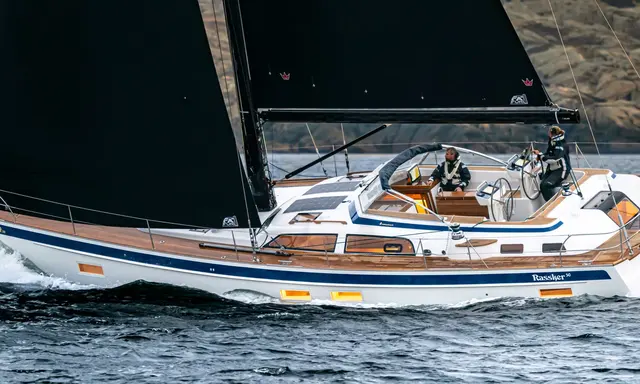
The Bestevaer 53 measures about sixteen metres, placing it squarely inside Luxury Yacht Guide's 12.00–23.99-metre range. Its aluminium construction and practical configuration are intended for owners who prioritise travel under sail.
Aluminium is valued in certain expedition sailing boats for toughness and repairability, but its use demands correct corrosion management and fabrication practice. Buyers should review the actual specification rather than infer universal offshore capability from the metal alone.
The Tethys connection
KM Yachtbuilders has used the success of the earlier Tethys to develop the Bestevaer 53 series. Continuing a design across ten builds can help a yard apply operational lessons, although individual owners may select different equipment and layouts.
A series boat is not necessarily identical from one hull to the next. Understanding structural changes, option packages and modifications made during commissioning is useful when comparing yachts that share a model designation.
Outfitting and long-range systems
Extended cruising requires secure storage, suitable energy generation, accessible machinery and reliable management of freshwater and waste. The practical quality of these arrangements may be more important than decorative finishes on a yacht intended to reach remote anchorages.
Navigation, sail-handling systems and emergency arrangements should also be matched to the crew's experience. An expedition character does not eliminate the need for appropriate training and vessel-specific preparation.
Next steps for Grey Shark
The construction milestone confirms progress on a particular owner project and illustrates continuing demand for the Bestevaer 53 design. Subsequent work will involve fitting onboard systems, completing the deck and accommodation and testing the boat.
For buyers interested in the series, the tenth build is a useful indication of repeat production, but commissioning evidence and sea trials remain necessary before performance claims can be confirmed. This should be confirmed from the current technical and commercial information available for the specific yacht or product.
Owner priorities in explorer yachtbuilding
Explorer sailing boats benefit from good access to essential systems, strong protection for exposed equipment and onboard storage appropriate to the journey. The layout should enable routine inspections without extensive dismantling.
An owner ordering a custom or semi-custom yacht should examine written specifications and record choices before construction progresses too far. Major changes late in a build can create delays and complicate engineering.