Another owner chooses the New Zealand yard
Circa Marine has reportedly secured a contract for a third yacht in its 24-metre Explorer family, with the new vessel commissioned by an American owner and construction under way in Whangārei, New Zealand. The sale was arranged through the builder's exclusive sales representative, Ocean Vault, with director Shaun Sutherland overseeing the process from the initial enquiry to contract.
The keel was reported to have been laid, while completion was projected over an approximately eighteen-month build period from the announcement. Those are separate milestones: an order and the start of construction do not mean a finished yacht has been delivered. No exact handover date should be inferred without a subsequent builder update.
The model name is not the only length measure
Circa's official range describes its 24-metre Adventurer family with an overall length of approximately 26 metres and an ICLL-related measurement of 23.6 metres. Those are different ways of describing the vessel, and the difference matters when considering berthing, classification and other regulatory requirements.
A casual reference to a 24-metre yacht may identify a design family rather than the measurement used by a port or flag administration. Buyers need the definitive particulars for their own hull rather than assuming the model name is the appropriate legal measurement.
An owner travelled to inspect the first yacht
According to the reported transaction history, the new buyer made an international search for a suitable explorer yacht and visited Whangārei, where an inspection of the first vessel in the Circa Explorer series helped establish confidence in the design and build quality.
This is a useful example of the value of seeing a comparable completed yacht. Drawings and specifications explain intended systems, but a visit can reveal how accommodation, engineering spaces and construction details work in practice. An owner can also ask more informed questions after inspecting real access routes and equipment.
The original enquiry was for a different type
Trade reporting describes discussions beginning after the prospective owner expressed interest in an FPB64. The search subsequently moved toward a custom Circa Explorer project, reflecting a different balance of accommodation and operating priorities.
This sequence does not mean the two yacht types are identical or that one is objectively superior. An owner may change direction as they understand their requirements more clearly. The important part of a successful buying process is matching the vessel to the planned voyages rather than retaining the first idea.
A 24-metre family with long-range ambitions
Circa Marine markets the Adventurer as an aluminium passage-making yacht intended for offshore travel, with particular emphasis on efficiency, serviceability and predictable behaviour. The builder's official material describes a platform shaped by years of experience with vessels designed for extended voyages.
Marketing language about confidence at sea should be supported by technical details. Owners should ask for the stability documentation, structural information and operating limits relevant to a particular boat. No yacht can promise freedom from poor weather, maintenance issues or navigational risk.
Twin Scania engines form the propulsion brief
The official model information lists twin Scania DI09 engines in the 24-metre Adventurer arrangement, paired with large propellers intended to improve efficient propulsion. This is a manufacturer-stated standard design approach rather than an independently measured specification for the new American owner's particular build.
Custom projects may differ in equipment and layout. A buyer should obtain the propulsion details in the final contract and understand the consequences for servicing, spare parts and operation in remote regions.
The builder's quoted cruising figure
Circa lists a nominal cruising speed of approximately eleven knots and a published range target of around five thousand nautical miles for the 24-metre Adventurer platform. These numbers should be read as the company's design and specification figures rather than a guaranteed performance result under every load and sea state.
Endurance depends on fuel reserves, machinery condition, speed and the weather experienced. In practice, a prudent captain needs an operating plan that includes suitable margins and alternatives. The exact new-build yacht must be tested and documented before its own capability can be confirmed.
Fuel and freshwater provisions are important
The manufacturer's model page lists roughly 11,000 litres of fuel and 5,000 litres of freshwater storage. Those capacities help explain why the yacht is intended for extended passages and relatively independent cruising.
Tank volumes alone cannot establish how long a crew can remain away from shore. Water use, hotel loads, generator operation and the number of people aboard all affect the outcome. Owners considering isolated destinations should review complete consumption and service plans.
Aluminium supports a practical brief
The yard specialises in aluminium vessels, valuing the material's potential durability and suitability for substantial offshore structures. Properly designed and maintained aluminium construction can be an attractive option for owners interested in service access and long-term cruising.
The material still requires careful engineering and corrosion management. Electrical isolation, coatings, fittings and inspections remain relevant. A robust structural material does not remove the need for maintenance or automatically provide the best solution for every yacht.
LOMOcean contributes to the design lineage
Circa Marine credits LOMOcean with naval-architecture work across its in-house explorer range. The relationship connects practical boatbuilding experience with specialist design expertise and helps explain the established characteristics of the yard's offshore vessels.
That does not prove the new American-owned yacht will retain every feature of earlier hulls. A custom contract can include variations that must be reviewed individually. The definitive design record should identify the agreed arrangement and the engineering implications of any changes.
Accommodation must reflect operating intentions
A large passage-making yacht might be used by a family who enjoys operating it themselves or by an owner employing professional crew. The Circa Adventurer is described as supporting more than one approach. Its internal arrangement can be tailored to different requirements.
The reported contract does not publish the new owner's cabin plan or name a professional crew. A newsroom should not assume a particular guest number or owner's suite location merely because the model can be customised. Those details need separate confirmation.
A build already under way is meaningful
The reported keel-laying and commencement of construction distinguish this order from an unbuilt concept. A project that has moved into fabrication is further advanced than one existing only in preliminary drawings, although the work may still have a long way to go.
Construction programmes can be affected by engineering changes, equipment supply and the owner's choices. A reported eighteen-month completion horizon should therefore be understood as a plan from the relevant stage of the project, not an unconditional promise.
An international customer for a regional builder
The American buyer's visit to New Zealand illustrates how owners can search globally for specialised yachtbuilding expertise. The reputation of a yard, its technical philosophy and the opportunity to examine a completed vessel may all influence such a decision.
Geographical distance also makes communication important. A foreign owner may rely on a local representative, independent surveyor or project manager to monitor progress. Written documentation and regular inspections can help bridge the distance between client and yard.
Ocean Vault's role in the transaction
Ocean Vault is identified as the yard's exclusive sales representative for these projects, with Shaun Sutherland managing the sale. A broker or sales representative can help clarify requirements, communicate with the shipyard and coordinate the steps needed to move toward a signed construction agreement.
The precise terms of the brokerage arrangement have not been made public. No commission figure or private buyer information should be inferred. The relevant reported fact is the representative's involvement in an order for the builder's third yacht in the series.
Why owners inspect engineering spaces
An expedition or adventure yacht should be judged not only by its saloon but by the ability to maintain critical machinery. The arrangement of pumps, filters, electrical systems and access hatches can affect whether a problem can be addressed at sea or only in a port.
A visit to an earlier hull offers an opportunity to evaluate practical details, although it does not establish the specification of the new contract. Buyers should ask how equipment is documented, which components are duplicated and what can be serviced without dismantling accommodation spaces.
Customisation affects long-term ownership
A yacht built for a particular owner may incorporate choices about tender handling, refrigeration, communications, navigation or accommodation. These features can make a vessel more useful, but additions introduce weight, complexity and maintenance demands.
A disciplined design process assesses those consequences before construction reaches a stage where changes become expensive. The owner and builder should agree approval procedures and a clear record of the equipment actually installed.
Operational independence has limits
A yacht designed for a long range may still need support from suppliers and technicians when travelling far from its home yard. Spare parts availability and clear service instructions can be as important as fuel capacity.
Owners considering remote voyages should review the service networks associated with the engines, generators and electronics. A manufacturer can design a capable platform without controlling the availability of every third-party component in every country.
An owner's requirements can change over time
The first years of yacht use may reveal that some spaces are used far more than expected, while others could serve a different purpose. Thoughtful layouts provide enough flexibility for equipment updates and changing family needs.
This is particularly relevant to a vessel expected to remain in service for many years. Maintenance and eventual refit should be considered during initial design rather than treated as problems for a future owner alone.
Matching the image to the subject
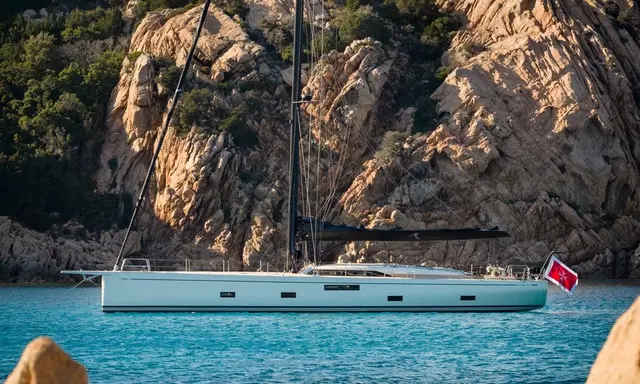
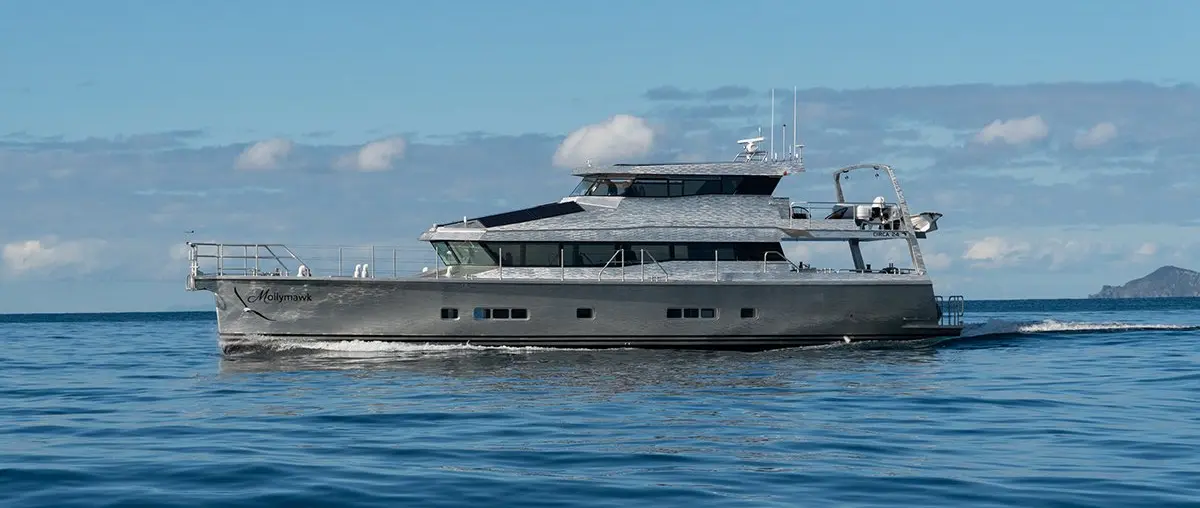
The image accompanying this report is an authentic manufacturer photograph of the Circa Adventurer range, sourced from Circa Marine's official gallery. It illustrates the type of aluminium passage-making yacht under discussion and does not claim to show the incomplete third hull or the private American owner.
That distinction is important for a construction story. Images of completed sister ships can explain a design, but only dated yard photographs can confirm progress on a particular new build. The article therefore uses the photograph as contextual manufacturer imagery with appropriate attribution.
The question of cost
The reported order does not disclose a purchase price, and no financial estimate should be generated from asking prices for other yachts. Customisation and construction terms can differ substantially between otherwise similar models.
An owner evaluating a new build should obtain a full specification, payment schedule and clarification of what is excluded from the contract. The true cost of ownership also extends beyond the construction price to registration, insurance, crew and maintenance.
What will confirm the next milestone
The next reliable updates will include build photographs, completed structural work, machinery installation, launch and sea-trial results. Each should be tied to the new yacht rather than general information about the design family.
For LYG readers, the significance of the reported third order lies in the continued appeal of a relatively compact, long-range aluminium explorer concept. The official yard specifications help explain the design's intentions, while the particular American owner's yacht remains a project under construction, with final performance and delivery still to be verified.
Primary reporting and image credit
Primary report: https://www.boatingnz.co.nz/2026/08/third-circa-marine-24m-yacht/. © Circa Marine and original photographer. Manufacturer's authentic earlier 24m Adventurer yacht photograph, illustrative of the series, not unfinished Hull 3. Image is used only for correctly attributed factual editorial coverage and never represented as open-licence stock photography.