A distinct addition to the Plus family
Cantiere del Pardo has introduced the Grand Soleil Plus 80 Performance, a new interpretation of its flagship sailing-yacht platform intended for owners who want a more performance-oriented experience alongside the comfort expected in this size segment. The Italian builder published the official announcement on 15 October 2026, identifying Matteo Polli and Nauta Design as the creative and technical partners behind the latest version.
This is a model announcement, not confirmation that a specific customer yacht was launched or delivered during November. The builder's official images illustrate the intended yacht, while details of a finished hull's equipment, certification and measured sailing performance remain matters for later production and testing. The Performance version is also distinct from the Plus 80 Long Cruise, which has already appeared in earlier yacht-industry coverage.
A new expression of the flagship
The Plus 80 Performance is presented as the more athletic member of the Grand Soleil flagship family. Cantiere del Pardo describes a balance between refined exterior lines, generous living spaces and a more direct connection to sailing. Those are design objectives rather than independently verified speed claims.
A yacht at this level has to reconcile different priorities. Owners often want rewarding steering and sail-handling characteristics, but also expect quiet accommodation, dependable systems and space for guests. The challenge is to deliver the right balance without allowing one feature to undermine the others.
Matteo Polli and Nauta Design shape the concept
The builder names Matteo Polli and Nauta Design in its account of the project. Their involvement gives the model an identified design background, although the announcement does not specify the detailed responsibility of each team for every component of the hull or interior.
When evaluating a new design, buyers should seek the definitive naval architecture and general-arrangement documents. A visual rendering communicates an intention, but proper decisions depend on dimensions, structural drawings, stability information and a practical understanding of how the yacht is expected to operate.
Performance means more than maximum speed
For a cruising sailing yacht, performance includes balance, responsiveness, control under different sail combinations and the ability to make comfortable progress in varying winds. A boat that is exceptionally fast on one point of sail may still be less suitable for the way a particular family intends to cruise.
The official announcement does not publish independently verified speed polars for the new Performance version. It would be misleading to invent a cruising speed or to claim the yacht has already beaten an existing model. Real comparisons must be based on comparable conditions and the equipment actually installed.
A relationship with the Long Cruise version
Grand Soleil is developing two clearly differentiated propositions within the Plus 80 format. The Long Cruise version emphasises extended passages and a particular approach to onboard living, while the Performance edition is presented as a more sporting alternative for owners attracted by active sailing.
This distinction should not be reduced to the suggestion that one yacht is luxurious and the other is not. Both are part of an exclusive range. Their intended uses and the owner's preferences shape choices concerning the deck arrangement, interior and sailing systems.
The Plus line's commercial foundations
The builder says the Plus line began with the GS Plus 72 and has now recorded more than twelve units sold across the family. That is a cumulative figure supplied by the manufacturer, not a claim that twelve Plus 80 Performance boats have been ordered.
A developing product family can benefit from shared experience in design, procurement and owner support. Yet each new version also brings specific technical and commercial decisions. Buyers should ask which equipment has already been proven on delivered examples and which features are particular to the new configuration.
A yacht created for personalisation
Cantiere del Pardo positions the Plus family as its most exclusive segment, aimed at yachts above sixty feet and at owners who want a high degree of choice. Personalisation may involve accommodation preferences, materials, equipment, sail handling and systems suited to the owner's cruising programme.
Custom work requires disciplined control of cost and weight. Changing an interior layout can affect technical access and crew circulation, while altering deck equipment can influence structural loads. A well-managed specification process is therefore important to achieving the individuality promised by the builder.
Exterior character and practical function
The launch images emphasise clean lines and a purposeful profile. Those features can support the visual identity of a performance cruiser, but they also need to coexist with practical matters such as access to the foredeck, safe movement under sail and the stowage of ropes and equipment.
A flush or uncluttered deck can look attractive, yet the crew must be able to carry out everyday tasks safely. Owners should examine where working loads are taken, how control lines are organised and whether frequently used fittings remain accessible for inspection.
The importance of the cockpit
The cockpit is both a social area and a place of work on a large sailing yacht. Guests may enjoy open seating while the skipper manages manoeuvres nearby. Successful design should allow the two functions to coexist without exposing passengers unnecessarily to lines or moving equipment.
The final helm arrangement and deck specifications need to be verified from the builder's detailed plans. A promotional image alone does not establish which sailing controls will be standard, which are optional or how the crew is intended to use them in challenging conditions.
Interior light as a design priority
The official announcement highlights bright living spaces and interiors intended for relaxation and entertaining. Natural light can make a yacht feel more open, particularly when guests spend long periods aboard during a cruise.
The quality of the experience depends on more than the size of a window. Glare, privacy, ventilation, thermal performance and the need to secure spaces in rough weather all affect how an interior works. These considerations should be reviewed against real layouts and materials rather than judged from renderings alone.
Accommodation choices shape the programme
Owners of large sailing yachts may plan to travel as a couple, with family, or with a professional crew. Each use places different demands on cabin sizes, access routes and storage. A yacht intended for extended family passages may require more practical stowage than one used predominantly for short summer visits.
Cantiere del Pardo has not presented every possible configuration in the source announcement. A buyer should therefore avoid assuming that a particular cabin count, owner-suite location or crew layout is guaranteed without obtaining the current plan for the chosen yacht.
The sail plan must match the owner
A larger sail inventory can broaden performance potential but may also increase complexity and expense. The most suitable configuration depends on how often the yacht will be raced, whether it will undertake long passages and the experience of the operating crew.
Owners should ask for a transparent comparison of sail-handling systems, expected loads and maintenance. The goal is not merely to maximise sail area but to produce a yacht whose full capability can be used confidently by the crew aboard.
Systems integration influences comfort
Modern luxury sailing yachts combine navigation, energy management, air conditioning, water systems and communications in limited technical spaces. Owners expect convenient controls without the operational burden of constantly troubleshooting disconnected equipment.
The new Plus 80 Performance presents an opportunity to integrate these functions early in the design. The published model announcement does not establish the make or rating of every installation, so no specific propulsion package, battery size or generator output should be attributed without a current technical specification.
Seaworthiness and stability remain central
A performance-oriented yacht still has to accommodate passengers safely in a range of conditions. Naval architecture must consider structural loads, stability, steering response and the practical limits of the rig and hull.
The word Performance is not a substitute for formal design documentation. A prospective owner should obtain the appropriate certification, loading guidance and operating recommendations for the exact build. Detailed engineering determines how the attractive design will translate into a dependable vessel.
The market for large premium sailing yachts
At the upper end of production and semi-custom sailing, buyers often compare boats according to personal preferences rather than a single standard list of features. Some value the sensation of sailing and the ability to take part in regattas; others want low-effort cruising, accommodation or charter flexibility.
Grand Soleil's dual approach can help attract these different groups within one product family. It also increases the need for clear specifications so that customers understand the meaningful differences between the Long Cruise and Performance versions before signing a contract.
Ownership demands more than the purchase price
Running a yacht in the 80-foot class requires a realistic budget for berthing, maintenance, insurance, rig inspections, sails and possible professional help. The owner may also need suitable facilities in several cruising regions.
An appealing new design is only part of the decision. Long-term service access, delivery scheduling and equipment support can strongly influence satisfaction. Buyers should ask for written clarity about warranties, spare parts and the process for addressing issues after handover.
Official imagery needs accurate labelling
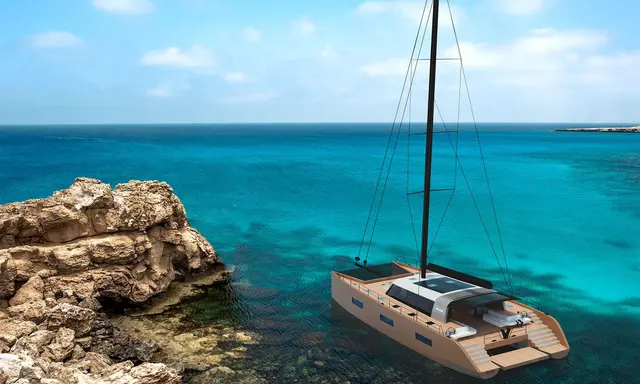
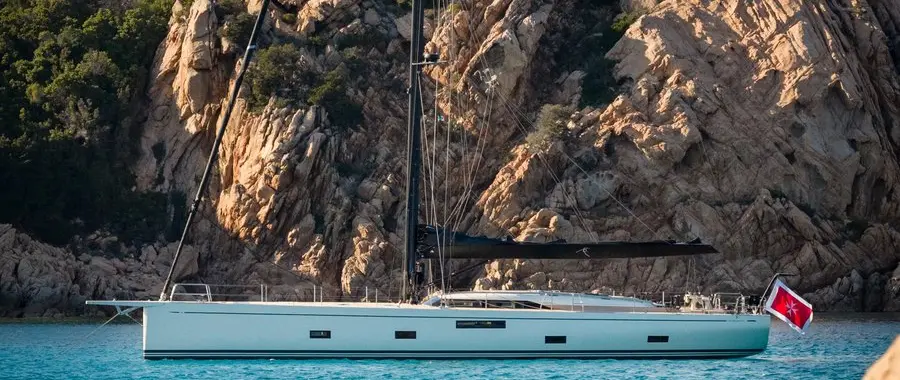
The illustration accompanying this report comes from the Grand Soleil manufacturer's own Plus 80 Performance announcement. It is an official model image rather than independent proof that a particular completed vessel was photographed on an actual voyage.
That distinction matters when a new design is still moving toward production. Subsequent photographs of a launched yacht and measured sea-trial data will provide different kinds of evidence. The builder's promotional material is useful for understanding the intended yacht, but should not be used to invent completed milestones.
A model announcement with room for detail
Cantiere del Pardo has established the Plus 80 Performance's identity, its design partners and its position beside the existing Long Cruise yacht. The initial official news does not supply a comprehensive price list, a first delivery date or a full verified performance table.
Those omissions do not make the announcement unimportant. They define what should be confirmed through later technical publications. An owner can evaluate the general concept now while preserving a clear distinction between announced features and documented production results.
The next verified milestone
The strongest next update will involve an actual build, a publicly confirmed first launch or detailed specifications for a completed yacht. It should include the date, physical vessel and relevant performance evidence, rather than repeating the October model presentation as though it had just occurred.
For LYG readers, the Grand Soleil Plus 80 Performance is a distinct addition to the premium sailing market: a sporting interpretation of an established flagship family, backed by named designers and the experience of an Italian yachtbuilder. Its promise is clear, while the completed yacht must still provide the final test.
Primary reporting and image credit
Primary report: https://www.grandsoleil.net/blogs/news/il-nuovo-grand-soleil-plus-80. © Grand Soleil / Cantiere del Pardo and its original design photographers. Official Plus 80 Performance visual, not a first delivery photograph. Image is used only for correctly attributed factual editorial coverage and never represented as open-licence stock photography.