Berthon International has confirmed that three new sailing yachts are under construction in its November 2026 sales update, published on 27 November. Two Pegasus yachts, identified by the dealer as Hull 21 and Hull 22, are scheduled for launch in January and June 2027 respectively. A CNB 62 being constructed at the Solaris shipyard is expected to launch in July. These are planned milestones rather than completed launches or confirmed delivery dates. The announcement offers a useful indication of current activity in the bluewater and luxury sailing yacht market, particularly among builders serving owners who value substantial accommodation combined with the ability to undertake extended passages.
Two Pegasus hulls in production
The dealer identifies the Pegasus builds by hull number but does not specify their individual models, propulsion configurations, owners or contractual delivery arrangements. It is consequently appropriate to describe the boats as Pegasus Hull 21 and Hull 22 rather than assign a particular model to them on the basis of the manufacturer's existing range. The January and June dates establish the present launch targets and should be understood in that context.
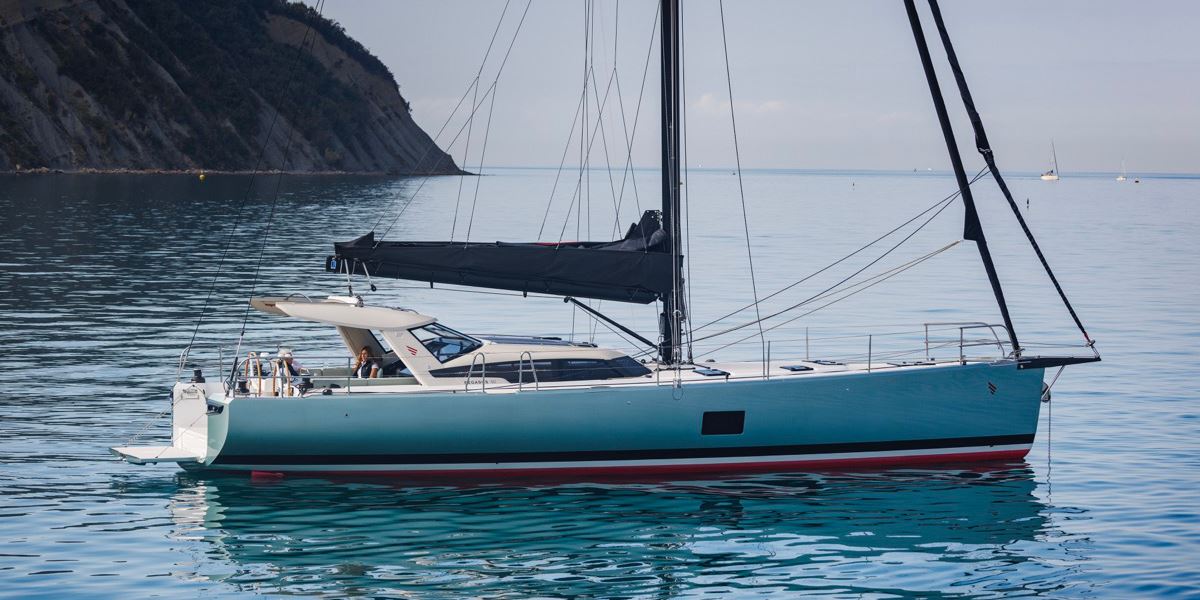
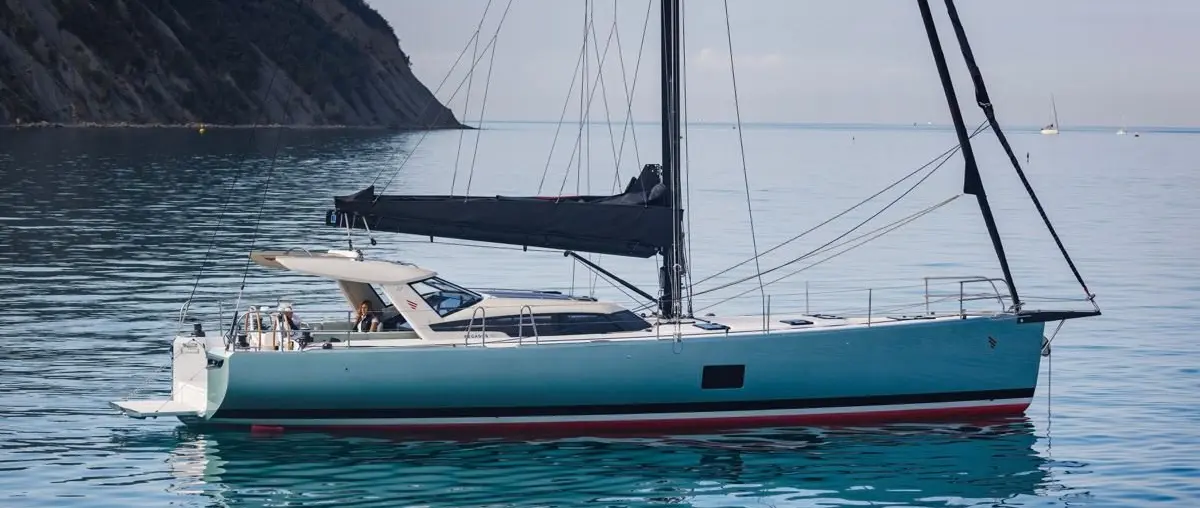
Pegasus Yachts markets two sailing yacht designs, the Pegasus 50 and Pegasus 67, both intended for extended cruising. The dealer's separate model information provides context for understanding the kind of yachts represented by the brand. It does not establish the specification of either of the two announced hulls. The contextual photograph accompanying this article depicts a Pegasus 50 from the dealer's published model material, not one of the two individual boats currently under construction.
Launch milestones and the production programme
The separation of the two planned Pegasus launches by approximately five months provides a useful indication of the schedule currently reported by the dealer. It does not establish the time required to construct a complete individual boat, because the hulls may have entered production at different times and may be at different stages of outfitting. The announcement contains no detailed production timeline.
Launching is a particularly visible stage of yacht construction, but it is not necessarily synonymous with completion or transfer to the owner. Subsequent commissioning, testing and rectification of defects may form part of the remaining programme. Buyers should distinguish the target launch date from contractual milestones associated with acceptance and delivery. A construction update is valuable for monitoring the progress of a project, while the actual completion of agreed work needs to be established through the appropriate documentation and inspection.
The CNB 62 at the Solaris shipyard
Berthon also reports that a CNB 62 is in build at the Solaris shipyard, with a launch planned for July 2027. The announcement does not identify the hull number, the owner's chosen layout or the particular equipment fitted to the vessel. The news follows the model's world premiere at Cannes in 2026 and therefore concerns the progress of production rather than the initial presentation of the design.
A new 62-foot sailing yacht occupies an interesting position in the luxury sailing market. It offers the potential for substantial private accommodation and living areas while remaining below the length threshold normally associated with larger superyachts. The actual arrangement of cabins, machinery and service spaces can vary according to the design and specification. The forthcoming launch will provide a further reference point for the model's development, but no independent assessment of the individual yacht is yet available.
Pegasus and the sheltered cockpit
The manufacturer's current range offers useful context for the ownership approach behind the Pegasus projects. The company places considerable emphasis on shelter for the cockpit and a close relationship between the principal interior living area and the helm. Its description identifies fixed glazing at the forward part of the cockpit and a hardtop arrangement, with provisions for ventilation when the conditions permit.
Such a layout can be particularly interesting to an owner intending to spend time aboard in several climatic regions. The opportunity to move between the sheltered interior and the working areas of the yacht without a substantial change in level may contribute to everyday convenience. The effectiveness of a specific arrangement depends on its actual dimensions, visibility and ventilation. Prospective owners should examine the physical yacht and establish how the equipment functions in the conditions relevant to their intended programme.
A connected living area
Pegasus describes a sliding door and two steps connecting the saloon with the cockpit in its general design material. The intention is to reduce the separation between people operating the yacht and those occupying the principal living space. The company also highlights the panoramic view from its interior navigation station. These elements reflect an approach to bluewater cruising that treats the working and residential aspects of the yacht as closely connected.
A prospective purchaser should evaluate the arrangement with reference to the way the vessel is likely to be used, including the circumstances in which the yacht is sailing with a relatively small crew. An interior navigation station is not a substitute for appropriate watchkeeping and the use of suitable information and equipment. Its usefulness depends on the actual visibility available and the procedures adopted aboard. The manufacturer's current design material helps explain the intention behind the architecture without establishing the performance of either of the new builds.
An established 14.98-metre platform
Berthon's separate Pegasus 50 model description gives a maximum length of 14.98 metres and a beam of 4.83 metres. It describes composite construction incorporating carbon, a carbon mast and a tandem keel. The design's raised living space and protected helm distinguish it from more conventional arrangements of a similar overall length.
The dealer lists an approximate standard draft of 2.35 metres and identifies a dry weight of approximately 12,300 kilograms for the diesel configuration, excluding the effects of options and the onboard inventory. Those figures apply to the model description and should not be attributed to Hull 21 or Hull 22. They provide a useful context for evaluating the market segment served by Pegasus. Actual dimensions, weights and the selected equipment of an individual yacht should be established from its contractual specification.
Diesel and electric configuration choices
The Pegasus 50 is marketed in diesel and electric configurations. The dealer identifies a Volvo D2-75 saildrive for the diesel version and two 15-kilowatt ServoProp units for the electric configuration. The published figures also indicate different dry weights and keel weights for the two arrangements. The available choices illustrate the need to consider the propulsion system as part of a complete yacht design rather than regard it as a simple exchange of one engine for another.
A purchaser evaluating different configurations should establish the actual energy storage, generation equipment, propulsion requirements and arrangements for maintenance. Published nominal motor output does not by itself establish the yacht's achievable range under power. Conditions, speed, displacement and the energy demands of the wider vessel must also be considered. Berthon's November build announcement does not specify which configuration, if either, has been selected for the individual yachts in production.
Equipment and commissioning
Pegasus highlights a broad equipment package in its general marketing material, including freshwater production, renewable energy generation, battery storage, navigation equipment and household appliances. The company describes its approach as including preparation and commissioning of the yacht before the owner begins operating it. This is of interest to buyers planning extended cruising because the integration of the various systems is an important part of the completed vessel.
The actual equipment to be supplied should be defined in the individual purchase documentation. The suitability of each system depends on the intended operation of the yacht and the compatibility of its components. Commissioning should establish that the installed systems function together as intended, while the owner and crew should receive the relevant operating and maintenance information. The published build dates provide a useful planning reference for such work without establishing that any particular test has already been completed.
What a delivery programme should establish
For an owner commissioning a yacht, the period leading up to launch is an opportunity to review outstanding choices, inspect relevant work and agree the documentation needed for acceptance. The appropriate process depends on the contract and the nature of the project. The planned launch of a vessel may be followed by a separate series of checks addressing propulsion, electrical systems, rigging, accommodation and the operation of installed equipment.
The dealer's announcement provides no evidence of delays or other difficulties affecting the three yachts. Equally, the dates should not be treated as guarantees of future completion. Buyers planning their first cruising season should establish the actual delivery arrangements and allow for the work required to prepare the yacht for its intended use. The distinction between a public build update and the individual contractual programme is particularly important when several separate projects are described together.
The next construction milestones
The three yachts identified in Berthon's November report are expected to reach launch milestones during the first seven months of 2027. Pegasus Hull 21 is currently scheduled for January, Hull 22 for June and the CNB 62 for July. The announcement provides a specific indication of activity in the luxury sailing yacht sector without establishing the final configuration or delivery date of any of the vessels.
Luxury Yacht Guide has not independently inspected the builds or verified their stages of completion. The build information comes from Berthon's 27 November update, with contextual Pegasus model information drawn from the dealer's separate published specification. The accompanying photograph illustrates the existing Pegasus 50 design and is not represented as a photograph of either individual new hull. Further details will need to be established from the builder or dealer as the projects approach their announced launch dates.
Related Luxury Yacht Guide reporting
- Hallberg-Rassy Marks 27 Years of Atlantic Rally Support
- Baltic 80 Café Racer Build Advances as 23.98m Sailing Yacht Targets 2027 Delivery
- Dufour Releases First Official 39 Sailing Photographs Ahead of December Yard Visits
- Fountaine Pajot Releases First FPY70S Sailing Photographs
Primary reporting and image credit
Primary source(s): https://www.berthoninternational.com/berthon-blog/november-2026-from-yacht-listings-offshore-cruising-to-boot-dusseldorf-2027/. Berthon International / Pegasus Yachts; contextual Pegasus 50 model photograph, not the individual hulls under construction. Image is used only for correctly attributed factual editorial coverage and never represented as open-licence stock photography. Original source image.