A bar rooted in its island setting
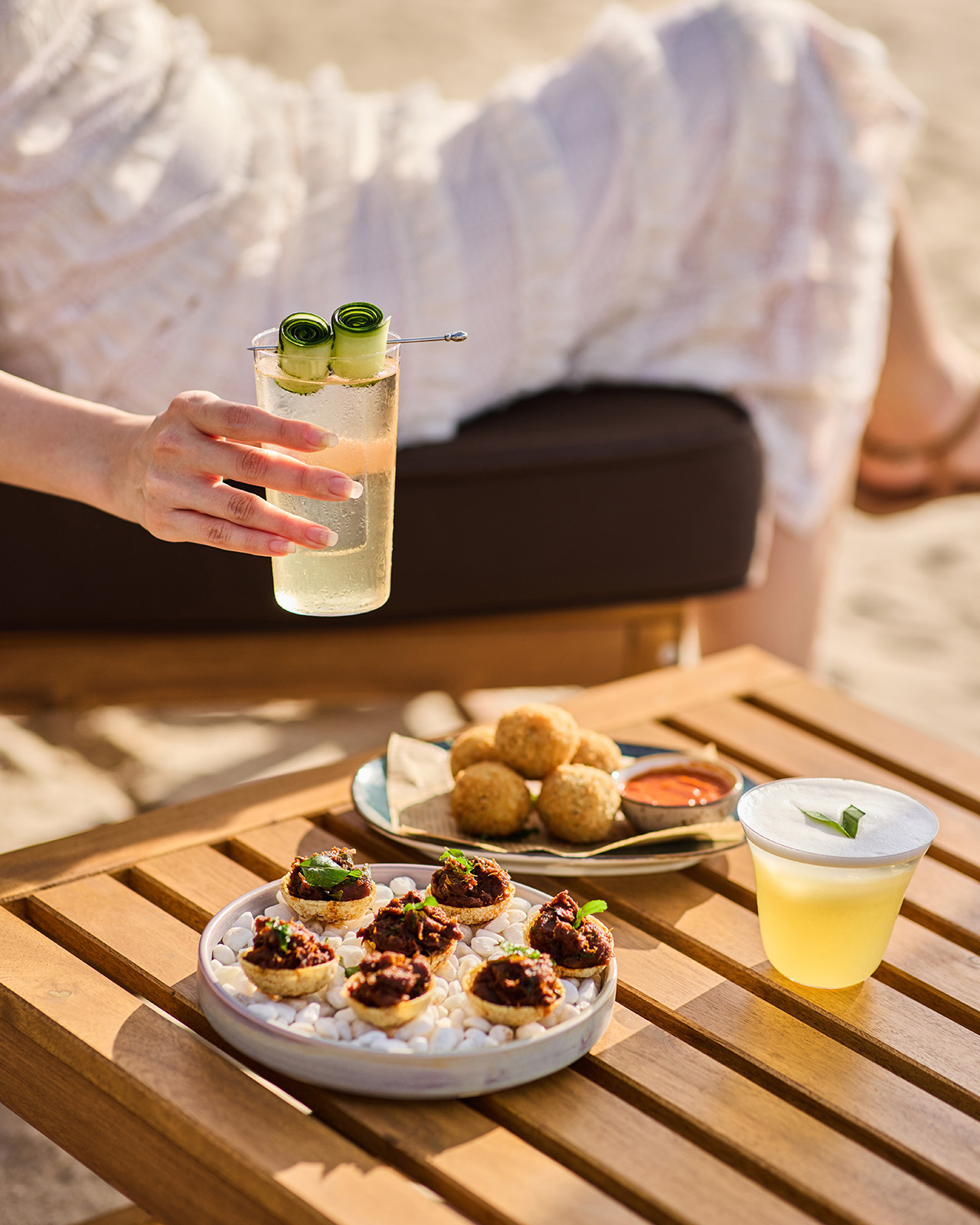
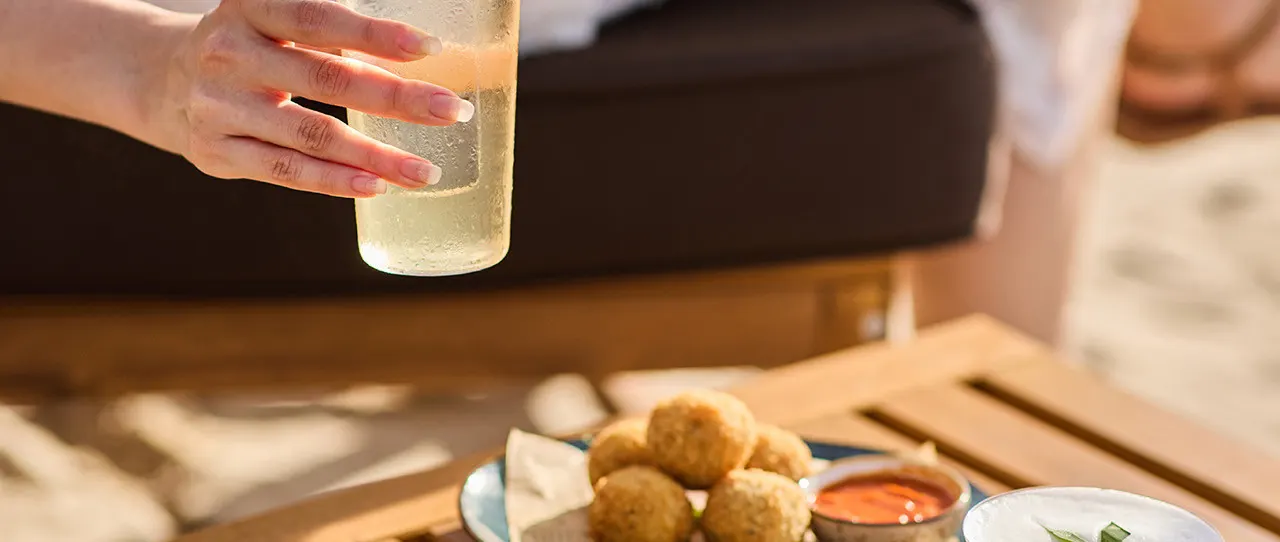
Rhu Bar at Four Seasons Resort Langkawi has introduced a collection of cocktails built around Malaysian flavours, ingredients and cultural references. The resort's official 2026 announcement credits mixologist Rendey Ray with developing drinks that include pineapple, pandan, kaya, frangipani and traditional tuak rice wine, using contemporary techniques alongside familiar local tastes. For luxury yacht owners and guests exploring the Andaman Sea, the collection is an example of how a shore visit can offer something more specific than a generic luxury bar. A sunset drink may be enjoyable for its view alone, but the story behind a flavour gives it another layer of interest. The menu is not a substitute for understanding Malaysia's varied food cultures, and cocktails containing alcohol should be enjoyed responsibly. Its real significance is the attempt to make a resort beverage programme feel connected to the place in which guests are drinking it.
Pineapple as more than a garnish
One of the drinks, called Concept of Zero, uses several parts of a pineapple rather than treating only the sweet juice as valuable. According to the official release, the core is used to infuse the base spirit, the skin contributes to a house-made cordial and the fresh juice completes the drink. This is a useful illustration of the creativity possible when a bartender looks closely at an ingredient. It also raises a question often overlooked in luxury hospitality: how much preparation waste is generated to produce a perfectly polished glass? Using more of a fruit can be a positive practice, but the phrase zero waste should be treated as an intention unless the entire process has been assessed. There are still cleaning, preparation and service impacts. Guests can appreciate the thoughtful technique without assuming that one cocktail proves an entire bar has eliminated waste.
Frangipani and the meaning of a flower
Another drink takes inspiration from the frangipani, known locally as kemboja, and incorporates an infusion prepared from flowers grown in the resort's gardens. The official menu describes a connection with tuak rice wine from Sarawak and a passionfruit element made using a modern technique. These choices bring several Malaysian references into one glass, rather than relying solely on a tropical-looking garnish. Flower-based drinks require expertise because not every ornamental plant or treatment is suitable for consumption. The presence of a garden does not make casual harvesting safe or appropriate. Guests should trust professional preparation and avoid trying to reproduce botanical ingredients without confirmed edible sources. The deeper interest is how the bartender uses aroma and cultural association to create a sense of place. Fragrance reaches the guest before the first sip and can make the experience feel distinctive.
Acar offers an unexpected source of inspiration
The menu also draws on acar, the sharp and spicy style of pickled vegetable preparation familiar in parts of Malaysia. In cocktail form, the idea uses acidity, aromatic ingredients and a hint of savoury character to create a drink that does not rely purely on sweetness. The resort mentions a combination of spirits, cucumber and local citrus or herbs. This approach may appeal to guests who enjoy aperitifs with a drier or more complex profile. It illustrates how a bartender can borrow an underlying flavour principle from food without simply placing a snack in a glass. Pickling traditions are culturally specific, and one cocktail cannot represent every regional variation. But its reference may encourage visitors to discover the dish in a more traditional form during their travels. The most rewarding bar menus often open a door to the wider cuisine rather than functioning as an isolated performance.
Pandan and kaya in a tropical interpretation
Sri Colada combines pandan and kaya, a coconut-based jam associated with Southeast Asian breakfasts and desserts. The resort describes using a fat-washing technique to introduce kaya's richness into rum, with pandan contributing an aromatic element. The result is intended to feel both recognisably tropical and specifically Malaysian. Culinary techniques borrowed from kitchens can give a bar more freedom, but they must be carried out with attention to food safety, allergens and consistency. Guests with dietary concerns should ask about ingredients rather than assume a cocktail is dairy-free, nut-free or suitable for every restriction. The interesting design idea is to work with flavours people may know from toast, sweets or warm dishes and give them a different setting. A cocktail can be playful without losing respect for its culinary origin, especially when the service team can explain the reference clearly.
Modern techniques without losing the ingredient
The official announcement mentions spherification and fat-washing among the techniques used in the collection. Such processes can add texture or change how flavours are carried in a drink, but their value depends on the finished result. A molecular sphere is not automatically a better way to serve fruit, and a complicated infusion should not be praised simply because it took more steps. Skilled mixology makes technique serve the ingredient and the guest's preference. A traveller who dislikes elaborate presentations may still appreciate a clear, balanced cocktail with a local botanical note. Bartenders should be able to describe the flavour in plain language before recommending it. This practical communication matters in a resort where guests may come from many countries and may be unfamiliar with the original food references. A confident menu welcomes curiosity rather than expecting prior expertise.
A sunset setting that shapes the service
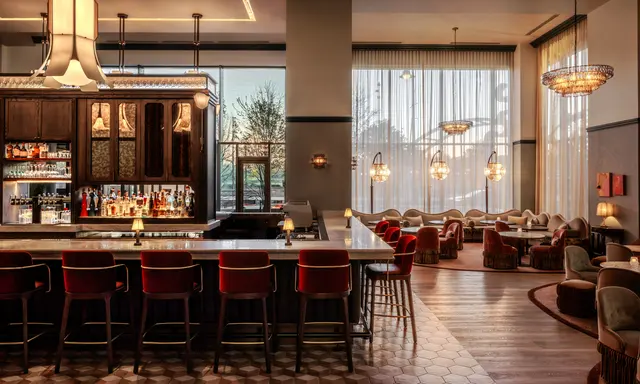
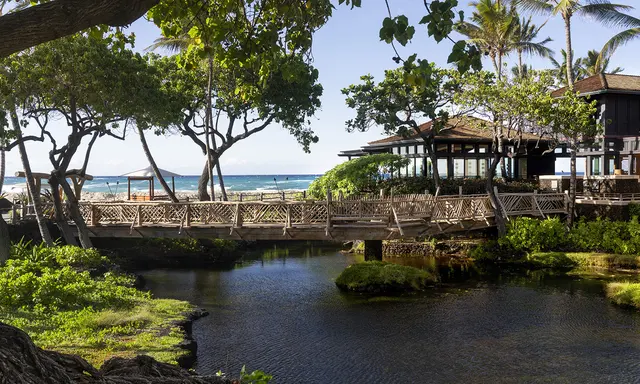
Rhu Bar overlooks the Andaman Sea, and the resort describes its outdoor seating, swings and coastal sunset views as part of the experience. The setting gives the drinks a different rhythm from an enclosed city cocktail lounge. A guest may linger over one carefully prepared drink while the light changes, rather than ordering several to compare every menu concept. For owners of 12-to-23.99-metre yachts, the view may be familiar from life on deck, but the shore-based setting provides a chance to observe the coast from another perspective. It is worth confirming seating arrangements and any reservation policy for the chosen date, particularly during busier seasons. A beautiful sunset is not guaranteed by the weather, and the enjoyment of a bar should not depend entirely on a photograph of the horizon. The best service remains attentive when rain or cloud changes the atmosphere.
House-infused spirits and local botanicals
The resort also describes house-infused gin and other drinks carrying elements of Malaysian herbs, botanicals and tea. These do not necessarily belong to the signature cocktail list, but they show how a bar can explore local flavours across several parts of its offering. Infusion is a useful technique because small amounts of aromatic ingredients can have a strong effect on the final drink. The choice requires care, especially when the original plant material has a bitter or potent quality. Guests may discover that a familiar spirit tastes different in a tropical setting without being fundamentally reinvented. For a private yacht chef or steward planning a beverage programme, the lesson is not to copy a specific menu. It is to select a few ingredients whose provenance and preparation can be explained and to use them consistently. Simplicity can make a bar feel as purposeful as complexity.
Masterclasses create a second experience
Rhu Bar's official release refers to cocktail masterclasses and weekly bonfire gatherings, offering guests opportunities to take part rather than only watch drinks being served. Availability and format should be confirmed directly because scheduled programmes can change. A masterclass may be particularly interesting for a small group travelling together aboard a yacht, allowing guests to learn techniques that can later be adapted within the constraints of an onboard galley or bar. It should not be presented as a licence to use unfamiliar plants or alcohol carelessly. The most useful learning includes flavour balance, safe preparation and the reasons particular ingredients have been chosen. Guests who do not drink alcohol can ask whether appropriate non-alcoholic options are available; the source does not guarantee a specific alternative menu. Participation should remain a matter of preference rather than an expectation of every guest.
Thinking about the destination beyond one bar
Langkawi is more than a backdrop for a cocktail photograph. Its island geography, local food traditions and coastal environments create opportunities for travellers to explore at a slower pace. A beverage inspired by frangipani or pandan can become a starting point for learning about ingredients encountered in markets, gardens and restaurants. Visitors should be careful not to generalise one resort's menu into a definition of the whole country. Malaysia has varied regional cuisines and histories, and a single glass inevitably presents only a small selection. A thoughtfully planned yacht visit might combine a shore excursion, time by the water and an evening drink without packing too much into the day. The quality of the experience often depends on making room for conversation with knowledgeable local people. The menu offers one avenue into those conversations.
Practical considerations for a yacht-based visit
Yacht owners interested in visiting the resort should confirm access arrangements and transport independently; the cocktail release does not establish a private dock, berthing allocation or guaranteed tender service. Weather, the location of the yacht and local harbour rules can influence how guests reach shore and return safely. Reservations, opening times and availability of masterclasses also require current confirmation. The captain should consider the return journey after dark and ensure that guests are not placed in an unsafe transfer situation. Responsible alcohol consumption is especially important when small boats and moving decks form part of the itinerary. A guest can enjoy the bar's flavours without compromising the safe operation of the yacht. A sensible plan may involve land transport or an overnight shore stay rather than treating the evening as an unexamined extension of a day at anchor.
A Malaysian flavour story worth exploring
Rhu Bar's Flavours of Malaysia collection demonstrates how a luxury resort can use beverage craft to express local ingredients and cultural references. Pineapple, frangipani, tuak, pandan, kaya and acar become starting points for drinks whose techniques range from careful infusions to more experimental presentations. The source establishes the menu's concept and named examples, while individual preferences, availability and the wider environmental impact of production remain matters for guests to assess. For the 12-to-23.99-metre yacht audience, the attraction is a shore-based evening that offers more than familiar drinks in an attractive location. When a bartender can explain why an ingredient matters to the place, the experience becomes part of the journey. The setting and the glass reinforce one another, giving travellers a reason to remember not only the sunset but also what they tasted as it arrived.
Sources and image credits
Reporting based on Four Seasons Resort Langkawi official 11 March 2026 Rhu Bar Flavours of Malaysia cocktails announcement by mixologist Rendey Ray.
Lead photograph: Langkawi Rhu Bar Mixes Tropical Ingredients Into Coastal Cocktail Culture — official Four Seasons press photograph. © Four Seasons Hotels and Resorts / Four Seasons Resort Langkawi Original official image source.