A completed two-night collaboration with a wider story
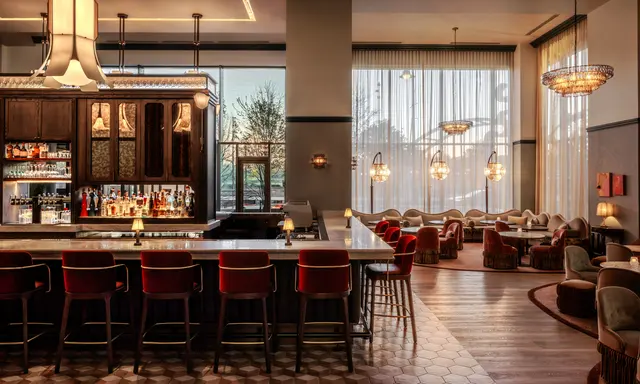
Four Seasons Resort The Nam Hai staged a two-night cocktail collaboration at Sol & Sao on 12 and 13 September 2026, welcoming the team behind The Enigma Mansion, a name recognised within Asia's bar scene. The resort's August announcement described four original drinks created around ingredients associated with Vietnamese cooking and the country's varied landscapes. This is a retrospective look at a completed event, not a claim that reservations remain available for those September evenings. Its value to luxury travellers lies in how the drinks were constructed. Rather than using one tropical flavour as a shortcut to a sense of place, the bartenders combined rice, fruit, roots, herbs and unexpected savoury notes. For guests exploring Central Vietnam aboard a 12-to-23.99-metre yacht, the collaboration provides another perspective on the country's contemporary food culture, showing how local ingredients can be used in a cosmopolitan setting without losing their identity.
Four drinks, each with its own direction
The resort presented the programme under the idea of two cities meeting for one night, although the event itself lasted two evenings. The menu offered four distinct creations, with names based on leading ingredients: strawberry, wintermelon, beetroot and rice. These were not simply fruit cocktails with new labels. The strawberry preparation included a whisky base alongside components such as koji water, cacao wine and Vietnamese salted apricot. The wintermelon drink brought together gin, cucumber, dill and other contrasting flavours. Beetroot appeared with floral, sour and savoury elements, while rice became the starting point for a drink involving bourbon and fermentative notes. The exact ingredients belong to the restaurant's original menu, not a claim that a recipe can be reproduced by any amateur. What links them is the willingness to begin with something recognisable and lead it into an unfamiliar combination. That process is central to modern cocktail craft.
Why a rice cocktail makes cultural sense
Rice is both a fundamental food and a subject of considerable regional knowledge across Vietnam. Using it in a cocktail creates a direct connection with everyday cuisine while leaving the bartender freedom to explore its texture and aroma. The official menu combined red rice with a whisky base and ingredients such as apple, miso and passionfruit bitters. That is a contemporary interpretation, not a traditional Vietnamese drink that should be presented as unchanged cultural heritage. The difference matters. Luxury hospitality can be creative without claiming that every invention is authentic in a historical sense. Guests may enjoy asking which flavour comes from the rice and how the bartender manages its subtle character beside stronger components. For a yacht chef planning a destination-inspired menu, this suggests a broader lesson: familiar pantry ingredients can become the centre of a sophisticated preparation when their qualities are understood.
Strawberry and the balance of salt and sweetness
Fruit-driven drinks often risk becoming overly sweet, particularly when the setting encourages bright colours and decorative presentation. The strawberry cocktail described by the resort included salted apricot, a component that could introduce acidity and savoury depth to a familiar berry base. Koji water and cacao wine added further complexity. The exact balance cannot be assessed from a written ingredient list, and guests should not assume that every named component is immediately identifiable in the finished glass. A good tasting experience invites the visitor to notice how the drink changes rather than search for a list of flavours in a fixed order. The bartender's skill lies in making unusual ingredients work together. The resort's announcement shows that contemporary Vietnamese mixology is interested in such contrasts, though a single guest collaboration cannot stand for the entire national bar scene.
Wintermelon beyond the dessert bowl
Wintermelon is used in several Asian culinary traditions and can bring a different kind of freshness from the tropical fruits more commonly found in resort cocktails. The Sol & Sao programme paired it with cucumber, dill and other elements to produce a drink intended to feel more layered than a conventional sweet cooler. Such combinations can encourage a more attentive style of drinking, particularly when the bartender explains why a botanical note has been included. The setting in Hoi An also offers a useful reminder that a region's cuisine may include ingredients whose appeal is based on subtlety rather than intensity. For travellers, that can make the experience more memorable than a menu dominated by spectacle. It is worth asking for guidance on strength and flavour before ordering; the presence of vegetables does not imply a cocktail is low in alcohol or suitable for every dietary preference.
Beetroot and the edge of savoury mixology
The beetroot cocktail described in the release combined whisky with jasmine, tamarind and a Parmesan component. These ingredients demonstrate how a modern bar can borrow ideas from the kitchen, moving between earthy, floral and savoury sensations. It is not necessary to enjoy every experimental combination to appreciate the craft involved. A guest may prefer a lighter drink or find that cheese notes do not suit their palate. A well-run bar should make those differences clear rather than assume that novelty is an end in itself. A travelling yacht party could benefit from discussing preferences before arranging a tasting, especially when some guests avoid dairy or alcohol. The successful ingredient-led experience is one in which the bartender explains the concept without becoming defensive if a drink is not to someone's taste. Hospitality remains more important than technical daring.
The role of a visiting bar team
A guest collaboration allows a resort to introduce travellers to a different creative community without requiring them to move between cities. The Enigma Mansion's involvement brought external perspectives to the setting at The Nam Hai, while the resident team supplied knowledge of its guests and service environment. Such events can encourage professional exchange, though the press release does not document specific training outcomes or a permanent menu change. The event's two-night format also gave it a temporary character. That limitation should be respected when writing about it later in the year. Travellers inspired by the concept can explore the resort's current programme or seek out bars with similarly thoughtful ingredient practices, but should not expect the exact September menu to remain available. The enduring story is the collaboration's approach to flavour and provenance rather than an invitation to attend a past event.
Contemporary Vietnamese identity without a stereotype
Vietnamese food is sometimes reduced in international discussion to a short list of famous dishes. A cocktail programme drawing on wintermelon, rice, tamarind and seasonal produce shows another aspect of a much larger culinary landscape. It is important, however, not to describe every combination as an ancient tradition. Modern bartenders participate in a contemporary international conversation, using techniques and ingredients from several sources while retaining a sense of local identity. The result can be exciting precisely because it refuses a narrow definition of what the cuisine should look like. A visitor may learn as much by asking how an ingredient is used in everyday cooking as by enjoying its transformed version in a drink. That curiosity can extend to markets, cafés and restaurants during a stay, providing a broader understanding of the destination beyond the walls of a luxury resort.
Hoi An as an invitation to slow down
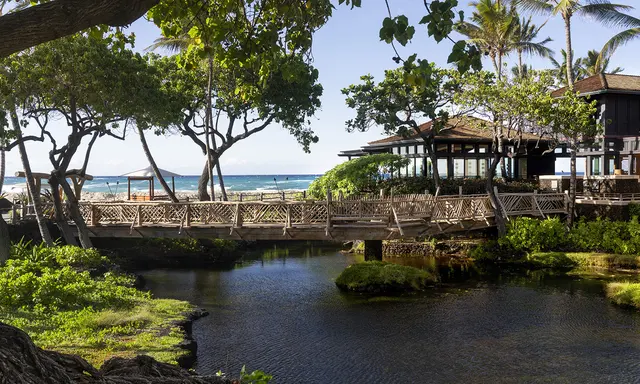
The Nam Hai's location gives visitors access to a region known for historic architecture, coastline and traditional crafts. A resort bar is one setting within that landscape, not a substitute for exploring it. Luxury yacht travellers may find that a slower evening ashore offers a contrast to time spent moving between anchorages. The official cocktail release does not establish yacht-specific berthing or tender services, so practical access should be confirmed with local operators. Guests should also consider whether a particular experience is appropriate after an active day in the sun. A well-planned evening includes reliable transport and avoids rushing from one attraction to another. The cocktails become more meaningful when they follow some engagement with the region's food, people or landscape. A destination is best understood through several perspectives rather than one carefully staged bar counter.
What a yacht steward or chef can take away
A private yacht need not reproduce a complicated tasting menu to draw inspiration from this collaboration. The more transferable ideas are careful ingredient selection, flavour balance and a willingness to explore beyond predictable tropical recipes. A steward could create a short list of non-alcoholic drinks based on seasonal produce, while a chef might introduce a Vietnamese ingredient to a meal after learning how it is prepared locally. Any unfamiliar plant or fermentation product must be sourced and handled safely, with attention to allergens and guests' preferences. Copying a published cocktail ingredient list is not the same as mastering the recipe or cultural context. Responsible onboard hospitality acknowledges the people and traditions behind an idea. One well-executed drink with a clear explanation may be preferable to several elaborate attempts that lack balance or authenticity.
Remembering a temporary event accurately
The Sol & Sao collaboration took place over two nights in September 2026, following a release issued in August. Its named drinks and association with The Enigma Mansion are facts supported by the resort's account. It would be misleading to claim that the event continues indefinitely or that every cocktail has become part of a permanent offering. For today's lifestyle audience, the attraction is the example it offers of Vietnamese ingredients meeting contemporary bar techniques. Such experiences can encourage luxury travellers to approach a destination with curiosity and to seek out people who know its food culture. A yacht provides a means to reach remarkable places; a good shore-based dining experience can help make those places memorable through flavour, conversation and the stories that survive long after the glasses have been cleared.
Sources and image credits
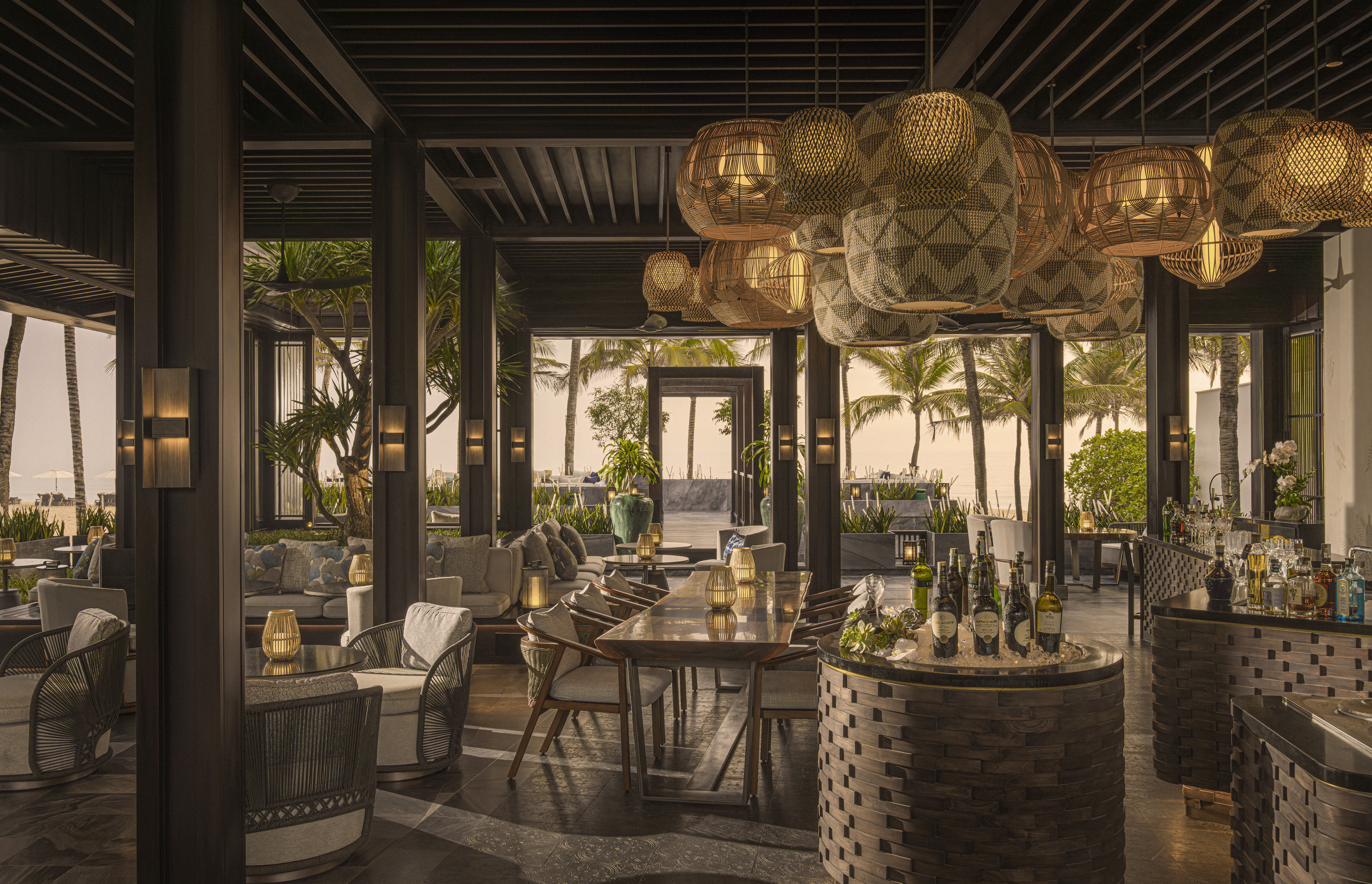
Lead photograph: Hoi An Sol and Sao Explores Contemporary Vietnamese Cocktail Craft — official Four Seasons first-party press photograph. © Four Seasons Hotels and Resorts, original property press photograph Original official image source.