A Sunday supper with a different guest in the kitchen
Bacco, the Tuscan-inspired steakhouse at Four Seasons Hotel Nashville, announced a monthly guest-chef series called The Big Night for 2026, built around communal dining, rotating culinary talent and wine pairings. The hotel's official release, dated 25 June, scheduled the first event for 9 August and described an approach in which its kitchen would collaborate with well-known visiting chefs and sommeliers. The initiative also connected the dinners with No Kid Hungry, an organisation addressing childhood hunger in the United States. For luxury travellers, the attraction is not merely the opportunity to eat at a celebrated hotel. It is the more interesting possibility of seeing how a restaurant opens its established kitchen to different culinary voices and builds an evening around food shared at the same table. This article examines the announced concept and the questions guests should ask before booking. Past scheduled dates are not presented as future reservations, and the programme's subsequent editions should be confirmed directly with the hotel.
The format announced by the restaurant
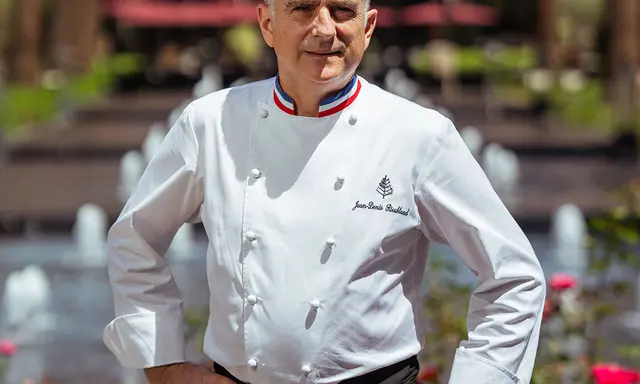
The Big Night was conceived as a monthly Sunday Supper experience, with a rotating focus on a principal ingredient and appearances by outside chefs and beverage specialists. The official material describes a communal atmosphere, shared plates and carefully considered pairings, with Bacco's culinary team working alongside visitors rather than merely hosting a chef's name on a menu. Executive Chef Derek Simcik was identified as the leader of the hotel's kitchen. This collaborative format has practical implications. Visiting chefs bring distinctive methods and influences, while the resident staff must translate those ideas into service for guests in an unfamiliar arrangement. A successful evening requires more than an impressive list of participants: the menu, pacing and explanation should form a coherent dining experience. The release identifies an ambition, not independent evidence that every event reached the same standard or that the planned monthly schedule has remained unchanged.
Sharing a table changes the social experience
Private dining is often associated with exclusivity, yet a communal supper can offer a different kind of luxury. Guests may be invited to discuss food, exchange impressions and experience several courses together rather than remaining within their own party. This can create a lively evening for people travelling alone or as a couple, but it will not suit everyone. A yacht owner accustomed to a private chef aboard may appreciate the change, while someone expecting a quiet celebration may prefer another format. The restaurant should explain seating arrangements, whether tables are shared and how long the meal is expected to last. A communal setting works best when participation feels natural rather than enforced. Service staff have an important role in supporting conversation without making guests uncomfortable. The value of the experience lies partly in hospitality's capacity to bring people together through food.
The role of visiting chefs
The launch programme named Mei Lin, known for her work in American restaurants and her television cooking career, as the chef for the inaugural dinner. The official release also identified Master of Sake Stuart Morris as a beverage specialist involved in that edition. Their inclusion suggests that the series intended to explore more than familiar steakhouse cooking. A guest chef can introduce techniques, ingredients and ideas that might not otherwise appear on a permanent menu, while the host kitchen brings knowledge of its own service and equipment. However, successful collaboration is not guaranteed by reputation alone. Travellers should be interested in how the guest's perspective relates to the chosen ingredient and whether the resulting meal has a clear narrative. A tasting menu can become repetitive if it is simply an accumulation of signature dishes; a thoughtful collaboration has a beginning, development and conclusion.
Ingredients as organising themes
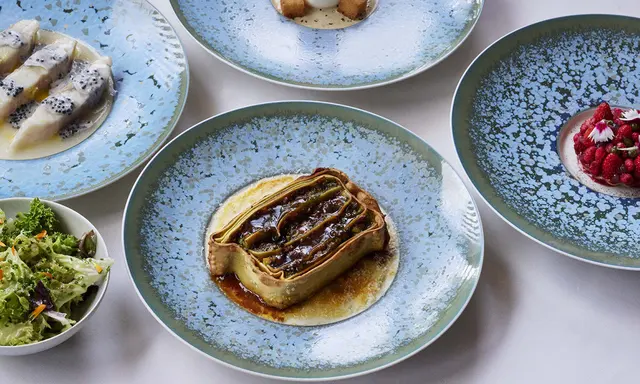
The restaurant's announcement indicated that individual dinners would focus on different primary ingredients, including beef, pork, duck, lamb and fish. This is a useful way of giving each edition a distinct identity without requiring the venue to reinvent its entire operation. A theme can encourage chefs to compare interpretations of a familiar ingredient and allow guests to notice differences in preparation and seasoning. It can also create challenges for people who do not eat the featured protein. Anyone booking should ask about substitutions and dietary restrictions in advance, because a guest-chef evening may have less flexibility than a regular à la carte service. For diners who enjoy learning about cooking, the source and treatment of the main ingredient can be as interesting as the finished dish. The series becomes most compelling when the menu explains what makes the chosen approach distinctive.
Pairings require more than prestige labels
The Big Night release emphasised curated pairings and collaboration with beverage specialists. A pairing can help draw attention to acidity, texture, spice and the progression of a menu, but its quality is not determined solely by the cost or reputation of the bottles served. The involvement of a sake specialist in the announced first edition suggested a willingness to explore alternatives to familiar wine conventions. Guests may learn why a particular beverage complements or contrasts with a dish. The restaurant should also be able to support people who prefer non-alcoholic options without treating them as an afterthought. An inclusive pairing programme considers flavour and the pace of consumption, allowing diners to focus on the food. The hotel announcement does not establish the contents of every future pairing, and such details should be checked when booking a particular dinner.
Tuscan inspiration in an American city
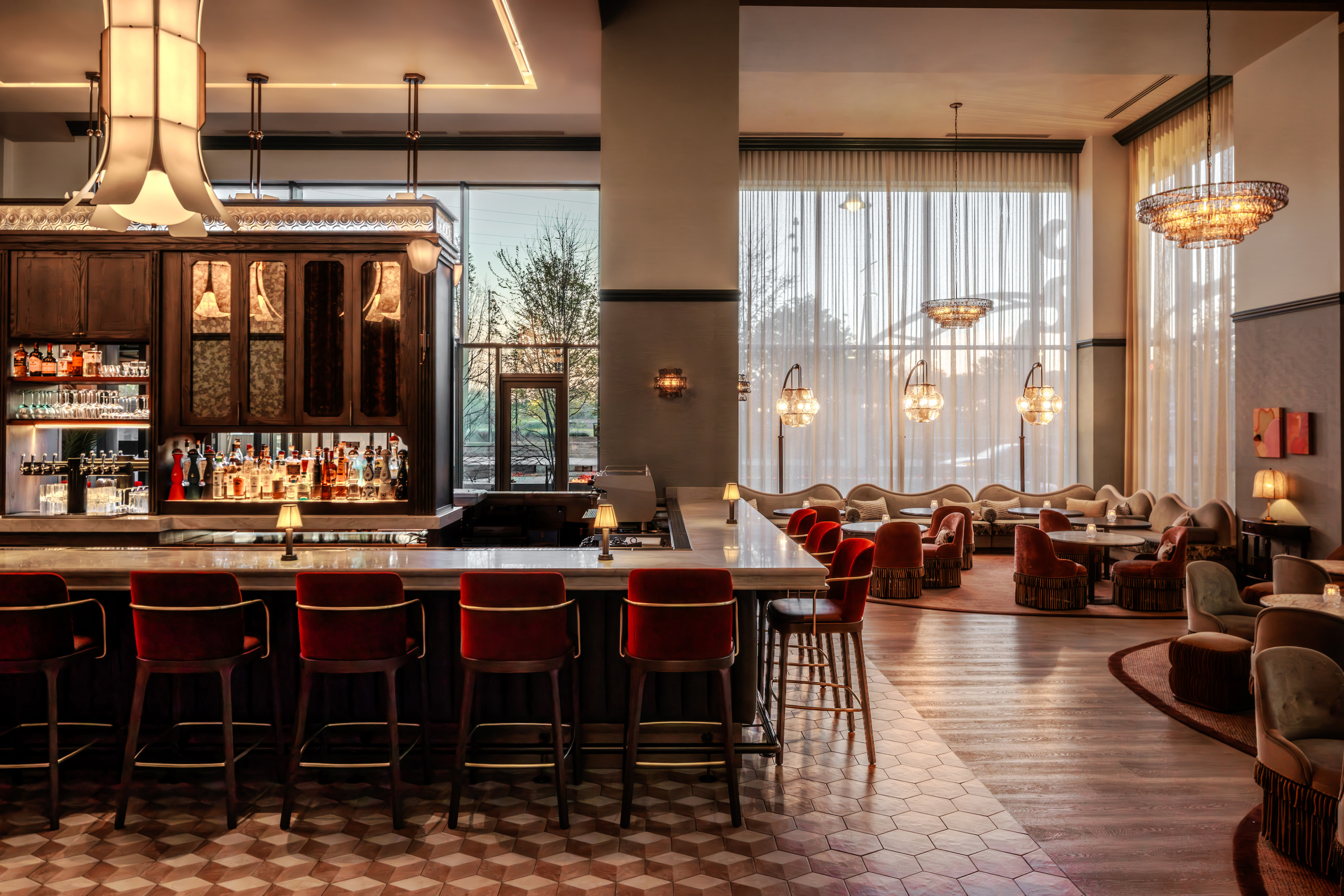
Bacco was described by the hotel as a Tuscan-inspired steakhouse, a concept that places Italian culinary references within the setting of Nashville. That combination is worth considering because the city is often associated with music and a strong regional identity, while its hospitality scene also attracts chefs from elsewhere. A guest-chef series can make those influences visible. The resident kitchen may provide a consistent point of reference, while a visitor introduces another tradition or technique. Such contrasts can be engaging when the menu explains them honestly rather than claiming every combination is an authentic expression of one cuisine. For travellers, Nashville offers a chance to explore several cultural scenes during the same visit. A dining experience can be part of that broader journey rather than the sole reason to fly to a destination.
No Kid Hungry and the charitable dimension
The official release stated that proceeds from the series would support No Kid Hungry. That association gives the events a purpose beyond an evening of exceptional food, but the exact financial mechanism should be confirmed. The announcement does not provide a verified total raised or specify what proportion of each ticket is donated in every case. It would be inappropriate to invent those numbers or suggest that attendance automatically achieves a particular social outcome. Guests who want to understand the charitable contribution can ask the organiser for details and any published results. A credible partnership is most meaningful when the nature of the support is clear. Hospitality businesses can bring attention to important issues through events, but the value should be measured by transparent commitments rather than by the emotional appeal of the promotional language.
How the events fit a luxury itinerary
A Sunday Supper series can be attractive to travellers adding a few nights in Nashville to a longer American trip. The city has hotels, music venues and cultural attractions that may reward time beyond a single meal. A yacht owner based on either coast might include a short inland stay between periods aboard, but travel logistics should be planned realistically. The official release does not provide current flight schedules, room rates or future dinner availability. Anyone arranging a trip should confirm which edition is scheduled, the participating chefs, ticketing conditions and whether the restaurant is open to other guests at the same time. A short stay works best when there is enough time to enjoy the city rather than moving directly from an airport to a dining room and back again.
The importance of an understandable menu
Guest-chef dinners sometimes involve complex techniques and unfamiliar ingredients. This can be exciting, but visitors should not be expected to understand every culinary reference without explanation. The best service balances knowledge with discretion: staff can describe why an element has been chosen and how it contributes to the dish without interrupting the rhythm of conversation. Guests with allergies or strong preferences need clear answers well before food reaches the table. A rotating kitchen may face additional coordination challenges when ingredients or methods differ from the normal operation. That is why a successful collaboration depends as much on the resident team as on the visiting celebrity. Consistency, accurate communication and careful timing help turn an ambitious menu into an enjoyable shared evening.
A more personal way to meet culinary talent
The series was presented as an immersive experience, suggesting closer engagement with chefs than an ordinary restaurant service might provide. Such access can be rewarding, but its precise form should not be assumed. The official release does not promise private conversations with every participant or a particular amount of face-to-face time at the table. A guest should find out whether chefs introduce courses, circulate among diners or remain primarily in the kitchen. A good event can be memorable without extensive interaction if the cooking and service are exceptional. Conversely, a brief explanation from the chef can give valuable context to a dish. Travellers interested in food as culture may particularly enjoy learning how different professional experiences come together in one kitchen.
From a launch announcement to a continuing programme
The June 2026 announcement gave a clear starting date and outlined a monthly concept, but the status of subsequent dinners depends on the organiser's current schedule. It would be misleading to imply that the August inaugural dinner remains bookable or to invent dates for later editions. A careful travel plan checks the hotel's official events information and confirms cancellation, seating and dietary arrangements. The same caution applies to named participants: guest-chef rosters may evolve. The established facts are the format, the original intent, the announced inaugural talent and the charitable connection. Those are enough to explain why the programme is interesting without presenting provisional details as permanent promises.
What The Big Night says about luxury dining
The Big Night illustrates a movement away from dining defined only by exclusivity or expensive ingredients. Its announced format uses collaboration, a shared table, culinary interpretation and a charitable association to create an evening with several layers of meaning. The programme is rooted in a hotel restaurant, but its purpose is social as much as gastronomic. For travellers accustomed to private yacht hospitality, it provides a contrast: the possibility of encountering other diners and chefs in a setting deliberately designed around conversation. The official 2026 release supports the concept and the original launch details, while current availability and outcomes require further verification. A successful guest-chef dinner leaves visitors thinking about the people, the exchange of ideas and the pleasure of a meal experienced together.
Sources and image credits
Reporting based on Four Seasons Hotels and Resorts official first-party 2026 press release: Bacco to Launch Guest Chef Series “The Big Night” at Four Seasons Hotel Nashville.
Lead photograph: Nashville Bacco Guest-Chef Series Celebrates the Art of Shared Tables — official Four Seasons first-party press photograph. © Four Seasons Hotels and Resorts, original property press photograph Original official image source.