A summer restaurant programme shaped by tennis
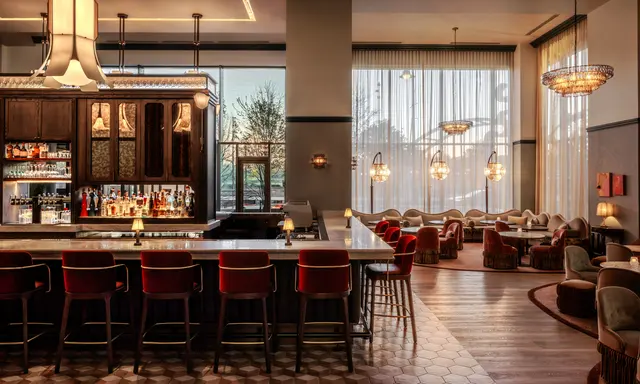
Pavyllon London at Four Seasons Hotel London at Park Lane presented The Final Set, a four-course menu designed around the atmosphere of the 2026 Wimbledon Championships. The official June release set the dates from 29 June to 12 July, placing the dining experience alongside the tournament rather than presenting it as a permanent addition to the restaurant. Yannick Alléno's modern French approach provided the culinary foundation, with British seasonal influences used to connect the menu to the London summer. For owners and guests of luxury yachts between 12 and 23.99 metres, the story offers an example of how a shore-based culinary stop can be tied to sport and cultural events during a longer journey. Its interest lies in the interpretation of a familiar occasion through food, rather than the assumption that a special menu becomes exceptional simply because it shares a name with a major tournament. The event has passed, but the relationship between hospitality and sporting culture remains worth exploring.
A four-course structure rather than a themed buffet
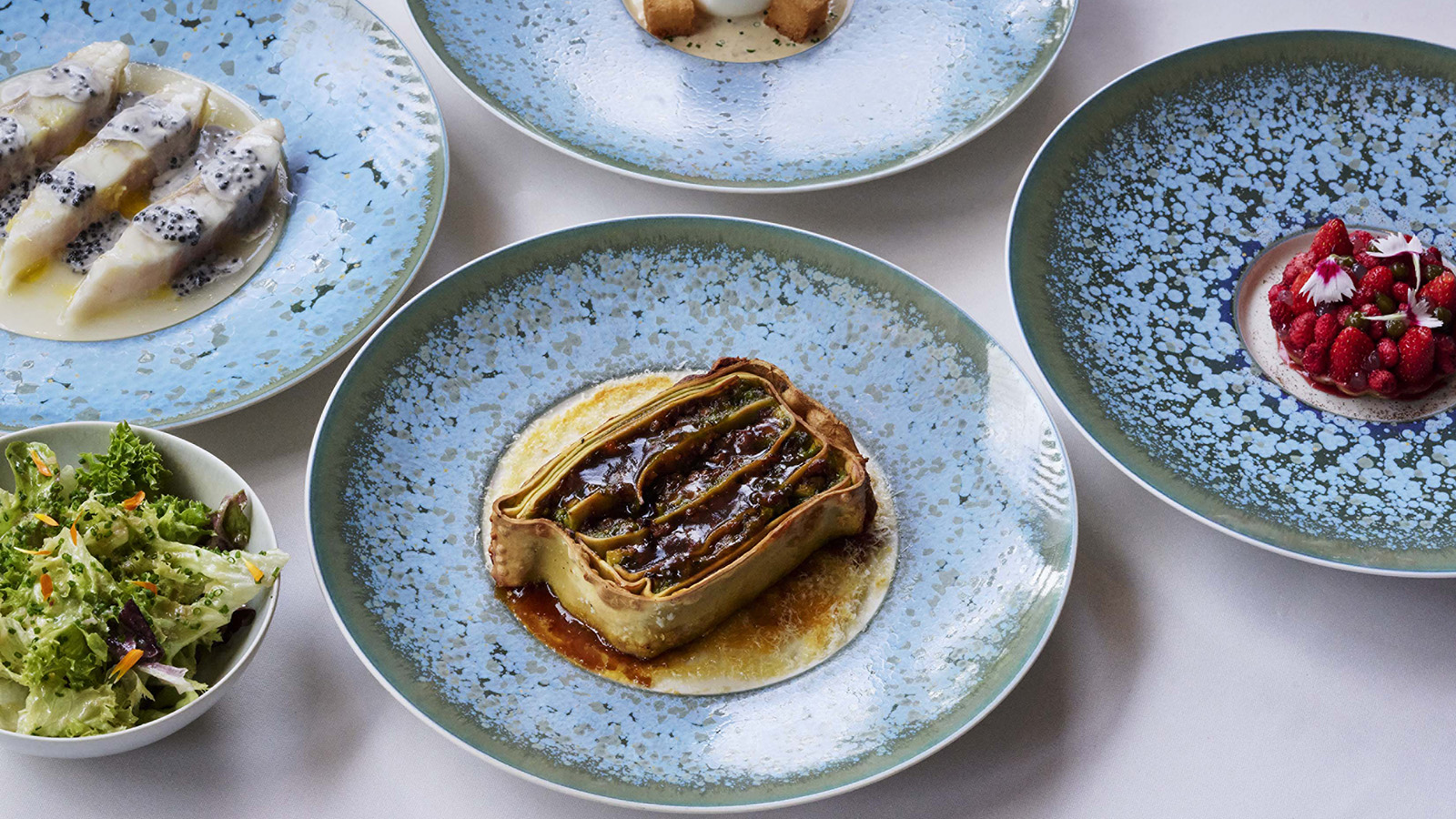
The resort's original announcement described a structured meal beginning with a soft egg and bluefin tuna preparation, followed by a signature green lasagna, a sea bass course and a selection of chocolates. An additional strawberry tart was offered as an optional finale. The menu reflects fine-dining technique rather than a literal set of edible tennis equipment. Its sporting connection came through timing, seasonal ingredients and the association with Wimbledon. This is a more subtle approach than using a familiar event as an excuse for novelty-shaped food. Guests may appreciate a chef who respects the restaurant's identity while acknowledging the season. The four-course format also gives diners a manageable journey through the kitchen's style, particularly if they are attending an event later in the day. The actual dining experience will depend on service, preferences and the choices made by the guest rather than solely on a promotional description.
The soft egg and tuna opening
The announced first course included a soft egg and bluefin tuna tartare. This combination can create a contrast between delicate textures and richer flavours, though raw seafood requires suitable sourcing and strict food-safety standards. The name of a prestigious ingredient does not establish responsible sourcing or suitability for every diner. Guests should ask questions if they have dietary restrictions or concerns about raw fish. A good restaurant can explain what is being served and, when possible, suggest alternatives. For a yacht chef considering similar ideas, the importance of controlled handling is paramount. A professional kitchen has facilities and procedures that may not be easy to reproduce aboard a moving vessel. The broader culinary principle is the use of texture and careful seasoning to begin a meal without overwhelming the courses to follow. Refinement depends on execution rather than rarity alone.
Green lasagna as a contemporary signature
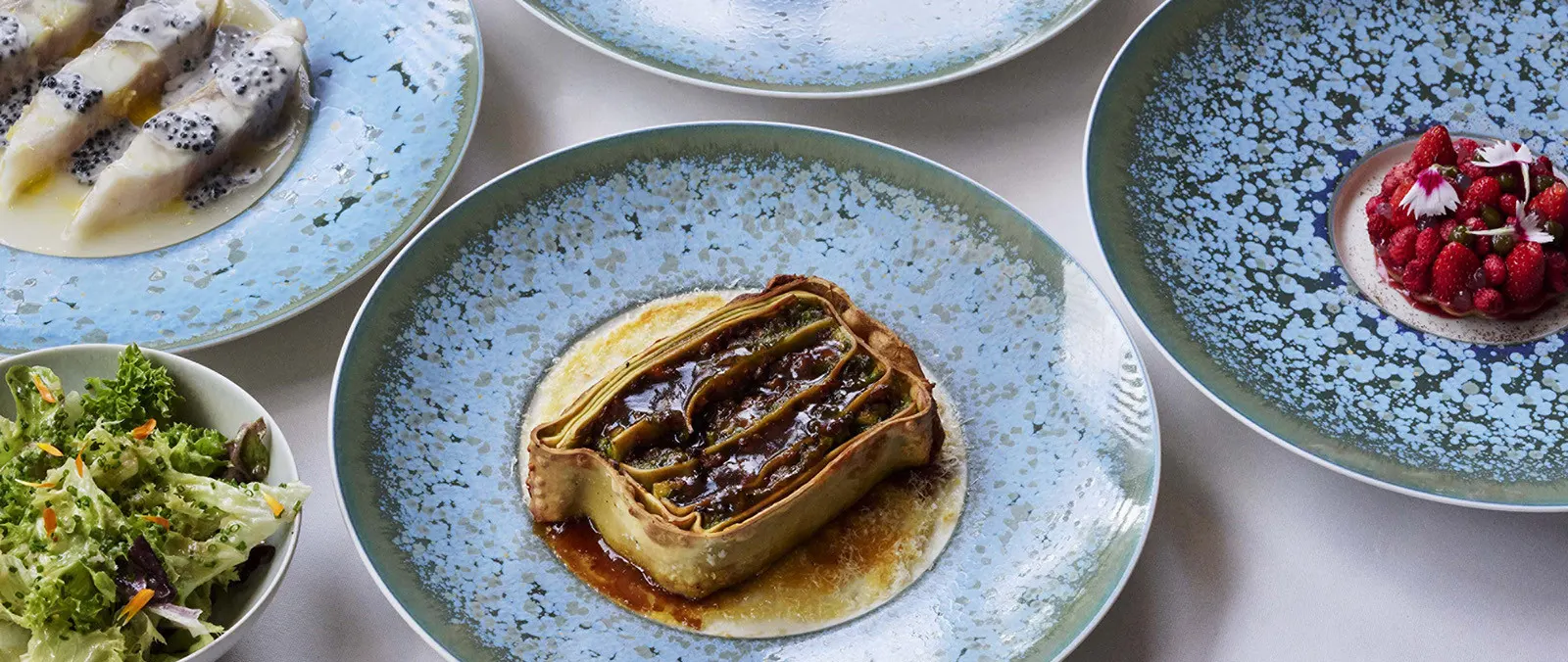
The restaurant described its green lasagna as a signature course inspired by another chef's culinary work. Lasagna is a dish many guests recognise, yet its form can vary considerably between rustic family cooking and a contemporary fine-dining interpretation. A refined version may use careful layering, delicate sauces and precise portioning, but the essential idea remains connected to comfort and structure. That familiarity can help make a creative menu approachable even to diners who are not interested in every technical detail. A four-course experience benefits from moments of recognition between more unfamiliar preparations. For a traveller who enjoys food culture, this can be an invitation to notice how a common dish is transformed without losing its identity. It would be misleading to infer an exact recipe or preparation method beyond the original menu, but the inclusion suggests an emphasis on craft rather than novelty for its own sake.
Sea bass as the principal savoury moment
The official programme included a sea bass preparation with dashi, caviar and cream. The combination brings together fish, savoury depth and rich elements in a way that crosses several culinary traditions. Such dishes depend on balance: too much of one ingredient can obscure the fish, while carefully judged seasoning allows different flavours to complement one another. Yacht travellers may find seafood particularly appealing during a summer itinerary, but the provenance and handling of the catch remain important. A restaurant's prestige does not remove the need for questions about allergens or the species used. The dish also illustrates how contemporary London dining can draw on international techniques while remaining focused on seasonal ingredients. A special menu inspired by British sport need not be restricted to conventional British recipes. Its identity may be found in the occasion and the quality of execution.
Chocolate and the seasonal strawberry
The announced final course centred on chocolates associated with the chef, with an optional strawberry tart offered for an additional charge. Strawberries have a particular association with Wimbledon, making the dessert a clear link between the dining room and the tournament. However, a successful dessert should not depend on that reference alone. The fruit's condition, pastry texture and balance of sweetness matter to the person eating it. Offering the tart as a separate choice also lets guests decide how much they want to extend the meal. Some may welcome a lighter finish, while others enjoy the traditional ritual of an elaborate dessert. The official 2026 menu recorded specific pricing for the courses and the optional tart, but those historical figures should not be presented as current restaurant prices. The culinary lesson lies in how a familiar seasonal ingredient can provide a graceful conclusion.
The influence of Yannick Alléno
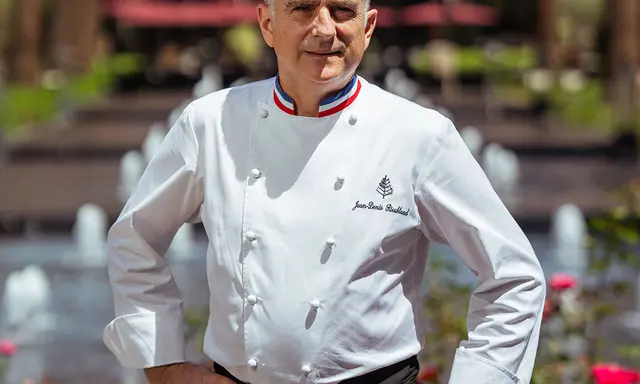
Alléno is known for an approach to French cooking that emphasises technique and modern interpretation. The press release presented The Final Set as part of that creative identity, not a complete departure from the restaurant's established style. This matters because successful event menus usually work best when they extend what the kitchen already does well. A chef should not need to abandon familiar methods to engage with a popular sporting occasion. The connection can be expressed through seasonality, naming or a carefully chosen ingredient. Visitors attracted by a celebrity chef's reputation should still evaluate the experience on its merits and be clear about who is actually cooking at the property. The official announcement does not guarantee the chef's physical presence at each service. What diners can reasonably expect is a menu associated with the restaurant and the standards of its working team.
London hospitality during a major tournament
Wimbledon creates a distinctive period in London's summer calendar, with international visitors planning travel around the competition. Restaurants and hotels may develop temporary offerings, and the quality of those experiences can vary. A menu tied to the tournament may appeal to people attending matches, but it can also be enjoyed by those who simply appreciate seasonal food. Travel logistics matter. Movement between Park Lane and the sporting venue should not be planned around a guaranteed journey time, particularly during busy days. Guests should allow enough time for transport, security and meals without making the experience unnecessarily rushed. Yacht owners travelling through the United Kingdom may be combining a London stay with time on the south coast, and those parts of the trip require separate planning. A thoughtful itinerary recognises that one special meal is best enjoyed when it is not squeezed between competing commitments.
The difference between a temporary menu and an enduring restaurant
The Final Set was expressly available during the 2026 Championships. Its limited dates are part of the story, not a detail to hide. A later guest should not expect to order the same sequence unless the restaurant confirms that it has returned. This is important in lifestyle reporting because temporary hospitality concepts are frequently circulated online long after they have ended. Accurate dates allow readers to understand the original event without creating false booking expectations. The restaurant itself continues to have an identity beyond one menu, and future programmes may draw on other themes. Travellers who were inspired by the idea can explore current offerings or look for similarly thoughtful collaborations elsewhere. The lasting attraction is the creative connection between a cultural occasion and a kitchen's established style, rather than the availability of one past menu.
Bringing the idea to a private yacht
A private yacht chef may wish to draw on a major sporting event or cultural date when creating a special dinner aboard. The Pavyllon example suggests that a theme can be expressed subtly through ingredients and pacing rather than theatrical decoration. A summer menu might use familiar produce associated with the event while keeping dishes consistent with the guests' preferences and the galley's capabilities. The chef should avoid copying recipes without the necessary skill or equipment, particularly when raw seafood is involved. A small yacht may benefit from a more relaxed three-course meal instead of reproducing a formal restaurant sequence. The important point is to create a coherent occasion. Guests may remember the conversation and the sense of shared celebration more than the exact appearance of any plate. Good service makes the theme enjoyable without making it compulsory.
A culinary chapter in a sporting summer
Pavyllon London's The Final Set connected the Wimbledon Championships with a four-course dining programme at Four Seasons Hotel London at Park Lane from 29 June to 12 July 2026. The official release establishes the menu's timing, principal courses and optional strawberry dessert, while later availability must be verified separately. For the luxury-yacht audience, the story illustrates how a shore-based stay can incorporate cultural and sporting events without reducing the holiday to a packed schedule. The attraction is the possibility of enjoying a familiar tradition through a different form of craftsmanship. A restaurant can contribute to the atmosphere of a city in summer, offering a quiet table from which to reflect on the excitement of the day.
Sources and image credits
Reporting based on Four Seasons London at Park Lane official June 2026 Pavyllon tennis-inspired culinary menu.
Lead photograph: Pavyllon London Turns Tennis Into a Michelin-Starred Culinary Experience — official Four Seasons resort press photograph. © Four Seasons Hotels and Resorts / Four Seasons Hotel London at Park Lane Original official image source.