A short-lived bakery visit with enduring ideas
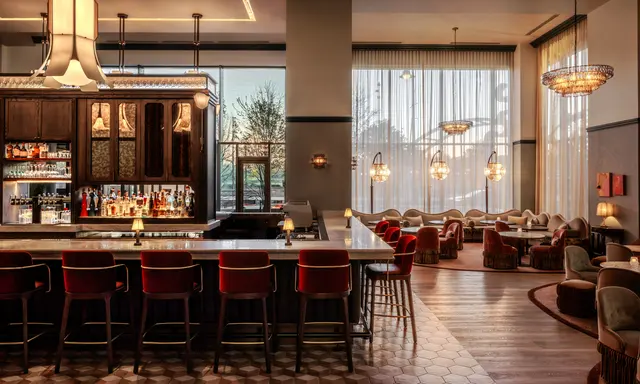
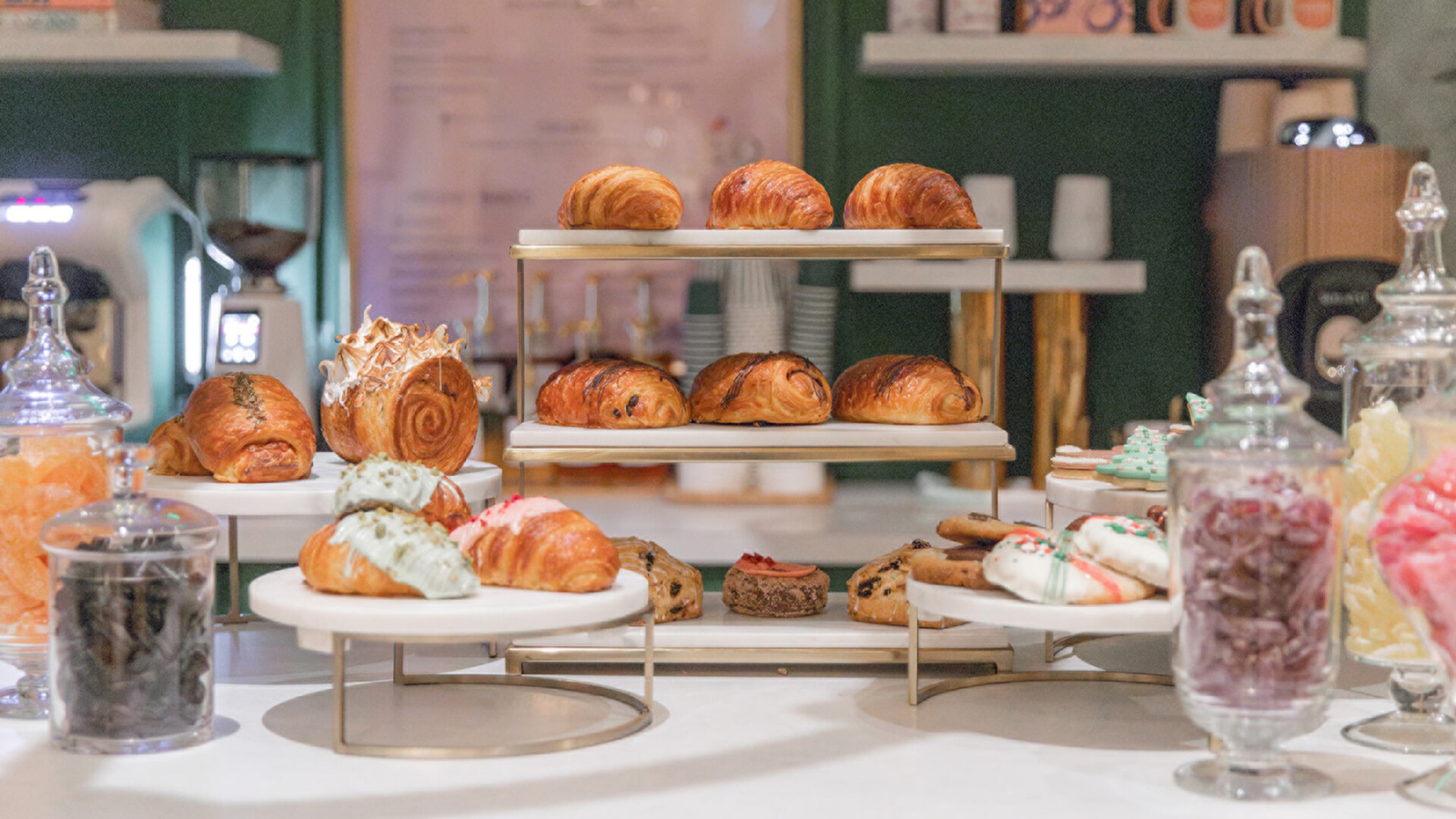
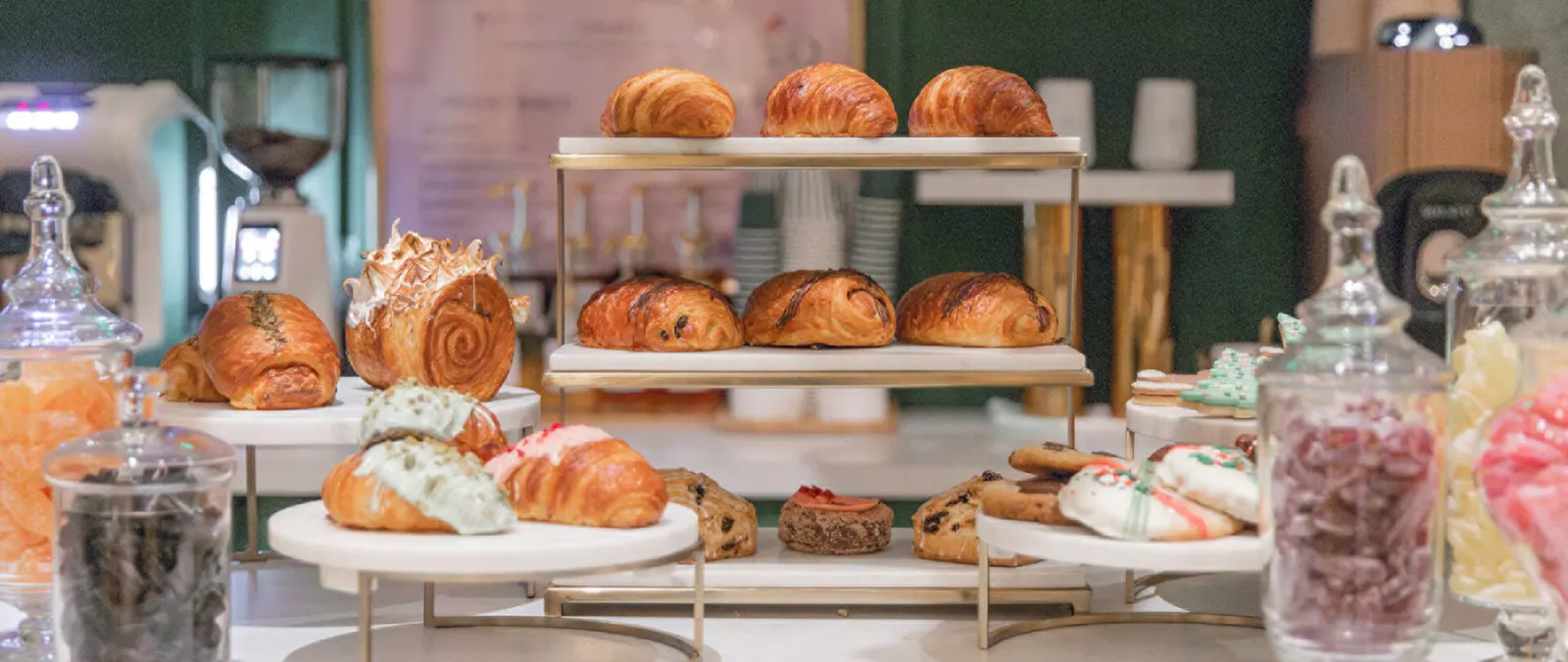
Four Seasons Resort Palm Beach hosted a limited-time Mitron Bakery pop-up in May 2026, bringing a selection of breads and pastries associated with Chef Mauro Colagreco's bakery in the South of France to the resort's Cocoanut Café. The official announcement set the dates from 22 to 30 May, making this a retrospective look at a completed culinary event rather than a current offer. The programme was designed to connect Mitron's interest in ingredients and artisanal baking with the hospitality approach of Florie's, the chef's restaurant at the resort. For owners and guests of 12-to-23.99-metre luxury yachts visiting South Florida, the story offers a different view of destination dining. Not every memorable culinary experience has to involve a formal dinner or a long tasting menu. A well-made pastry with a carefully chosen ingredient can reveal as much about a chef's philosophy as an elaborate main course.
A bakery with a Mediterranean identity
Mitron originated in the South of France, with the resort's release identifying locations in Menton, Monaco and Nice. Its products are associated with Colagreco's attention to ingredients, seasonal flavours and artisanal methods. Moving a bakery concept to Palm Beach creates an interesting exchange between a European culinary tradition and an Atlantic resort setting. The products may be familiar in form, but their ingredients and preparation can carry a distinct sense of place. A lemon tart made with fruit associated with Menton, for example, has a different story from a generic citrus dessert. Yet a name or place of origin should not be used as a substitute for quality. What matters to the guest is the balance of flavour, texture and freshness. A temporary pop-up succeeds when the food remains excellent outside its original context.
The meaning of ancient grains
The official release refers to ancient wheats and carefully sourced ingredients as part of Mitron's baking philosophy. Such language can be appealing to guests seeking traditional food craft, but it requires careful interpretation. Ancient grain is a broad description and does not guarantee a particular nutritional or environmental outcome. The qualities of flour depend on its variety, growing conditions, milling and the way the baker uses it. A pastry made with a distinctive flour can have an interesting flavour or texture, but it should not be marketed as automatically healthier for every person. Travellers with gluten allergies or coeliac disease must not assume that ancient wheat is safe for them. The strongest reason to appreciate these ingredients is their culinary character and the skill required to work with them. A good bakery can explain its choices clearly without making unsupported health claims.
Why the quality of flour matters
Bread and pastry depend on the relationship between flour, liquid, fat, fermentation and heat. Small changes in ingredient properties can influence structure and flavour. A baker who works with specific grain varieties may adjust hydration, mixing and timing to achieve the intended result. Those techniques are often invisible to the person enjoying the finished pastry. The official Mitron announcement emphasises craftsmanship rather than publishing complete recipes, so an editorial review should not invent the exact method used for each product. Guests can still appreciate the significance of careful production. A crisp croissant or balanced tart reflects many decisions made before it reaches the counter. The experience may feel informal, but the craft behind it can be highly technical. In a luxury setting, that contrast between simplicity of presentation and complexity of preparation can be part of the attraction.
Menton lemon in a Palm Beach tart
The pop-up menu included a tarte au citron associated with Menton lemon, a clear link to the bakery's French Riviera origins. Citrus can provide a vivid flavour when balanced with pastry sweetness and texture. But the ingredient's origin is more than a decorative label; it can influence how the product is described and understood. Guests who have travelled through the region may connect the taste with memories of gardens, markets and coastal towns. The pastry itself should still be judged on balance rather than nostalgia alone. A tart can be too acidic, too sweet or perfectly judged, regardless of the reputation of the fruit. The resort's release identifies the product as part of the temporary programme but does not establish that it remains available at the Palm Beach café. A future visitor should ask about the current menu instead of relying on the May announcement.
Familiar pastries in a different setting
The announced selection also included cinnamon rolls, cruffins, brownies and medialunas. These products bring together several baking traditions, from French-inspired laminated pastry to an Argentine form associated with Colagreco's own broader culinary background. Their presence illustrates how a bakery can have a clear identity without limiting itself to one national style. The challenge is to prepare each item with the appropriate technique and consistency. A customer may choose a familiar pastry as a point of entry before exploring something new. This can make a high-profile chef's work accessible in a way that a formal restaurant reservation may not. For yacht travellers, a café visit is also relatively easy to fit into a day ashore, provided the current opening arrangements are confirmed. Culinary interest need not always demand a major commitment of time.
The relationship with Florie's
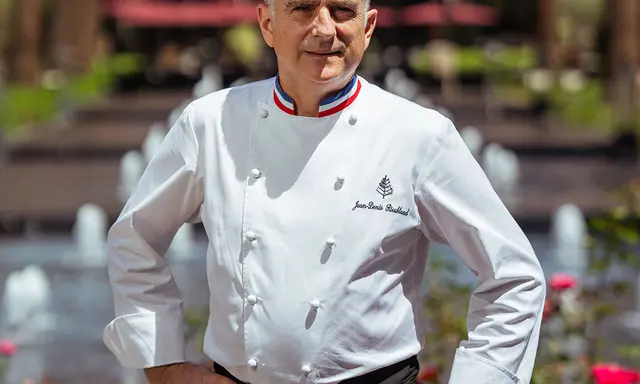
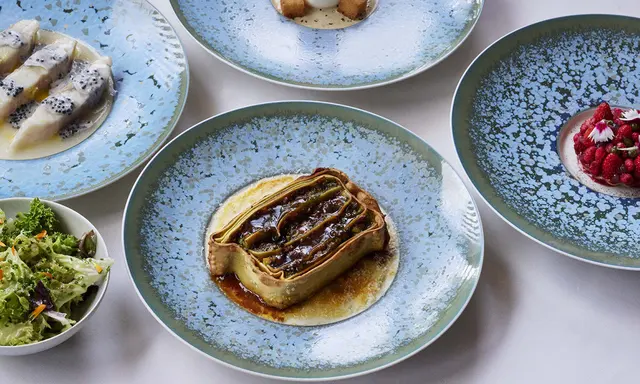
Colagreco is associated with Florie's at Four Seasons Resort Palm Beach, and the Mitron pop-up was framed as an extension of the philosophy behind that restaurant. A temporary bakery can introduce guests to the chef's approach through smaller, more casual products. However, the same chef's name appearing in two settings does not mean that the menus, staffing or service are identical. A restaurant may focus on extended dining, while a bakery invites brief visits and purchases to take away. The experience should be evaluated on its own terms. Some travellers may be inspired to explore Florie's after tasting a pastry, but a reservation at the restaurant is a separate matter. The useful connection is one of culinary thinking: attention to ingredients, seasonality and technique can influence different forms of food without requiring them to look or taste alike.
Sustainability in baking needs evidence
The resort's release links Mitron with sustainable agriculture and organic ingredients. Such commitments may influence purchasing and farming relationships, but a broad environmental assessment involves more than the labels used for flour. Production, energy, packaging, transport and food waste all matter. A pop-up that moves products or specialist ingredients across long distances may create different trade-offs from a permanent local bakery. It is possible to appreciate the intention while asking for evidence of the practices behind it. A credible sustainability story should explain what is certified, what is measured and what remains an ambition. For yacht owners, this is a familiar challenge when provisioning: locally available ingredients are sometimes attractive, but suitability, quality and transport requirements must be considered together. Thoughtful choices avoid treating any single label as a complete guarantee.
A pastry can be a travel souvenir
Food offers a way to remember a journey through taste and aroma. A pastry encountered in Palm Beach may evoke the South of France, while the oceanfront setting gives the experience a different association. Travellers may be tempted to bring products aboard for guests or crew, but storage and food-safety considerations matter. Fresh bakery items can deteriorate in heat or humidity, and some products contain ingredients that require careful temperature control. A yacht chef or steward should confirm packaging and suitable consumption periods before treating a pastry box as part of provisioning. The idea of sharing something discovered ashore can be delightful when it is practical and safe. A small culinary surprise at breakfast may do more to connect guests with the destination than an expensive gift whose only value is its brand.
Temporary events and honest booking information
The Mitron Bakery pop-up took place from 22 to 30 May 2026. Those dates should remain clear in any later report. It would be misleading to tell guests arriving in November that the same selection is still offered at Cocoanut Café unless the resort has announced a new programme. A temporary event can nevertheless provide a useful illustration of how luxury hospitality changes through collaborations. Future pop-ups may involve different concepts or chefs, and current information must be obtained from the property. Guests planning a trip around a particular food experience should confirm availability before making travel arrangements. The limited duration of a pop-up is part of its identity, but it need not make the idea irrelevant once the event has ended. The techniques, ingredients and relationship between destinations remain interesting subjects for culinary travel.
From the Riviera to South Florida
There is a natural cultural connection between European coastal luxury and Palm Beach, but the two destinations have different histories and everyday rhythms. Bringing a Riviera bakery to Florida can appeal to travellers familiar with both, while giving others an introduction to its culinary style. The event should not be interpreted as proof that the destinations are interchangeable. A yacht owner moving between the Mediterranean and the Atlantic may find the comparison appealing because the same ingredients or techniques can feel different in another context. The pleasure of the pop-up was in that exchange. A lemon tart could carry memories of Menton while being enjoyed beside the Florida coast. Hospitality creates opportunities for such connections, provided the food is treated with care rather than used only as a fashionable reference.
Craftsmanship as the enduring story
The May 2026 Mitron Bakery pop-up offered Palm Beach guests a temporary selection of pastries associated with Mauro Colagreco's South of France bakery, including the Menton lemon tart and several familiar sweet and baked products. The resort's official announcement establishes the dates, venue and culinary philosophy, while current availability requires confirmation. For luxury yacht travellers, the story demonstrates how a small shore experience can enrich a voyage without requiring a complicated itinerary. The strongest impression may come from the quality of an ingredient or the texture of a carefully made pastry. Such moments are memorable because they are direct and enjoyable, even when the craft behind them is extensive.
Sources and image credits
Reporting based on Four Seasons Hotels and Resorts official first-party 2026 press release: Four Seasons Resort Palm Beach Presents Mitron Bakery Pop-Up by Three Michelin-Starred Chef Mauro Colagreco.
Lead photograph: Mauro Colagreco Mitron Bakery Brings French Pastry Craft to Palm Beach — official Four Seasons first-party press photograph. © Four Seasons Hotels and Resorts, original property press photograph Original official image source.