A third anniversary with an unusual origin
TELU Bar at Four Seasons Resort Bali at Jimbaran Bay marked its third anniversary in June 2026, reflecting on how an overlooked part of the property was transformed into a cocktail and social space. The resort's official announcement emphasises the reuse of furnishings, timber, metalwork and decorative materials from previous renovations, presenting the venue as an example of design that begins with what is already available. For owners and guests of luxury yachts between 12 and 23.99 metres, this is an interesting approach because yacht refits frequently confront a similar choice: discard existing materials or adapt them thoughtfully to a new purpose. The bar's achievement should not be reduced to a claim that reuse automatically makes a project environmentally harmless. The practical questions concern the quality of the design, the life of the materials and the relationships formed with local craftspeople. A successful transformation can be both attractive and more resource-conscious when those considerations are addressed together.
Beginning with an underused space
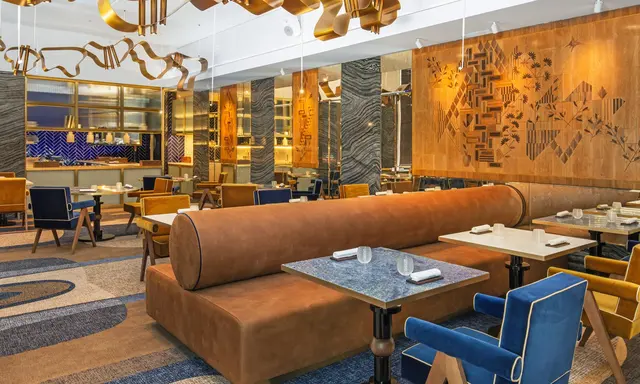
The resort describes TELU as having developed from an area that was previously overlooked or underused. This is a different story from a new building conceived on an empty site. Working with an existing footprint imposes constraints on layout, services and circulation, but it can also encourage designers to be more selective. Rather than filling every corner with newly purchased objects, a team may consider what the place can support and which elements are worth retaining. The result can feel more individual because it carries evidence of earlier uses. In a yacht refit, a similar process might involve adapting a lounge, restoring a table or reworking timber from a removed fitting. However, such decisions require professional assessment of safety, condition and suitability. Reuse is not a virtue if it leads to poor functionality or creates hidden maintenance problems. The strongest approach combines resource awareness with careful engineering.
Salvaged materials as a design language
The official TELU release identifies timber, metalwork, stone and decorative elements recovered during renovations as materials used in the bar. Each has different qualities and limitations, so adaptation requires skill rather than simply placing old objects in a new room. Wood may need refinishing, while metalwork can require treatment or reconfiguration. A decorative detail that was effective in one location may need a different context to remain attractive. The interesting design challenge is finding coherence across materials that were not originally selected as one collection. This can produce a richer interior than a fully matched set of new furnishings, but it can also become visually cluttered if every rescued item is displayed without purpose. The final quality depends on restraint, proportion and craftsmanship. The bar's story is therefore about design intelligence as much as environmental intention.
Craftsmanship and local collaboration
The resort associates TELU with Bali's artisans and creative community, including collaborations that bring different forms of craft into the venue. This connection can make a bar more meaningful than an interior assembled entirely through international catalogues. Local makers can contribute knowledge of materials, forms and techniques that are specific to their working environment. Yet the label local should not be used casually; meaningful engagement requires fair terms and recognition for the people doing the work. Visitors may enjoy learning who made a particular furnishing or artwork rather than treating everything as anonymous decoration. For yacht owners planning an interior refit, this suggests the value of commissioning work that has a clear connection to a place, while also considering durability and the demands of the marine environment. Craftsmanship is most compelling when the maker's identity and contribution remain visible.
Michael Hockey and the anniversary artwork
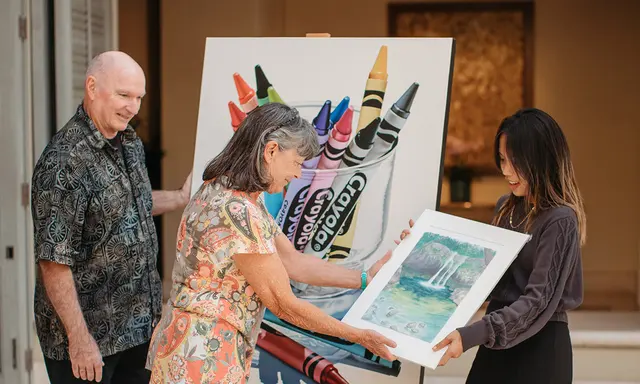
The June announcement also introduced a commissioned work by Michael Hockey, associated with Nyaman Gallery, whose practice includes reworking discarded plastic into mixed-media pieces. This echoes the bar's broader approach of identifying creative potential in materials that might otherwise be thrown away. An artwork made from recovered material can invite conversation about consumption and value, but it does not automatically prove that its entire lifecycle has a small environmental footprint. The production process, transportation and future care also matter. The creative merit should be evaluated alongside those concerns, not replaced by them. A guest may appreciate the visual result before learning its material history; knowing that history may then change the way the piece is understood. In a luxury setting, art can prompt thoughtful discussion without becoming a compulsory lesson about sustainability.
The role of cocktails in the overall concept
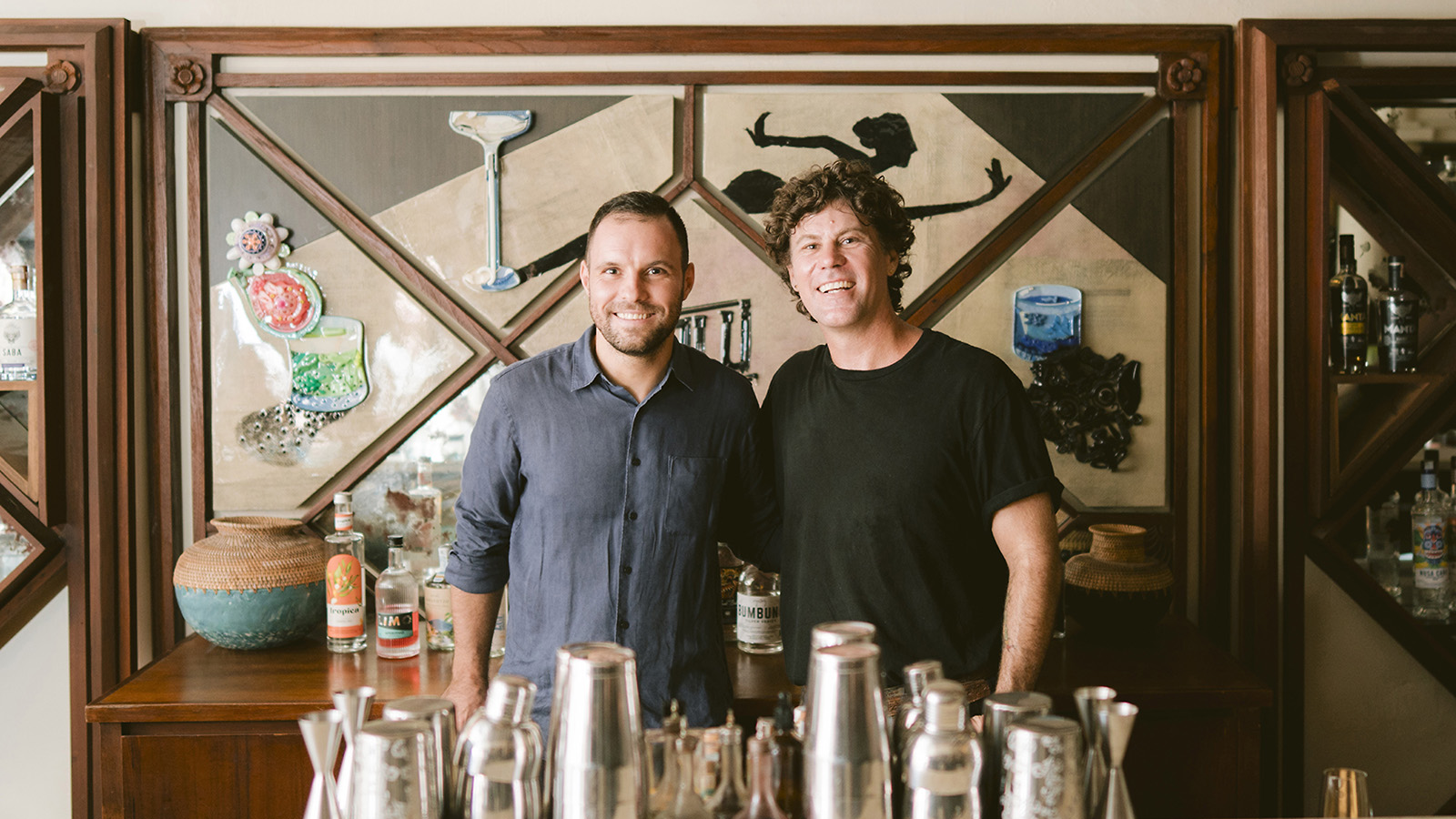
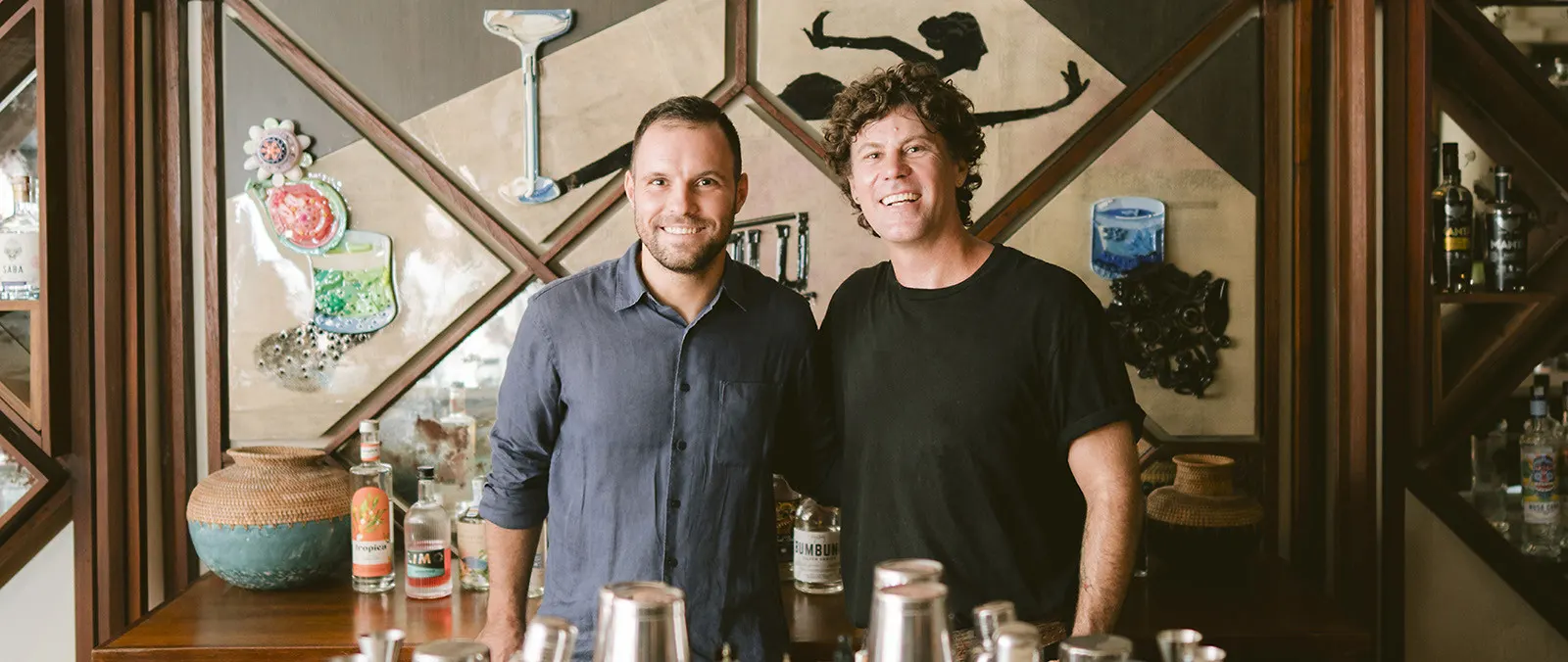
TELU is a bar rather than a design exhibition, so its success also depends on the quality of drinks and service. The resort describes inventive mixology and local storytelling as central to its identity. A venue can use striking materials and compelling artwork, but guests still want drinks that are balanced, appropriate to their preferences and served with care. The more convincing approach is to make the physical setting and beverage programme reinforce one another. Local ingredients or techniques can provide a sense of place, while the reclaimed interior gives those flavours a distinctive context. It would be misleading to assume that every cocktail remains unchanged from the third-anniversary release. Menus evolve, and visitors should check current offerings. The wider concept is the use of hospitality to create a social space with a recognisable character rather than a generic international atmosphere.
Environmental claims need measurable context
Reusing furniture and decorative materials can reduce demand for newly manufactured products in some circumstances, but a rigorous environmental assessment requires more information than a list of salvaged items. Transport, treatment and replacement frequency all influence the result. The resort's release describes a design philosophy and specific forms of reuse; it does not supply a full independent lifecycle analysis. Guests can appreciate the effort while remaining cautious about broad claims of sustainability. For yacht owners, this distinction is especially important because refits often involve complex materials with different disposal and reuse possibilities. Some equipment must be replaced for safety or performance reasons, while other components can be restored effectively. The best decision is based on engineering and careful documentation, not the assumption that keeping every old item is always preferable.
From discarded plastics to cultural dialogue
The commissioned artwork illustrates how recovered material can carry meaning beyond its previous practical use. Plastic waste is a significant concern for coastal regions, but turning it into art is not a comprehensive solution to marine pollution. It may, however, help visitors engage with the issue and consider their own choices. The value of an artist's work should not be measured solely by how much waste it contains. Creative expression can reveal patterns, emotions or contradictions that technical reporting does not capture as directly. A hotel bar offers an unusual setting for such conversations because guests are there primarily to enjoy themselves. A piece of artwork may open a discussion naturally without requiring a formal lecture. That connection between leisure and curiosity is part of what makes the TELU project distinctive.
A social setting that changes over time
Three years is long enough for a hospitality space to develop routines, staff relationships and a community of returning guests, but not enough to justify claims of permanent cultural importance. The resort's anniversary release presents TELU as an evolving venue shaped by partnerships and its surroundings. Visitors should understand that a bar's identity is created by the people who use and operate it, not only by the original design. Staff knowledge, music, menu development and the mood of the room can all influence the experience. A beautiful interior may attract someone once, while hospitality determines whether they return. The connection with local artisans can also continue through exhibitions and collaborations, though the announcement does not establish a fixed future programme. It is better to regard the venue as a living project than a finished sustainability exhibit.
Lessons for a yacht interior refit
The TELU story offers several ideas that can be useful in the yacht sector. Before discarding existing joinery or decorative features, a designer could consider whether they can be restored or adapted in a way that serves a new layout. Some timber or metal elements may carry value that would be expensive to reproduce. However, yacht interiors must also account for weight, fire safety, vibration, moisture and maintenance access. Material recovery cannot bypass those obligations. A refit project should document what is retained, how it is treated and why it is suitable for the intended function. Owners may also use local craftspeople to create distinctive accents, with attention to fair procurement and reliable workmanship. The aim is not to make a yacht look like TELU, but to adopt a more thoughtful approach to the resources already available.
The appeal of discovering a distinctive bar ashore
Yacht guests travelling through Bali may enjoy visiting a venue that feels specifically connected to its setting. The resort's announcement does not establish a yacht-specific dock or guaranteed tender access, so travel arrangements should be confirmed separately. A visit can be combined with other island experiences, but it is worth leaving time to appreciate the bar rather than treating it as another quick photograph stop. Guests may want to ask about the recovered materials or the people behind the artwork, while others simply enjoy a drink in a carefully designed room. Both approaches are valid. Luxury travel is enriched when visitors have the freedom to become curious without feeling obliged to participate in a scripted experience. The venue's story makes that curiosity readily available.
Reuse as a creative choice
TELU Bar's third-anniversary account identifies a distinctive starting point: converting an underused resort space into a social venue using recovered materials and collaborations with local creative practitioners. Those are concrete elements of the official 2026 release, though the project's full environmental impact cannot be established from publicity alone. For owners and guests of 12-to-23.99-metre yachts, its relevance extends beyond a possible evening out in Bali. It suggests that luxury can be created through selective reuse, craftsmanship and a strong identity rather than the continual acquisition of new objects. The most convincing result is not a room full of conspicuously recycled materials, but a place where people enjoy being together and discover the stories carried by the design around them.
Sources and image credits
Reporting based on Four Seasons Hotels and Resorts official first-party 2026 press release: TELU Bar Celebrates 3rd Anniversary: From Forgotten Space to Sustainable Design Icon.
Lead photograph: TELU Bar at Jimbaran Bay Makes Sustainability Part of Bali Design — official Four Seasons first-party press photograph. © Four Seasons Hotels and Resorts, original property press photograph Original official image source.