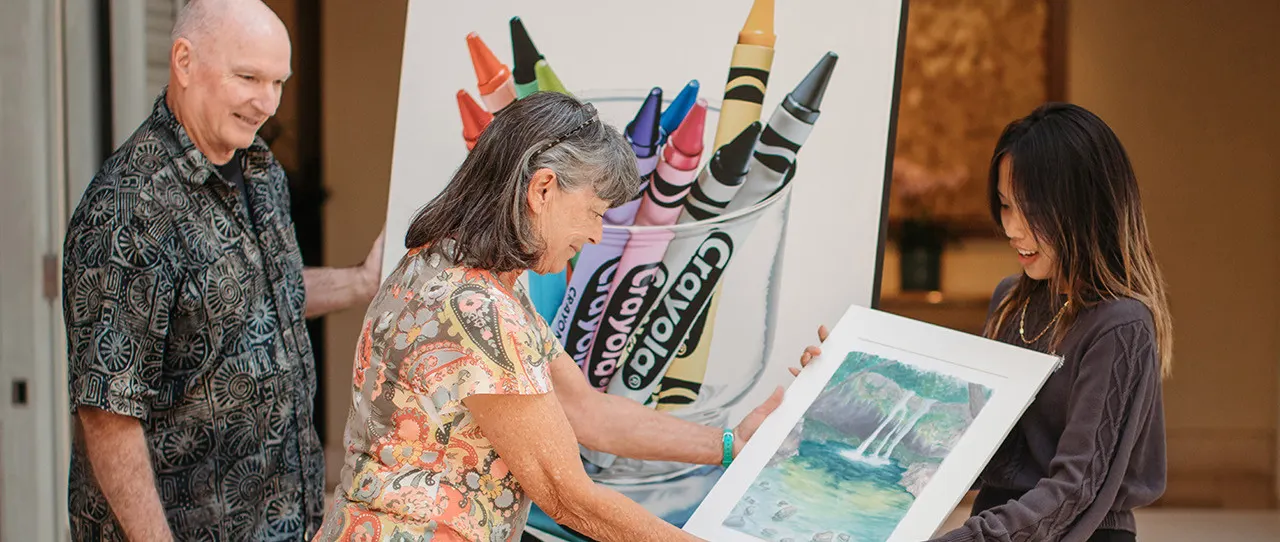
An arts programme beyond the hotel gallery
Four Seasons Resort Maui at Wailea announced the fifth annual ST ART: A Student Artist Immersion programme in May 2026, inviting local high-school students to apply for a mentorship experience with established artists. The resort's official release describes a scheme developed with art consultant Rosina Potter, bringing selected students into a professional exhibition setting and offering each participant a USD 3,000 scholarship. Applications were due by the end of May, so this is a review of the programme's 2026 design rather than a current call for submissions. For owners and guests of luxury yachts between 12 and 23.99 metres, the story offers a different way to think about art in a travel destination. The works displayed in hotel galleries are often seen as amenities for visitors, but they may also form part of a working creative community. A project that connects young artists with mentors can help travellers see the people and skills behind the finished work.
The importance of a real exhibition opportunity
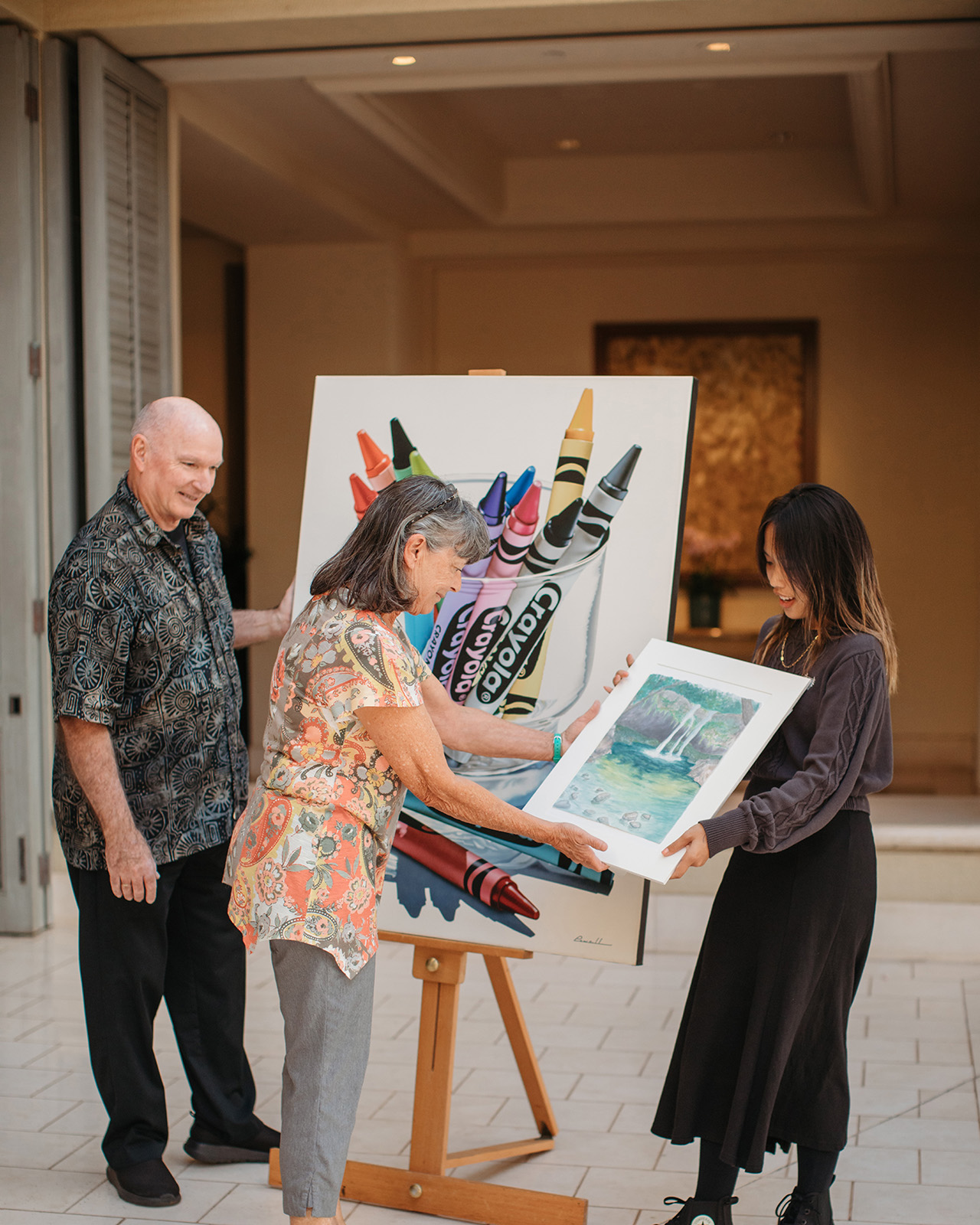
The official programme aimed to select two Maui-based high-school juniors or seniors, offering them opportunities to display their work as part of the resort's Artists Showcase for three weeks during the summer. This is a meaningful distinction from a conventional school art competition, in which recognition may end with a certificate. A professional exhibition environment can expose a student to questions about presentation, pricing, feedback and the practical responsibilities of showing work. It may also create conversations with artists and visitors who bring different perspectives. However, an exhibition is not a guarantee of a sale or future career. The most valuable outcome may be greater confidence and familiarity with a professional setting. Guests who encounter student work should treat it with the same attention they would give an established artist rather than regard it simply as decoration associated with a hotel.
A mentor matched to the student
Four Seasons describes matching each selected participant with a professional artist whose style or working medium complements the student's interests. Such a relationship can be valuable because creative development is rarely a matter of receiving one universal set of instructions. A photographer may need different guidance from a painter or sculptor, even when they share an interest in colour and composition. Good mentoring involves listening and helping the student identify practical next steps. It should not require the young artist to imitate the professional's style. The resort's release describes sessions with a mentor and with Rosina Potter, but it does not provide a final assessment of each participant's progress. The programme's design is nevertheless substantive: it includes time, expertise and a setting in which work can be shown to an audience. These are ingredients for learning rather than a promise of instant success.
Scholarships and the costs of creative education
The 2026 scheme included a USD 3,000 scholarship for each selected student, intended to support continued education in the arts. That is a concrete contribution, although the cost of tuition and materials can vary widely depending on the chosen path. It would be inaccurate to describe the amount as fully funding a degree or guaranteeing access to a particular institution. The value may lie in helping a student purchase equipment, undertake a course or offset part of the costs of further study. Financial support also signals that the programme recognises artistic development as work requiring resources, not merely a hobby that should be sustained through enthusiasm. For luxury travellers, this is a useful reminder that local creative communities may depend on opportunities unavailable to many young people. Enjoying art can be paired with attention to how emerging practitioners are supported.
Local eligibility matters
The resort's application process was directed at Maui-based high-school students rather than being an open international competition. That focus helps distinguish the programme from hospitality events organised purely for visiting guests. A property can be part of a destination's cultural life when it creates opportunities for residents, though the effectiveness of any initiative depends on how it is maintained and evaluated. The original application deadline and required materials were clearly defined, including examples of completed work and an explanation of the student's interest in pursuing art. Those details show that applicants were asked to demonstrate commitment as well as enthusiasm. The release does not establish that every applicant could participate or that all forms of creative study were equally represented. Any future iteration should be checked for its own eligibility rules and selection process.
Working alongside established artists
The Artists Showcase places student work in proximity to pieces by practitioners with more experience. That can help young artists observe different presentation methods, speak with potential audiences and discover how professionals discuss their work. It may also be intimidating, which makes the mentor's role particularly important. A good programme should allow a student to learn without expecting immediate commercial success or polished confidence. For hotel guests, the presence of emerging artists can create a more engaging encounter than a corridor of anonymous reproductions. Asking respectful questions about inspiration or materials may lead to a meaningful conversation. Visitors should avoid treating a student's work as a souvenir with no value beyond the holiday. The creator deserves recognition for their decisions and effort, regardless of age or career stage.
An artistic understanding of Maui
Maui is often presented through beaches, sunsets and tropical vegetation, but its creative life extends beyond those images. Artists may explore history, landscape, social experiences and abstract ideas that cannot be reduced to a resort's visual identity. A student mentorship programme can encourage a wider conversation about the island, particularly if participants have the freedom to choose their own subjects. It would be inappropriate to assume that every local artist should produce pictures of scenery for visitors. Some may work with materials, themes or styles that challenge familiar travel expectations. A luxury traveller who is curious about art can use an exhibition as a starting point for learning about the destination, while recognising that one resort programme cannot represent the entire local creative community. The strongest experiences leave room for diverse voices.
Art collecting with care
Owners of yachts may collect art for residences ashore or for selected interior spaces aboard. A small piece purchased during travel can carry personal meaning, but the decision should still consider provenance, the artist's rights and the practicalities of display. Works intended for a yacht may face humidity, vibration and sunlight that are less of a concern in a controlled gallery. Some media are unsuitable for long-term marine environments without specialist protection. A student showcase should not be approached merely as an opportunity to acquire inexpensive work from inexperienced creators. Fair pricing, informed consent and clarity about the artist's wishes matter. Travellers who want to support young artists can also consider purchasing from established local galleries or supporting credible educational organisations. The relationship with the community should be respectful and sustainable rather than transactional.
Professional artists have more to share than technique
Mentoring can include advice on making work, but it may also cover presentation, communication, planning and the realities of a creative career. A young artist may need encouragement to develop a distinctive voice or practical guidance about building a portfolio. The programme's combination of exhibition access and mentoring suggests an effort to cover several of these needs. However, an official announcement is not an evaluation of its long-term impact. It would be speculative to claim that participants subsequently secured particular placements or careers without evidence. A thoughtful review recognises the difference between a well-designed opportunity and a proven outcome. Guests can appreciate the intention while remaining interested in what the students actually experienced. Continued reporting on participants' progress would be a useful way to assess whether the programme reaches its goals.
The role of a hospitality business in arts education
A resort has access to guests, exhibition spaces and professional networks that may not otherwise be available to young local artists. Using those resources for mentorship can create value beyond the normal visitor experience. The crucial question is whether the initiative builds enduring relationships with the local community and gives participants appropriate support. An occasional competition with little follow-up may achieve less than a smaller programme sustained over several years. The fifth annual edition suggests continuity, though the announcement does not quantify the outcomes of previous cohorts. It also demonstrates how a luxury property can engage with its setting without making every activity a commercial product. The strongest connection may be one in which the resort's guests benefit from the artists' perspectives while the artists gain access to meaningful professional opportunities.
Visiting the resort as an art lover
Travellers interested in a hotel's exhibition programme should ask what is currently on display, whether artworks are available for purchase and whether an artist talk or studio visit can be arranged. The 2026 ST ART application period has ended, and the original announcement should not be used to promise a specific student exhibition in November. Any current programme requires verification. A yacht owner including Maui in a longer trip may prefer to combine art viewing with other cultural or outdoor activities rather than fill the day with events. The resort's relationship with local artists can be one part of the experience, alongside independent galleries and community initiatives. A successful visit leaves room for curiosity without assuming that the resort provides a complete picture of Maui's cultural life.
The value of attention to emerging work
Four Seasons Maui's 2026 ST ART Student Artist Immersion programme offered two local students a structured opportunity involving mentorship, exhibition participation and educational support. Those are identifiable features of the official release, not a guarantee of any individual's eventual career. For the 12-to-23.99-metre yacht audience, the initiative offers a perspective on luxury travel that goes beyond acquiring experiences. Visitors can also support or learn from the communities whose creativity makes a destination distinctive. A thoughtful conversation with a young artist may reveal more about the island than another panoramic photograph. The value lies in recognising art as a developing practice and giving emerging creators the attention their work deserves.
Sources and image credits
Reporting based on Four Seasons Resort Maui at Wailea original 4 May 2026 ST ART Student Artist Immersion official press release.
Lead photograph: Maui START Student Artist Immersion Supports Hawaii Creative Mentorship — official first-party Four Seasons Maui press image. © Four Seasons Hotels and Resorts / Four Seasons Resort Maui at Wailea Original official image source.