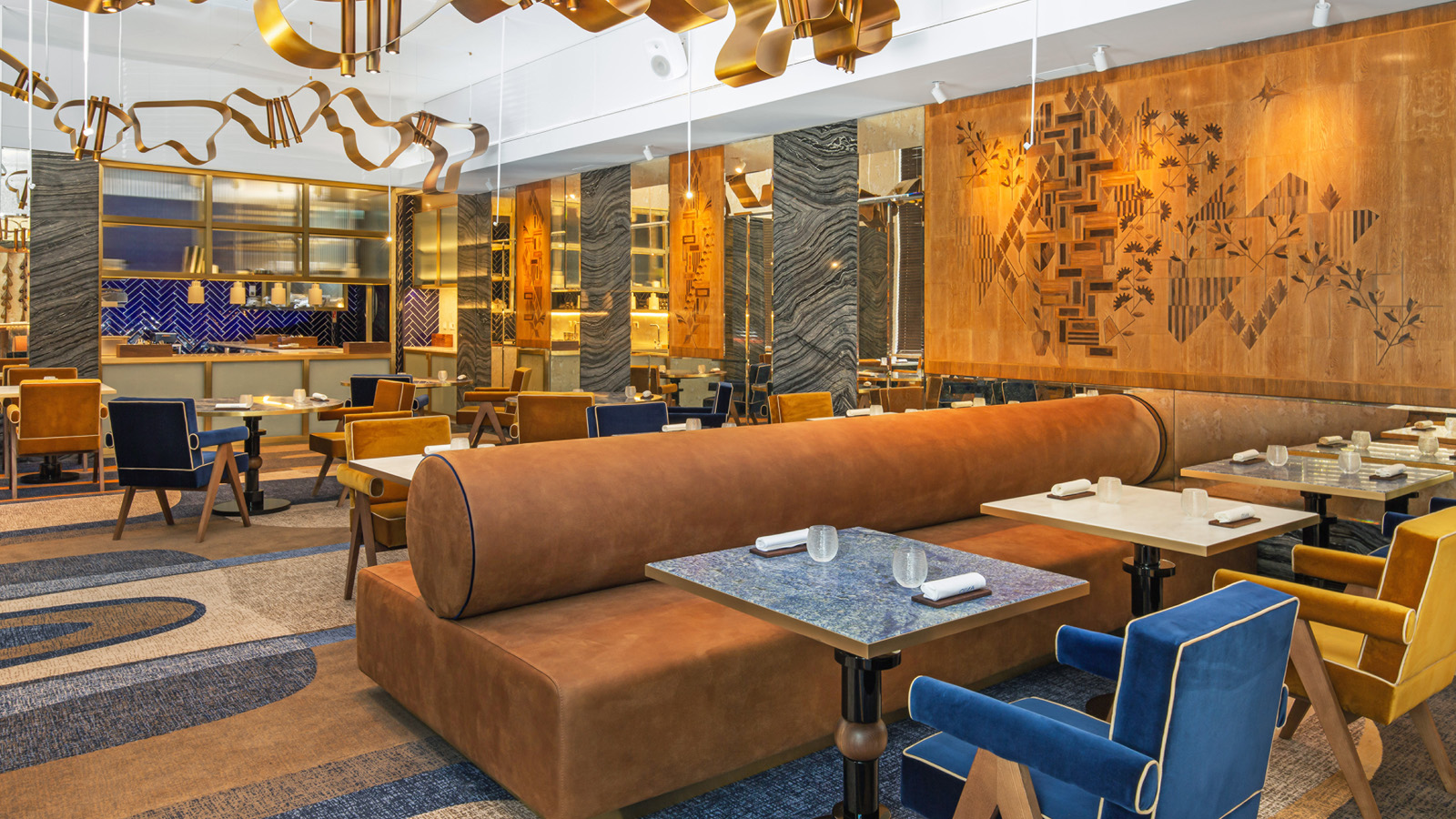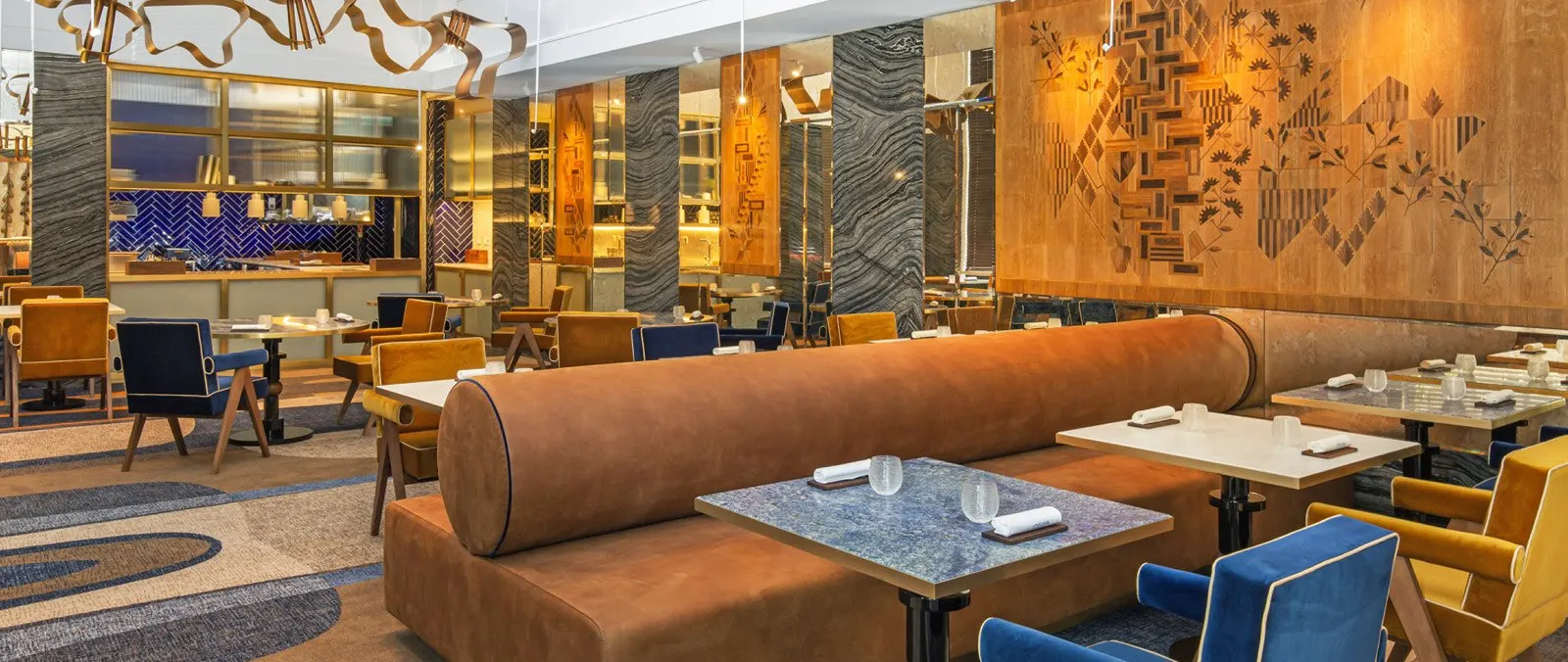
CURA, the Michelin-starred restaurant at Four Seasons Hotel Ritz Lisbon, has introduced an art programme that treats the dining room as a space for new creative work rather than simply a setting decorated with existing objects. Announced on 26 May 2026, the initiative is called CURADORISMO and was developed under Chef Rodolfo Lavrador. It invites contemporary artists to respond to the restaurant's tasting menu through ceramics, textiles and other material practices. The first edition featured Maria Ana Vasco Costa, with Vanessa Barragão identified as the next participant after September 2026. The concept is especially interesting in a hotel with a significant Portuguese modern-art collection of its own. For luxury lifestyle readers, the development shows how hospitality can become an active participant in cultural production instead of merely borrowing the prestige of art for atmosphere.
An established hotel with a cultural inheritance
Four Seasons Hotel Ritz Lisbon opened in 1959 and is known for a collection of Portuguese modern art. The hotel announcement names artists including Almada Negreiros, Carlos Botelho, Sarah Afonso, Querubim Lapa and Lagoa Henriques as part of that heritage. Works associated with a major hotel collection can be encountered in a different way from those displayed in a museum, because guests may see them as part of daily life rather than during a single formal visit. That setting carries opportunities and responsibilities. A hotel must preserve works appropriately and present their significance with clarity, while visitors should remember that the collection reflects particular choices and a particular historical period. The new programme engages with this existing identity.
CURADORISMO is more than restaurant decoration
The project's name draws on the idea of curation: selecting, relating and creating meaning through deliberate choices. In the kitchen, chefs already work through a similar process when deciding how ingredients, techniques and courses fit together. CURADORISMO extends that practice into the room itself. Artists are invited to develop original pieces in dialogue with the restaurant's menu rather than supply unrelated decorative objects. This distinction is important. If the resulting works genuinely respond to ideas in the food, the relationship between art and dining can be more coherent than hanging a few attractive pieces on a wall. The announcement describes a structured, evolving programme, not a temporary art sale or a one-off dinner.
Rodolfo Lavrador's creative involvement
Chef Rodolfo Lavrador is identified by Four Seasons as a central figure in the project. According to the operator, he had followed the work of the participating artists and wanted the menu to engage with other forms of expression. That is a compelling rationale because it begins with a specific artistic interest rather than a generic marketing theme. The kitchen's role remains culinary: its techniques, ingredients and the experience of dining provide material for another artist's interpretation. The project should not be understood as the chef commissioning literal illustrations of each course. The more useful question is how different creative disciplines can recognise shared concerns such as movement, texture, rhythm or contrast.
Ceramics offer a tactile dialogue
One of the first invited artists, Maria Ana Vasco Costa, works within a contemporary visual language that gives the project a material dimension. Four Seasons identifies ceramics as one of the media involved in CURADORISMO, connecting the programme with the shapes, surfaces and craft traditions that often accompany food. A ceramic object can invite attention to texture, weight and form, qualities also important when chefs design tableware and presentation. However, the artist's work should not be reduced to a functional serving vessel unless the hotel specifically describes it as such. Contemporary art has its own conceptual objectives, even when commissioned for a restaurant. The purpose is an encounter between practices, not the transformation of every artwork into a plate.
Vanessa Barragão continues the conversation
The original May release states that Maria Ana Vasco Costa's presentation would remain until September 2026, after which Vanessa Barragão would join the curatorial sequence. This timeline matters when reporting in November. The first artist should not be described as currently on show without fresh confirmation, while the second is part of the announced continuity. Barragão's practice is associated with textile-based approaches, making it an interesting counterpart to ceramic materiality. Textiles can evoke landscapes, organic structures and the work of the hand, but an article should not invent the exact appearance or dimensions of pieces not detailed in the source. Guests should inquire about which works are currently installed before planning a visit specifically around the art.
Food is the starting point, not the illustration
Four Seasons describes the unusual direction of the project as art being born from the kitchen. That reverses a familiar pattern in which chefs take inspiration from painting or sculpture to design a dish. CURADORISMO instead asks invited artists to respond to the restaurant's existing culinary narrative. The result could be a material exploration of an idea that originates on the plate but takes on a different meaning outside it. Such a relationship is most productive when the artist retains an individual voice rather than merely serving as a promotional extension of the kitchen. Guests should be able to appreciate the work without first memorising the full tasting menu, while learning about the collaboration can add depth.
What contemporary curation contributes
A curated programme differs from a permanent decorative scheme because it can evolve. The selection of artists, their working methods and the relationship between successive exhibitions can create a broader narrative across time. Four Seasons says CURADORISMO is intended to continue with different creative disciplines, allowing the restaurant's environment to change. That ambition requires more than a striking installation at launch. Visitors should look for clear attribution, information about the artists and an explanation of how their contributions relate to the project's concept. A thoughtful programme can strengthen local cultural connections, but it needs ongoing attention to remain meaningful after the initial announcement.
Lisbon's artistic context
Lisbon offers a rich cultural environment with museums, historic architecture and contemporary creative communities. The Four Seasons project participates in that wider landscape through its Portuguese art collection and its engagement with living artists. For visitors, the restaurant can be one part of a broader itinerary that includes independent galleries, design studios and public institutions. No single hotel collection can represent the city's full artistic history, and luxury hospitality should not be treated as a substitute for the wider cultural scene. The most rewarding travel often moves between formal institutions and everyday urban experiences, allowing different perspectives on the place to emerge.
A Michelin-starred culinary setting
CURA has held a Michelin star since 2021, according to the hotel's release. That status provides context for the ambition of the programme, but a restaurant's guide recognition and an artist's work are separate forms of assessment. A star does not validate the quality of an artwork, nor does a visually engaging installation guarantee the standard of a meal. The connection is creative rather than administrative. Both chef and artist make choices about materials, sequence and presentation, although the goals and criteria of their disciplines differ. The dining room becomes interesting when guests can observe those differences as well as the similarities. A good collaboration does not need to argue that cooking and visual art are identical.
Materiality and the dining experience
Fine dining engages the senses through texture, aroma, temperature, appearance and the progression of courses. Ceramics and textiles also depend on material properties, though they are experienced in different ways. CURADORISMO creates an opportunity to make these qualities more noticeable. A ceramic surface might draw attention to a form, while a textile work can invite consideration of pattern, accumulation or movement. The hotel's announcement suggests that the artists respond to rhythms and flavours within the menu. That does not establish a precise one-to-one correspondence between each dish and each piece. Visitors may find more pleasure in allowing the relationships to remain open to interpretation.
Art and hospitality should respect attribution
When a hotel invites living artists to make work for its interior, clear credit is essential. Guests should be able to learn who created a piece, what materials it uses and whether it is part of a temporary or continuing commission. The original release names the first two artists and the chef, providing a starting point for further research. A visitor should not assume that photographs of an installation may be used commercially without permission or that artworks are available for purchase. The photographer, artist and hotel may hold different rights. Responsible editorial coverage documents first-party imagery and attribution while avoiding unsupported claims about ownership or reproduction privileges.
Beyond the concept of 'Instagrammable' dining
Contemporary restaurants often invest in visually striking interiors because photographs circulate widely online. CURADORISMO may benefit from that visibility, but its stated aims are more ambitious. It seeks a sustained conversation between a chef's work and other creative disciplines. Reducing the project to a backdrop for social media would miss the point and risk turning the art into mere decoration. Guests can still appreciate the visual setting and photograph their experience where permitted, but the strongest encounter comes through attention. Reading an artist's name, considering the materials and comparing the work with the meal can create a richer memory than a single promotional image.
What travellers should confirm
The May 2026 announcement establishes the programme's launch, participating artists and intended curatorial progression, but it does not guarantee the precise arrangement of installations in November or beyond. Visitors interested in a particular artist should check directly with CURA for current exhibition details, restaurant hours and reservations. The release does not provide a comprehensive menu or a universal price for the dining experience, so those details should not be invented. Accessibility to artworks may also depend on the restaurant's operation and any private events. A well-planned visit begins with the distinction between a documented concept and the experience actually available on a chosen day.
Relevance to the luxury yacht audience
Owners and guests of 12–24-metre luxury yachts frequently travel through Portugal and may be interested in design, fine dining, contemporary collecting and culture. Lisbon's CURADORISMO is not a marine announcement and provides no evidence of a yacht-specific hospitality partnership. Its relevance is the shared value placed on craftsmanship and carefully designed environments. A yacht interior and a restaurant space are different kinds of projects, but both can use materials and artworks to express a particular identity. For travellers considering a shore-based cultural itinerary, CURA offers one example of hospitality participating in the city's creative life.
An ongoing dialogue rather than a finished exhibition
The most promising aspect of CURADORISMO is the decision to treat curation as a continuing programme. Four Seasons Hotel Ritz Lisbon's art history provides a foundation, while the restaurant and participating artists bring a contemporary perspective. The 2026 announcement identifies Maria Ana Vasco Costa as the first participant and Vanessa Barragão as the next, with further creative disciplines anticipated. The specific current display should be confirmed with the hotel, but the concept remains a meaningful subject for lifestyle reporting. It demonstrates how a restaurant can encourage conversation across art, craft and cuisine without claiming that one medium is simply an ornament for another.
Sources and image credits: Four Seasons Hotel Ritz Lisbon original 26 May 2026 press release, CURA Restaurant at Four Seasons Hotel Ritz Lisbon Brings Its Concept to Life Through a Curatorial Art Project, and official downloadable first-party editorial photography. Participants, programme sequence and historic collection details are attributed to the hotel; the cultural and design assessment is independent Luxury Yacht Guide reporting.
Sources and image credits
Reporting based on Four Seasons official original 26 May 2026 press release concerning Lisbon's CURA Restaurant Brings Contemporary Art Into Fine Dining.
Lead photograph: Lisbon's CURA Restaurant Brings Contemporary Art Into Fine Dining — official source press photograph. Image: Four Seasons Hotels and Resorts, original official editorial press image from source property; illustrative photograph credited to the hotel. Original official image source.