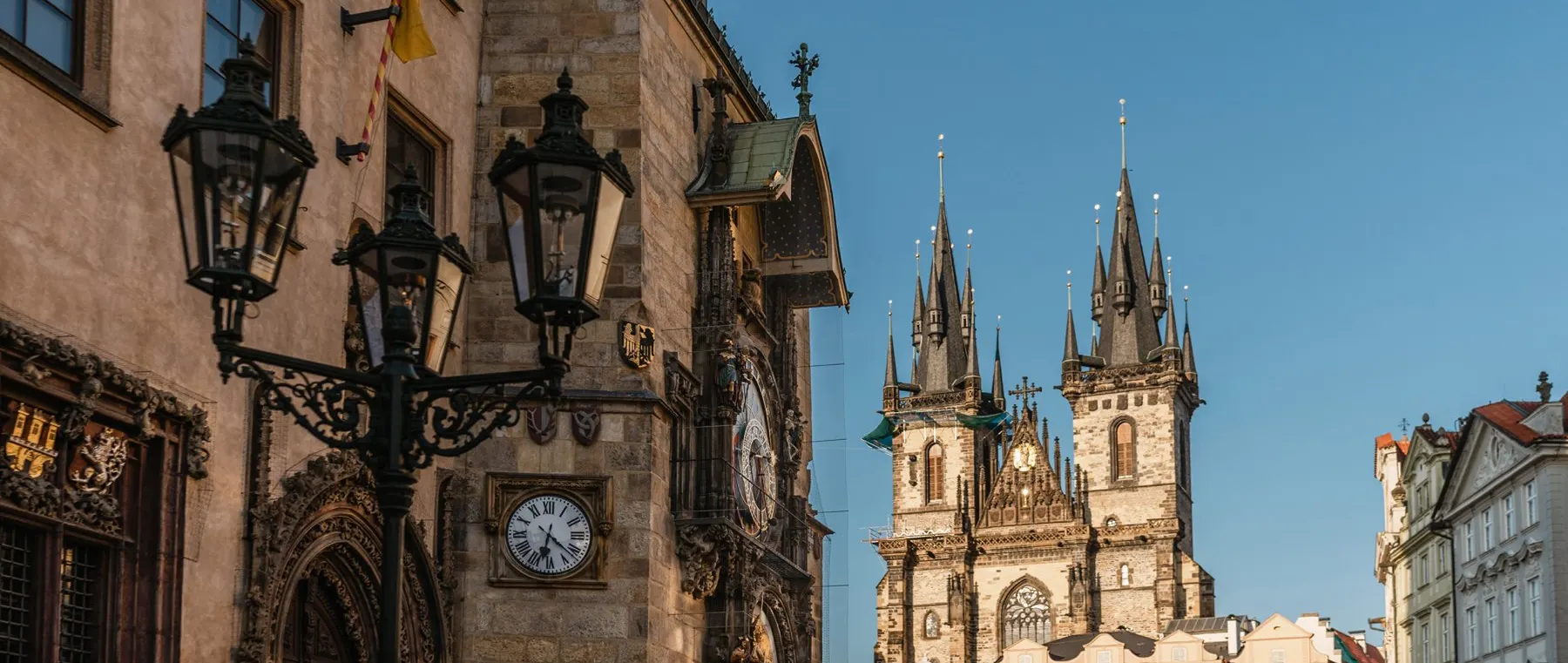
Four Seasons Hotel Prague has outlined a collection of cultural experiences that encourage visitors to discover the Czech capital beyond its best-known streets. An announcement published on 31 August 2026 describes private visits to historic libraries, an introduction to Bohemian glass engraving, guided city excursions and journeys on the Vltava River. The hotel also highlights dining with views of the city's skyline and a possible evening visit to Karlštejn Castle. Although parts of the original release were framed around late summer and early autumn, the underlying story remains relevant to travellers interested in cultural discovery. Prague is a city where architecture, craftsmanship and the river form a coherent sense of place, and the hotel's programme offers several ways to explore those connections.
The Vltava shapes the visitor's perspective
Four Seasons Hotel Prague stands on the banks of the Vltava River close to the Old Town. From this location, visitors can experience Prague's architectural landmarks within a relatively compact area. The river is more than a convenient backdrop for photographs: it helps define the relationship between neighbourhoods, bridges, churches and the castle above the city. A journey along the water can reveal a sequence of views that are difficult to assemble from street level alone. The hotel's late-summer announcement makes this geographical relationship central to its travel programme. Guests planning a visit should keep in mind that river conditions, weather and local navigation rules may affect boating experiences.
A private wooden boat offers a slower approach
The property describes access to a private wooden boat with a dedicated captain for excursions along the Vltava. This is a distinctive way to explore a city that is often approached on foot through crowded historic streets. Travelling on the river can create time to observe bridges and architecture without the pressure of moving from one attraction to another. However, it would be misleading to call the boat a luxury yacht or to infer technical specifications, passenger capacity or year-round availability from the hotel release. Any excursion requires separate confirmation of operating conditions and the practical arrangements. The programme's interest is the different viewpoint it can give a traveller, not a claim about a particular vessel.
Prague's historic libraries
Two of the cultural sites named in the hotel announcement are the Klementinum and Strahov libraries. Both are associated with the city's long intellectual and architectural history. A private visit can offer a different pace from a crowded public tour, especially for travellers interested in the relationship between books, knowledge and the spaces in which collections have been preserved. Yet private access should never be assumed simply because the hotel has publicised it as an experience. Historic libraries have conservation requirements and may restrict photography, visitor numbers and movement through particular rooms. Guests should confirm what areas can actually be visited and follow the guidance of the institutions responsible for protecting them.
Architecture as a record of scholarship
Libraries can be admired for their interiors, but their greater significance lies in their historical function. They reflect institutions that collected and transmitted knowledge over generations, sometimes through periods of considerable political and cultural change. Decorative ceilings and long rows of books may be visually memorable, yet they should not reduce a library to a photo opportunity. A thoughtful guided experience can explain what the collections represent, how they were assembled and why their preservation matters. Prague's cultural heritage includes complex histories that cannot be understood from architectural style alone. Visitors may find the most rewarding moments come from asking questions about the people who used these spaces.
The craft of Bohemian glass
Four Seasons also describes a glass-engraving experience introducing travellers to Czech craftsmanship. Bohemian crystal is internationally recognised, but the country's glass traditions extend beyond a single material or decorative style. Engraving requires control of tools, an understanding of surfaces and an eye for proportion. Even a short introduction can reveal how much judgement is involved in producing an object that initially looks effortless. A workshop should not be confused with professional mastery, and participants may need to follow safety guidance when using tools or handling glass. The value of such an encounter lies in observing skilled work and gaining appreciation for the material, rather than expecting to become a craftsperson in one afternoon.
Design and the act of making
A practical craft experience can alter the way travellers look at objects. After seeing the stages involved in engraving a piece of glass, a decorative item may feel less like an anonymous luxury purchase and more like the result of time, technique and individual decisions. This perspective is relevant to a wider range of design interests, from jewellery to interiors. It also encourages more informed questions about authenticity, provenance and the distinction between handwork and industrial production. The hotel's release does not identify the specific artisan or workshop involved, so those details require confirmation. A careful visitor should look for genuine engagement with local craft knowledge rather than assume every commercial experience provides the same depth.
Beyond the well-known city landmarks
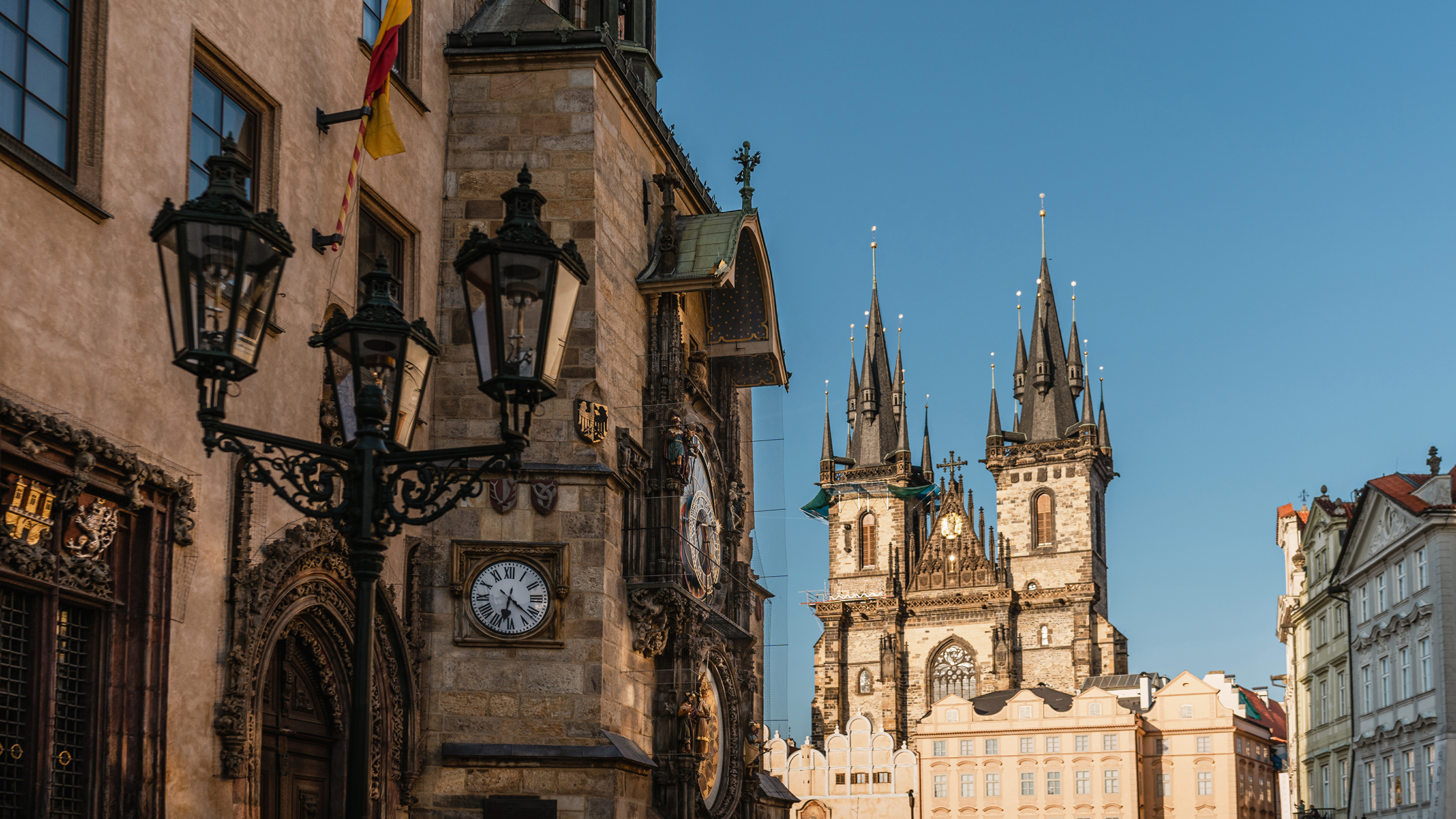
Charles Bridge and Prague Castle are among the landmarks highlighted by the hotel's location and suggested itineraries. Their importance is real, but travellers can sometimes overlook the smaller streets, courtyards and neighbourhood cultural institutions that give a city much of its character. Four Seasons describes guided experiences tailored to individual interests, including less familiar discoveries. Such flexibility is valuable for visitors returning to Prague or those who prefer a particular theme, such as music, architecture or the history of printing. A private guide can help connect places and interpret their significance, but guests should be clear about their interests before the day begins. An itinerary that attempts to cover everything may make each stop less rewarding.
Karlštejn after dark
The hotel's announcement mentions bespoke evening visits to Karlštejn Castle outside the city. Such an excursion can introduce travellers to a different landscape and a history extending beyond Prague's immediate streets. Evening access may create a memorable atmosphere, but historic sites often operate controlled schedules. The press release does not guarantee that any chosen evening can be booked or that all sections of the castle are open for private viewing. Transport, duration, accessibility and current visiting conditions should be checked with the organisers. The experience should be planned as a substantial excursion rather than an effortless addition to an already full city day.
Rooftop dining at MIRU
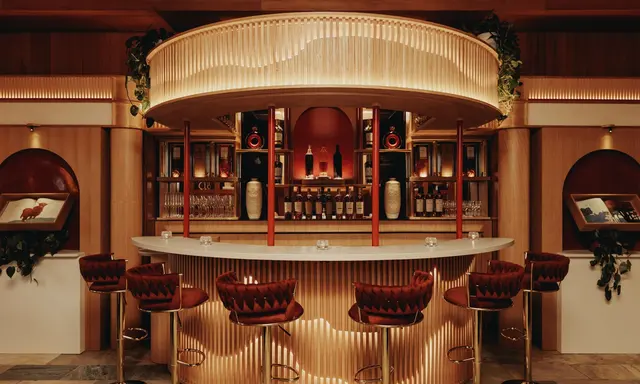
Among the culinary settings identified by Four Seasons is MIRU, a Japanese-inspired rooftop restaurant with four tables and panoramic views over Prague. The small number of tables is part of the atmosphere, but it also means reservations and operational schedules deserve particular attention. A rooftop venue may be sensitive to weather, particularly outside the warmer months. The hotel's original announcement places MIRU within its late-summer and early-autumn offering, so it should not be advertised as guaranteed to operate in the same form during November. Guests can still find the concept interesting as an example of how a historic city is viewed through contemporary hospitality and cuisine.
The riverside terrace at CottoCrudo
CottoCrudo is another restaurant in the hotel's seasonal programme, with a terrace overlooking the Vltava and an emphasis on Italian cuisine. The press release describes outdoor service and a view of the river, placing dining within the surrounding urban landscape. A terrace can be especially appealing when weather permits, but it is not a year-round promise of outdoor seating. Visitors planning for colder months should ask about the current arrangement and available indoor alternatives. Dining beside the river offers a different tempo from an excursion; guests can watch the city while enjoying an unhurried meal. The most effective hospitality makes both food and surroundings meaningful parts of the experience.
The Piazzetta for private occasions
Four Seasons also mentions its Piazzetta terrace for private celebrations and events. A small or secluded setting can appeal to travellers organising birthdays, reunions or other gatherings, especially when privacy is more important than scale. However, the original release does not establish minimum spends, booking requirements or present-day terrace availability. Hosts should confirm those practical details before planning an occasion. A well-chosen private venue allows people to concentrate on their guests rather than on logistical distractions. It is also worth considering whether a formal meal, a cultural visit or a quiet afternoon together better reflects the reason for the celebration.
AVA Spa and locally inspired treatments
For travellers interested in wellness, the hotel highlights AVA Spa and treatments involving Mcely Bouquet, a Czech wellness brand drawing inspiration from the country's natural environment. The combination gives the programme another local reference alongside glassmaking and cultural excursions. Products described as nature-inspired should not automatically be assumed to have particular medical benefits or universal suitability. Guests should ask about ingredients, treatments and any contraindications. The spa can provide an opportunity to rest after walking around the city, but its services should be understood as leisure and personal care rather than clinical treatment. The practical value is choice within a broader itinerary.
A cultural itinerary needs breathing room
A city such as Prague offers more potential activities than a visitor can comfortably experience in a few days. A private library visit, a glass workshop, a river excursion and dinner at a rooftop restaurant might each be worthwhile, but combining them all within one crowded afternoon could undermine their appeal. A considered plan leaves time for walking, conversation and spontaneous discoveries. It also accounts for opening hours and the need to travel between locations. The hotel's announcement provides a menu of possibilities rather than a single itinerary that must be followed. Luxury travel is often more rewarding when it protects the traveller's time instead of filling every available hour.
Seasonal reporting requires accuracy
The Four Seasons release is dated 31 August 2026 and refers explicitly to late summer and early autumn. As of 22 November, some outdoor dining arrangements and seasonal activities may have changed. It would be inaccurate to imply that a summer terrace menu or a particular excursion is automatically operating today. The appropriate distinction is between the experiences documented by the hotel and their current availability, which should be checked directly. The cultural value of Prague's libraries, glass traditions and river setting remains beyond any one season, but the practical arrangements for visiting those places can vary. Good travel reporting recognises that difference.
What this offers the yacht lifestyle audience
Owners and guests of 12–24-metre sailing and motor yachts may find Prague appealing as an inland cultural break away from the sea. The river cruise included in the hotel's programme is not a marine service for private ocean-going yachts, and the announcement does not establish a marina or yacht-transfer package. The relevance is a shared interest in well-planned travel, distinctive boats, beautiful architecture and craftsmanship. Visitors accustomed to viewing coastlines from a vessel may enjoy seeing a major European city from its river. Glass engraving, libraries and carefully chosen restaurants add cultural variety to that experience.
Prague through several different lenses
The most interesting feature of Four Seasons Hotel Prague's programme is the choice it offers between seeing, learning and participating. A river excursion changes the viewpoint; a library visit reveals historical knowledge; a glass-engraving workshop introduces the physical skills behind a renowned craft tradition. Dining and spa experiences can make the visit comfortable without becoming its sole purpose. The hotel first outlined these options in August 2026, and travellers should confirm which are currently available. For luxury lifestyle readers, Prague provides an example of a destination where meaningful experiences are built not simply around exclusive access, but around a deeper appreciation of the city's culture and material heritage.
Sources and image credits: Four Seasons Hotel Prague official 31 August 2026 release, Late Summer and Early Autumn in Prague: Exclusive Experiences, Golden Evenings and Iconic Sights, and its first-party downloadable press photography. The named sites, experiences and hotel programme are attributed to Four Seasons. Practical cautions, cultural context and itinerary analysis are original Luxury Yacht Guide reporting.
Sources and image credits
Reporting based on Four Seasons official original 31 August 2026 press release concerning Prague Cultural Itineraries Explore Libraries, Glass and the Vltava.
Lead photograph: Prague Cultural Itineraries Explore Libraries, Glass and the Vltava — official source press photograph. Image: Four Seasons Hotels and Resorts, original official editorial press image from source property; illustrative photograph credited to the hotel. Original official image source.