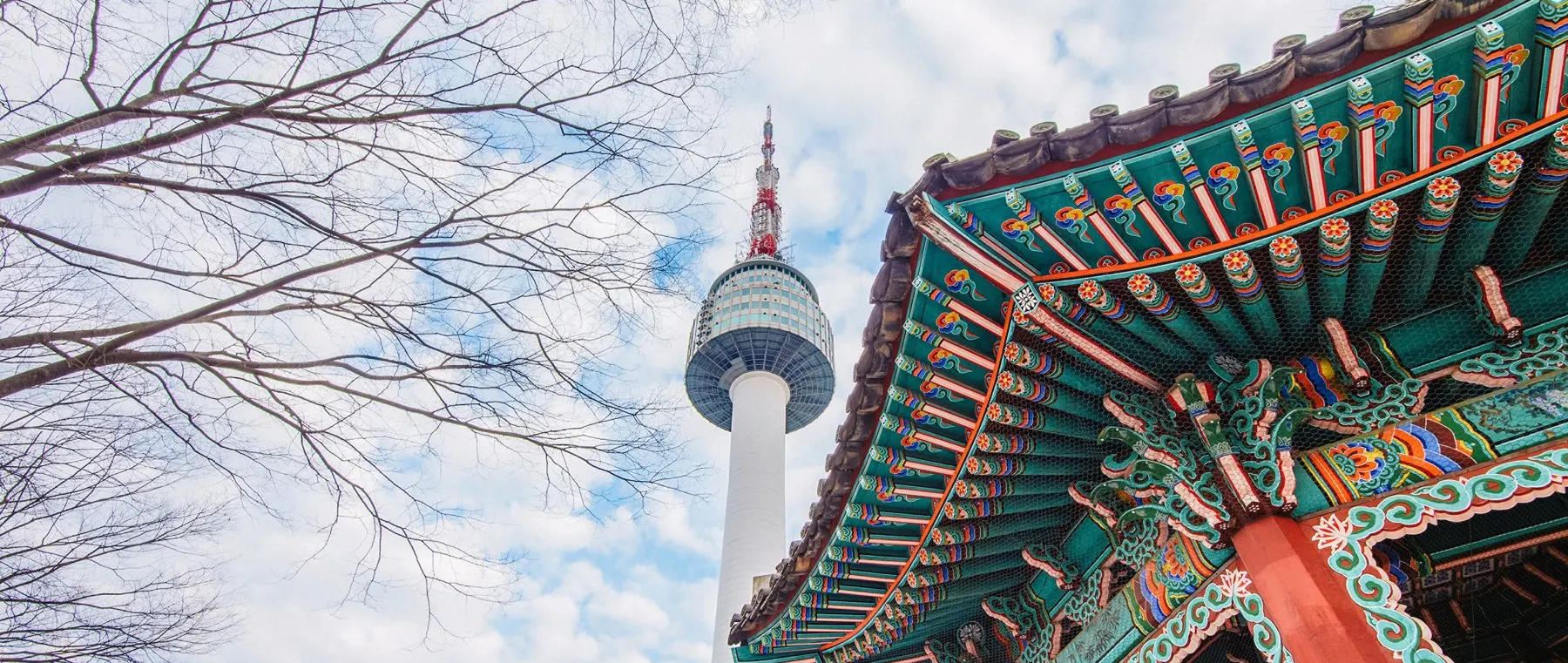
Four Seasons has created a combined Tokyo-and-Seoul hotel offer designed for travellers who want to experience two distinctive East Asian capitals within one journey. Announced on 29 May 2026 and advertised through 31 March 2027, the arrangement links Four Seasons Hotel Tokyo at Otemachi with Four Seasons Hotel Seoul. Guests booking at least two consecutive nights at each property receive a USD 100 hotel credit per stay at each hotel and one-way airport transportation to or from each participating hotel, according to the official release. The offer does not claim to include flights between Japan and South Korea. For luxury lifestyle readers, its appeal lies less in the hotel benefits than in the opportunity to compare two cities whose architecture, dining, cultural histories and contemporary design scenes offer very different experiences.
Two capitals as one journey
Tokyo and Seoul are both large, energetic cities, but a visitor quickly discovers that they have distinct identities. Tokyo's scale, transport system and overlapping historic districts create one style of urban exploration, while Seoul's palace neighbourhoods, hillside landscapes and contemporary cultural centres provide another. Four Seasons describes its programme as a conversation between the capitals rather than a competition between them. That is a useful way of planning a multi-city holiday. Instead of attempting to decide which destination is better, travellers can consider what each reveals about the region's varied history and present-day life. Two cities also require careful time management; travelling between them consumes part of the itinerary.
The offer runs into March 2027
The original announcement states that the Tokyo to Seoul, Perfectly Placed offer runs until 31 March 2027. A minimum stay of two consecutive nights is required at each hotel. The advertised benefits comprise a USD 100 hotel credit per stay in Tokyo, another USD 100 per stay in Seoul, and one-way airport transfers to or from each property. Such benefits may have terms and exclusions, and a press release does not guarantee availability on every date. Travellers should confirm eligible rates, transfer arrangements, the currency treatment of credits and cancellation conditions directly with the hotel before booking. The arrangement should not be mistaken for an inclusive package covering international flights or every activity described in the destination article.
Tokyo begins high above Otemachi
Four Seasons Hotel Tokyo at Otemachi occupies a high-rise setting overlooking parts of the capital, close to the Imperial Palace gardens. The property uses extensive views, contemporary interiors and curated artworks as part of its identity. For visitors, this offers a particular urban perspective, but it does not replace the experience of exploring the streets below. Otemachi is connected with business and government, while nearby districts reveal older neighbourhood patterns and more informal aspects of city life. A thoughtfully planned visit might use the hotel as a base rather than as the only destination. The surrounding area encourages exploration of public spaces, architecture, museums and everyday Japanese food culture.
The palace gardens provide a quieter contrast
The Imperial Palace gardens and surrounding moats offer a counterpoint to Tokyo's dense buildings and busy transport corridors. A walk here can make the scale of the city feel more manageable, while introducing visitors to a landscape with historical and symbolic significance. The hotel's announcement refers to the relationship between contemporary Tokyo and the city's older centres of power. That does not mean every palace area is publicly accessible, and visitors should check current opening arrangements and security restrictions. The value of including such places within an itinerary is to gain context, not simply to collect images of famous landmarks. Time spent understanding the setting can make the broader city feel less anonymous.
Dining in a contemporary Japanese capital
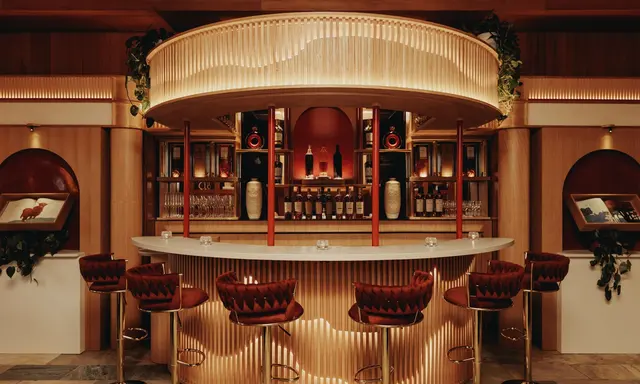
The Tokyo property's dining programme includes est, a French restaurant recognised by the Michelin Guide, and VIRTÙ, a cocktail venue known for its French-Japanese design references. The May 2026 release includes earlier ranking information for VIRTÙ, which may have been superseded by later editions. It is therefore better to regard the bar as one example of the hotel's hospitality offer rather than repeat an old ranking as if it were current. Tokyo's wider dining landscape is far more varied than luxury restaurants, and visitors might combine a formal dinner with neighbourhood cafés, markets or family-run kitchens. Contrasts of setting and style help reveal the city more fully.
Design is part of the Tokyo experience
Contemporary Japanese design is often described through restraint and attention to detail, but no single aesthetic can represent the whole country. Tokyo includes exuberant commercial spaces, quiet interiors, historic buildings and experimental architecture. Four Seasons presents its Otemachi property through light, art and carefully planned spaces. Travellers interested in architecture may find it useful to move beyond the hotel and observe how the city accommodates public transport, pedestrian life and changing urban needs. Such exploration does not require a luxury purchase or a special access package. The essential reward comes from noticing how design responds to place and how different neighbourhoods have developed over time.
Seoul offers a different historic setting
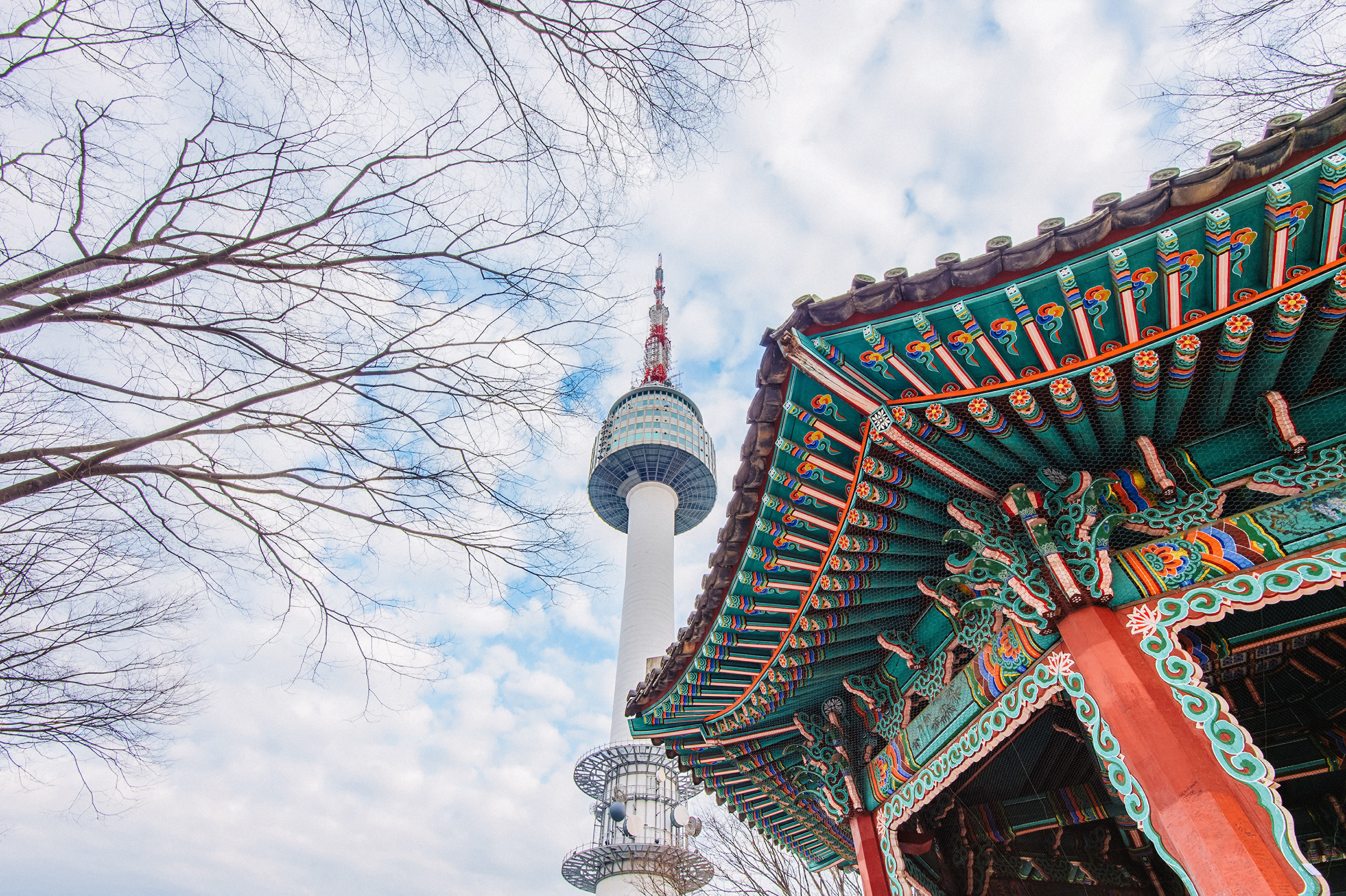
Four Seasons Hotel Seoul stands within the Gwanghwamun district, near Gyeongbokgung Palace, a major historic site associated with the Joseon period. The hotel describes a connection between Korean heritage and contemporary design. This location gives travellers an opportunity to examine how the city's past is represented amid modern development. Palace visiting hours and entry rules should be checked independently, and cultural sites deserve respectful attention beyond their photographic appeal. Seoul's history is complex, and its contemporary identity cannot be explained solely through architecture or popular entertainment. A balanced itinerary allows time to explore public museums, neighbourhood streets and local cultural institutions.
The hotel's art and dining programme
Four Seasons Hotel Seoul is described in the original release as hosting a collection of contemporary artwork and several restaurants and bars, including the Chinese restaurant Yu Yuan and the bar Charles H. These facilities illustrate the international nature of a luxury city hotel, but their presence should not imply that every guest will experience the same programme. Menus, hours and reservations may change. The most useful aspect is the ability to choose between different types of hospitality after a busy day exploring the city. Travellers might enjoy a quiet meal one evening and discover an independent local restaurant the next, building a more varied understanding of Seoul's food culture.
Seoul's contemporary creative energy
The hotel's programme highlights K-pop, Korean beauty, design districts and contemporary shopping as aspects of Seoul's current cultural landscape. These are significant areas of interest for many visitors, but they are not interchangeable or representative of every Korean person's life. A cultural journey should look beyond the largest global trends to understand the creative individuals, businesses and communities behind them. Galleries, independent bookstores and neighbourhood workshops can offer an alternative perspective. Travellers with particular interests may wish to research exhibitions and events independently before choosing dates. No standard hotel itinerary can encompass every part of a rapidly evolving city.
Seongsu, Insadong and other districts
The source announcement identifies Seongsu for beauty and creative retail, Insadong for galleries and cafés, and Dongdaemun for shopping. These areas offer different forms of urban experience, which is precisely why they can complement one another. However, a district's reputation may attract crowds, and visitors should not assume that all shops or studios are open at every hour. It is often better to explore one area carefully than to rush through several. A traveller might spend a morning viewing traditional crafts, an afternoon looking at contemporary design and an evening simply enjoying a meal. Such pacing can make a short city break more meaningful.
Walking into the hills around Seoul
Four Seasons suggests Bugaksan Mountain as an option for travellers who enjoy outdoor activity. The presence of accessible hillside landscapes is one of Seoul's distinctive geographical features. A city visit can therefore include both cultural institutions and time outdoors. Hiking conditions vary with the season, weather and particular trail, and some routes may have restrictions or require preparation. The hotel's general recommendation should not be treated as a route plan or guarantee of suitability for every traveller. Visitors should consult current local guidance and choose a walk consistent with their fitness and available daylight. Nature can enrich an urban holiday without turning it into an endurance challenge.
Bathing culture is another point of difference
The official release refers to a hotel interpretation of Korean sauna traditions as one possible restorative experience. Bathing practices have cultural histories and variations that should be approached with curiosity and respect. A hotel wellness service should not be assumed to represent every aspect of traditional Korean bathing, nor should it be presented as a medically proven treatment. Heat exposure may not suit everyone, particularly visitors with particular health conditions or medications. Travellers can appreciate the social and sensory aspects while making informed choices. The idea of including a quiet wellness period between city activities can be appealing, but participation should always be voluntary.
Airport transfers need careful interpretation
The package includes one-way airport transportation to or from each hotel, according to Four Seasons. That wording does not establish a transfer between Tokyo and Seoul, which are separated by the sea and require separate transport planning. International flights, immigration requirements and baggage arrangements remain the traveller's responsibility unless a booking contract says otherwise. The logistics of a dual-city holiday can be simple with good planning, but travellers should still consider flight schedules and the time needed for airport formalities. It is also important to confirm which airports the transfer benefit covers, any vehicle restrictions and the conditions for using the hotel credits.
Why two nights may feel short
The required minimum is two consecutive nights at each property, but that does not mean two nights are enough to explore either city comprehensively. Travel days can reduce the time available for museums, neighbourhood walks and restaurants. Visitors with a strong interest in architecture, food or history may prefer a longer stay, even if the promotional benefit can be obtained with a shorter one. A multi-city arrangement works best when it reflects what the guest wants to learn and experience rather than simply the number of places listed on a schedule. The announcement gives a framework that can be extended or adapted, subject to current booking terms.
The value of travelling between contrasting places
A single-destination holiday can offer depth, while a two-city journey can reveal useful differences. Tokyo and Seoul provide opportunities to observe how distinct societies incorporate heritage into contemporary urban life. Neither should be reduced to a stereotype of tradition versus modernity, since both contain old and new forms of culture. The pairing becomes most interesting when travellers notice specific details: the design of public spaces, regional food traditions, relationships between buildings and landscape, or the atmosphere of different neighbourhoods. Such observations require time and attention more than an elaborate itinerary. The hotel programme may make logistics easier, but curiosity remains the traveller's responsibility.
Relevance for owners of smaller luxury yachts
Owners and guests of 12–24-metre luxury yachts often undertake international journeys away from their vessels. Urban culture, art and gastronomy can be important parts of that travel. The Seoul–Tokyo programme is not a yacht package and does not include any claimed vessel connection, marina facility or nautical service. Its relevance to a luxury yacht lifestyle publication is the broader interest in carefully designed experiences and destinations. A city trip may complement coastal cruising, but it should be presented accurately as air and land travel between two capitals. The value of the story is the cultural pairing, not an artificial maritime link.
A continuing offer with clear limits
As documented by Four Seasons on 29 May 2026, Tokyo to Seoul, Perfectly Placed offers hotel benefits for eligible stays at Four Seasons Hotel Tokyo at Otemachi and Four Seasons Hotel Seoul through 31 March 2027. The company describes an experience-led approach that allows guests to explore both cities with flexibility. It does not establish that every proposed activity is included or available without separate arrangements. Travellers should confirm the current offer before making a booking. For luxury lifestyle readers, the idea illustrates a thoughtful approach to multi-city travel: using comfortable bases as starting points for a deeper encounter with two places whose similarities and differences reward unhurried exploration.
Sources and image credits: Four Seasons Hotel Seoul and Four Seasons Hotel Tokyo at Otemachi, original joint press announcement dated 29 May 2026, Tokyo to Seoul, Perfectly Placed. First-party downloadable photographs of the participating properties. Hotel benefits, included transfers, dates and venue descriptions are attributed to Four Seasons; travel-planning and cultural analysis is original Luxury Yacht Guide reporting.
Sources and image credits
Reporting based on Four Seasons Hotel Seoul and Tokyo at Otemachi joint 29 May 2026 dual-city cultural travel offer.
Lead photograph: Tokyo and Seoul Join in a Dual-City East Asian Cultural Journey — official Four Seasons editorial photograph. Image: Four Seasons Hotel Seoul and Tokyo at Otemachi, original hotel press photo illustrating the two-city travel programme. Original official image source.