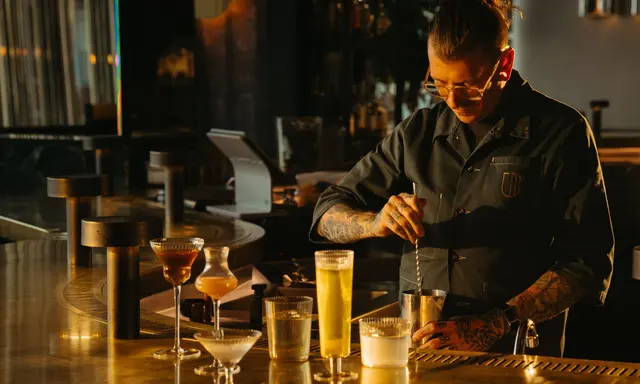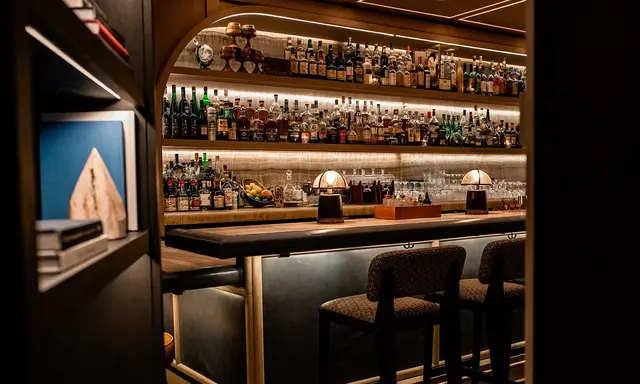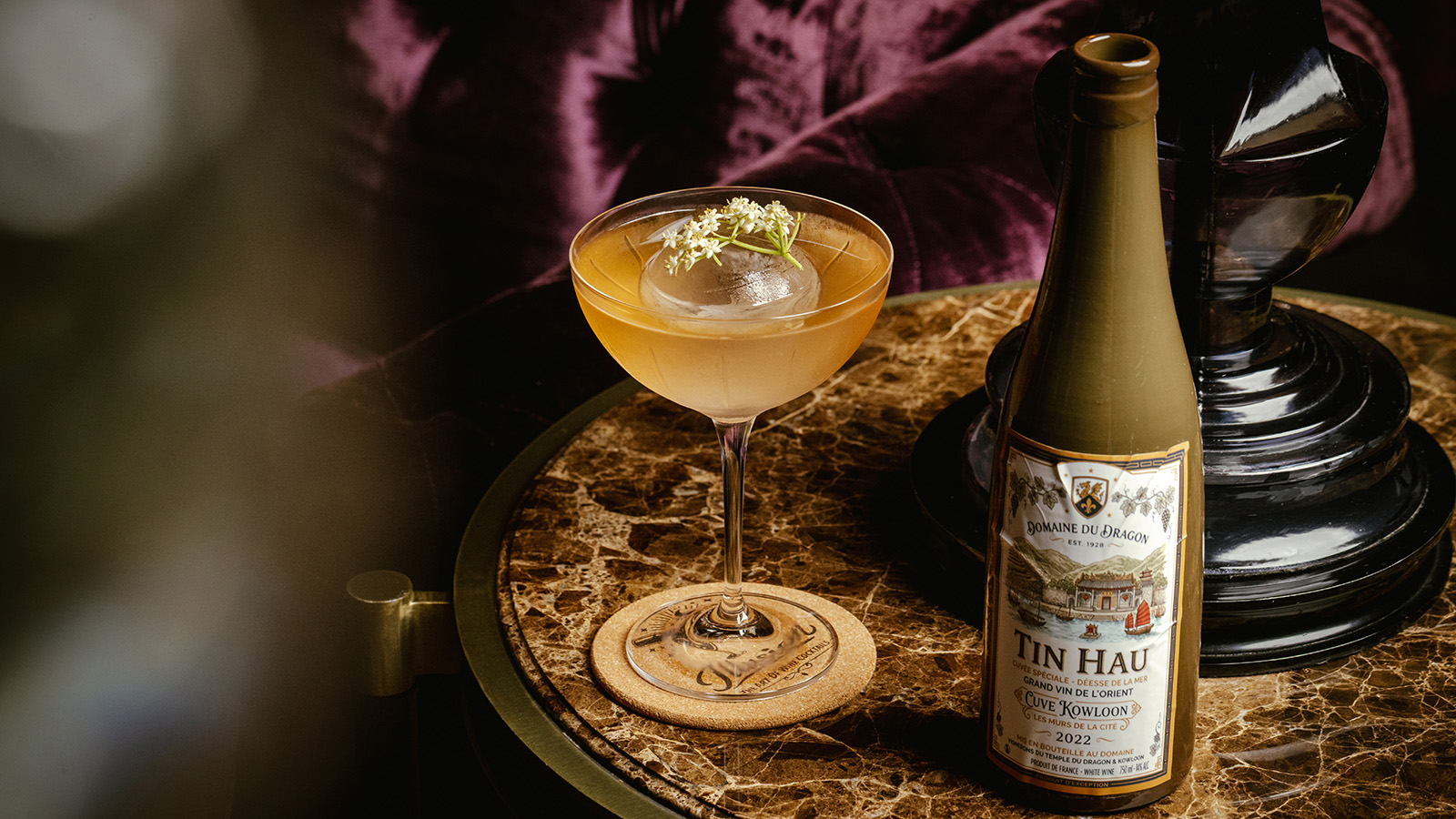
Caprice Bar at Four Seasons Hotel Hong Kong has introduced an inventive cocktail collection designed to resemble a celebrated wine list while using unconventional combinations of spirits, fruit, herbs and aromatic ingredients. The nine-drink menu, called Illusion, was announced on 15 July 2026 and remains a notable example of how a bar can use familiar references to encourage a different kind of tasting experience. Each creation is named after a Hong Kong district or landmark and takes its flavour inspiration from a famous wine style. Some are presented in specially labelled bottles and poured at the table in the manner of a sommelier. The concept is a hospitality experience, not a claim that the resulting cocktails have been made from the wines they imitate.
A wine list that is not a wine list
The central device of Illusion is deliberate misdirection. Guests encounter labels and descriptions that suggest prestigious wine styles, but most of the liquid inside has been assembled from other ingredients. Four Seasons explains that the aim is to evoke a wine's aroma, texture and remembered character, rather than reproduce its chemistry or authenticity. This distinction is essential. A cocktail associated with Burgundy is not a substitute for an actual Burgundy bottle, and a reference to Champagne is not a claim that the drink meets the definition of that protected category. The creative pleasure comes from noticing how the bartender uses flavour expectations as a starting point for something new.
Anyss Saintilan leads the programme
Bar Manager Anyss Saintilan is identified in the hotel release as the creative figure behind the collection. His approach treats wine memories as a series of sensory clues: butter and creaminess might recall a Chardonnay, while red berries and earthy notes can suggest Pinot Noir. Translating those impressions into a drink requires decisions about acidity, sweetness, texture and aroma. This is not a scientific recreation of a wine's composition. It is an interpretation of what a guest may associate with the wine. The distinction makes the menu accessible to curious visitors who enjoy culinary ideas but do not want to take part in a formal blind tasting.
The connection with the neighbouring restaurant
Caprice Bar sits alongside Caprice, the French restaurant at Four Seasons Hotel Hong Kong that has received three Michelin stars. The bar's wine-inspired menu acknowledges that gastronomic context through its references to celebrated vineyards and the manner of table service. Yet the bar remains its own venue, with different expectations and an independent creative identity. A cocktail menu inspired by famous wine regions should not be confused with the restaurant's actual wine cellar. Visitors may choose the bar for its atmosphere and inventive drinks without planning a multi-course meal next door. The relationship is conceptual rather than a promise of a combined booking.
Nine names drawn from Hong Kong
The collection uses local place names instead of placing European appellations directly on its menu. Sai Ying Pun, Sheung Wan, Tin Hau, Lamma Island, Mid-Levels, Caprice Bar, Happy Valley, Lantau Island and Victoria Peak supply the nine titles. The approach creates two layers of association: each drink evokes a particular wine style while its name refers to Hong Kong itself. That dual identity matters because a luxury hotel bar can otherwise feel detached from its location. The names invite visitors to think about neighbourhoods and landmarks, even when the flavours are inspired by distant European regions.
Sai Ying Pun evokes a fine sparkling wine
The opening cocktail draws on the idea of a dry Blanc de Blancs Champagne. Instead of presenting that wine, the bar uses ingredients including mango-infused gin, a creamy shochu component and lemon zest, with carbonation helping create the impression of fine bubbles. The composition is described by Four Seasons as surprising in its tropical character. Its apparent relationship to a prestigious cuvée is an artistic reference, not evidence of wine provenance. The interesting challenge is how a drink can feel crisp, lively or celebratory without using the ingredients a guest expects from the label. Such an approach may appeal to people who enjoy playful design and careful presentation.
Sheung Wan explores the idea of white Burgundy
The Sheung Wan cocktail uses roasted-butter fat-washed vodka, verjus and saline elements to suggest the richness and acidity associated with certain white Burgundies. The wine-inspired reference is useful because it explains the purpose of ingredients that might otherwise sound unusual in a cocktail. Fat-washing is one technique used in contemporary mixology to carry aromatic qualities into a spirit, while verjus can provide acidity in a different form from citrus juice. The official release identifies these components but does not establish the precise recipes or quantities. A preview can explain the idea without pretending to reproduce the drink or claim an independent judgement of its flavour.
Tin Hau takes inspiration from Viognier
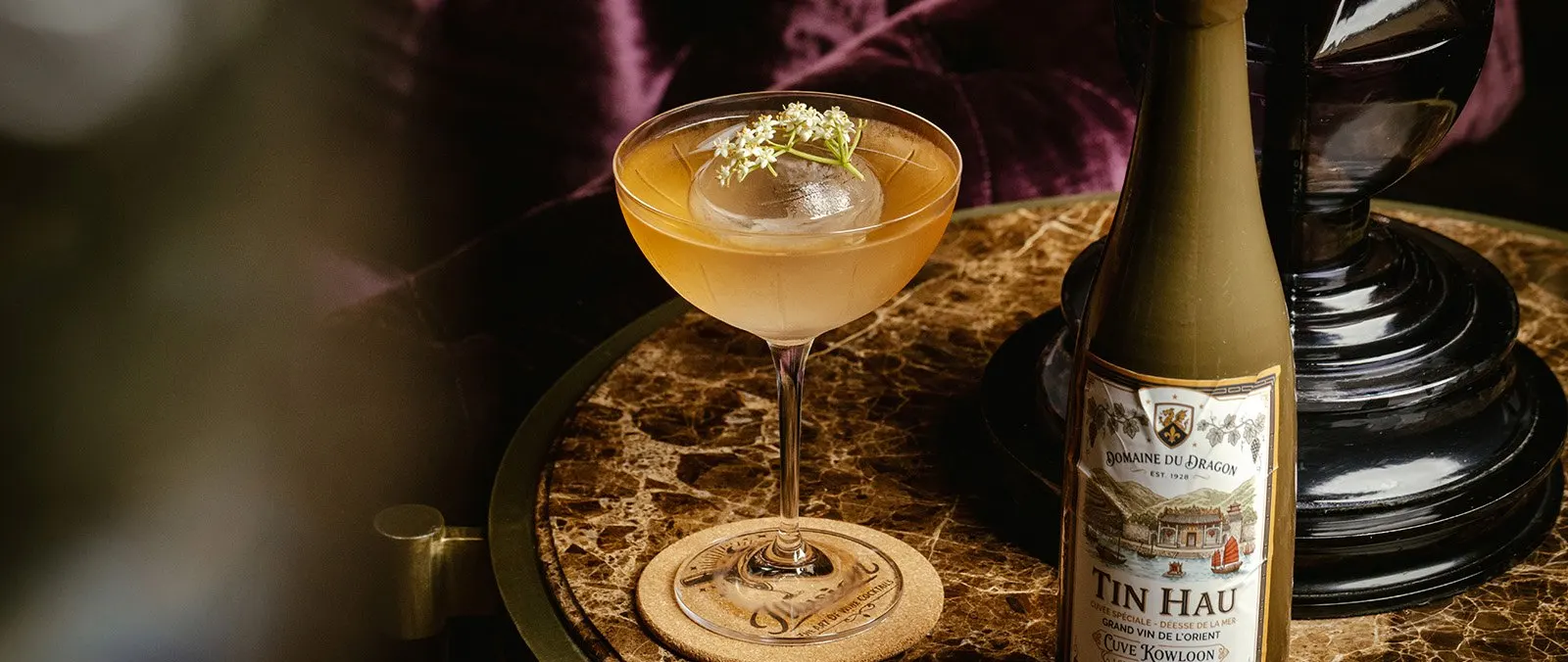
Tin Hau is described as an aromatic interpretation of a Northern Rhône Viognier, with peach-infused pisco, elderflower liqueur and a vegetal note of celery. Viognier can be associated with floral and stone-fruit aromas, making the wine a useful reference point for the bar's design. The resulting drink remains a cocktail rather than a wine, and its suitability depends on the visitor's preferences. The combination also demonstrates how bartenders can use familiar aromas as a bridge into unfamiliar spirits. Guests with ingredient sensitivities should ask for the full composition, since a poetic description cannot replace precise information about what is in the glass.
Lamma Island suggests a delicate red
The Lamma Island creation evokes Pinot Noir using gin, raspberry, beetroot and cherry liqueur. Four Seasons describes the aim as capturing fruit and earthiness in an alternative form. Beetroot may be particularly unexpected to a visitor who associates cocktails with citrus and sweet syrups, but vegetal ingredients can introduce complex aromatic references. The use of a wine style as a guide does not mean the drink will taste exactly like an aged Burgundy. The point is to give the guest a recognisable direction before introducing a surprise. That can create a more interesting conversation than a generic description of a red-fruit cocktail.
Mid-Levels uses a savoury approach
The menu's Mid-Levels cocktail draws on Rhône Valley red-wine associations, using tequila and mezcal infused with elements such as sour cherry, thyme and black olive. It is served with an olive-based tonic, according to the announcement. This is a deliberately savoury direction, contrasting with the widespread expectation that cocktails should be either fruity or sweet. Olive and herb notes can recall landscapes and food traditions as well as wine aromas. Guests should nevertheless avoid interpreting a marketing analogy to terroir as a literal claim that the cocktail has the same agricultural origin as the wine that inspired it.
A cocktail named for the bar itself
Caprice Bar, the sixth creation, is described as a Negroni-based interpretation of a leading Bordeaux, using cocoa-butter-washed cognac, herbal wine-like bitterness and blackcurrant notes. Its name ties the drink directly to the venue, while its flavour references evoke an international fine-wine tradition. The comparison illustrates the artistic language of the entire menu: a cocktail can use texture and aroma to suggest something familiar without becoming that original object. The ingredient list matters because guests may have preferences or dietary limitations that are not obvious from the final presentation. The hotel has made the conceptual elements public, but visitors should still request current information before ordering.
Happy Valley references the Jura
The Happy Valley creation uses the idea of Vin Jaune, the oxidative wine associated with France's Jura region. The published cocktail combines bourbon, some actual Vin Jaune and a touch of absinthe. Unlike the fully reconstructed drinks, this one includes a wine component among the other ingredients. That difference demonstrates why the menu should not be described as entirely wine-free. It also illustrates how flexible the bar's approach is: some drinks rely on an impression, while others incorporate a small amount of the original reference. A journalist should preserve that nuance rather than repeat a simplified statement that every wine on the list is an illusion with no actual wine inside.
Lantau Island turns a Port reference upside down
The Lantau Island drink starts from the image of a dark fortified Port but uses red-fruit elements such as plum-infused Campari and carbonated guava water. Four Seasons calls it the lowest-alcohol selection among the nine. That does not mean it is free of alcohol, nor does it establish an exact alcohol-by-volume figure. The contrast between an imagined fortified wine and a lighter, effervescent drink is part of the surprise. For guests interested in moderation, the sensible approach is to ask the bar for strength and serving details rather than rely on a relative phrase such as lowest alcohol. Precision should accompany creative presentation.
Victoria Peak makes a dramatic finale
The final drink evokes Sauternes, the celebrated sweet-wine style, and is presented through a striking three-litre bottle format. The cocktail includes a Negroni element and a Sauternes component, with saffron, citrus notes and a bespoke apricot-and-saffron chocolate made by Hong Kong producer Conspiracy Chocolate. The bottle size is part of the presentation and should not be interpreted as a three-litre individual serving. This detail shows how packaging and theatrical service can influence an experience as much as the drink itself. The bar's intention is to end the sequence on an impression of richness and contrast, not to reproduce a dessert wine faithfully.
Wine culture without a conventional tasting
The menu might appeal to wine enthusiasts who enjoy recognising familiar aromatic references, but it can also interest people with little knowledge of appellations. The structure offers a gentle way to learn about contrasts between dry, rich, aromatic and sweet styles. However, it should not be treated as a technical wine course or evidence that different wine regions can be reduced to one flavour description. Real wines vary widely, and the bar's creations are subjective interpretations. The experience is best approached as an imaginative conversation between forms of hospitality rather than a scientific test of whether a cocktail can imitate a protected wine name.
Price and responsible enjoyment
Four Seasons lists the cocktails from HKD 220, subject to a ten per cent service charge, in the original announcement. Prices and availability should be confirmed directly because a July release is not a real-time menu. The nine drinks contain alcoholic ingredients, even where some are described as relatively light. Guests who avoid alcohol may still appreciate the bar's atmosphere, but should ask about separately available non-alcoholic alternatives rather than assume the Illusion list provides them. Alcohol carries health and safety risks regardless of a drink's artistry. A well-designed bar respects personal choice and provides clear information without pressure.
The wider Hong Kong experience
Caprice Bar is located within a major international hotel in Hong Kong, a city with a diverse restaurant and beverage scene. The local district names on the menu provide an unusual link between high-end hospitality and urban geography. A traveller could use those references to learn about the city's neighbourhoods, although the menu does not include guided tours or associated transport. The most rewarding destination experiences often begin with a small detail that prompts further curiosity. Here, a cocktail title might lead a visitor to explore a district beyond the hotel. That is a possible cultural connection, not a formal benefit supplied with the drink.
Why the story belongs in luxury yacht lifestyle
Owners and guests of 12–24-metre luxury yachts may have interests in fine wine, design, culinary technique and distinctive urban places. The Illusion menu addresses those interests through a highly specific hospitality concept. It is not a yacht service, and no private-vessel package is announced. The cultural relevance lies in the craftsmanship and imagination used to create a memorable experience. Just as yacht interiors can communicate themes through materials and careful detailing, a well-designed bar can build an identity through flavour, glassware and presentation. The analogy is about design values, not a claim of any commercial relationship.
A July launch with continuing relevance
Four Seasons Hotel Hong Kong introduced the nine-drink Illusion menu in July 2026, and the release describes it as available at Caprice Bar. This article does not portray the launch as an event that occurred in November or claim that every drink is still available without confirmation. The documented details are the nine Hong Kong-inspired names, the wine references, the conceptual method and the original price indication. For luxury lifestyle readers, the menu is an interesting example of a bar using storytelling to broaden the experience of a familiar hospitality ritual. The appeal rests on playful but disciplined interpretation rather than on the pretence that a cocktail is the wine its label suggests.
Sources and image credits: Four Seasons Hotel Hong Kong official 15 July 2026 release, Pick a Bottle, Find the Truth: Caprice Bar Launches Illusion. Images are sourced from the first-party downloadable Caprice Bar press gallery and credited to Four Seasons. Menu names, ingredients and opening prices are attributed to the operator; wine context and design analysis are original Luxury Yacht Guide reporting.
Sources and image credits
Reporting based on Four Seasons Hotel Hong Kong official 15 July 2026 Caprice Bar Illusion cocktail announcement.
Lead photograph: Caprice Bar Hong Kong Reimagines Nine Great Wines Through Cocktails — official Four Seasons editorial photograph. Image: Four Seasons Hotel Hong Kong, original Caprice Bar Illusion menu photography from the official press gallery. Original official image source.