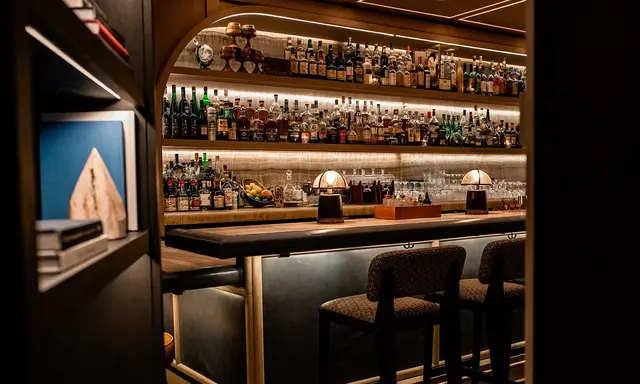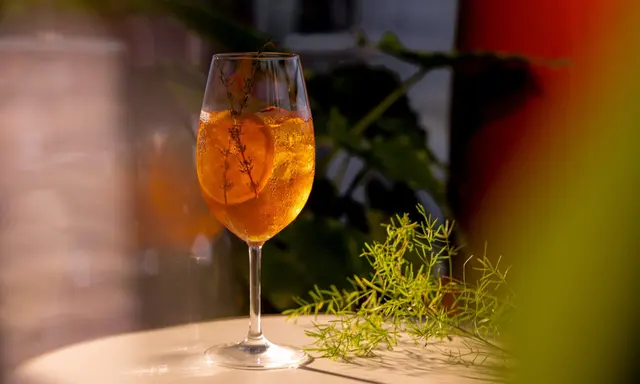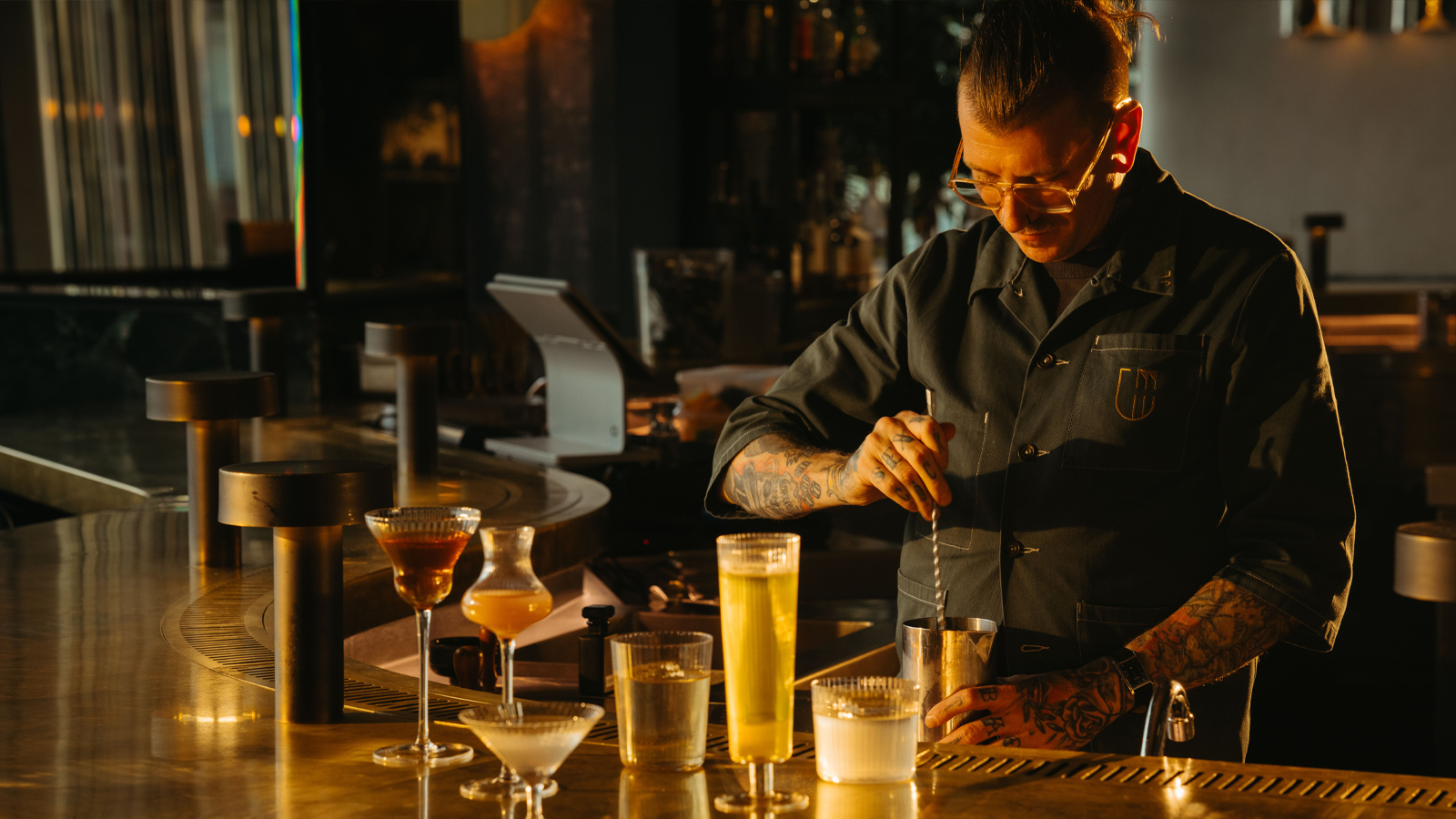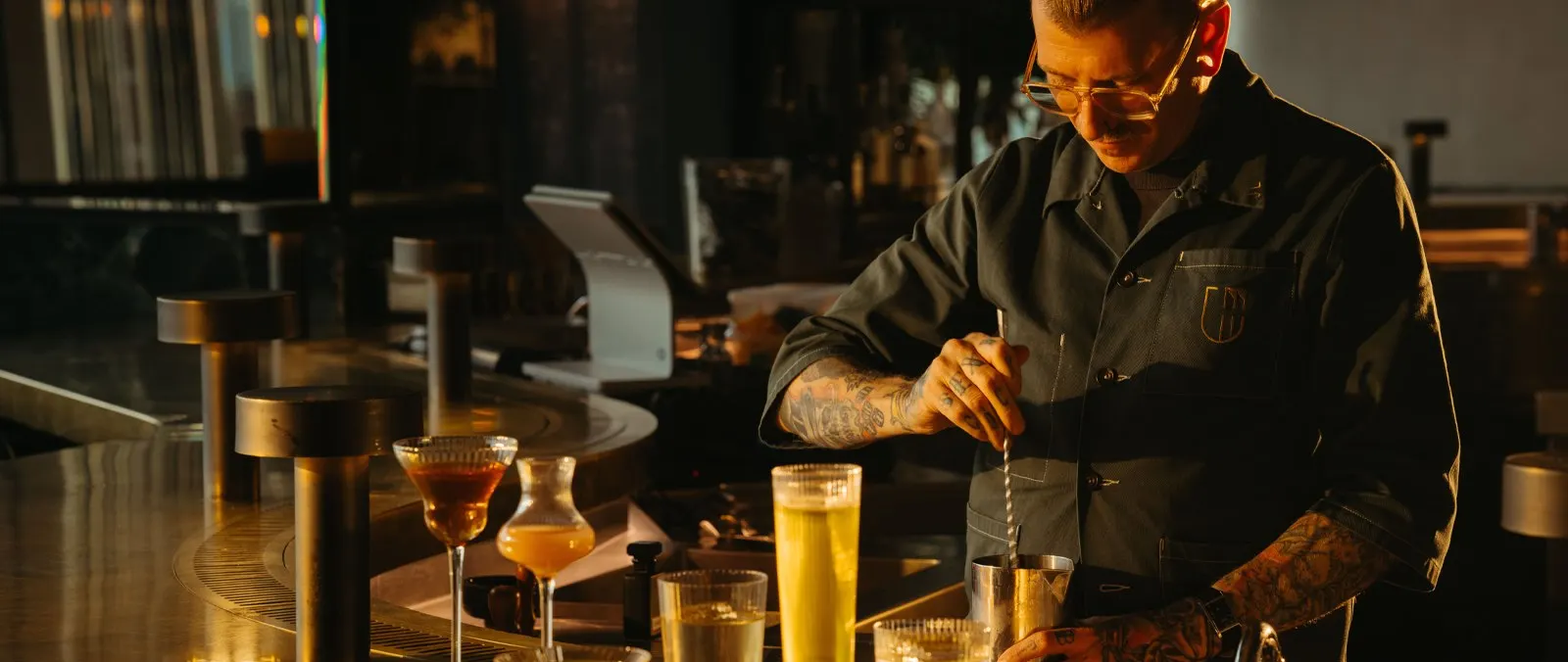
Marcus Night Bar at Four Seasons Hotel Montréal has launched Cocktail Tasting, Guerlain Edition, a six-part experience inspired by the aromatic language of the French beauty house. Announced on 3 November 2026, the tasting runs from 5 November to 19 December, connecting the hotel's Guerlain Spa with Head of Mixology Jay Lawson's approach to ingredients, texture and presentation. Jasmine, bergamot, rose, iris, vanilla and tonka each provide the theme for a miniature cocktail, with the iris interpretation made without alcohol. The concept does not invite guests to drink perfume or claim that a fragrance ingredient is automatically safe to consume. Instead, it explores how familiar aromatic references can be translated into an entirely different craft. For luxury lifestyle travellers, the interest lies in a collaboration where scent, taste and careful service meet in one social setting.
A conversation between perfumery and bartending
Perfumers and bartenders both work with aromatic materials, but their products are designed for different purposes. A fragrance is applied or experienced through scent, while a cocktail must be made from ingredients appropriate for consumption. The hotel's announcement presents the collaboration as a dialogue between these disciplines rather than the literal blending of perfume into drinks. That is an important distinction. A successful interpretation may communicate the idea of a floral or warm note through food-safe ingredients without reproducing the chemistry of a fragrance. Guests can appreciate the conceptual connection while expecting clear information about what is actually served.
Guerlinade provides the organising principle
The six drinks take inspiration from the Guerlinade, the signature aromatic accord associated with Guerlain's fragrance heritage. Four Seasons identifies jasmine, bergamot, rose, iris, vanilla and tonka as the central references. Each can suggest a different mood or flavour family, but the announcement does not publish complete recipes or specify every ingredient used to represent them. A signature accord is a historical idea within perfumery, not a food recipe to be copied without adaptation. The programme's creative task is to find edible and appropriate interpretations of those references through the language of cocktails.
Jay Lawson leads the tasting
Head of Mixology Jay Lawson developed the experience in collaboration with Guerlain Spa at the hotel. Four Seasons quotes him describing a shared interest in balancing aromatic notes and creating contrast. That approach is credible as a creative concept because both a drink and a fragrance may be experienced as a sequence rather than one flat sensation. However, the two disciplines differ in technique, safety and purpose. Lawson's work should be evaluated as bartending rather than fragrance manufacturing. The source establishes his role and the broad structure of the tasting, but it does not offer independent assessment of each finished drink.
Six miniature drinks create a sequence
The tasting format uses six small servings rather than a single full-sized signature cocktail. That allows the programme to progress through different aromatic themes and gives guests opportunities to compare them. The sequence may be interesting to people who enjoy discussing flavour and texture, although individual perceptions vary considerably. Six miniature servings can still contain alcohol, and the published description does not establish the total alcohol intake. Visitors should ask about serving size, strength and whether alternatives are available. The number of courses is not a measure of artistic quality; the important question is whether the sequence offers variety and a coherent sense of progression.
Jasmine introduces a floral reference
Jasmine is a familiar note in perfumery and is also associated with certain teas and food preparations. It can suggest a delicate floral character, although different products and extraction methods yield different results. The hotel's release identifies jasmine as a theme without giving a specific food-safe preparation. It should not be assumed that the cocktail uses perfume, essential oil or any other unverified material. A responsible tasting programme needs ingredients suitable for consumption and clear communication about allergens or sensitivities. The appeal lies in the way a floral reference may be interpreted through aroma and balance, not in claiming the drink is chemically identical to a fragrance.
Bergamot connects citrus and aroma
Bergamot provides a citrus reference that may be familiar to drinkers of Earl Grey tea as well as enthusiasts of fragrance. Its character can include aromatic and bitter notes, depending on the form used. The Montréal collaboration gives bartenders room to explore that association, but the release does not list a precise syrup, infusion or peel preparation. Those details should not be invented. A successful citrus-based drink depends on balancing acidity, sweetness and aroma so that the result remains pleasant. The broader interest is how a single aromatic idea can be recognised in several different contexts without requiring the same method of preparation.
Rose is a recognisable but delicate ingredient
Rose appears widely in cultural and culinary traditions, yet it is easy for floral flavours to become overpowering. In a cocktail, restraint may be more important than dramatic presentation. Four Seasons identifies rose as one of the six aromatic themes, not as evidence of a particular distillate or locally grown flower. Guests should ask what products are used if they have allergies or sensitivities. The programme is a creative interpretation of fragrance heritage rather than a lesson in the horticulture of roses. Its success depends on making the flavour enjoyable within the structure of a drink.
Iris is the alcohol-free creation
One notable detail is the iris-themed serving, which the hotel says is made without alcohol. That gives the tasting at least one non-alcoholic element and introduces variety in how the six themes are expressed. It does not establish that the remaining drinks can all be ordered alcohol-free or that the tasting as a whole is suitable for someone avoiding alcohol. Guests should confirm those matters directly. Iris is especially important as a fragrance reference, but the source does not imply that the flower or its roots are being consumed in an unsafe form. The concept can be communicated through appropriate food ingredients while preserving the intended aromatic association.
Vanilla contributes a warm and familiar direction
Vanilla is widely used in both perfumery and food, making it a natural bridge between the two disciplines. Its aroma can suggest sweetness even in preparations where sugar levels differ. The Montréal tasting uses vanilla as one of the six themes, but the release does not identify a specific bean origin or method of extraction. A guest may be interested in whether it appears as a syrup, infusion or another preparation; those are questions for the bartender rather than facts established by the announcement. The appeal lies in the possibility of creating contrast between a familiar warm note and more floral or citrus-oriented drinks.
Tonka requires particular attention to preparation
Tonka is another recognised perfumery reference, often associated with warm, sweet aromas. Its use in food is subject to different safety and regulatory considerations depending on location and preparation, so the precise ingredient choices of the Montréal bar should not be guessed. The hotel's announcement identifies tonka as an aromatic inspiration rather than publishing a complete recipe. That distinction matters because ingredients suitable for fragrance are not necessarily appropriate for ingestion. Guests should rely on the venue's professional food and beverage practices and ask about the finished drink's composition. Good design makes the concept understandable without obscuring practical safety.
Seasonal ingredients lend another dimension
Four Seasons says the menu uses house-made infusions and seasonal ingredients to develop texture and contrast. These techniques can give a tasting a distinct character rather than simply attach familiar floral labels to standard cocktails. However, a house-made product is not automatically superior or safer than a purchased one. Quality depends on the ingredient, preparation, storage and how it fits the final drink. The source does not provide a complete kitchen or bar protocol. An editorial assessment can discuss why infusions might matter without claiming direct knowledge of exactly how each of the six drinks is produced.
Marcus Night Bar provides an intimate setting
The experience is offered within Marcus Night Bar, part of the hospitality programme at Four Seasons Hotel Montréal. A relatively intimate environment can make a guided tasting more enjoyable because guests may want to ask questions and discuss the different aromatic themes. However, the announced format does not guarantee a private room or one-on-one instruction with Jay Lawson for every reservation. Seating, service and availability depend on the operator. The tasting should be understood as a bookable hospitality experience whose exact arrangements must be confirmed, not as a personalised perfume consultation or a class that confers professional expertise.
A connection with Guerlain Spa
The collaboration also invites guests to learn more about Guerlain Spa at the same hotel. Four Seasons describes the spa as Québec's only Forbes Five-Star spa, a specific recognition attributed to the operator. The spa and bar express different aspects of the brand's identity, but a cocktail booking does not automatically include a treatment. Prices and access arrangements for the spa need separate confirmation. The relationship is interesting from a design perspective: the same fragrance heritage informs both spaces, while each uses it in a way appropriate to its purpose. A sensory theme can connect different experiences without making them interchangeable.
The published dates and service period
According to Four Seasons, Cocktail Tasting, Guerlain Edition runs from 5 November through 19 December 2026, Thursday through Saturday from 4 to 10 p.m. The published price is CAD 95 per person, excluding taxes and gratuity. Those figures are specific to the announced programme and should be confirmed before booking. The original release identifies OpenTable as the reservation channel but does not establish a table for a particular date or party size. As of 22 November, the experience remains within its advertised period, making it more immediately relevant than a completed seasonal promotion. Prospective guests should verify availability directly.
Pricing should be understood in context
A tasting price may reflect preparation, service, ingredients and the creative work involved, but value depends on personal preferences. Someone interested in fragrance history or cocktail technique may appreciate a guided sequence of six servings, while another guest may prefer one familiar drink. The published CAD 95 excludes taxes and gratuity, so it is not necessarily the final amount paid. Guests should also ask whether food is included, as the source does not establish a comprehensive dining package. Accurate reporting of price and inclusions prevents a creative concept from becoming misleading travel advice.
Alcohol need not define the evening
The presence of a non-alcoholic iris creation is a reminder that the sensory interest of a drink does not have to come solely from spirits. However, the full six-part tasting may involve alcohol, and the risks associated with consumption remain relevant. Guests should make informed choices, consider transport arrangements and communicate any dietary restrictions. The use of luxury branding or refined presentation does not make drinking inherently safer. A bar can offer a memorable experience through hospitality and craftsmanship, including for people who prefer a smaller number of drinks or an alcohol-free option.
Montréal offers a broader cultural context
Montréal has a diverse food, arts and design scene shaped by several languages and communities. A Guerlain-inspired cocktail programme is one particular expression within that environment, drawing on French fragrance heritage while operating in a Canadian city. Visitors may enjoy the tasting alongside independent galleries, cafés and restaurants elsewhere. The hotel should not be presented as the definitive expression of Montréal's culture. Instead, it offers a specific, professionally organised experience that may prompt curiosity about the relationships between aroma, cuisine and design. A city becomes more interesting when travellers explore several perspectives rather than relying on one venue.
Relevance to luxury yacht lifestyles
Owners and guests of 12–24-metre luxury yachts may appreciate specialised hospitality, fragrance design and creative food and drink experiences during international travel. The Montréal programme fits those interests without requiring an invented marine connection. The hotel's press release contains no yacht charter, marina service or vessel-owner package. Its relevance is the attention given to craftsmanship and the way a sensory concept can shape a social occasion. A tasting of miniature cocktails and a carefully designed fragrance collection are distinct pursuits, but the collaboration offers a thoughtful bridge between them.
A current seasonal tasting with a defined concept
Four Seasons Hotel Montréal launched Cocktail Tasting, Guerlain Edition for 5 November through 19 December 2026, with six aromatic themes linked to Guerlain's signature accord and a non-alcoholic iris interpretation. Jay Lawson's programme uses the bar as a setting for creative exploration between taste and fragrance, while the associated spa supplies another expression of the brand's heritage. For luxury lifestyle readers, the significance lies in the disciplined translation of ideas between two different crafts. Reservations, precise ingredients and present availability should be confirmed directly, but the announced concept is clear: the familiar language of fragrance becomes the starting point for a social tasting rather than a product to be consumed.
Sources and image credits: Four Seasons Hotel Montréal, official 3 November 2026 release, Marcus Night Bar Unveils Cocktail Tasting, Guerlain Edition, with first-party downloadable cocktail photography. Dates, tasting themes, price and named personnel attributed to Four Seasons; culinary, design and safety commentary by Luxury Yacht Guide.
Sources and image credits
Reporting based on Four Seasons Hotel Montréal 3 November 2026 original Marcus Night Bar Guerlain Edition cocktail tasting launch.
Lead photograph: Montréal's Marcus Night Bar Interprets Guerlain Fragrance Through Six Cocktails — official first-party editorial press photograph. Image: Four Seasons Hotels and Resorts, original official first-party editorial press photograph published for Montréal's Marcus Night Bar Interprets Guerlain Fragrance Through Six Cocktails. Original official image source.