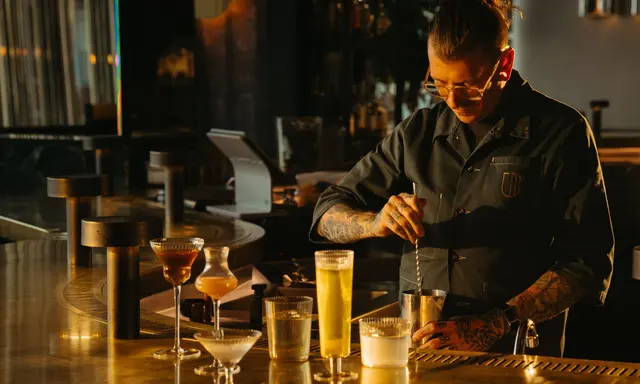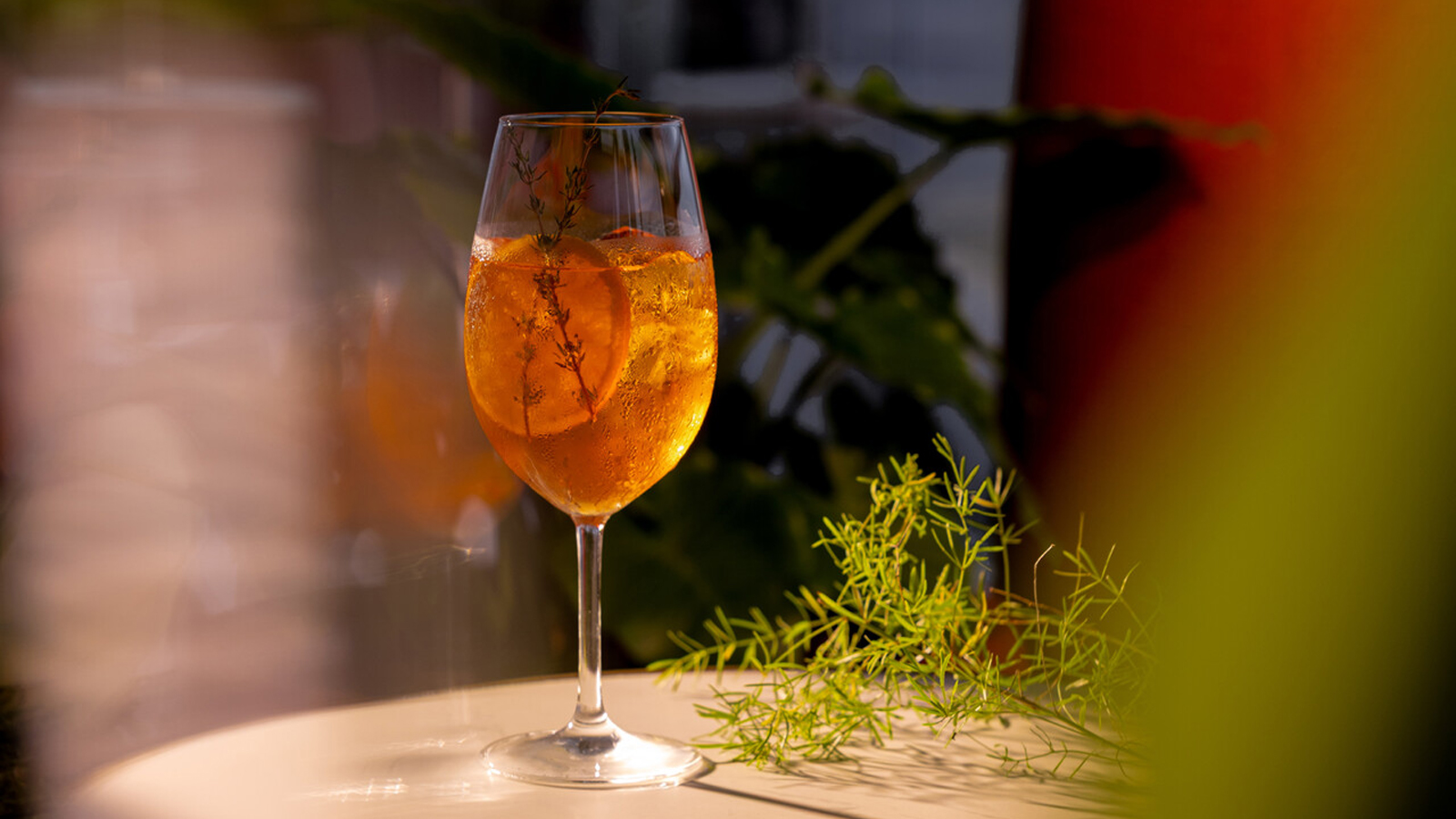
Four Seasons Hotel Mumbai staged an Aperitivo Week from 15 to 22 September 2026, bringing an Italian-inspired early-evening ritual to its Opus and AER venues. The hotel developed five cocktails for the programme—La Spiaggia, Terra Rossa, Il Tramonto, Negroni Sbagliato and Cardinale—using combinations of coffee, citrus, fruit, botanicals and familiar aperitivo ingredients. Director of Beverage Sher Thakur described a menu where glassware, preparation and garnish were considered alongside flavour, while General Manager Nitesh Gandhi presented the format as an option between a quick drink and a full dinner. The September event has concluded, but its idea is of continuing interest to luxury lifestyle travellers: the period before dinner can become a social occasion in its own right, shaped by the city and the way people choose to spend time together.
Aperitivo is a social ritual rather than one drink
In Italian food culture, aperitivo can refer to the period before a meal when people meet for drinks and small savoury dishes. Its form varies across regions, venues and households, so no single cocktail or exact timetable defines the entire practice. The Mumbai programme treated the ritual as an opportunity for a relaxed evening without requiring a full restaurant booking. That flexibility is important. Guests may want to meet friends after work, continue a conversation after an appointment or take a break before dinner. The experience does not have to be elaborate to be meaningful. Four Seasons used five specially developed drinks to give the week a distinct identity.
Two venues offered different settings
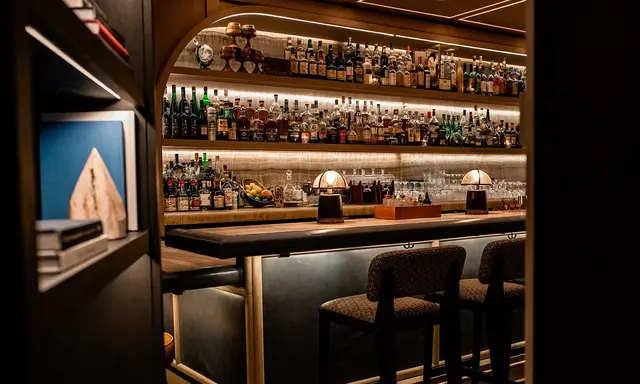
Aperitivo Week took place at Opus and AER within Four Seasons Hotel Mumbai. The combination gives the event two contexts rather than relying on one bar's atmosphere. A rooftop lounge and an indoor dining or social venue may appeal to different guests or different stages of an evening. The September release describes the programme as a way to make the hotel feel welcoming at a particular hour, but it does not establish that every table had the same view or service arrangement. The practical details of a venue matter alongside the cocktail list. Noise, seating, weather and the availability of food can shape how comfortably guests spend their time.
Five cocktails formed the core of the menu
The hotel named La Spiaggia, Terra Rossa, Il Tramonto, Negroni Sbagliato and Cardinale as the five featured drinks. The collection combined recognisable Italian aperitivo references with interpretations developed for a Mumbai audience. These names provide the structure of the announcement, but the release does not supply a complete measured recipe for each drink. It would be misleading to reconstruct exact spirits, quantities or garnishes without confirmation. A guest's taste depends on the relationship between acidity, sweetness, bitterness, texture and aroma. The purpose of a specially designed menu is to offer distinct choices rather than assume one flavour profile suits everyone.
Cold brew coffee provides a modern reference
Four Seasons mentions the roasted depth of cold-brew coffee among the flavours used in the five drinks. Coffee can introduce bitter and aromatic notes that interact differently with fruit or spirit-based ingredients. Its presence also connects bar work with another area of hospitality craft, where extraction and temperature influence the final result. It should not be assumed that every cocktail contained coffee or that the beverages had the same caffeine levels. Guests with sensitivities need exact information from the operator. The broader appeal is the possibility of creating layered drinks without relying solely on sugar or familiar citrus combinations.
Grapefruit introduces acidity and bitterness
The announcement also highlights grapefruit zest, which can provide aromatic oils and a distinctive bitter-citrus character. Such ingredients are often associated with the aperitivo style because they work well in drinks meant to be enjoyed before food. However, grapefruit is not suitable for everyone and can interact with certain medications. Visitors with relevant concerns should seek professional advice and ask the venue about ingredients. The source does not specify which individual cocktail used grapefruit or its exact preparation, so the responsible editorial approach is to describe it as one of the menu's flavour references. Botanical complexity is appealing only when accompanied by clear information.
Peach brings a softer fruit character
Juicy peach was another flavour mentioned in the hotel's account. It offers a contrast to sharper citrus and bitter botanical notes, creating opportunities for a drink that feels more rounded. A bartender might build such a preparation around the fruit's aroma, sweetness or texture, but the precise method used in Mumbai was not fully documented in the release. The name of a cocktail alone cannot confirm whether fresh fruit, puree, syrup or another ingredient form was involved. The interesting point is how a relatively small selection of drinks can communicate variety through familiar flavour families. Guests can choose according to preference rather than an assumed hierarchy of sophistication.
Floral notes create another direction
The official release refers to delicate floral elements within the menu. Floral aromas can be appealing when used with restraint, but they can also be strong and divisive. A balanced cocktail depends on how an ingredient fits the whole composition rather than how unusual its description sounds. A flowery garnish may be visually attractive, yet the aroma and taste should remain coherent. The hotel does not identify every floral product or establish whether all were sourced locally. Such details should be confirmed before making provenance claims. The use of flowers is best treated as one example of the creative possibilities of contemporary bar work.
Gin connects the menu with established traditions
Gin's botanical character is another aspect of the drinks highlighted by Four Seasons. It can contribute a recognisable base to both classic and contemporary cocktails, depending on the style selected. Negroni-related drinks are familiar in aperitivo culture, but individual recipes and interpretations vary. A named classic can provide a reference point for guests trying a new menu. However, it is unwise to assume that a hotel variation always follows a traditional formula in every detail. The September announcement emphasises interpretation rather than exact replication. Anyone ordering for dietary, health or personal reasons should ask for the current composition.
The Negroni Sbagliato has a familiar history
Negroni Sbagliato is among the five named choices, linking the programme to a widely recognised Italian aperitivo variation. The word sbagliato suggests a mistaken or altered version, a narrative often associated with the drink's history. Contemporary bars may interpret the structure in different ways, and the original Four Seasons release does not give a detailed recipe. Rather than inventing exact measures or alcohol strength, the useful connection is to a style of drink associated with bitter flavours and a social moment before dinner. Guests may enjoy the cultural reference while recognising that a Mumbai hospitality programme is its own interpretation of the ritual.
Cardinale adds another classic reference
Cardinale is also included in the line-up, suggesting another link with established cocktail traditions. A classic name can create expectations about style, but guests should verify what is actually served in a special-edition version. The hotel's emphasis was on the contrast between familiar aperitivo ingredients and less expected touches, including presentation. That is a reasonable way to develop a short promotional menu without requiring every drink to be completely unfamiliar. The success of the approach depends on balance and service. A memorable cocktail should still feel appropriate for the occasion, regardless of whether its title refers to a historical recipe.
Glassware becomes part of the experience
Director of Beverage Sher Thakur highlighted glassware, method and garnish as important elements in the programme. Glasses can influence presentation and the way aroma reaches a guest, while ice and temperature affect the pace at which a drink changes. These are practical considerations as well as visual ones. A beautiful glass should be comfortable to hold and appropriate for the amount being served. A garnish should complement the drink rather than create a hazard or obscure its ingredients. Contemporary bar design often concentrates on theatrical effects, but the most effective details can be quiet ones that make the overall experience more enjoyable.
Sharing plates complete the ritual
Aperitivo is not simply a showcase for individual drinks. The presence of food helps establish the social character of the occasion, allowing people to spend time together without making a full dinner compulsory. Four Seasons refers to sharing plates at Opus and AER as part of the format, although its September release does not provide a complete list of dishes or a permanent menu. Small plates can create a relaxed atmosphere, but allergen and dietary information still matter. Guests should ask about ingredients and preparation when needed. The important aspect is the relationship between food, drink and conversation rather than one highly elaborate recipe.
The hotel sought a different evening rhythm
General Manager Nitesh Gandhi described the programme as a response to guests who want an occasion between a quick drink and a formal meal. That observation fits the flexible nature of the aperitivo format. In large cities, people may have limited time but still want a comfortable place to meet and talk. A hotel can support that need through seating, a clear menu and service that does not pressure guests to order more than they want. The management statement represents the operator's perspective rather than an independent survey of Mumbai residents. Its value lies in explaining why the hotel chose this particular cultural format.
Mumbai contributes its own context
Mumbai is a city with a diverse food and hospitality scene, and an Italian-inspired ritual can become one option among many different evening experiences. The programme should not be presented as the arrival of aperitivo in Mumbai as a whole, since the city has a longer history of international restaurants and bars. Four Seasons introduced a particular week-long interpretation at its own venues. Travellers may enjoy it as a culinary reference while also exploring local restaurants, cafés and cultural destinations elsewhere. A global hospitality brand can make a familiar ritual accessible, but that does not make its version definitive.
A rooftop changes the relationship with the city
AER's rooftop setting offers a different way to experience Mumbai from street-level dining, particularly during the evening. Views, light and weather can become part of the atmosphere, although they are not guaranteed to be identical on every visit. The September programme used that setting as one of the places for a social occasion. Visitors should confirm the rooftop's present opening arrangements and any weather policies, rather than assume that a seasonal programme remains active. A venue's appeal can continue beyond a temporary menu, but the details of what is served may change. Clear distinctions between place and programme are useful for planning.
Responsible drinking remains essential
The menu was presented around cocktails, many of which contained alcoholic ingredients. A sophisticated presentation does not eliminate the health or safety risks associated with alcohol. Guests who prefer not to drink should ask for current non-alcoholic options, without assuming that every named cocktail has an identical alcohol-free equivalent. Coffee-containing drinks may also be relevant to caffeine sensitivities. An inclusive hospitality experience allows visitors to enjoy food and conversation regardless of what they choose to consume. The quality of a gathering should not be measured by the number of drinks ordered. Clear ingredient information is a fundamental part of service.
The September dates have already passed
Aperitivo Week ran from 15 to 22 September 2026, according to the official announcement. It would therefore be inaccurate on 22 November to present the programme as taking place now or to invite readers to book that specific event. The story is a retrospective examination of a completed culinary promotion. The hotel's current menus, cocktail offerings and reservation arrangements require a fresh check. Recognising the original dates does not diminish the cultural interest of the programme. It simply lets readers understand what was announced, when it happened and what aspects of the idea may continue to influence the venues' approach.
Why the story interests luxury yacht travellers
Owners and guests of 12–24-metre luxury yachts may have an interest in international dining and well-designed social spaces when travelling away from a vessel. A rooftop aperitivo experience in Mumbai belongs to that broader lifestyle rather than to marine operations. The hotel's announcement does not contain a yacht charter, marina or vessel-related service. Its relevance is the way a familiar social ritual can be adapted to an international city through careful choices of ingredients, glassware and service. The same attention to how people gather can matter in many different hospitality settings without establishing a commercial connection between them.
A completed programme with a lasting social idea
The Four Seasons Hotel Mumbai release of 16 September 2026 documented a week-long Aperitivo programme at Opus and AER, with five named cocktails and an emphasis on sharing plates and thoughtful presentation. The specific menu concluded with the event, but the underlying appeal is easy to understand: a period before dinner can become its own comfortable occasion, neither hurried nor excessively formal. For luxury lifestyle readers, the programme illustrates how drink design, food and atmosphere can support conversation. Its enduring value is the idea of making space for people to meet, rather than the suggestion that a temporary September menu remains available today.
Sources and image credits: Four Seasons Hotel Mumbai, original 16 September 2026 release, The Italian Aperitivo Arrives at Four Seasons Hotel Mumbai, with official first-party Opus and AER press photography. Original menu names, quoted positions and dates attributed to the hotel; independent culinary and travel analysis by Luxury Yacht Guide.
Sources and image credits
Reporting based on Four Seasons Hotel Mumbai original 16 September 2026 Italian Aperitivo Week announcement, event held 15–22 September 2026.
Lead photograph: Mumbai's Aperitivo Week Explores the Italian Ritual Through Five Cocktails — original official Four Seasons press image. Image: Four Seasons Hotel Mumbai, original Italian Aperitivo Week press photograph. Original official image source.