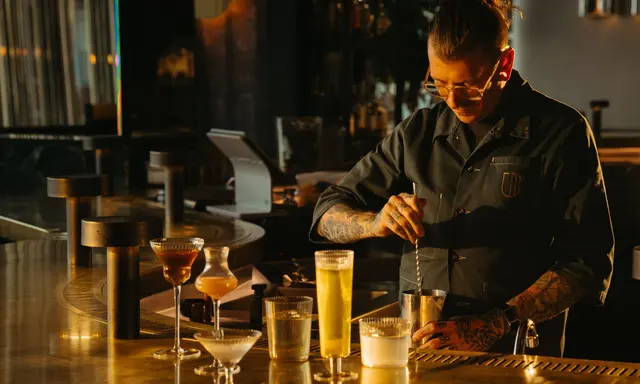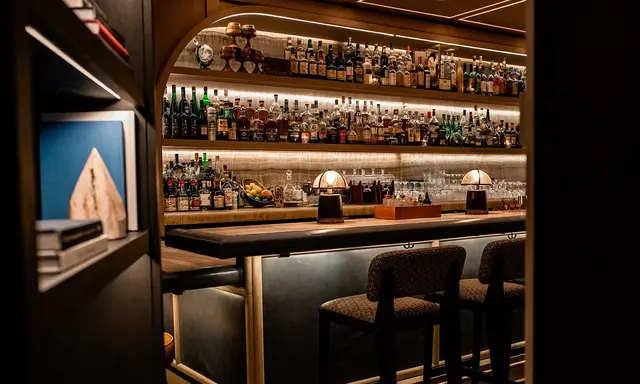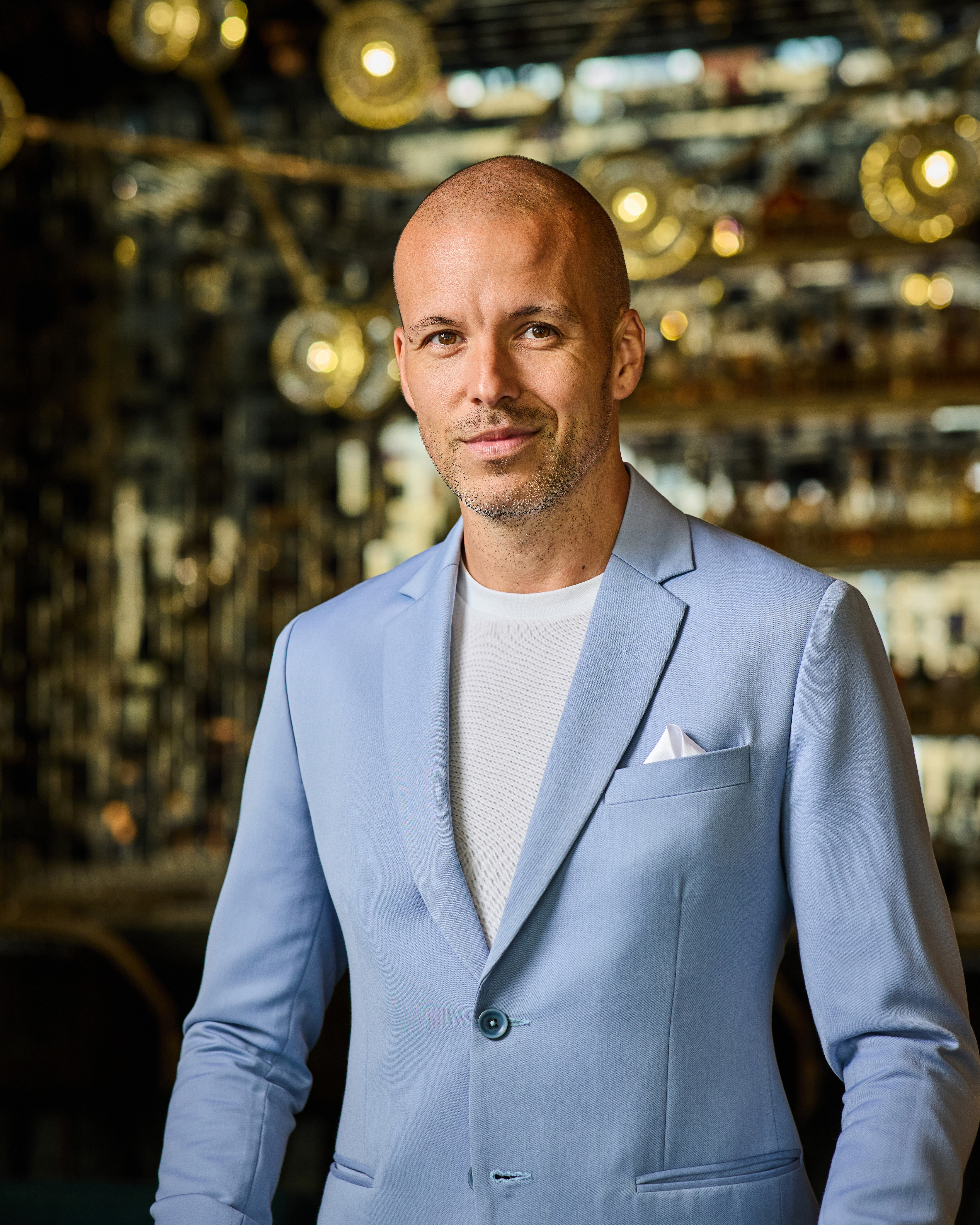
Four Seasons Hotel Kuala Lumpur has appointed Alexandre Renoue as Beverage Manager of Bar Trigona, the Malaysian capital's internationally recognised cocktail venue known for incorporating regional ingredients into its drinks. The appointment, announced on 17 August 2026, places a bartender with experience across Europe, Asia, the Middle East and the United States in charge of an established programme rather than a newly opened bar. Four Seasons emphasises Renoue's interest in local produce, mentorship and the idea that technically accomplished drinks should still feel welcoming. For luxury lifestyle readers, the story offers a useful look at the relationship between place, craft and hospitality: the most memorable bar experience may depend less on spectacle than on whether the people behind the counter know how to make their work relevant to the city around them.
A bar with an established reputation
Bar Trigona appears in the Asia's 50 Best Bars 2026 list, with Four Seasons reporting that the venue has earned a place for eight consecutive years. Such recognition is an editorial or industry assessment, not a mathematical guarantee that every visitor will prefer it to another bar. Its value lies in showing that the venue has attracted sustained attention across different editions. Renoue arrives after that identity has already been established, which creates a different leadership challenge from opening a new concept. His task, as described by the hotel, is to preserve the qualities associated with Bar Trigona while finding new ways to express them. The quality of the result should be judged through actual service over time.
Malaysian ingredients are central to the programme
The hotel identifies regional fruit, herbs, spices and trigona honey as key elements of the bar's approach. Trigona honey is associated with stingless bees and carries a direct connection to local agricultural practice. Using such ingredients can help a drink communicate something about its setting rather than relying entirely on imported spirits or familiar international recipes. It is important, however, not to assume that every product is sourced from a particular farm or produced under a verified sustainability scheme unless such information is supplied. A credible local-ingredient programme should make sourcing understandable and treat producers as contributors to the experience, rather than as anonymous suppliers of an exotic flavour.
What a beverage manager actually does
A beverage manager's work extends beyond creating drinks. The role can involve staff development, supplier relationships, menu planning, cost control, training, presentation and the pace of service. At a celebrated hotel bar, the consistency of welcome may be as important as any signature cocktail. Four Seasons describes Renoue as taking responsibility for the next phase of Bar Trigona while working with its existing team. The announcement does not identify a wholesale replacement of the menu or provide a date for a specific new collection, so such changes should not be invented. The immediate news is about leadership and direction, with the evolution of individual drinks to follow.
A career that began unexpectedly
Renoue grew up on the Mediterranean island of Corsica, according to his official profile, and originally considered chemical engineering rather than hospitality. A part-time shift behind a bar changed his professional direction. This detail gives the appointment a more personal dimension without implying that every bartender should follow a similar path. Technical curiosity can be useful in drink preparation, but professional success also requires understanding guests, managing teams and communicating ideas. The relationship between scientific thinking and hospitality is interesting because both reward observation and careful adjustment. Yet a cocktail bar should not be described as a laboratory in a literal or clinical sense simply because its manager enjoys experimentation.
Early influences and Dubai experience
The hotel's biography references the French Experimental Cocktail Club movement and mentor Jimmy Barrat as influences on Renoue's development. He subsequently worked at Zuma Dubai, an experience he credits with teaching discipline and consistency. These are professional associations reported by Four Seasons, not evidence that the people or venues named are participating in the Kuala Lumpur bar's current programme. Their relevance is to the breadth of his training. A bartender who has worked in several styles of venue may develop an understanding of how expectations differ among guests, but transferring those lessons successfully still requires attention to the people and culture of the new destination.
Work across Asia and beyond
Renoue's career includes a hotel pre-opening project in Sri Lanka and leading a bar in the Philippines, according to Four Seasons. He later joined the company's network in Mumbai and moved to Four Seasons Hotel Nashville, where he oversaw beverage operations across several venues. These moves exposed him to different markets and approaches to hospitality. The experience may help him understand international travellers arriving in Kuala Lumpur, although it should not displace local knowledge from the existing team. Hospitality that feels distinctive often comes from combining broad technical experience with an awareness of how people in a particular city eat, drink and socialise. Bar Trigona's emphasis on Malaysian ingredients gives that work a clear geographical anchor.
The importance of the team behind the bar
Renoue speaks in the original release about building on the achievements of earlier bartenders. This is significant because bars are not created by a single person, even when awards or photographs tend to focus on one recognisable figure. Service depends on the coordination of several people, often across a long evening. Team members need to understand ingredients, accommodate allergies and preferences, and adjust the level of explanation for different guests. Some visitors enjoy a detailed discussion of technique; others simply want a comfortable place for conversation. A strong manager should enable both experiences without treating either as more sophisticated.
Curiosity is a practical skill
The hotel presents curiosity as one of Renoue's guiding ideas. In a beverage programme, curiosity might involve exploring an unfamiliar local ingredient, listening to a guest's preferences or reviewing why a particular drink is not working as intended. It does not require constant novelty for its own sake. A well-made classic can be as satisfying as a highly inventive composition. Experimentation becomes valuable when it contributes to balance, presentation or a clearer sense of place. Readers should not assume that the new manager has already launched specific recipes absent from the source announcement. The more meaningful development is a stated approach to learning and adapting.
The role of honey in a cocktail identity
Trigona honey provides the bar with both a name and an ingredient reference. Honey can contribute flavour, sweetness and texture, although its precise character depends on the source and processing. Integrating it into a drink requires consideration of other elements, including acidity, bitterness and aroma. It is also a reminder that not every guest consumes animal-derived ingredients, while some may have allergies or preferences that require alternatives. A thoughtful bar should explain actual ingredients rather than rely on a decorative description. Using local honey can be culturally distinctive, but any claims about medical benefits would require reliable evidence separate from a hospitality press release.
An ingredient story should include producers
Four Seasons describes a continuing relationship with Malaysian farmers and artisan producers as part of the bar's work. That provides an opportunity to make a drink's origin more transparent, especially when guests are interested in ingredients they may not recognise. The press release does not give a complete list of farms, certification schemes or purchasing commitments, so an article should not imply that every product has been independently traced. The broader question is how hospitality can contribute to local food culture rather than merely market it. Producers deserve accurate attribution where available, and guests may appreciate learning why a particular ingredient was chosen.
Eight years of recognition and a new leader
An established award history can create expectations that a new manager must continually exceed previous achievements. That pressure may encourage innovation, but it can also distract from the everyday purpose of a bar: giving people a pleasant place to spend time. The 2026 recognition reported by the hotel is an accolade to the team and the venue, not a prediction of how future editions will rank its work. Renoue's arrival offers an opportunity to evolve a successful identity without pretending that the previous programme has been discarded. Thoughtful continuity is a meaningful form of development in its own right.
Service is part of the product
The manager's philosophy, as described in the announcement, is that hospitality should feel effortless for the guest even when the team is performing complicated work behind the scenes. That idea applies beyond cocktail preparation. Timing, language, seating, music and the willingness to accommodate requests can shape how a room feels. A bar may be technically outstanding yet uncomfortable if service becomes overbearing. Conversely, a warm welcome can make unfamiliar ingredients approachable. Readers interested in high-end hospitality should look for this balance rather than assuming an intricate menu automatically means a more enjoyable evening.
Responsible drinking and alternatives
An international cocktail bar serves guests with different attitudes towards alcohol. Some will want a drink containing spirits, while others prefer a non-alcoholic preparation or simply the atmosphere. The creative use of fruit, herbs, spices and honey offers flavour possibilities that need not depend on alcohol. The Four Seasons announcement does not provide a complete current non-alcoholic menu, so availability must be checked directly. Alcohol remains associated with health and safety risks regardless of the prestige of a venue. Responsible hospitality means respecting preferences and helping guests understand what they are ordering without pressure.
Kuala Lumpur as part of the appeal
The Malaysian capital offers a diverse culinary environment shaped by multiple communities and food traditions. Bar Trigona's use of regional ingredients contributes one interpretation within that wider landscape. Travellers should not treat a hotel bar as a complete representation of the city's food culture. Markets, family-run restaurants and independent venues can provide different perspectives and deserve attention in their own right. A well-planned visit may include both formal hospitality and less curated experiences. The bar's identity is most meaningful when understood in relation to Kuala Lumpur, rather than as an interchangeable luxury venue that could exist in any international hotel.
Planning an evening at Bar Trigona
The appointment release confirms Renoue's role and the bar's broad philosophy, but it does not provide real-time reservations, opening hours or exact current cocktail prices. Travellers should verify those practical details through Four Seasons Hotel Kuala Lumpur. It is also useful to ask about ingredient substitutions or allergen information, especially when the menu uses regional botanical products. A venue with strong international recognition may be busy at certain times, making advance planning sensible. Yet an award should never be interpreted as a guarantee of a table or of a particular drink remaining available indefinitely.
The relevance to private travel and yachting
Owners and guests of 12–24-metre luxury yachts may spend time in major Asian cities when travelling beyond the vessel. Distinctive bars, design-led interiors and local culinary craftsmanship form part of that broader lifestyle. The appointment at Bar Trigona is not a maritime development and does not establish a yacht-related partnership. Its relevance lies in attention to personal service, sense of place and thoughtful use of materials—qualities that can interest the same travellers who value carefully designed private hospitality afloat. The connection is cultural rather than operational.
A new chapter grounded in continuity
The documented news is that Alexandre Renoue joined Bar Trigona as Beverage Manager in August 2026, bringing a varied international career to a Kuala Lumpur venue with an established record in Asia's 50 Best Bars. Four Seasons identifies mentorship, local produce and intuitive hospitality as priorities for his work. The announcement does not reveal a complete new drinks menu or establish the results of future changes. For luxury lifestyle readers, the story illustrates how a respected venue can maintain its identity while inviting a new professional perspective. Its next chapter will be written through daily service and the choices made by the team, not through the appointment headline alone.
Sources and image credits: Four Seasons Hotel Kuala Lumpur, official 17 August 2026 announcement, Alexandre Renoue Appointed Beverage Manager of Bar Trigona. The accompanying downloadable original hotel press photographs are credited to Four Seasons. Personnel history, stated philosophy and award references are attributed to the company; cultural and hospitality commentary is original Luxury Yacht Guide analysis.
Sources and image credits
Reporting based on Four Seasons Hotel Kuala Lumpur official 17 August 2026 Bar Trigona Alexandre Renoue appointment release.
Lead photograph: Kuala Lumpur Bar Trigona Welcomes Beverage Manager Alexandre Renoue — official Four Seasons editorial photograph. Image: Four Seasons Hotel Kuala Lumpur, original official Bar Trigona editorial image from the same first-party appointment press release. Original official image source.