Four Seasons Resort Punta Mita has appointed Mexican chef Eduardo Osuna as Executive Chef, bringing a familiar culinary figure back to the Riviera Nayarit property where he worked early in his career. The appointment, announced on 10 November 2026, gives Osuna responsibility for the resort's restaurants, bars, in-room dining and banquet operations. He previously worked there as a restaurant sous chef in 2004 and has since developed experience in leading restaurants and hospitality operations across Mexico. The news is relevant to coastal luxury travel because it signals a renewed emphasis on interpreting Mexican culinary heritage through the ingredients, culture and landscape of the Pacific coast. It is a personnel and culinary-direction announcement, not a report of a newly opened restaurant or a menu already reviewed by an independent diner.
A return to a familiar kitchen
Returning to a former workplace after more than two decades provides a distinctive perspective on professional development. Four Seasons says Osuna spent a year at Punta Mita during 2004 as a restaurant sous chef, before continuing his work elsewhere. His return as Executive Chef puts him in charge of a much broader operation than he oversaw during that earlier period. There is a useful story in this trajectory: the skills involved in leading several kitchens and mentoring teams differ from those required to manage a single section of a restaurant. The hotel's announcement stresses both his familiarity with the destination and the experience he has gained outside it. Neither factor alone guarantees a particular culinary result, but together they help explain why the appointment is noteworthy.
The coastal setting shapes the culinary conversation
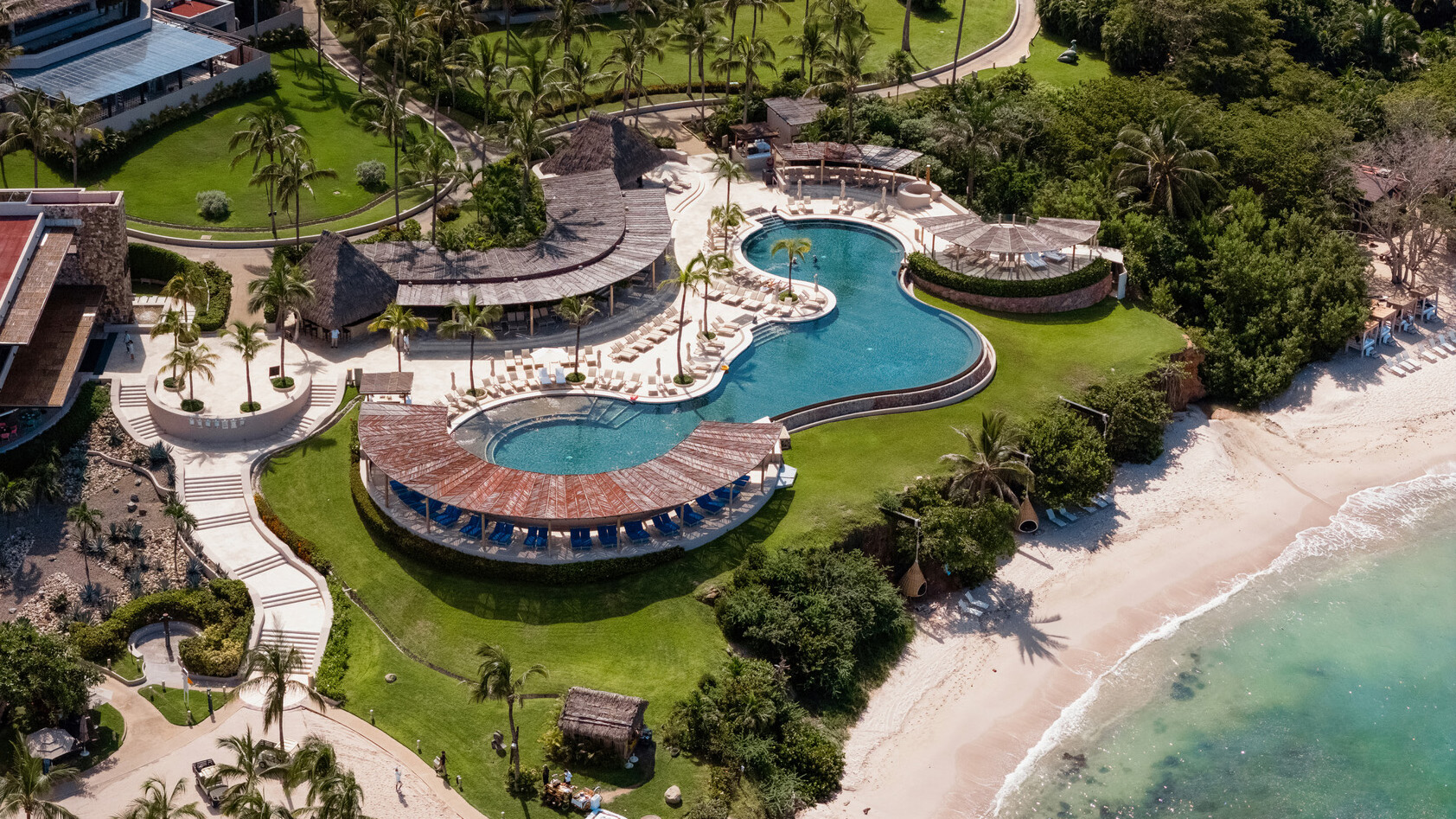
Four Seasons Resort Punta Mita occupies a beachfront site on Mexico's Riviera Nayarit, with the operator describing 52 acres, or approximately 21 hectares, of resort grounds. For an Executive Chef, a coastal setting can influence the selection of dishes, ingredients and dining experiences. Seafood, seasonal produce and the rhythms of an outdoor hospitality destination offer different considerations from those of a city restaurant. The announcement does not provide a complete new sourcing policy or identify every supplier Osuna will use, so it would be misleading to claim that all ingredients come from nearby communities. The more defensible conclusion is that the hotel is inviting guests to consider regional identity as an important part of its future dining direction.
Respect for Mexican recipes
Osuna describes a philosophy grounded in retaining the integrity of familiar Mexican recipes while using carefully chosen ingredients and measured contemporary ideas. That approach contrasts with the assumption that innovation must mean a dramatic change in appearance or technique. A traditional dish may evolve through improved handling of ingredients, careful seasoning or a more confident sense of proportion without losing its identity. Mexico's food cultures are regionally varied and should not be compressed into a single national menu. The chef's stated respect for heritage is therefore an intention to be evaluated through his future work rather than proof that every regional tradition will be represented at the resort.
An operation with several different identities
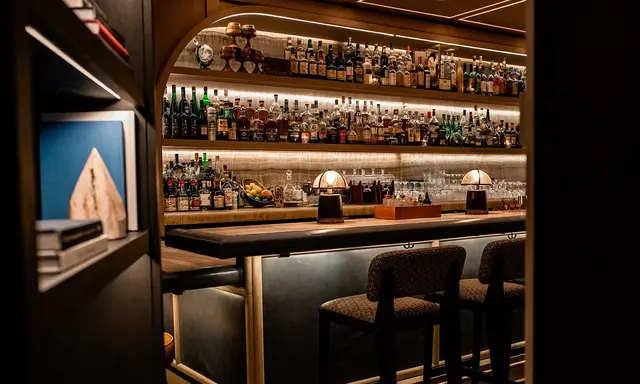
The Executive Chef's remit includes Aramara, the resort's Pan-Asian restaurant; Dos Catrinas, which focuses on contemporary Mexican cuisine; and the beachfront Bahía. Four Seasons also names MEZ Bar, in-room dining and banquet services within his responsibilities. These venues have different purposes and guest expectations. A lively beachfront lunch demands another rhythm from a multi-course restaurant dinner, while banquets require planning for groups, timing and consistency. The challenge is to maintain a coherent standard without making every venue feel identical. The announcement provides the names and broad concepts of the outlets, but it does not publish a wholesale redesign of their menus.
Experience beyond one resort
The hotel credits Osuna with work linked to several influential Mexican kitchens, including Izote, Águila y Sol and MP Café+Bistro, associated with chefs Patricia Quintana, Martha Ortiz and Mónica Patiño. These names are part of the professional history reported by Four Seasons and should not be used to imply that those chefs are directly participating in the Punta Mita programme today. The statement also describes work at W Mexico City and restaurant operations in Guadalajara, San Miguel de Allende and Celaya. That varied experience may be valuable in a resort accommodating international visitors while seeking a distinct Mexican identity. It does not eliminate the importance of listening to local staff and suppliers.
Culinary consulting brings another kind of skill
Osuna founded EO Soluciones Gastronómicas, a consultancy and operations business he led for more than twelve years. This background matters because the organisation of a resort kitchen includes staffing, procurement, training, scheduling and service systems, not simply the creation of appealing dishes. A chef working across multiple venues must be able to communicate a culinary idea clearly enough for a team to deliver it consistently. Operational experience can support that work, although the hotel has not published a detailed plan for how his consultancy methods will be adopted. Readers should distinguish a documented career history from assumptions about specific changes that have not yet been announced.
The influence of San Miguel de Allende
Immediately before the Punta Mita appointment, Osuna served as executive chef and food and beverage director at Cleviá in San Miguel de Allende, part of Marriott's Autograph Collection, according to the hotel. San Miguel de Allende offers a different cultural and geographical context from a Pacific coast resort. Moving between those settings can expose a chef to different ingredients, guests and traditions. It is tempting to imagine a direct transfer of dishes from one property to the other, but the appointment release does not establish such a menu. The useful point is that the chef arrives with experience of more than one hospitality environment, and the Punta Mita operation now becomes the setting for his next interpretation.
A chef who has appeared on television
Four Seasons describes Osuna as a host associated with eight series on the culinary television network El Gourmet. Television work can introduce cooking techniques and regional food stories to audiences far beyond a restaurant dining room. However, a media profile should not be confused with an independent measure of culinary quality. The relationship between a chef and a resort guest is much more immediate than the relationship between a presenter and a viewer. The announcement suggests Osuna understands how to communicate culinary ideas, an attribute that may be useful in team leadership and guest experiences. Whether that translates into classes, demonstrations or public events has not been specified.
Philanthropy is part of his professional background
The company's biography also identifies Osuna as the founder of Chefs al Rescate, an initiative associated with more than twenty fundraising events in ten Mexican cities. This is a notable aspect of his career because it places hospitality beyond the restaurant transaction. Food can bring people together in support of a cause, although the release does not supply audited financial outcomes or identify a new charity programme at Punta Mita. Describing the past initiative accurately is preferable to implying that the resort has already committed to a particular fundraising activity. A professional's history can suggest interests and values, but future actions should be reported when they are confirmed.
The role of mentorship
John O'Sullivan, Regional Vice President and General Manager of Four Seasons Resort Punta Mita, highlights Osuna's interest in nurturing talent. Mentorship can be especially important in hospitality, where many skills are developed through close observation, practice and feedback. A chef may influence a resort's culture as much through staff development as through a signature dish. The practical outcomes can include stronger teamwork and a more confident approach to service, but these are possibilities, not verified results from the new appointment. Staff also bring their own knowledge of the destination, including culinary references that may not be familiar to newcomers. An effective leader should make room for that expertise.
Coastal Mexican food deserves careful representation
Mexico's Pacific coast has rich culinary traditions influenced by fishing communities, regional agricultural products and shared family practices. Travellers may encounter different preparations along the coastline rather than a single standard seafood style. Luxury coverage should avoid turning those traditions into vague decoration for a premium dining experience. When a hotel references heritage, readers may reasonably ask how ingredients are sourced, whose knowledge is represented and whether local producers benefit. The November statement is broad on philosophy rather than detailed on supply arrangements. Those questions are therefore appropriate subjects for future reporting, not assertions that can already be answered from the release.
What dining guests can expect and what remains unknown
The appointment means Osuna now leads the resort's culinary operations, but it does not establish new tasting-menu prices, specific dishes, booking policies or opening schedules. Visitors should consult the resort directly for current arrangements at Aramara, Dos Catrinas, Bahía and MEZ Bar. If dietary preferences or allergies are important, those should be discussed with the restaurant in advance. The chef's philosophy provides a sense of direction but not a guarantee of a particular plate. That distinction helps travellers make sensible decisions without mistaking a personnel announcement for a review of food they have not yet experienced.
An international resort with a Mexican identity
A destination hotel welcomes people with different backgrounds, yet its location should remain central to the experience. Punta Mita's geography and the region's culinary traditions provide the opportunity to make an international standard of hospitality feel rooted in place. Osuna's professional history includes both influential Mexican restaurants and wider hospitality management. His stated aim is to honour traditional recipes while allowing thoughtful contemporary details. Those values are relevant to a resort that must serve guests across several venues without reducing its food programme to generic international luxury. The quality of execution will only become apparent through the kitchen's work over time.
Why the story interests yacht travellers
Owners and guests of 12–24-metre luxury yachts may be drawn to Riviera Nayarit's coast as part of wider Pacific travel. Dining ashore, discovering regional ingredients and understanding a destination's culture can complement time spent afloat. The appointment release does not announce a marina arrangement, yacht catering service or private-vessel package, so none should be inferred. Its relevance to a yacht lifestyle readership is the broader interest in coastal hospitality and food shaped by place. Culinary experiences can form part of a travel itinerary without needing an artificial direct connection to yacht operations.
A milestone rather than a finished transformation
The official announcement on 10 November 2026 confirms Eduardo Osuna's return to Four Seasons Resort Punta Mita as Executive Chef, names the venues under his supervision and outlines his professional history. It also describes a culinary philosophy centred on Mexican traditions, good ingredients and considered adaptation. It does not provide an independent evaluation of future menus or a complete implementation timetable. For luxury lifestyle readers, the appointment is a meaningful development because the chef's leadership may influence how guests experience the destination for years ahead. The appropriate next step is to follow the culinary programme as it develops and judge the results on their own merits.
Source and image credit: Four Seasons Resort Punta Mita, original 10 November 2026 official release, Four Seasons Resort Punta Mita Appoints Eduardo Osuna as Executive Chef. Portrait photograph supplied through the resort's first-party downloadable media gallery. Career details, named restaurants and corporate statements are attributed to the source; culinary and destination observations are independent Luxury Yacht Guide analysis.
Sources and image credits
Reporting based on Four Seasons Resort Punta Mita official 10 November 2026 Eduardo Osuna appointment release.
Lead photograph: Punta Mita Welcomes Chef Eduardo Osuna Back to Pacific Coast Kitchens — official Four Seasons editorial photograph. Image: Four Seasons Resort Punta Mita, official property editorial photograph from its 2026 awards release, illustrating the resort setting; not a photograph of Chef Eduardo Osuna. Original official image source.