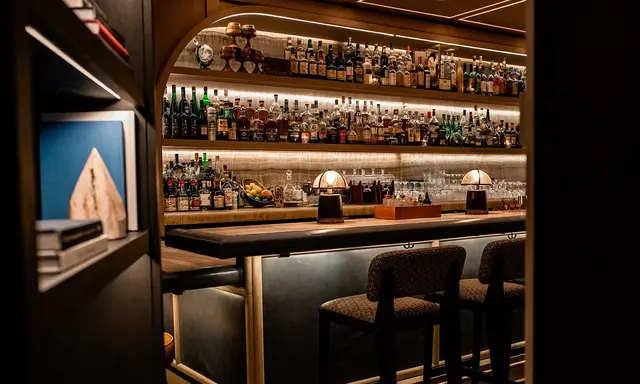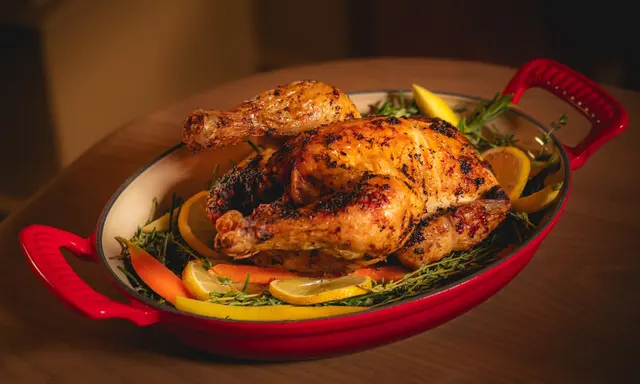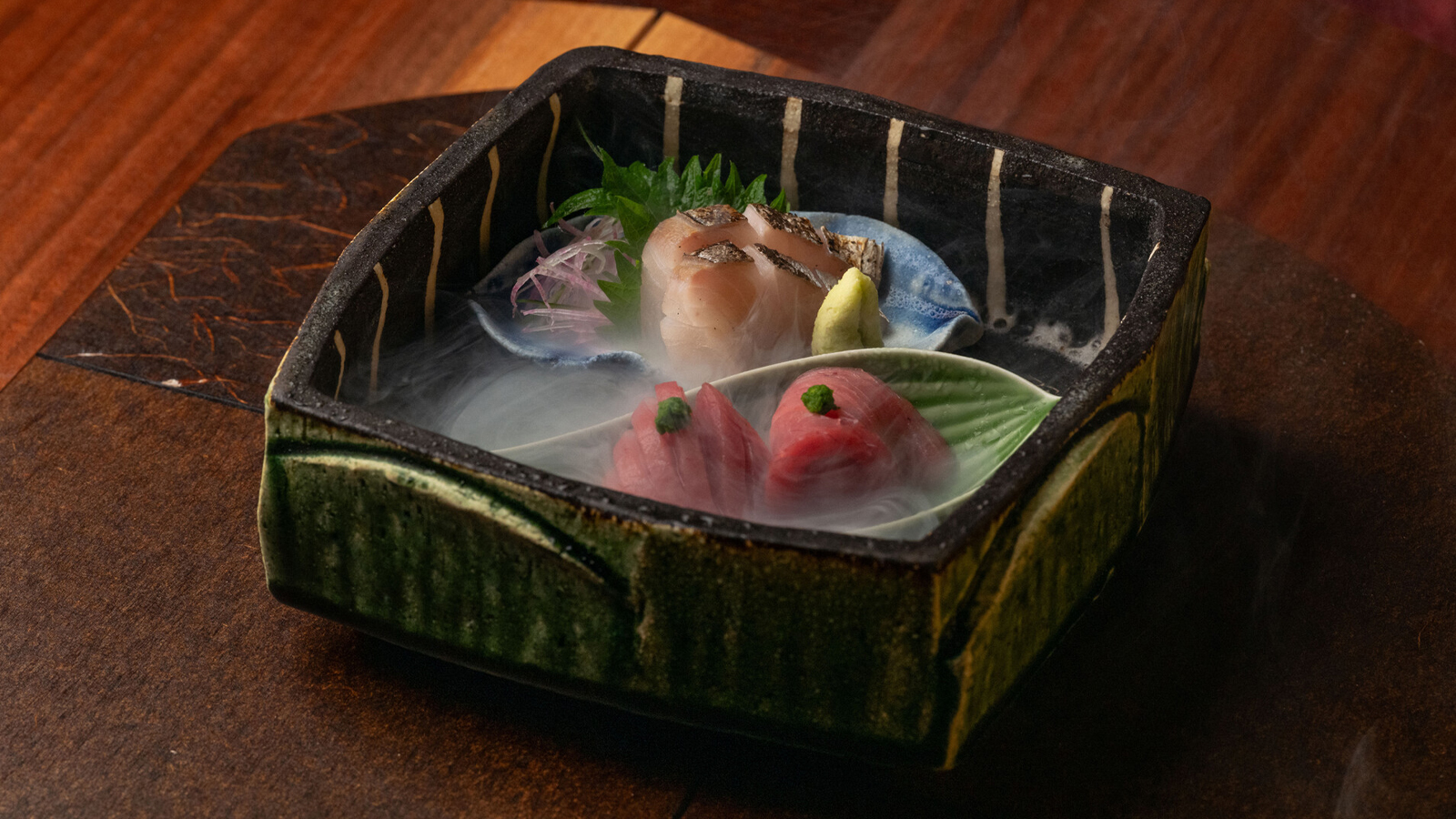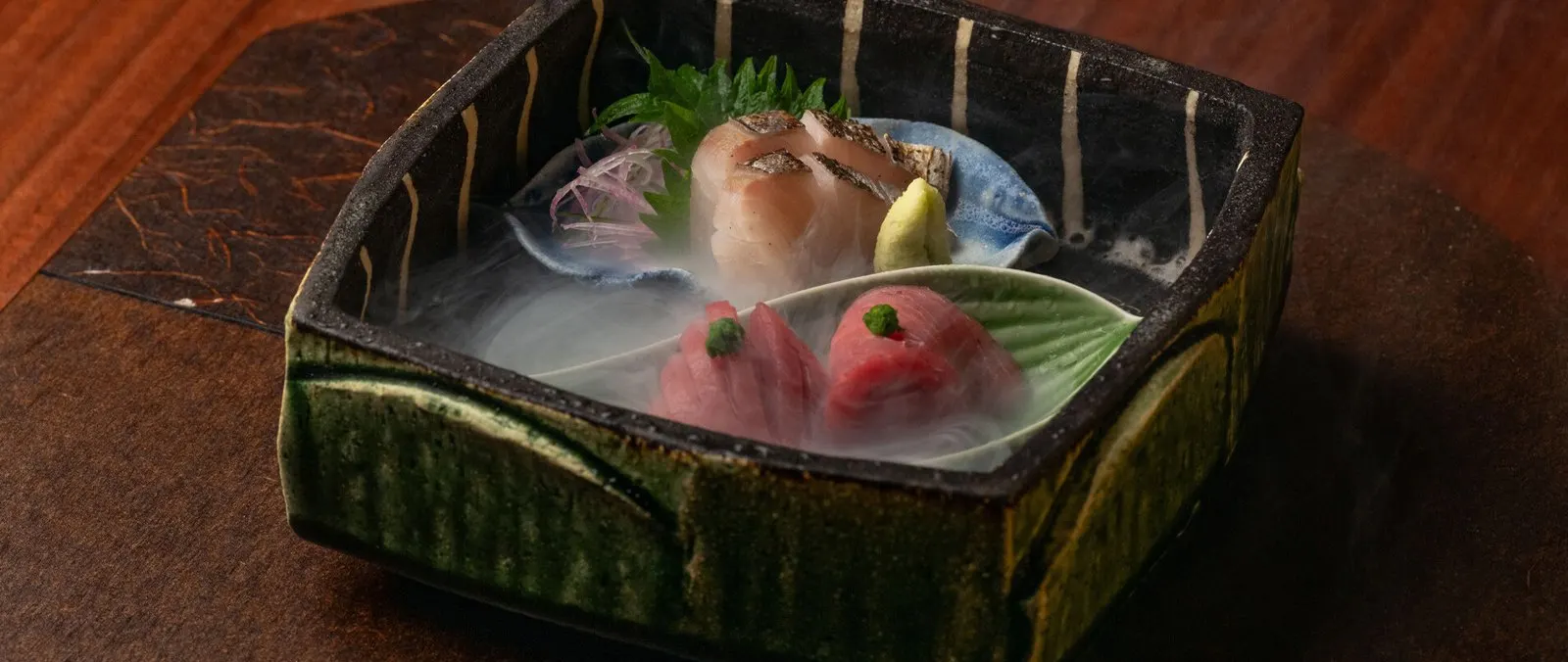
KIGO at Four Seasons Hotel Dubai International Financial Centre has marked its first year with a return to the seasonal Japanese cooking that defines the restaurant. Its Autumn Menu, announced in September 2026, was scheduled to begin on 16 September and centres on an eight-course Signature Sushi Kaiseki sequence. Chef Akinori Tanigawa, known in the hotel announcement as Chef Aki, has developed a menu in which Japanese ingredients, presentation and the progression between courses reflect the season. For luxury lifestyle readers, the interesting subject is not merely a celebratory dinner in Dubai, but the ways a restaurant can communicate a culture of precision and attention to the present moment through food. As the autumn programme was introduced before November, its current service and availability should be reconfirmed rather than assumed.
A restaurant organised around the season
Kaiseki is often associated with Japanese multi-course dining, where a sequence of preparations reflects ingredients, technique and a considered sense of progression. At KIGO, Four Seasons describes menus designed around changes in the seasons rather than a single unchanging list of dishes. That approach requires a kitchen to revisit its ingredients and decisions repeatedly. The purpose is not simply to replace one garnish with another when a calendar changes. A seasonal programme can shape the mood and structure of the entire meal, from an opening flavour to the choice of ceramics and the way guests are served. The restaurant's autumn offering provides one contemporary interpretation within a Dubai hotel setting.
Chef Akinori Tanigawa's approach
The restaurant's concept is led by Akinori Tanigawa, whose stated emphasis is on Japanese cooking methods, craftsmanship and balance. The hotel describes his work as combining traditional ideas with a contemporary point of view. Such terms can be overused in luxury dining, so the menu itself provides a more useful basis for assessment. Vinegared fish, chawanmushi, autumn mushrooms and carefully prepared beef are specific elements of the published sequence. Their arrangement offers an opportunity to explore the relationship between fresh, savoury, delicate and rich components. A responsible editorial preview can describe that structure without claiming to have tasted the finished meal.
The first year of KIGO in Dubai
The September release identifies the restaurant's first anniversary and reports that more than thirty per cent of diners have returned. That is an operator-reported figure, not an independently audited measure of loyalty. It nevertheless illustrates the company's emphasis on maintaining a relationship with guests through evolving menus and personal service. Returning diners can experience seasonal changes, while staff may learn preferences and dietary requirements over time. The restaurant's character is therefore shaped by more than the food presented on a single evening. Repetition can be part of the appeal when it allows visitors to notice subtle differences and develop familiarity with the kitchen's approach.
Autumn as a culinary theme
In the announced menu, autumn is associated with harvest ingredients and reflective, earthy flavours. Mushrooms are an especially direct expression of that theme because their aromas and textures can suggest forests and the cooler part of the year. Four Seasons describes this as a meaningful season for Chef Aki, drawing in part on memories of walking in Japan's mountains. These references give the menu a narrative structure, but they should not be mistaken for a claim that every ingredient was personally gathered by the chef. The actual sourcing of specific products requires separate evidence. The value of the theme lies in how the kitchen uses the ingredients and techniques it has chosen.
A progression of eight courses
The Signature Sushi Kaiseki menu is listed as an eight-course experience priced at AED 1,500 per person in the original release. Four Seasons publishes a sequence of dishes that moves from lighter preparations through cooked seafood, mushrooms, beef and sushi, before closing with soup and fruit. The structure encourages guests to experience changes in temperature, flavour and texture across the meal. A tasting menu places particular demands on the kitchen because each course must have its own identity while fitting into the whole. Guests should check the current version before booking, as an autumn menu can evolve with produce and availability. The published September selection is a documented starting point, not a promise that every plate will remain identical indefinitely.
Vinegared barracuda and dried persimmon
One of the announced opening preparations combines vinegared barracuda with dried persimmon. The pairing introduces acid, fish and fruit early in the menu. The use of vinegar can create freshness and sharpen a sequence's beginning, while dried fruit contributes sweetness and depth. The specifics of how the fish is prepared are not fully explained in the release, so it would be misleading to describe exact curing times or tasting notes. Fish dishes also require careful handling and clear allergy information. For a guest unfamiliar with Japanese seasonal cuisine, a course like this provides a good example of the interplay between ingredients that might not seem obvious before they are placed together.
Chawanmushi with grilled aubergine
The menu also includes chawanmushi accompanied by a grilled eggplant chilled purée. Chawanmushi is a Japanese savoury egg custard, valued for a delicate texture that differs from many Western egg dishes. Combining it with grilled aubergine can introduce smoky or vegetal associations, although the precise flavour depends on the chef's preparation. The contrast between a gentle custard and more assertive ingredients demonstrates how a course can feel complex without being visually crowded. Guests with egg allergies or other restrictions need to discuss the menu in advance. The appeal of this preparation lies in the control required to produce a smooth result and the care with which accompanying flavours are balanced.
Pacific saury as an autumn reference
Grilled Pacific saury appears in the seasonal sequence, a fish strongly associated with Japanese autumn dining. Fish of this kind can offer a characteristic rich flavour that works well with grilling, but freshness and timing are essential. Four Seasons does not specify every garnish or the detailed cooking method in its announcement, and these should not be invented. The significance of the ingredient is its place within a seasonal narrative. Culinary traditions often gain meaning through repeated associations between a particular food and a time of year. KIGO's menu allows international visitors in Dubai to encounter that cultural idea through a carefully managed restaurant experience.
Mushrooms served on a hōba leaf
A highlighted autumn dish consists of mushrooms presented on a hōba leaf, the leaf of a type of magnolia tree. The hotel connects the preparation with regional Japanese cooking traditions and Chef Aki's memories of mountain landscapes. The leaf adds a visual and cultural reference to the presentation, but a diner should not assume that every accompanying component is locally foraged or that the leaf is meant to be eaten. The team should explain the dish's elements at the table. Mushrooms offer a wide range of textures and aromas, making them a natural subject for a seasonal tasting menu. Their presence may create a quiet contrast with richer courses that follow.
A5 Kumamoto wagyu provides a richer passage
The sequence includes slow-braised A5 Kumamoto Black Wagyu, according to the official description. This introduces a different level of richness and texture to the meal. Wagyu grading and origin are specific claims that matter to diners, and should be accurately represented. The hotel names the beef in its original menu but does not provide a complete supply-chain account in the press release. Slow preparation can be used to develop tenderness, though the precise result would need to be assessed through tasting. An appropriately portioned beef course can form a bridge between lighter seasonal preparations and the later sushi and soup. Its role should be understood within the overall progression rather than as a standalone demonstration of extravagance.
Sushi as the centre of the experience
KIGO describes the announced menu as a Signature Sushi Kaiseki, with seasonal sushi selections following the meat course. Sushi has a strong visual identity, but the details of rice, temperature, fish handling and service can be as important as appearance. In a multi-course experience, the sushi sequence must fit the rhythm of the preceding plates and the dishes that follow. The hotel does not identify every variety included in the September selection, so it would be inaccurate to list specific fish not named in the release. Guests concerned about raw seafood or dietary needs should ask about the current offering, ingredients and possible alternatives before committing to the menu.
Soup and Japanese fruit close the meal
The published sequence concludes with miso soup and premium Japanese fruits. This may seem understated compared with the elaborate desserts familiar in some international tasting menus, but it is consistent with an approach that places emphasis on the balance and progression of a meal. A lighter ending can allow guests to reflect on the courses they have eaten rather than conclude with another rich preparation. The quality and seasonality of fruit can be part of the experience, although the announcement does not name the varieties or confirm their exact origin for every service. Editorial coverage should preserve that uncertainty. Restraint can be an intentional culinary decision.
Personal service across changing menus
Four Seasons places emphasis on KIGO's personalised hospitality and the preferences of returning diners. That is particularly important for a menu that changes with the calendar. Staff may need to explain new ingredients, suggest a sensible pace and understand which dishes guests would prefer to avoid. The restaurant's high-end positioning should not create pressure to accept unfamiliar ingredients without discussion. Guests may have food allergies, religious restrictions or personal preferences that affect their choices. Since a tasting menu can be difficult to modify at short notice, these should be communicated before booking. A thoughtful restaurant should make its menu approachable without compromising the chef's overall concept.
The cultural context of kaiseki
Kaiseki is connected with a history of Japanese dining practices and has developed through multiple forms and traditions. A luxury restaurant in Dubai inevitably presents its own interpretation for a cosmopolitan audience. It is important not to treat the menu as a complete or definitive expression of Japanese cuisine. The most useful approach is to regard it as one chef's work informed by established techniques and seasonal ideas. Visitors interested in Japanese food culture may be inspired to learn about other dining styles and regional histories. A single tasting experience can provide an introduction, but it should not be expected to represent the diversity of a country's culinary life.
Pricing and current availability
The September announcement lists the eight-course Signature Sushi Kaiseki at AED 1,500 per person, with Wednesday-to-Sunday evening seatings described in the original release. It also says the Autumn Menu will return each September, establishing the intention to make it a recurring feature. Those details should be verified directly for any November booking. A press release does not guarantee that the seasonal selection remains unchanged or that a table is currently available. Additional beverages, service charges or menu supplements may affect the final total. Guests can avoid misunderstandings by confirming the complete price, expected duration and dietary requirements with KIGO before making arrangements.
Relevance beyond the restaurant
For owners and guests of 12–24-metre luxury yachts, international food culture is one of many interests that can enrich private travel. A visit to Dubai might involve design, art, architecture and dining beyond time spent around the water. KIGO's seasonal programme is not a yacht service and the release contains no marina partnership or vessel-related offer. Its relevance lies in the attention to craft and personalised hospitality that luxury travellers often appreciate in different settings. The same interest in carefully selected materials and precise workmanship can shape a person's taste in interiors, watches or cuisine. Those connections are cultural, not commercial claims.
A first anniversary with a clear culinary identity
KIGO's first-anniversary announcement documents an autumn menu shaped by Chef Akinori Tanigawa's emphasis on seasonality, with an eight-course progression and reported returning diners. The programme illustrates how a restaurant can build identity by changing thoughtfully instead of pursuing novelty for its own sake. The use of mushrooms, seasonal fish, chawanmushi, wagyu and sushi gives the menu a specific culinary direction. In November 2026, travellers should confirm the active menu rather than assume the September version remains available. For luxury lifestyle readers, the story is a portrait of a Japanese dining concept in Dubai that seeks to make time, ingredients and craft part of the experience.
Sources and image credits: Four Seasons Hotel Dubai International Financial Centre official September 2026 release, KIGO Celebrates One Year of Kaiseki Excellence and Introduces Its Autumn Menu, and the hotel's original downloadable editorial press photography. The chef, dates, named dishes, price and operator-reported returning-guest figure are attributed to Four Seasons. Cultural interpretation and planning guidance are independent Luxury Yacht Guide reporting.
Sources and image credits
Reporting based on Four Seasons Dubai DIFC September 2026 original KIGO first anniversary and autumn menu announcement.
Lead photograph: KIGO Dubai Marks Its First Anniversary With Autumn Kaiseki Dining — original verified official photo. Image: Four Seasons Hotels and Resorts, original subject-specific hotel editorial press photograph directly from the official downloadable news-gallery page. Original official image source.