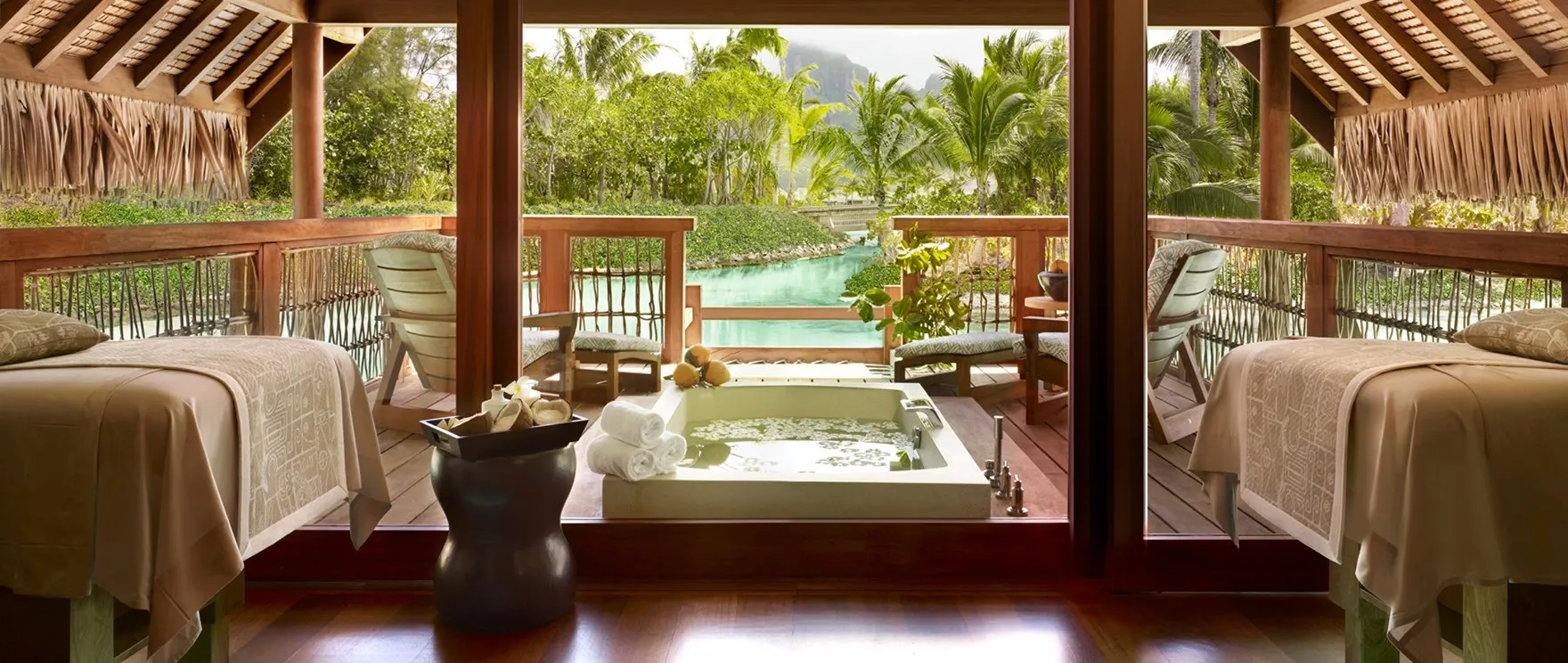
Four Seasons Resort Bora Bora has expanded the facial-treatment programme at its Te Mahana Spa through a partnership with myBlend, the skincare brand associated with the Clarins group. Announced on 10 July 2026, the addition comprises seven facial treatments using combinations of manual techniques, temperature variation, radiofrequency, electrostimulation and light-based devices. The resort describes itself as the first property in French Polynesia to offer the brand's facial therapies. For luxury lifestyle readers, the news brings together a tropical island destination and a contemporary, technology-led interpretation of spa care. It is also a good opportunity to distinguish the operator's cosmetic claims from independently established medical evidence: a spa brochure is not proof that an individual treatment can regenerate tissue, reverse ageing or provide a clinical benefit.
An island setting for personal care
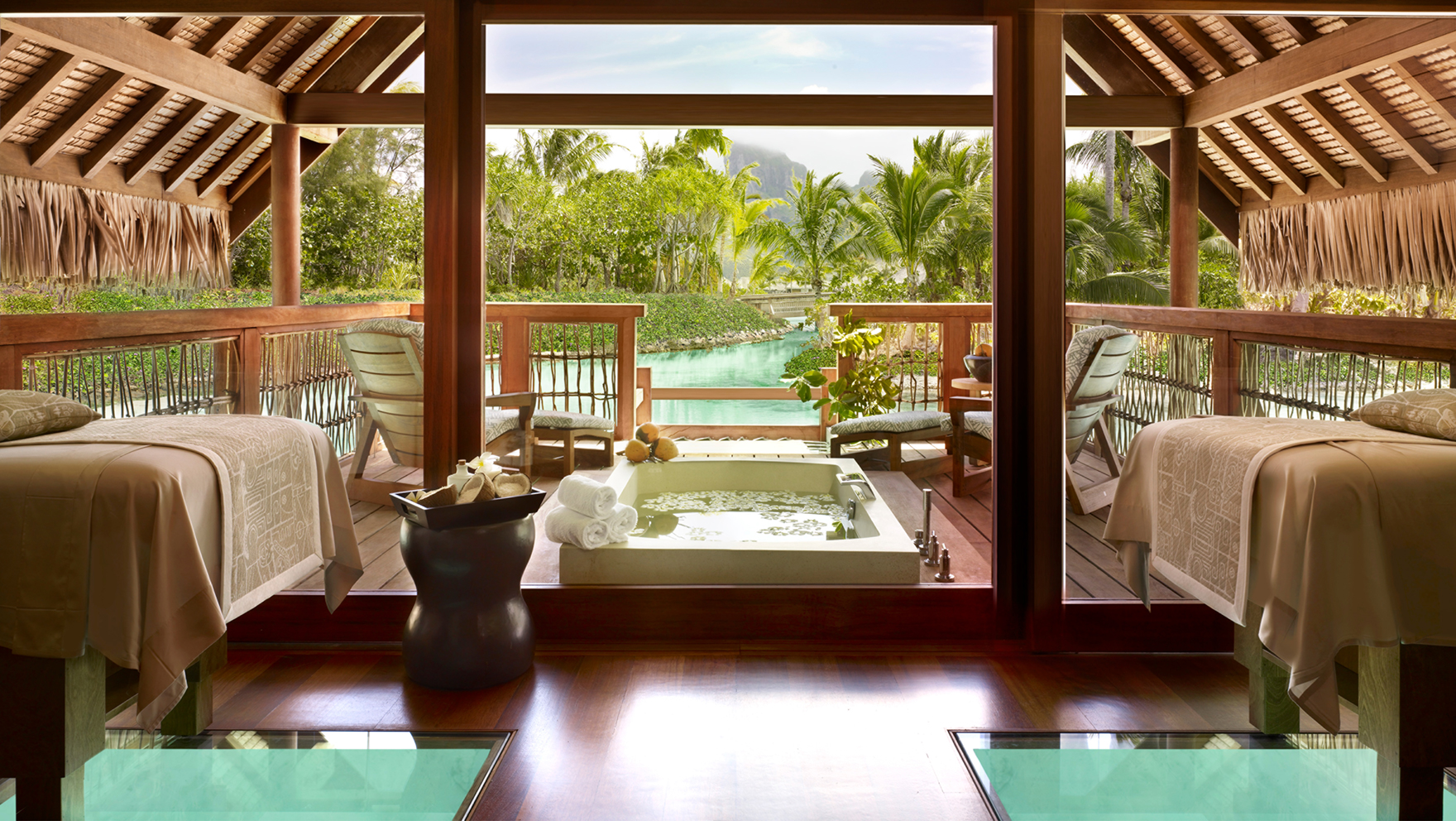
Te Mahana Spa operates within Four Seasons Resort Bora Bora, a property associated with lagoon scenery and the distinctive landscape of French Polynesia. Time spent in such a setting may appeal to people seeking rest as well as outdoor activities. The resort is not offering a medical clinic through this announcement. Its new services belong to the hospitality and aesthetic-care sector, with treatments intended to form part of a broader visit. Guests should evaluate them according to personal interests, skin sensitivity and suitability, not simply the appeal of the surroundings. A beautiful location can make an appointment more enjoyable, but it does not change the underlying risks or evidence associated with a device.
What myBlend contributes
The myBlend brand was launched within the Clarins group in 2007 and later developed under Dr Olivier Courtin, according to the Four Seasons release. It combines personalised skincare products with a range of treatment devices and hands-on techniques. The operator describes the approach using language such as cellular stimulation, improved firmness and skin regeneration. Those phrases express the brand's stated objectives; they should not be interpreted as independently verified outcomes for every guest. Cosmetic procedures can produce different experiences depending on skin type, previous treatments and health conditions. A reputable spa should provide clear explanations of what a session involves and avoid promising a uniform result.
Seven treatments with different durations
Four Seasons identifies seven new myBlend facial therapies. Three are listed as eighty-minute treatments, while four take fifty minutes. The original July announcement prices the longer sessions at EUR 310 and the shorter sessions at EUR 230. Those are published prices, not a confirmation of present rates or availability. A customer considering the programme should look beyond the treatment name to understand which technologies, products and manual processes are involved. Longer does not automatically mean better, and a shorter session may be more appropriate for some travellers. Booking staff should be able to explain the differences and recommend when a treatment should be avoided.
The Regenerating Facial uses radiofrequency
One of the longer options is called the myBlend Regenerating Facial. The resort says it uses multipolar radiofrequency, a technique that can heat tissue, combined with manual facial work and a red or near-infrared LED mask. The promotional description associates these steps with skin firmness and collagen-related effects. Any claims about clinical efficacy depend on device specifications, treatment protocols and individual factors, none of which are fully established by the press release. Heat-based technologies can also have contraindications. Prospective guests should ask who operates the equipment, what qualifications are required and how the spa determines suitability before agreeing to a procedure.
Contouring relies on electrostimulation
The eighty-minute Contouring Facial is described as using controlled electrical pulses designed to engage facial muscles, followed by manual techniques and an LED stage. The operator connects this combination with the appearance of facial contours and tone. Such language can sound definitive, but an announcement does not provide independent comparative trials showing how long any effects last or how they differ among individuals. Travellers should not regard the process as equivalent to surgery or medical treatment. It is sensible to discuss existing medical devices, implants, conditions and skin sensitivities with a qualified practitioner before undergoing any electrical or energy-based cosmetic procedure.
Revitalizing contrasts heat and cold
Another eighty-minute option is the Revitalizing Facial, which alternates cooler and warmer phases, with manual work and an LED mask also forming part of the programme. Four Seasons describes the approach in terms of circulation, vitality and cosmetic appearance. Temperature contrasts are familiar in some spa settings, but they may be uncomfortable or unsuitable for certain guests. The phrase 'toxin elimination' in the operator's marketing should not be taken as a demonstrated detoxification effect. The body's systems for processing waste are not replaced by a facial. A responsible preview should describe the physical experience accurately while avoiding unsupported medical implications.
Tonifying is one of the shorter options
The fifty-minute myBlend Tonifying Facial uses radiofrequency as part of a treatment aimed at the appearance of firmness. The shorter duration may appeal to guests who have other plans during the day, although the precise time required for consultation or preparation should be confirmed. Radiofrequency is a technical term for a form of energy delivery; it does not by itself define how deeply a specific device acts or the magnitude of any result. Those details depend on the equipment and protocol. Guests should be told what sensations to expect and what aftercare, if any, is recommended. Comfort and informed choice are fundamental to a luxury service.
Glow Effect concentrates on cooling
The Glow Effect Facial is described by the resort as using intense cold to create a refreshed appearance. Cosmetic cooling treatments can be marketed through terms such as radiance, pore tightening and improved skin tone, but individual experiences vary. The short-term sensation of cooling should not be confused with a permanent change to skin structure. Visitors who have unusual sensitivity to cold or certain dermatological conditions should seek appropriate advice before booking. The appealing aspect of a shorter treatment may simply be the time devoted to personal care in a quiet environment. That benefit is meaningful without the need to promise dramatic or medically validated transformation.
Lifting and Restructuring complete the collection
The remaining fifty-minute treatments are named Lifting and Restructuring. Four Seasons describes the first as incorporating electrostimulation and the second as using temperature contrasts. These are cosmetic service names, not guarantees of surgical lifting, tissue repair or treatment of a medical condition. A guest may choose a treatment based on the type of sensation they prefer or the professional guidance provided after a consultation. The distinction between temporary appearance changes and sustained clinical outcomes should be made clear. Consumers are best served when a spa describes its technology and realistic limitations rather than using a treatment's name as evidence of what it can achieve.
LED light and claims of renewal
Several of the protocols end with a red or near-infrared LED mask. Light-based skincare has attracted interest from cosmetic manufacturers, but efficacy and safety depend on wavelengths, doses, device quality, protocols and individual suitability. A brand's promotional claims should not substitute for independently assessed information. Guests should ask whether eye protection is needed, what conditions may make treatment inappropriate and what the practitioner expects from the particular device in use. The presence of advanced equipment can contribute to the atmosphere of a modern spa, but it is not automatically a sign that an experience is superior to careful manual treatment or a simpler skincare routine.
The value of a proper consultation
Personalised skincare should begin with understanding the person receiving the treatment. That includes their priorities, sensitivities, previous treatments and any conditions or medications that may be relevant. A resort spa should establish informed consent and provide a clear opportunity to decline a device or a particular technique. Some people may value a relaxing facial rather than an intensive technology-led protocol. Others may be interested in the equipment but should still understand what claims are supported. A sound consultation can help prevent disappointment and reduce avoidable risks. The quality of communication often matters as much as the sophistication of the device.
Luxury is not synonymous with intensity
Spa marketing sometimes implies that adding more devices, temperatures or stages necessarily makes a service more effective. In practice, guests have different goals. Someone who has spent several active days in the sun may want a gentle, comfortable appointment; another traveller may be curious about contemporary cosmetic methods. An effective luxury programme should allow these differences rather than encourage everyone to select the most elaborate option. The Te Mahana offering provides a range of durations and technologies, but no treatment should be chosen solely because it is positioned at the top of a price list. Personal care is most satisfying when it matches individual needs and preferences.
Planning treatment around an island holiday
Bora Bora visitors may combine swimming, time outdoors, boat excursions and dining with relaxation. A facial appointment should fit sensibly into that schedule. Some cosmetic treatments may leave skin temporarily sensitive or require particular aftercare, including sun precautions. Guests should ask the spa about the advice relevant to the exact service, rather than assume they can return immediately to every activity. This is particularly important in a tropical setting with strong sunlight. Booking well in advance may be useful, but the resort's original press release does not guarantee availability for a chosen date. Travellers should confirm the current treatment list and booking terms.
Broader perspectives on wellness
The partnership offers a technologically focused approach to facial care, which is only one aspect of wellbeing. Sleep, sensible sun protection, comfort, movement and enjoyable time with other people are also part of a holiday, without needing to be sold as intensive treatments. A resort's luxury proposition may be stronger when it provides guests with choices rather than presenting a particular beauty procedure as essential. Travellers should not feel that taking part in an aesthetic treatment is a requirement for enjoying the destination. The island's landscape and cultural context remain important reasons to visit independently of the spa menu.
A connection with luxury yacht travel
For owners and guests of 12–24-metre luxury yachts, Bora Bora is a well-known setting for maritime travel and scenic lagoon experiences. A spa appointment can be an additional shore-side activity, but this announcement does not establish a yacht-specific treatment package, marina service or vessel transfer arrangement. Those matters require separate research. The lifestyle relevance is the combination of a distinctive Pacific destination and personalised hospitality. Some visitors may enjoy a contrast between active time around the water and a quiet appointment indoors. The two experiences can complement one another without any invented claim of integration between the spa brand and yacht operators.
What the announcement actually establishes
Four Seasons Resort Bora Bora's July 2026 release identifies seven myBlend facial therapies at Te Mahana Spa, with three longer and four shorter formats and published indicative prices. It also identifies the brand's relationship with Clarins and presents the property as its first French Polynesian resort location. The clinical and cosmetic outcomes described in promotional language have not been independently tested for this article. For luxury lifestyle readers, the news is best understood as a change in the resort's spa offering rather than a medical breakthrough. The practical questions are whether the treatment suits a guest, whether the operator can explain its techniques and whether the experience will be comfortable and worthwhile.
Sources and image credits: Four Seasons Resort Bora Bora official 10 July 2026 press release, Four Seasons Resort Bora Bora Enhances Spa Experience with myBlend Facial Therapies, and first-party downloadable resort photography. Treatment names, durations and original pricing are attributed to Four Seasons. Medical-evidence caveats and travel considerations are independent Luxury Yacht Guide editorial analysis.
Sources and image credits
Reporting based on Four Seasons Bora Bora original 10 July 2026 report on seven myBlend facial therapies at Te Mahana Spa.
Lead photograph: Bora Bora's Te Mahana Spa Introduces Seven myBlend Facial Treatments — original verified official photo. Image: Four Seasons Hotels and Resorts, original subject-specific hotel editorial press photograph directly from the official downloadable news-gallery page. Original official image source.