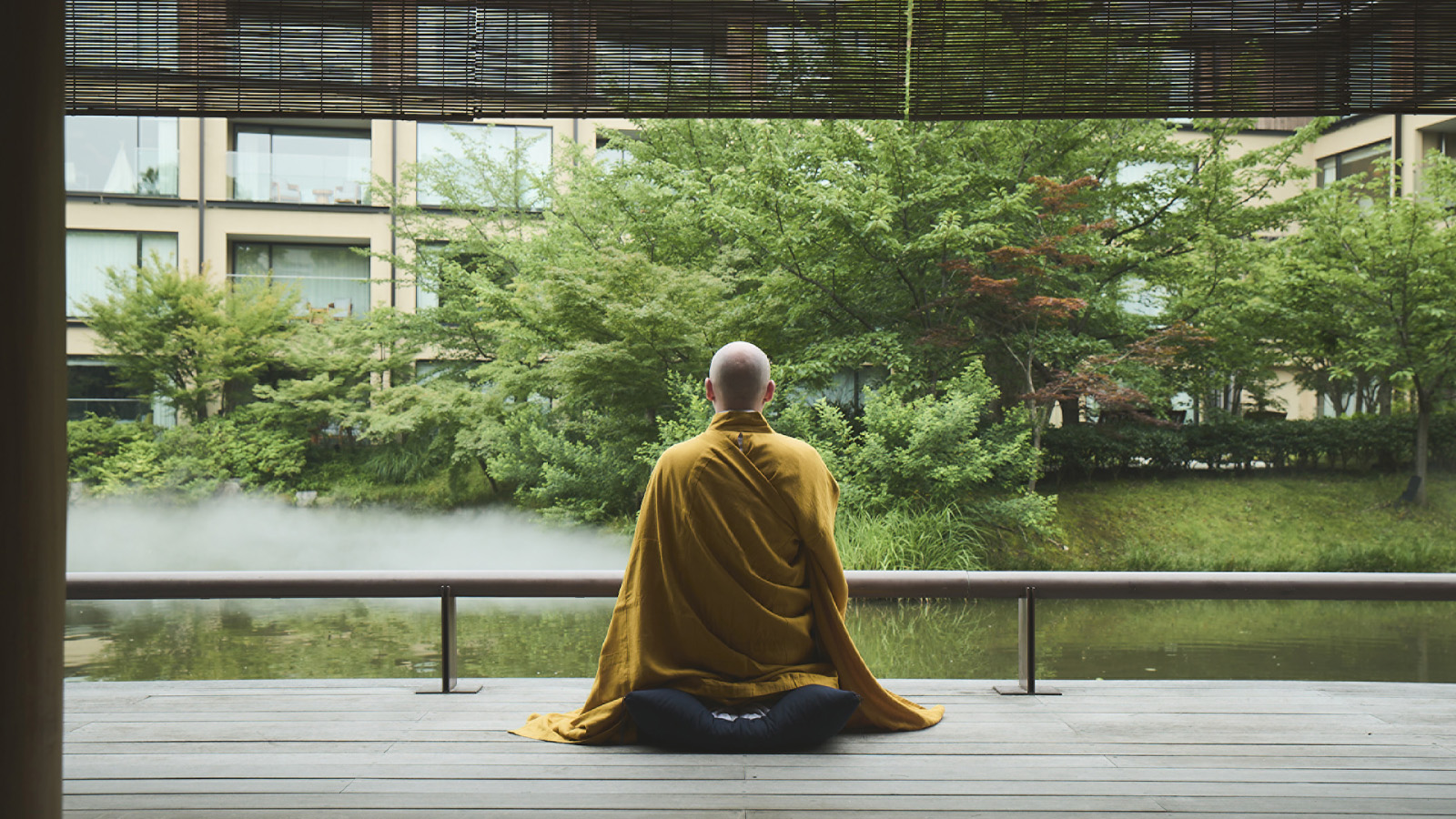
Four Seasons Hotel Kyoto has outlined a three-day winter-wellness itinerary that combines hotel spa rituals, Japanese tea culture, seasonal food and carefully paced outdoor exploration. Presented in an official feature on 10 November 2026, the programme takes the historic Shakusui-en pond garden as its visual and emotional centre. Suggested experiences include a Zen Ceremony at the spa, meditation, a private tea experience, seasonal dining and a guided walk towards Fushimi Inari. Rather than advertising an intensive programme of treatment or achievement, the hotel emphasises a slower rhythm. For luxury lifestyle travellers, the development is interesting because it treats cultural context and time spent observing a place as important parts of the experience. It is a suggested itinerary, not a medical intervention or a guarantee that every activity is included in one standard booking.
A different view of winter in Japan
Kyoto is often associated with spring blossoms and autumn colour, but winter offers another perspective on its gardens and architecture. Bare branches, colder air and the quieter details of a landscape can become more noticeable when a visitor moves slowly. Four Seasons presents this seasonal change as an invitation to reduce the number of planned activities rather than increase them. The idea is attractive, but it should not be treated as evidence that every attraction is empty or that all weather conditions are comfortable. Travel in winter requires suitable clothing and awareness of shorter daylight hours. Its reward can be the chance to observe familiar places in a different setting, without assuming that slower travel is objectively better for every person.
Shakusui-en as the centre of the itinerary
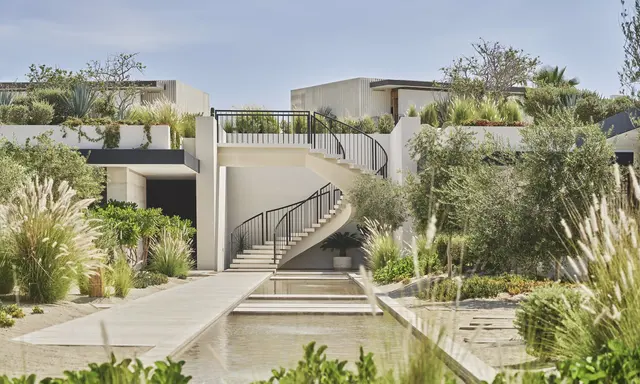
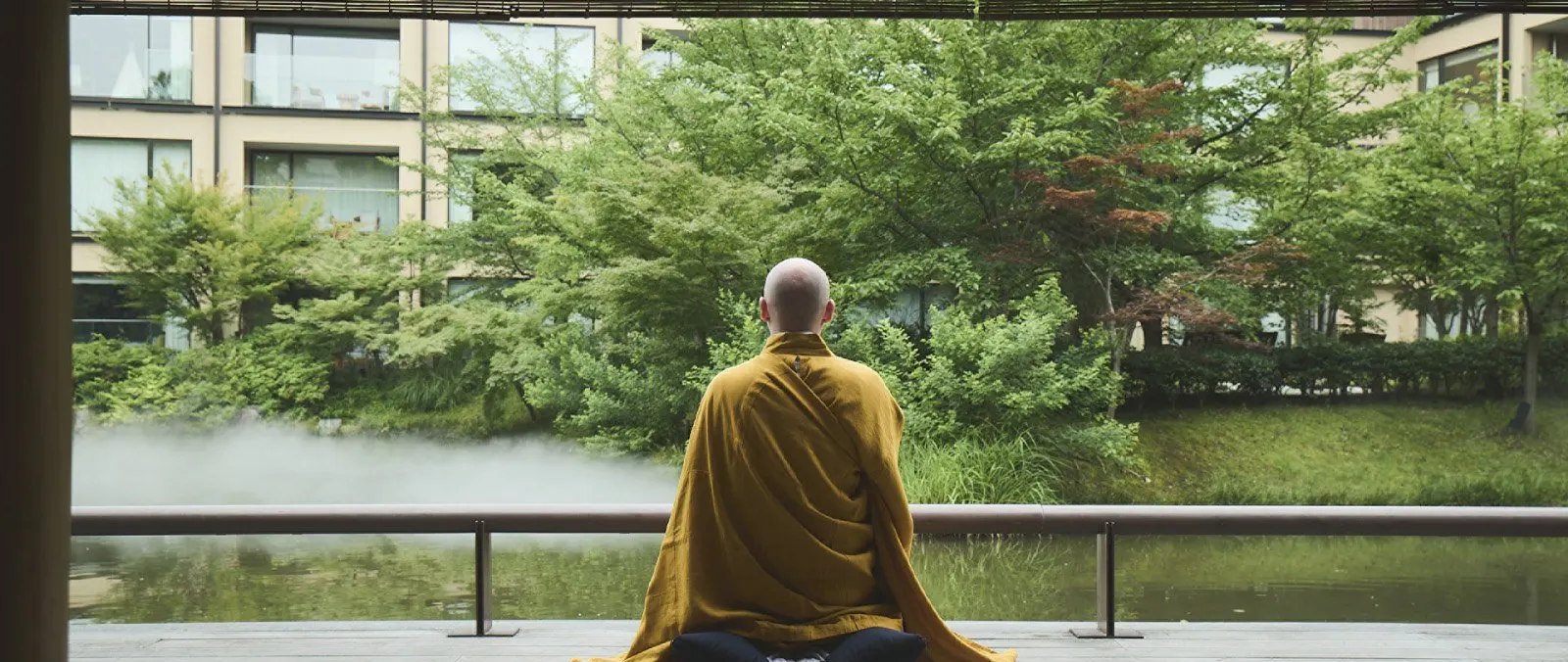
The hotel's Shakusui-en pond garden is described as an approximately 800-year-old landscape whose historical associations predate the modern property around it. Its water, stones and planting provide a quieter setting than the streets beyond the hotel's entrance. Four Seasons uses the garden as a point of continuity across the suggested three days, whether guests are looking out over it, walking nearby or taking part in a cultural activity. A historic garden is not a decorative installation made solely for hospitality photography. Its long history deserves consideration and careful treatment. Visitors should follow access rules and avoid disturbing fragile areas, particularly when winter weather affects paths or surfaces.
A three-day structure rather than a compulsory timetable
The source divides the visit into three broad themes: unwind, rebalance and energise. This sequence makes the proposal easy to understand, but it is not a prescription for health. Different travellers have different preferences, so a guest might want to omit a spa treatment, spend longer at a temple or choose an independent walk. A thoughtful itinerary leaves time for rest and allows the weather to influence the day. The hotel does not publish a verified all-inclusive price for the three-day plan in the article, and its individual components may require separate reservations. The suggested sequence is best regarded as an example of how to combine experiences around one winter stay.
The first day begins with quiet arrival
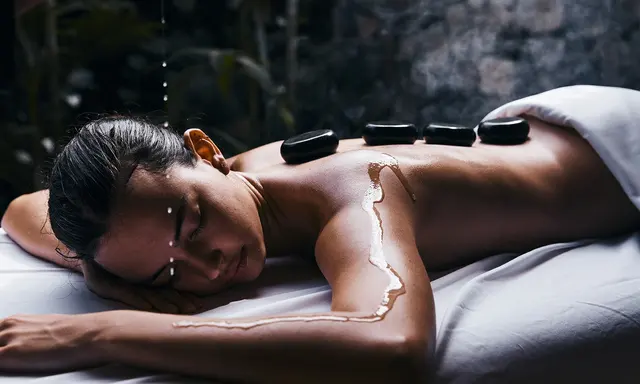
Four Seasons suggests arriving at the hotel, taking time to appreciate the garden and then visiting The Spa. This approach is deliberately different from rushing directly into sightseeing after a journey. It gives travellers an opportunity to settle into the environment, although the practical need for rest depends on their travel schedule. The hotel's Zen Ceremony is highlighted as a locally inspired ritual combining heat, touch and aroma. These elements may be pleasant for some guests, but they are not a guarantee of stress relief or treatment for a medical condition. Guests should ask about products, pressure and heat exposure, especially if they have allergies or health considerations.
Warmth is part of the winter spa experience
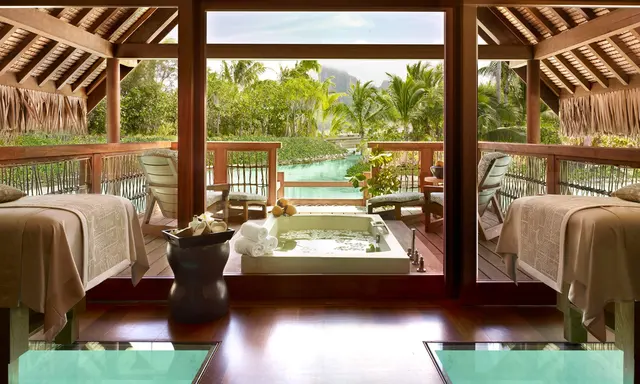
The itinerary describes access to sauna facilities, baths and an indoor pool as possible ways of spending time between more structured appointments. Warm spaces can feel appealing when temperatures outside are lower, but there are limits to their suitability. Heat and immersion may not be appropriate for every guest, and people should follow the spa's safety guidance. The hotel's press feature does not list the precise temperatures, medical contraindications or access terms for every facility. A luxury wellness setting should be valued for providing options, not for encouraging visitors to try every amenity. Those who prefer a gentle walk or quiet reading may find that just as enjoyable.
Seasonal dining at EMBA Kyoto Grill
For the first evening, Four Seasons suggests a meal at EMBA KYOTO GRILL, with an emphasis on local ingredients and winter produce. The source highlights Shogoin-kabu, a large sweet turnip associated with the colder season, alongside grilled meats, seafood and vegetables. This detail shows how an itinerary can connect with place without relying on a highly theatrical activity. Seasonal ingredients are part of the local food culture and may provide a richer sense of Kyoto than a generic luxury menu. The feature does not guarantee that a particular vegetable or dish will be available on every date, so diners should check the current menu. A seasonal reference is not a fixed reservation promise.
The second day focuses on breathing and movement
The suggested second morning begins with a yoga session or a guided walk through the surrounding Higashiyama landscape. These are quite different activities, and guests can choose according to their interests and physical abilities. Yoga may be enjoyable when the movements are suitable and taught with attention to individual limitations. A walk offers a way to observe the city and landscape, but uneven paths and winter conditions can make some routes more challenging. The hotel presents both as ways to begin an unhurried day, not as a requirement to reach a measurable state of wellbeing. A sensible traveller should consider what feels comfortable rather than follow a programme rigidly.
A tea ceremony becomes a cultural encounter
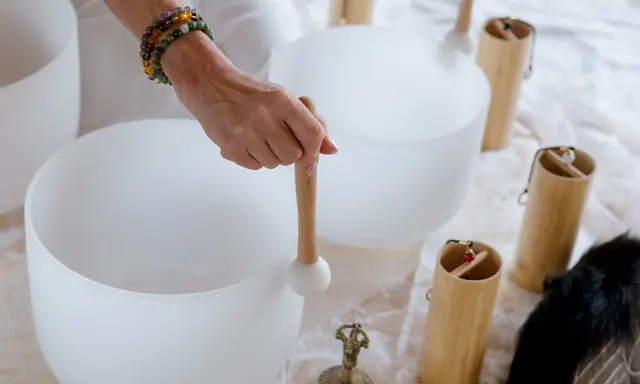
One afternoon option involves a private tea ceremony in the hotel's tearoom. Japanese tea traditions have developed through specific historical and cultural practices, and a visitor may learn more by listening carefully than by concentrating only on decorative details. The ceremony can introduce attention to utensils, preparation, movement and the relationship between host and guest. An experience designed for travellers is still a particular interpretation rather than a complete education in the history of tea. Participants should follow the guidance of the person leading it and feel free to ask respectful questions. The source does not establish that every ceremony is available without advance booking or that all sessions follow an identical format.
Sennyu-ji offers another afternoon possibility
An alternative suggested by Four Seasons is a visit to Sennyu-ji Temple for meditation and philosophical conversation with a resident monk. This offers a more explicitly cultural and contemplative experience than a commercial spa service. It should be approached with respect for the institution and its practices. The availability of a monk, private access or a particular conversation cannot be assumed for an unscheduled visit. Guests interested in the experience should confirm the arrangements through the hotel or the relevant institution. Religious and philosophical traditions are not entertainment props, and a visitor can benefit from listening without treating an encounter as a quick method for acquiring spiritual expertise.
Sushi Ginza Onodera provides a culinary evening
The second day's evening suggestion is an omakase experience at Sushi Ginza Onodera. Four Seasons describes a cypress counter and dishes shaped by ingredients associated with markets in Tokyo, Hokkaido and the surrounding region. Omakase involves entrusting much of the selection and sequence to the chef, but guests still need to communicate allergies and relevant preferences. The exact courses will depend on the active menu and available ingredients. A sushi dinner can offer an encounter with technique and seasonality, though it should not be reduced to a series of luxury ingredients. Rice, temperature, timing and service are central elements of the experience.
A final morning in the landscape
The proposed third day includes a hike toward Fushimi Inari, led in the example by Cultural Ambassador Nao Yokoyama. The destination is known for shrines and wooded paths, but a guided walk should be planned around current conditions and the group's ability. The hotel's feature does not provide a guaranteed route length or establish that the named guide is available on every date. Travellers should ask about the terrain, weather, footwear and any cultural considerations before departing. Walking through a significant religious landscape is different from a sporting challenge. Taking time to observe the setting and respect other visitors can be more rewarding than attempting to complete the route as quickly as possible.
Breakfast need not be an elaborate performance
The itinerary suggests a relaxed breakfast after the final outing, with Japanese choices or a familiar avocado-and-seeds toast as alternatives. The hotel's example includes ingredients such as sesame, flax and hemp seeds in the latter preparation. This attention to simple food fits the overall theme of avoiding unnecessary complexity, but it should not be turned into a claim that one breakfast is medically superior. Travellers have different dietary needs and preferences. The point of a gentle itinerary is to allow time for a comfortable meal rather than dictate a particular combination of ingredients. Guests should verify current menu choices before assuming they are available.
The role of the concierge
A concierge can help coordinate the timing of visits, transport and bookings, but such assistance does not remove the need for advance confirmation. Religious sites may set their own access rules, restaurants may be full and outdoor conditions can change. Four Seasons presents its three-day plan as a collection of possibilities, not an itinerary with all arrangements automatically secured. Travellers who particularly want a private tea ceremony or named cultural guide should communicate that priority early. Flexibility is useful, but it should be based on accurate information rather than on the assumption that luxury status guarantees entry to every cultural venue.
Wellness language deserves precision
The hotel's feature uses terms such as restoration, mindfulness and balance, which convey the intended atmosphere of the stay. These are subjective experiences, not clinical outcomes proven by the release. A visit to a garden can feel calming; a massage may be pleasant; meditation may suit certain guests. None of these statements establishes that a three-day itinerary treats a particular illness. Responsible lifestyle reporting can describe the cultural setting and available services while maintaining clear limits around health claims. Travellers should seek appropriate professional medical advice when needed and choose recreational activities according to their own comfort and circumstances.
Kyoto's heritage extends beyond one hotel
A property with an old garden provides an interesting starting point, but Kyoto's cultural and historical landscape is far larger than any hotel programme. Visitors may want to learn about art, architecture, crafts and the everyday life of neighbourhoods beyond famous tourist routes. The Four Seasons itinerary highlights particular places that fit its theme, not an exhaustive list of the city's heritage. A good visit leaves room for independent discovery and for the local communities whose work keeps traditions alive. This is especially important when cultural experiences are packaged for international guests: the setting should remain more than a picturesque extension of the hotel's commercial offering.
Why winter changes the pace of travel
Cooler weather and shorter days may encourage a different rhythm from the one associated with busy seasonal festivals. Guests can spend an afternoon on a quiet cultural activity and still feel they have had a meaningful day. The attraction is not that winter provides unlimited solitude or that every site becomes accessible without crowds. Rather, a carefully planned visit can take advantage of the season's particular colours, temperatures and light. Four Seasons' proposal draws attention to that possibility through the garden, warm interiors and selected excursions. Travellers should still monitor weather and understand that some activities may need adjustment.
A cultural interest for luxury yacht travellers
Owners and guests of 12–24-metre luxury yachts may enjoy cultural journeys when travelling away from their vessels. Kyoto's gardens, design and carefully considered hospitality offer a contrast to coastal recreation and time afloat. The hotel's winter itinerary does not announce yacht services, marina access or boat-related transfers. Its connection to the audience is a broader interest in destinations, craftsmanship and meaningful personal experiences. A traveller accustomed to planning journeys around weather and seasons may appreciate another context in which timing shapes the atmosphere. That is a cultural analogy rather than a direct operational relationship.
What has been announced in November 2026
The Four Seasons feature dated 10 November describes a three-day winter-wellness itinerary involving Shakusui-en, the spa's Zen Ceremony, seasonal dining, tea or temple experiences, and a guided walk near Fushimi Inari. It emphasises a slower approach to travel rather than a tightly scheduled programme. The exact booking terms for individual activities are not established in the article, so prospective guests should confirm them directly. For luxury lifestyle readers, the most appealing element is the decision to treat attention to place as central to the journey. The programme is at its strongest when culture, hospitality and personal choice work together without promising more than a thoughtful winter visit can deliver.
Sources and image credits: Four Seasons Hotel Kyoto original official 10 November 2026 media feature, A Slow, Mindful Restoration: Winter Wellness at Four Seasons Hotel Kyoto, with first-party downloadable hotel editorial photography. The suggested itinerary, named locations and hotel services are attributed to Four Seasons; cultural, safety and evidence-aware analysis is original Luxury Yacht Guide reporting.
Sources and image credits
Reporting based on Four Seasons Hotel Kyoto official 10 November 2026 winter wellness three-day itinerary feature.
Lead photograph: Kyoto's Winter Wellness Journey Combines Tea, Gardens and Spa Rituals — original Four Seasons official press photograph. Image: Four Seasons Hotel Kyoto, original official first-party winter wellness and Shakusui-en garden press photograph. Original official image source.