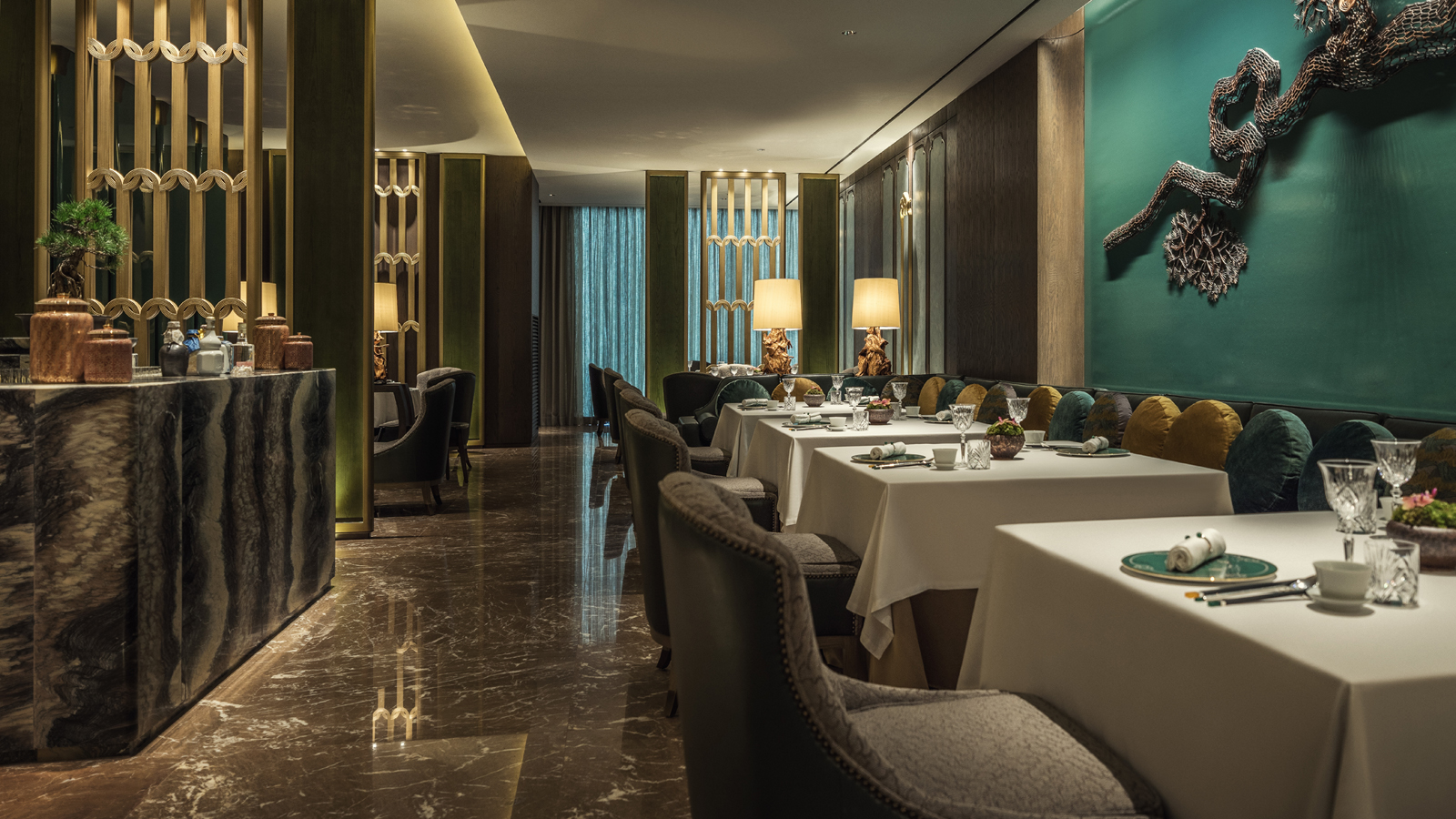
Yu Yuan, the Cantonese fine-dining restaurant at Four Seasons Hotel Seoul, retained one Michelin star in the Michelin Guide Seoul & Busan 2026, marking a second consecutive year of recognition after returning to starred status in 2025. The result was announced at the guide's official ceremony on 5 March 2026 and detailed in a hotel release the following day. At the centre of the restaurant's kitchen is Head Chef To Kwok Wai, a Hong Kong-born chef whose career has spanned nearly three decades and several major Asian culinary cities. Although this is a retrospective look at an earlier 2026 distinction rather than breaking November news, it offers a useful portrait of the way technical discipline, team leadership and an understanding of culinary tradition shape a recognised hotel restaurant.
A continuing chapter in the restaurant's history
Four Seasons reports that Yu Yuan held Michelin-starred status for five consecutive years from 2017 to 2021, returned to the guide's starred selection in 2025 and maintained that recognition in 2026. This sequence matters because the word retained describes a particular achievement in the most recent two editions, not an uninterrupted run covering the entire decade. Restaurant awards can be complex to communicate accurately, and an article should preserve the chronology. The Michelin star belongs to the restaurant as assessed by the guide, rather than becoming a permanent credential that can never change. Diners should check the current edition when making decisions, particularly once a new guide is released.
What a Michelin star signifies
The Michelin Guide assesses restaurants through its own inspection process and award criteria. Its recognition is influential within international dining, but it is not a universal measure of every guest's enjoyment or a guarantee that a particular dish will appeal to everyone. Cuisine involves subjective tastes, cultural expectations and different ideas about value. A star indicates that inspectors recognised the restaurant under the guide's framework at the time of the assessment. It does not mean all diners must prefer it to independent local establishments. This distinction helps avoid reducing a rich food culture to a hierarchy of awards, while still acknowledging the effort involved in receiving a recognised distinction.
The Head Chef comes from Hong Kong
To Kwok Wai is identified by Four Seasons as a Hong Kong native with close to thirty years of professional experience. He has worked in Hong Kong, Singapore, Jakarta, Beijing and Guangzhou, giving him familiarity with different restaurant environments and international guests. Such breadth may be valuable for a Cantonese restaurant in Seoul, where the kitchen operates outside the cuisine's principal cultural origins. However, experience in many cities is not automatic evidence that every dish is successful. The chef must still adapt ingredients, organise teams and preserve the identity of the food. The official release places this combination of technical knowledge and leadership at the centre of Yu Yuan's approach.
Earlier restaurants shaped his experience
Four Seasons describes previous roles connected with Mengdu and Imperial Treasure in Guangzhou, including senior responsibilities within a Michelin-recognised setting. These professional associations provide context for To's career but should not be interpreted as a claim that those restaurants have any present commercial involvement with Yu Yuan. An experienced chef can carry techniques and standards between kitchens without reproducing the exact menus of former employers. The challenge is to apply accumulated knowledge to a new team and destination. The hotel highlights precision, ingredient selection and traditional Cantonese methods as the basis for the Seoul restaurant's work, rather than announcing a complete reinvention of the cuisine.
Joining the hotel in 2023
The chef began leading Yu Yuan in 2023, according to the hotel, before the restaurant's return to starred recognition in 2025. This gives a useful timeline for understanding development. Building a consistent kitchen can involve months of training, refinement and decisions about purchasing, preparation and service. It would be misleading to attribute the guide's evaluation to a single new dish or suggest that one individual alone created the entire result. Cooking at this level depends on the work of a larger team. The appointment of a head chef can provide direction, but the restaurant's identity emerges through the repeated efforts of many people across kitchen and dining room.
Cantonese cuisine is built around considered technique
Cantonese cooking covers a wide range of dishes, regional traditions and methods. It often places emphasis on understanding the natural qualities of ingredients and selecting a preparation that serves them well. Yu Yuan's official description highlights traditional techniques and carefully prepared stocks and sauces. These details are revealing because a broth or sauce may look simple when served, yet require controlled preparation and attention to timing. Such work is difficult to convey in a short menu description. The pleasure of the meal may come from clarity and balance rather than overt decoration. A careful report can explain the culinary principles without pretending to have personally tasted each preparation.
Long-simmered broths have a particular role
Four Seasons emphasises the use of long-simmered broths and sauces within the restaurant's approach. Slow preparation can be used to develop depth of flavour, but the precise result depends on ingredients, temperature and method. It is not correct to assume that longer cooking automatically makes a dish superior or that a particular broth has medical benefits simply because the hotel references nourishment. Some techniques aim to extract flavour while maintaining clarity and balance. Diners may find it interesting to ask how the kitchen uses stock in different dishes. The source does not supply complete recipes, so it would be inappropriate to invent ingredients, simmering times or flavour notes from an unseen plate.
Ingredient selection is part of the craft
A kitchen that emphasises ingredient quality needs more than expensive products. Freshness, suitability and the relationship between ingredients all matter, while sourcing decisions affect consistency. Four Seasons states that Yu Yuan makes careful selections of premium ingredients, but it does not publish a full supplier list or independent verification of every product's provenance. Diners who care about particular sourcing practices should ask the restaurant directly. Cantonese culinary traditions often reward a precise understanding of texture and freshness, a quality that can be appreciated without assuming all ingredients must be imported from one place. Working with the right products is an ongoing operational responsibility rather than a single promotional claim.
Technique can be more memorable than spectacle
Luxury dining is sometimes described through dramatic plating or rare components, yet a coherent restaurant may place greater value on restraint. A clear broth, carefully cooked fish or balanced sauce can demand as much technical skill as a visually elaborate creation. The hotel presents Yu Yuan's style through the careful application of familiar Cantonese techniques rather than a proposal to replace them with unrelated fashions. This does not mean creativity is absent. A chef may adapt presentation or ingredient combinations while retaining the structures that make a dish recognisably connected to a tradition. The important question is whether the innovation improves the food, not simply whether it is new.
Maintaining consistency over time
The restaurant's 2025 and 2026 recognition invites attention to consistency. An excellent single meal may be memorable, but a hotel restaurant operates repeatedly, across different services and with guests bringing varied expectations. Training, clear preparation standards and good communication between kitchen and dining room can help maintain quality. The source credits To's structured leadership as part of the team's work. That is an operator's assessment rather than an independent audit of internal systems, but it reflects a real challenge in hospitality. High standards must survive staff changes, busy evenings and variations in ingredients. Consistency is achieved through practice rather than a certificate displayed on the wall.
Cantonese fine dining in a Korean capital
Yu Yuan operates in Seoul, a city with its own deep culinary traditions and a diverse international dining scene. A Cantonese restaurant within a luxury hotel contributes one form of cross-cultural hospitality, but it should not be taken as representative of Korean cuisine. Travellers may enjoy Cantonese fine dining on one evening and explore local Korean food culture on another. The two interests can coexist without reducing either to a generic Asian category. This is particularly important in international lifestyle reporting, where distinctions between culinary traditions should be described accurately. Hong Kong, Guangdong and Seoul have different histories and food cultures, even when ingredients or techniques sometimes overlap.
The dining room belongs to a larger hotel
Four Seasons Hotel Seoul includes several restaurants and bars, each serving different tastes and occasions. Yu Yuan's distinction gives it a particular role within that selection, but the surrounding property does not turn every outlet into a Michelin-starred venue. Visitors should confirm which restaurant is being discussed when reading awards or planning reservations. The hotel's Gwanghwamun setting also offers opportunities to explore the city's museums, palaces and districts beyond its dining rooms. An evening at Yu Yuan can form part of a wider cultural journey rather than the only experience of the destination. Luxury hotels are most useful when they provide a comfortable base for discovery, not when they replace engagement with the city.
An award reflects a moment in time
The 2026 recognition was announced on 5 March, and the hotel issued its celebratory statement on 6 March. Those specific dates matter in a November article. It would be inaccurate to describe the award as having been announced this week or to infer that a future guide has already made the same decision. Michelin distinctions may be reassessed in later editions, and the appropriate reference is the 2026 guide. Similarly, the press release does not identify a new menu launched in November or a limited-time dining event linked to the award. The useful story is how the restaurant's team sustained recognition within the edition documented by the source.
Diners should plan around the actual menu
A chef's reputation and a restaurant award can create interest, but visitors still need practical details. The source does not give an all-inclusive dining price or establish real-time table availability. Guests should check current menus, opening hours, dietary accommodation and reservation conditions directly with Yu Yuan. Someone avoiding a particular ingredient may need to ask about broths and sauces, since some components are not obvious from a dish's title. A restaurant known for craftsmanship should still be approachable and transparent. An enjoyable experience depends partly on matching the meal to personal preferences rather than treating an award as a reason to ignore one's own needs.
The dining team's work deserves recognition
Hotel press releases often highlight a head chef, but the kitchen's work is collective. Cooks, preparation specialists, servers and managers contribute to the consistency and hospitality on which a restaurant depends. To's statement in the official release acknowledges the team's dedication and the importance of carrying Cantonese techniques forward. That is a more useful way of understanding an award than presenting it as a purely individual triumph. A chef may provide leadership and creative direction, but staff training and careful coordination allow a concept to become a repeatable experience. The people performing that daily work are part of the restaurant's story.
Cultural authenticity requires thoughtful language
The hotel uses the idea of authentic Cantonese cuisine to describe Yu Yuan's approach. Authenticity is a complex term because culinary traditions evolve through families, regions and generations. No single restaurant can represent every version of a cuisine. The chef's experience and the team's attention to technique provide a basis for discussing heritage, but a visitor should avoid treating one luxury dining room as a definitive authority over all Cantonese food. A more productive question is whether the kitchen respects important methods and communicates its choices clearly. Skill, knowledge and a willingness to learn can coexist with careful innovation.
What yacht lifestyle travellers may appreciate
Owners and guests of 12–24-metre luxury yachts often travel internationally and may be interested in restaurant craftsmanship, cultural destinations and personal hospitality. Yu Yuan's Michelin recognition is relevant through those wider interests, not through a marine service. Four Seasons has not announced a yacht-related partnership or restaurant package for vessel owners in the cited release. The connection is an appreciation for precision and the coordination of specialised teams, qualities that can also matter in private hospitality afloat. Nevertheless, the restaurant should be evaluated as a dining destination in its own right, rather than through an artificial comparison with yacht operations.
A 2026 recognition with an established history
The verified facts are that Yu Yuan retained one Michelin star in the 2026 Seoul & Busan guide, that this was its second consecutive starred year after 2025, and that the restaurant had previously held a five-year run from 2017 to 2021. Head Chef To Kwok Wai has led the kitchen since 2023, bringing extensive Cantonese culinary experience to Seoul. The March recognition remains a meaningful part of the restaurant's 2026 story, but future awards and present availability require separate confirmation. For luxury lifestyle readers, the broader significance is the continuing work required to express a culinary tradition with consistency, sensitivity and technical care.
Sources and image credits: Four Seasons Hotel Seoul original official 6 March 2026 press release, Four Seasons Hotel Seoul Retains Michelin One-Star Status for Two Consecutive Years, with original first-party Yu Yuan and Chef To Kwok Wai press photography. Michelin history, personnel and cuisine descriptions are attributed to the hotel and its account of the 2026 guide; independent cultural and dining analysis by Luxury Yacht Guide.
Sources and image credits
Reporting based on Four Seasons Hotel Seoul 6 March 2026 official Yu Yuan Michelin Guide Seoul and Busan 2026 recognition release.
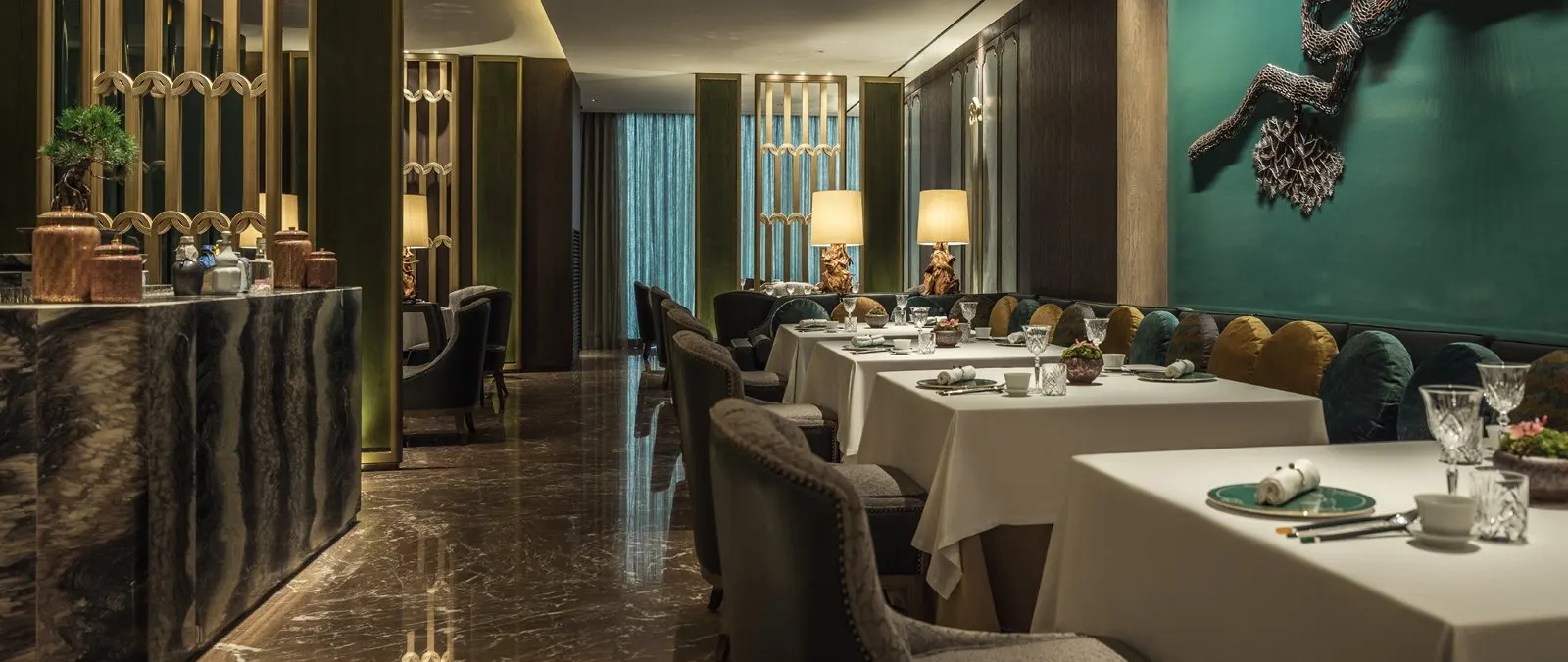
Lead photograph: Yu Yuan Seoul Sustains Michelin Recognition Through Cantonese Craft — original Four Seasons official press photograph. Image: Four Seasons Hotel Seoul, original official Yu Yuan Cantonese restaurant press photograph. Original official image source.