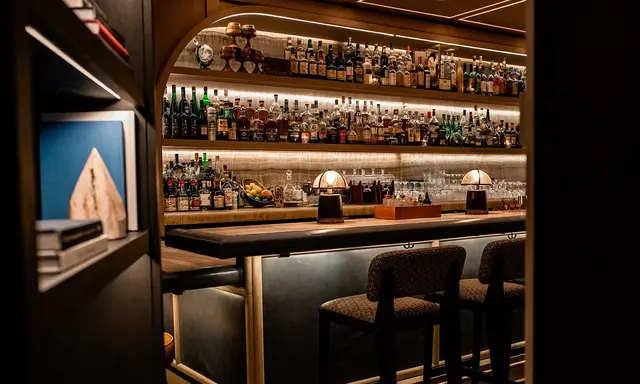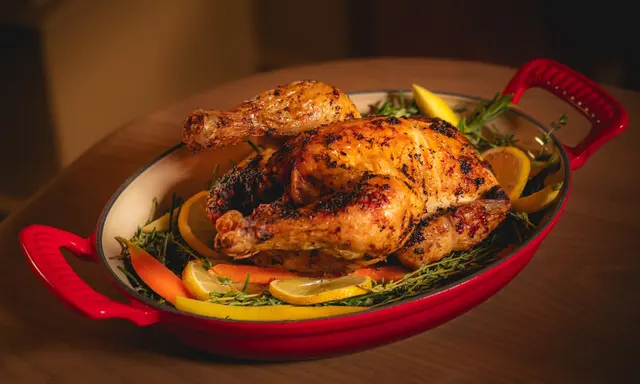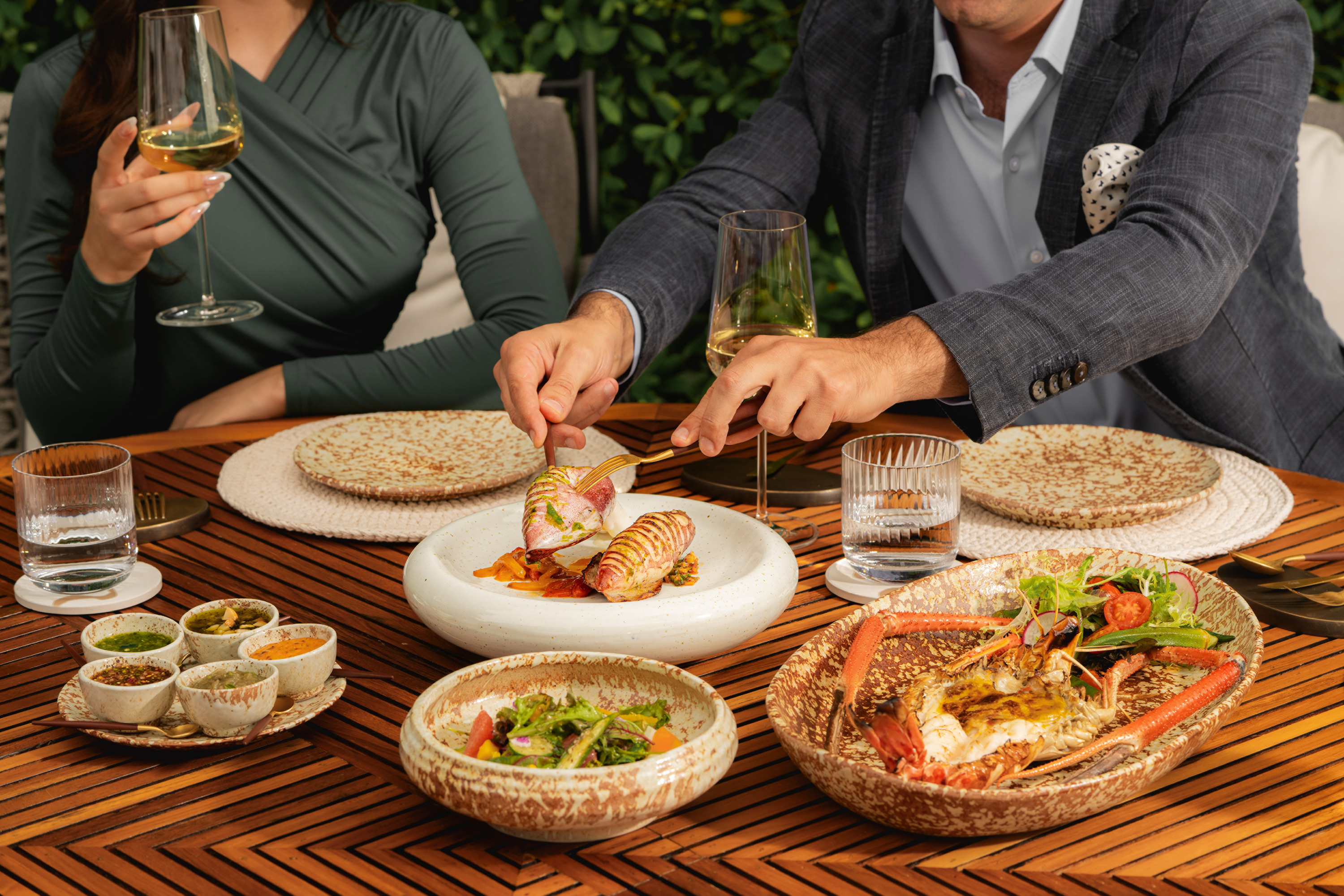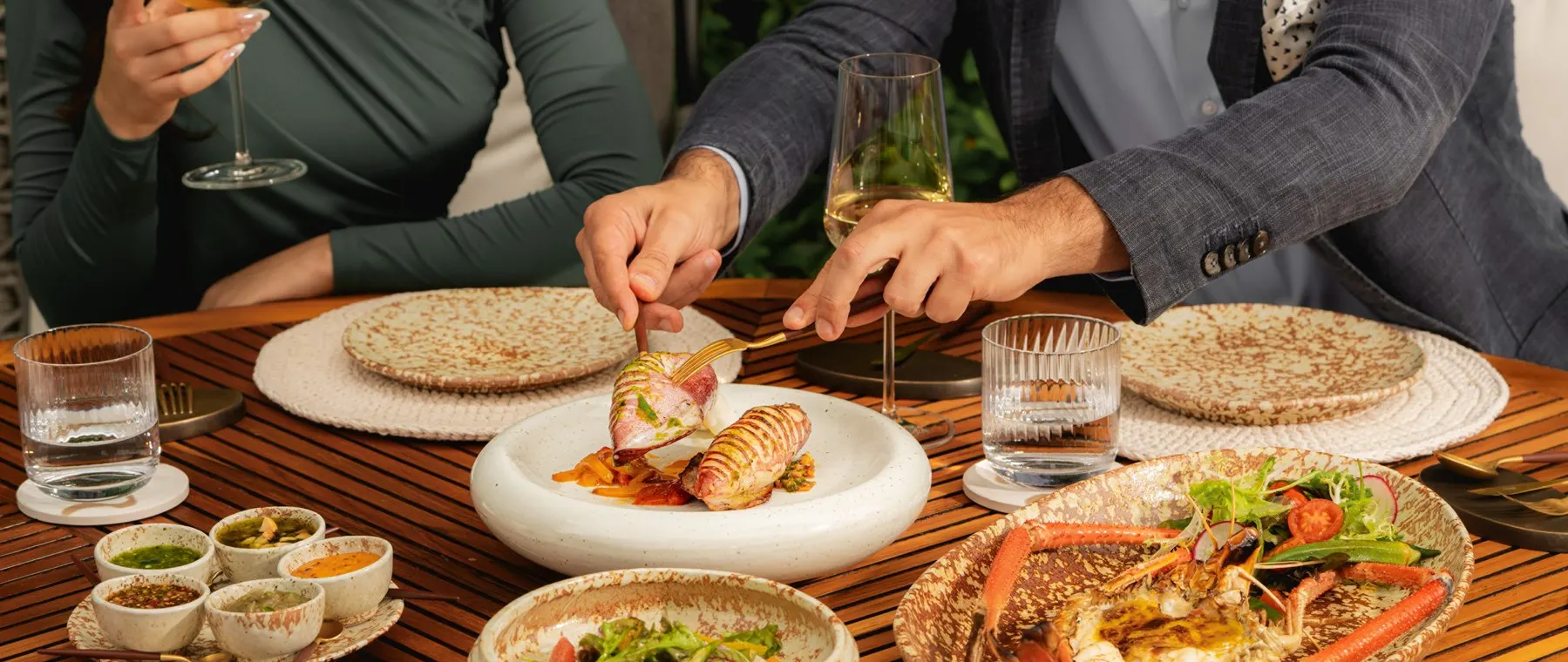
Chao Phraya Terrace at Four Seasons Hotel Bangkok at Chao Phraya River reopened for its cooler-season programme on 27 October 2026, bringing a refreshed collection of Thai dishes to its open-air riverside setting. Chef de Cuisine Jessada “Pod” Khruapunt has retained the restaurant's emphasis on charcoal grilling while introducing preparations that draw on ingredients and traditions from different regions of Thailand. The menu ranges from smoked tiger prawns and Thai Gulf squid to Korat wagyu and vegetable skewers, with coconut and lychee wood charcoal used to develop aromas over the fire. For luxury lifestyle travellers, this is a story about how a sophisticated hotel restaurant can connect a city's contemporary hospitality with regional producers, traditional cooking and a distinctive sense of place.
The river provides an important part of the experience
Bangkok's Chao Phraya River is both a working waterway and a cultural reference point for the city. An outdoor restaurant beside it has an atmosphere very different from a formal dining room with enclosed walls. Boats move across the water, the light changes at dusk and the temperature may become more comfortable during the cooler season. Four Seasons presents these elements as part of Chao Phraya Terrace's identity rather than as an incidental view. None of this guarantees a particular sunset or weather condition for an individual booking, however. A successful riverside experience also depends on practical matters such as seating, shade, air movement and the restaurant's ability to maintain comfortable service outdoors.
A seasonal reopening rather than an entirely new restaurant
The hotel describes the October development as the return of Chao Phraya Terrace for another season. Chef Pod explains in the official release that the restaurant has celebrated Thai ingredients through charcoal cooking for the previous three years. This is important context because the announcement does not establish the opening of a completely new venue. Instead, an existing culinary identity is being developed through seasonal ingredients and refreshed dishes. For returning guests, that creates continuity as well as an opportunity to discover something different. The same philosophy can guide successive menus without making each one identical. The most interesting changes are often those that deepen a restaurant's existing sense of purpose.
Chef Jessada Khruapunt leads the kitchen
Jessada “Pod” Khruapunt is identified as Chef de Cuisine, responsible for guiding the restaurant's contemporary interpretation of Thai food. His published emphasis is on respecting the country's agricultural and coastal variety rather than relying on one simplified image of national cuisine. Thailand's regions have different produce, preparation styles and cultural influences. A kitchen seeking to reflect those differences needs to make careful decisions about sourcing and technique. The hotel's release names a range of ingredients and regions, but it does not independently trace every product to a particular farm or fishing boat. Responsible coverage recognises the chef's stated approach while avoiding unsupported claims about individual suppliers.
Fire is a method, not merely a visual effect
Charcoal grilling is central to the restaurant, with Four Seasons describing the use of coconut and lychee wood charcoal. Different fuels can contribute their own aromas, while the temperature and placement of food influence texture and cooking. Open-fire preparation also requires skill in controlling heat and avoiding overcooking delicate ingredients. The sight and scent of a grill can be theatrical, but a well-executed dish should not depend on spectacle alone. A chef has to understand the ingredients and the cooking conditions, especially when preparing seafood, meat and vegetables that require different handling. Chao Phraya Terrace's renewed menu makes this technical tradition the connecting thread between its dishes.
Smoked tiger prawn begins an unexpected noodle dish
One of the newly described dishes is cold noodles with smoked tiger prawn, seaweed, chilli, torched ginger and bitter orange. This is an interesting combination because it uses the smoky character of seafood alongside ingredients that can introduce freshness, heat and acidity. A cold noodle preparation might be expected to feel lighter than a grilled main course, yet smoking creates a connection with the restaurant's central fire-cooking theme. Four Seasons identifies the components but does not provide a complete recipe or independently verified tasting notes. The useful editorial observation is how the dish combines contrasting techniques, temperatures and flavours within a coherent seasonal programme.
Korat wagyu offers a regional reference
The Massaman Korat Wagyu Bone-In Short Rib brings locally associated beef together with pickled onions, coconut and cumin. Massaman is a curry tradition with complex historical influences and a distinctive combination of aromatic spices. Its appearance alongside a wagyu cut illustrates how a chef can reinterpret a familiar culinary structure without claiming to reproduce a single canonical recipe. The source also identifies the Korat region through its beef reference. Buyers of a restaurant experience should not assume that a named regional ingredient comes with an independently documented farm-to-table certification unless the operator supplies one. The dish should be understood through its declared ingredients and the chef's interpretation.
The Gulf of Thailand is represented through squid
Grilled Yellow Curry Thai Gulf Squid is another new item, accompanied in the announcement by fragrant curry, pickled vegetables and coconut. Coastal seafood brings different textures and practical demands from slow-cooked meat. Precise grilling can be important to keep squid tender, while the curry elements provide a flavour framework. The mention of the Thai Gulf is a geographical reference that helps distinguish the dish from a generic international seafood preparation. It does not guarantee a particular day's catch, fishing method or seafood sustainability standard. Guests who care about provenance may wish to ask the restaurant for current details. Accurate sourcing information is more useful than a romantic but unverified story.
Skewers preserve the menu's informal side
The Signature Fire Skewers remain a major part of the experience. Four Seasons highlights a Khao Yai Free-Range Chicken Wing prepared with turmeric, curry paste and coriander. Other items include banana prawns with makrut lime, coconut milk and chu-chee curry, and Korat wagyu short ribs with tamarind, palm sugar and seven peppers. A skewer format can create a relaxed, shareable way of eating, even within a high-end hotel setting. The ingredients offer different expressions of sweetness, acidity, spice and smoke. The official description provides useful information about the intended flavour combinations, but each guest's response will depend on personal preference and the preparation at the time of service.
Vegetable dishes are developed in their own right
A notable part of the refreshed programme is a selection of plant-based creations. Four Seasons names a mushroom skewer using tahini, soy mushroom and zucchini, a tofu skewer with gorlae and cashew nuts, and a vegetarian steak-and-curry preparation featuring lion's mane mushroom, beetroot and red curry. This indicates that the restaurant has considered vegetables as subjects of the grill rather than treating them only as accompaniments to meat. Guests following a vegan diet should still confirm ingredients, cooking surfaces and sauces, particularly where dairy, fish products or other animal ingredients may be used in some Thai preparations. The menu description alone cannot guarantee freedom from particular allergens.
Familiar favourites remain available in the announcement
The press release also highlights Grilled Red Grouper with Fermented Soya Bean and BBQ Ratchaburi Pork Ribs as established dishes. Retaining recognised favourites can help a seasonal restaurant balance innovation with continuity. A guest returning specifically for a familiar preparation may appreciate knowing that the kitchen has not discarded every earlier idea. At the same time, availability can change as menus evolve and ingredients vary. The release is a snapshot of the October reopening, not a live menu database for every subsequent day. Travellers should check current offerings directly when a particular dish is important to their plans.
Bangkok's regional food landscape deserves context
Thailand's culinary traditions cannot be fully represented by one tasting menu or luxury restaurant. The country includes diverse communities, local markets and food practices developed through trade, geography and family knowledge. Chao Phraya Terrace's stated philosophy is to recognise that regional variety through carefully selected ingredients and techniques. A visitor interested in food culture can appreciate the hotel's interpretation while also making time for independent restaurants and markets elsewhere in Bangkok. The value of the experience is the particular perspective offered by Chef Pod, not a claim that an evening beside the river provides a comprehensive education in Thai cuisine.
Shared meals suit an open-air terrace
The menu's skewers, seafood and grilled dishes suggest opportunities for groups to share several flavours rather than order only one large plate each. Sharing can encourage conversation, although the exact service format and portion sizes should be confirmed with the restaurant. Guests with allergies or dietary restrictions need clear descriptions, especially where shellfish, nuts, soy and fish-based sauces appear. An outdoor setting can feel informal, but professional attention to those details remains important. Luxury dining is often most convincing when the quality of ingredients and hospitality allow people to relax rather than feel obliged to participate in an elaborate performance.
Choosing the season and the time of day
The restaurant's October reopening was timed for Bangkok's cooler season, according to the operator. This can make riverside evening dining attractive, but weather is still variable and should not be assumed to follow a fixed pattern. Rain or unusually warm conditions can affect comfort and outdoor arrangements. Travellers should ask about covered seating, reservation policies and how the restaurant handles unexpected weather. Sunset may provide a particularly atmospheric setting, though a booking cannot guarantee a specific view. Careful planning includes leaving enough time to reach the property through Bangkok's traffic and avoiding a schedule so tight that dinner becomes hurried.
Restaurant publicity is not independent taste testing
Four Seasons supplies descriptions of its dishes and quotations from the chef, but this article has not independently tasted the October menu. Terms such as exceptional, signature and refined are part of the operator's presentation and should be interpreted accordingly. An editorial report can examine the menu's structure and cultural references without claiming first-hand experience. It is also appropriate to recognise that a dish may change between announcement and service. Readers interested in reviews should seek accounts from diners who visited the relevant menu, while using the official release to understand what the restaurant intended to introduce.
The river's relationship with maritime travel
Owners and guests of 12–24-metre luxury yachts may appreciate the Chao Phraya's role in Bangkok's urban life, even though it is a very different environment from open-water cruising. Boats and ferries are part of the scene visible from the terrace, but the restaurant's announcement does not offer a yacht berth, private-vessel transfer or marine excursion. Those arrangements should not be invented. Its relevance to a yacht lifestyle audience is the opportunity to enjoy a place where food and water are closely connected, in a city with a distinctive history of river transport and commerce. The connection is cultural and geographical, not a commercial yacht service.
A renewed menu with a clear culinary identity
The documented news is the reopening of Chao Phraya Terrace on 27 October 2026 under Chef Jessada Khruapunt, with a refreshed programme shaped by Thai regional ingredients and charcoal grilling. New dishes include smoked tiger-prawn noodles, a wagyu Massaman preparation and grilled Thai Gulf squid, alongside existing favourites and plant-based options. The release establishes the menu's concept but not real-time availability or individual pricing. For luxury lifestyle readers, the restaurant illustrates how an established destination can evolve while retaining its essential character: thoughtful regional cooking, the technical demands of fire and a riverside setting that makes Bangkok part of the experience.
Sources and image credits: Four Seasons Hotel Bangkok at Chao Phraya River, official October 2026 release, Chao Phraya Terrace Returns for a New Season of Thai Farm-to-Table Charcoal Dining, original hotel press-media photographs. Names, ingredients and reopening date are attributed to Four Seasons. Independent food-culture context and travel considerations by Luxury Yacht Guide.
Sources and image credits
Reporting based on Four Seasons Hotel Bangkok at Chao Phraya River October 2026 official Chao Phraya Terrace reopening release.
Lead photograph: Bangkok's Chao Phraya Terrace Returns to Thai Charcoal Cooking — original Four Seasons official editorial press photograph. Image: Four Seasons Hotel Bangkok at Chao Phraya River, original Chao Phraya Terrace menu and riverside charcoal dining press photograph. Original official image source.