Four Seasons Hotel Hangzhou at West Lake has received a series of hospitality and dining distinctions during 2026, adding recognition from Michelin and Tatler to a property known for its gardens and relationship with one of China's most celebrated landscapes. In an official announcement dated 12 November, the hotel reported that it had retained two Michelin Keys for a second consecutive year. Tatler Best China also named it Best Resort in Mainland China and included it among its 30 selected mainland hotels, while its Chinese restaurant Jin Sha featured in the magazine's restaurant selection. Further Asia-Pacific recognition followed in October. For luxury lifestyle travellers, the story opens a broader discussion about the relationship between a hotel's architecture, its setting and the cooking that gives a destination a distinct personality.
The setting comes before the trophies
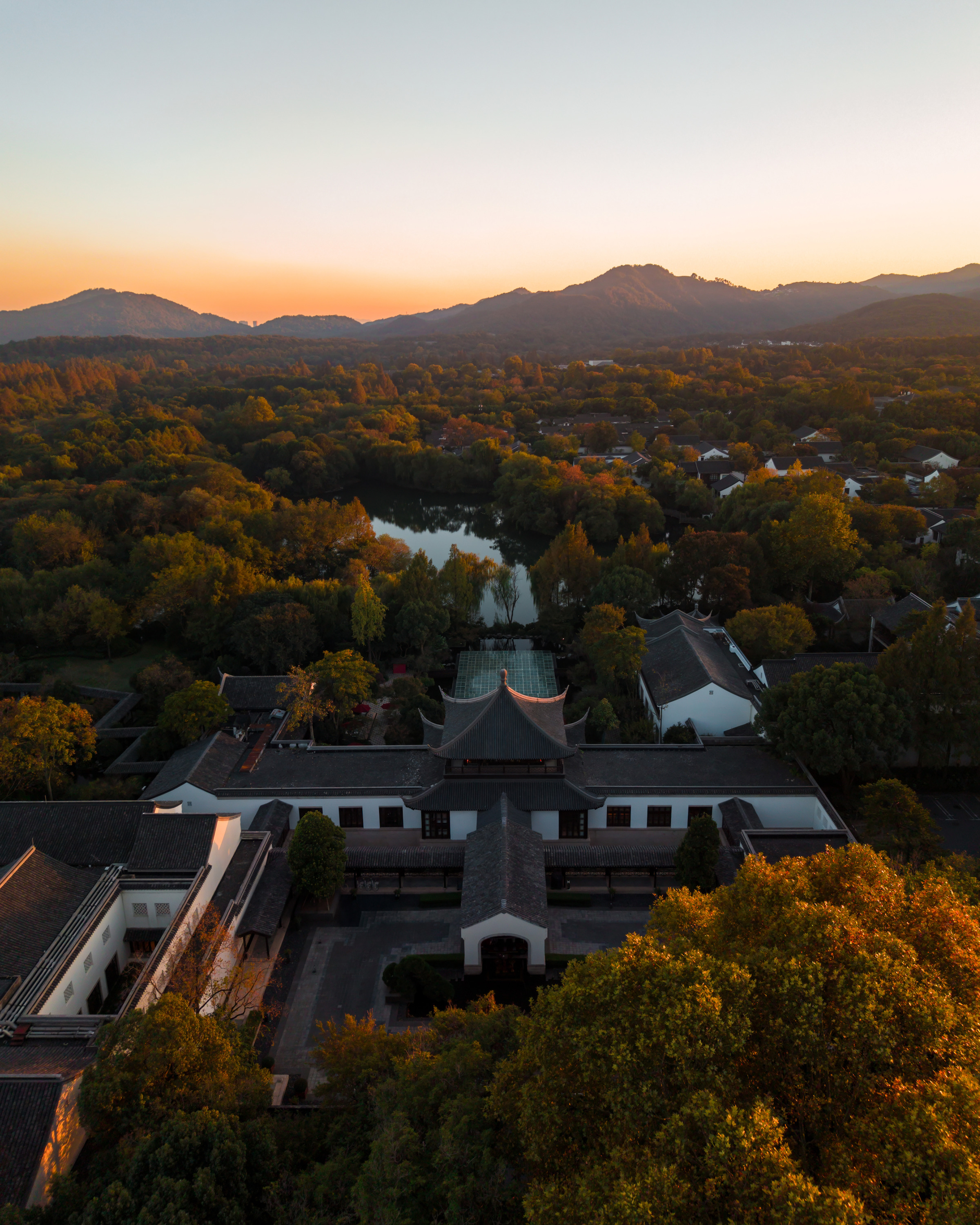
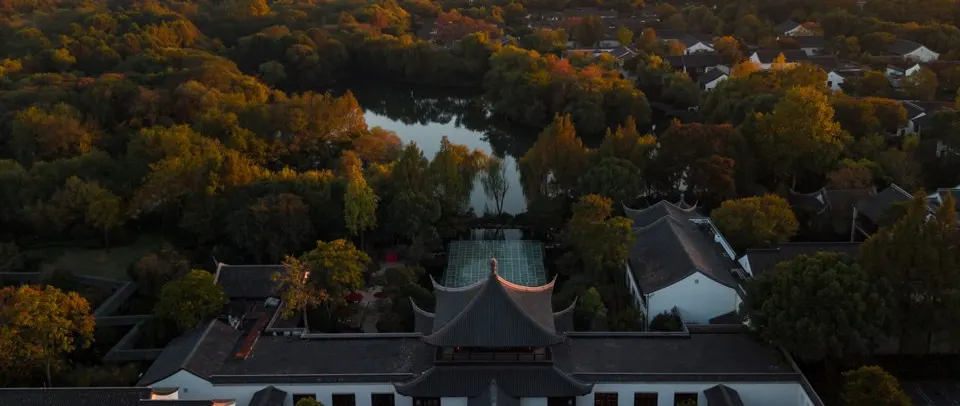
West Lake is a cultural landscape closely associated with Hangzhou's history, literature, gardens and traditional aesthetics. A resort situated near the lake can offer an experience shaped by more than the facilities within its buildings. Visitors may encounter changing light across the water, garden compositions and architecture influenced by Jiangnan traditions. Four Seasons describes these elements as central to its identity. That does not mean every room overlooks the water or that all parts of the surrounding landscape are private hotel grounds. A destination should be understood through its public cultural spaces as well as its hospitality venues. The attraction lies in how a stay can encourage more attentive exploration of the city and its heritage.
Two Michelin Keys for a second year
The hotel reports receiving two Michelin Keys in September 2026 for the second consecutive year. The Michelin Key programme evaluates hotels rather than restaurant cooking, so a key should not be confused with a Michelin star. These are different forms of recognition using different assessment frameworks. A two-key distinction is notable within the guide's hotel selection, but it does not independently prove that every guest will enjoy a stay or that all room categories have identical characteristics. Readers should also distinguish the hotel's reported outcome from a new award being made in November. The official announcement summarises recognition received in September and October; it is a retrospective update about several developments across the season.
Tatler's mainland recognition adds another perspective
Tatler Best China named the property Best Resort in Mainland China and included it in the Best 30 Hotels in Mainland China selection, according to Four Seasons. This is a separate editorial or industry recognition from the Michelin Keys. Different organisations may emphasise different aspects of hospitality, so the awards should not be combined into a single mathematical score. The interesting point is that the hotel has attracted attention across multiple lists during the same year. That may help prospective visitors identify it for further research, but it remains important to read about room types, dining options and access arrangements rather than book solely on the strength of accolades.
October brought Asia-Pacific honours
The hotel's official report says both the property and Jin Sha appeared in Tatler Best Asia-Pacific selections in October 2026, respectively among the region's Top 100 Hotels and Top 100 Restaurants. A place in a Top 100 list is not the same as being ranked first, and the press release should not be paraphrased in a way that implies a higher position. The wider geographical scale also matters. Comparing experiences across Asia-Pacific involves very different cultures, buildings and dining traditions. Such recognition can attract curiosity, but it should not overshadow the reason for visiting Hangzhou: a particular combination of landscape, cuisine and local heritage.
Jin Sha provides a culinary counterpart
Jin Sha is the hotel's signature Chinese restaurant, known through its emphasis on seasonal ingredients and the culinary traditions of Jiangsu and Zhejiang. Four Seasons describes its approach as respectful of regional cooking while leaving room for contemporary presentation. This is a more informative starting point than simply calling the restaurant award-winning. Jiangnan food traditions are diverse, and specific techniques depend on the dish, season and ingredients. The hotel's release does not publish a complete menu or guarantee that a particular seasonal product remains available every day. Diners should check current offerings if a particular preparation is central to their plans.
Culinary recognition is not a Michelin star
Jin Sha's inclusion in Tatler's Best 30 Restaurants in Mainland China and Top 100 Restaurants in Asia-Pacific should be reported accurately. The November announcement does not say that those selections are new Michelin restaurant stars. Confusing a hotel's Michelin Keys with a restaurant's status would mislead readers. The two award systems recognise different aspects of hospitality, and the exact language matters. For travellers, the useful lesson is that a hotel can be recognised for its overall stay while a particular restaurant gains attention through a separate assessment. It is better to understand the source of each distinction than to combine every award into a vague claim of excellence.
Gardens shape the rhythm of a visit
Four Seasons highlights its Jiangnan-inspired gardens and peaceful landscape as part of the experience. Gardens can bring a slower pace to a stay, creating opportunities to notice how architecture, planting and water interact. Yet describing an environment as calming is a subjective hospitality assessment rather than a demonstrated treatment for stress or illness. Visitors may appreciate a quiet walk or an hour beside the water without seeking a measurable wellness outcome. The landscape also changes across seasons; a photograph made in spring will not necessarily represent the appearance of the gardens in November. The strongest appeal is the chance to encounter a living place rather than a static design image.
Hangzhou has cultural significance beyond the resort
West Lake is only one element in Hangzhou's broader cultural history. The city is associated with tea, craft, historic temples and a long relationship with the landscapes of eastern China. A luxury property can provide a comfortable base, but it should not be treated as the whole destination. Travellers interested in local culture may wish to spend time in museums, public gardens and neighbourhoods where daily life continues independently of the visitor economy. Exploring thoughtfully can deepen appreciation of the ingredients and design references encountered at the hotel. The November release emphasises a sense of place, a concept most meaningful when visitors also engage with the people and institutions beyond the property.
Jiangnan heritage is more than decoration
The phrase Jiangnan refers to a cultural and geographical region with a rich history of garden design, painting, literature and cuisine. In hospitality marketing, the term can become a shorthand for visual elegance, but its significance is broader. A garden influenced by Jiangnan traditions may use carefully arranged views and relationships between built forms and natural elements. A restaurant drawing on Jiangsu and Zhejiang cooking works with a different expression of regional identity. The two can complement each other without being identical. Responsible reporting should resist presenting a single hotel as the definitive representation of an entire cultural region, while recognising how local references can create a distinctive stay.
Service matters even when it cannot be photographed
Much luxury-hotel publicity concentrates on rooms, architectural details and picturesque grounds. However, guests also experience hospitality through the professionalism of staff, the clarity of arrangements and the care taken with ordinary needs. Four Seasons attributes its awards partly to the continuing work of the team. That is an operator's assessment rather than a published audit of service procedures, but it raises a useful point. A beautiful location alone cannot guarantee a comfortable stay. Communication, housekeeping, dining consistency and helpful responses to different guests make a substantial difference, especially for travellers unfamiliar with the language or local arrangements.
An award can create expectations
Industry distinctions may encourage a traveller to expect something exceptional from the moment they arrive. Such expectations are understandable, yet can become a distraction if every detail is evaluated against the prestige of a trophy. Some visitors value quiet spaces, others prioritise dining or access to cultural attractions. An attractive resort may suit one type of traveller better than another. The award announcements provide reasons to investigate the property, not promises of universally perfect service. Guests can make more informed choices by comparing accommodation types, travel dates, facilities and personal priorities. Luxury is most convincing when it meets real needs rather than simply confirming a marketing description.
Travel planning around West Lake
Guests considering Hangzhou should allow time for the surrounding landscape rather than focusing solely on the resort's amenities. The character of West Lake changes with weather, season and public activity. Outdoor exploration may require suitable clothing, and travel within the city should be planned around current conditions. Four Seasons' November announcement does not establish a standard itinerary, guided-tour package or guaranteed access to every nearby site. Travellers should research cultural attractions separately and confirm their opening arrangements. A slower schedule may be especially appropriate for people interested in gardens and photography, where observation is more rewarding than rushing between checkpoints.
Dining with an interest in ingredients
Jin Sha's reported approach to seasonal food may appeal to guests who want to understand how ingredients relate to place. Asking about the origin of a vegetable, the purpose of a technique or the relationship between a dish and regional tradition can make a meal more engaging. However, no article should invent a specific recipe or supplier on the basis of a general press description. Menus also evolve with the season, meaning that a dish mentioned in an earlier review might not be available now. Guests with allergies or dietary preferences need current ingredient information. A high-end kitchen should make those conversations possible without compromising its culinary identity.
Why travellers may compare hotels and restaurants differently
A restaurant award often relates to a defined sequence of dishes and service experienced over a relatively short period. Hotel hospitality extends over a longer stay and includes many other dimensions, from sleep and privacy to communal spaces. A guest might prefer a particular restaurant while choosing a different hotel for practical reasons, or enjoy the property while dining elsewhere in the city. Recognising these distinct needs helps travellers interpret the combination of accolades. Four Seasons Hangzhou's 2026 honours span both categories, which is noteworthy, but the final choice still depends on the individual traveller's priorities.
Connections to international luxury yacht lifestyles
Owners and guests of 12–24-metre luxury yachts may travel inland or by air to cultural destinations that have no direct maritime component. Hangzhou's West Lake, gardens and regional cuisine are relevant to that wider interest in design and place. The cited announcement contains no yacht charter service, marina arrangement or vessel-specific partnership. Such claims would be inappropriate. The connection is instead an appreciation of craftsmanship and landscapes shaped by generations of human attention. Those qualities can interest travellers who value the design of their environments, whether aboard a vessel or in a carefully planned cultural retreat.
What the November announcement establishes
The official 12 November 2026 release confirms two Michelin Keys for the hotel for a second consecutive year, Tatler Best China recognition for the hotel and Jin Sha, and placements in the Asia-Pacific Tatler selections. It also describes the hotel's Jiangnan gardens and Jin Sha's focus on regional cuisine. It does not promise a particular room rate, dining reservation or current menu. For luxury lifestyle readers, the significance is not simply the number of accolades. It is the way a hotel on the shores of West Lake uses the place itself—its gardens, heritage and cuisine—to give the experience a distinctive character that travellers can explore on their own terms.
Sources and image credits: Four Seasons Hotel Hangzhou at West Lake, original official release dated 12 November 2026, Celebrating New Distinctions at Four Seasons Hotel Hangzhou at West Lake, with first-party hotel press photography. Michelin and Tatler distinctions are attributed to Four Seasons' official account of the awards. Cultural interpretation and independent travel commentary by Luxury Yacht Guide.
Sources and image credits
Reporting based on Four Seasons Hotel Hangzhou at West Lake 12 November 2026 official 2026 hospitality and restaurant distinctions.
Lead photograph: Hangzhou's West Lake Retreat Earns Two Michelin Keys and Tatler Honours — original Four Seasons official editorial press photograph. Image: Four Seasons Hotel Hangzhou at West Lake, original first-party garden and hotel editorial press photograph published with the 2026 distinctions announcement. Original official image source.