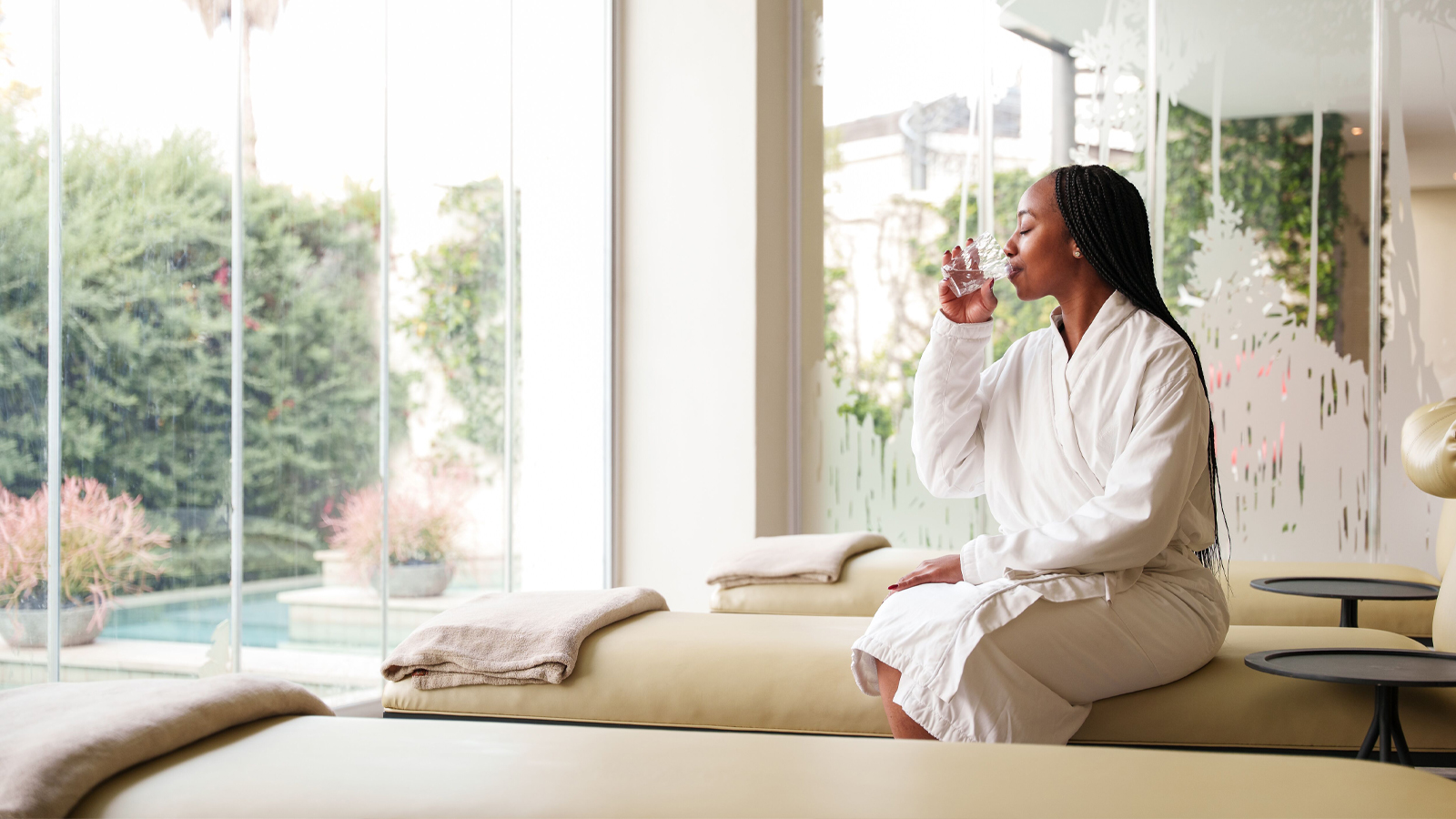
Four Seasons Hotel The Westcliff, Johannesburg has been named Best Local Hotel in the 2026 Best of Joburg Readers' Choice Awards, while its Flames restaurant placed second in the Hotel Restaurant category. The results, announced by the hotel on 10 November, were based on a public vote rather than the assessment of a panel of anonymous hotel inspectors. That distinction matters because the recognition reflects the views of participating readers and the hotel's relationship with its home city. The announcement also looks ahead to a series of dining and festive programmes, including a food-waste-themed evening on 27 November and collaborations with South African farm and hospitality producer Babylonstoren. For luxury lifestyle travellers, the story connects local recognition with the culinary and cultural life of a major African city.
Recognition from local voters has a particular meaning
Awards can come from professional judges, editorial selection, industry peers or members of the public. The Best of Joburg awards use public voting, according to the official hotel release, and therefore communicate something about the preferences of people who chose to participate. They are not a universal measure of every visitor's experience or proof that the hotel would necessarily rank first under a different assessment method. The interest lies in the source of the recognition. A property known internationally as part of a major hotel group has also attracted support from readers based in the city where it operates. That local relationship can be as valuable to its identity as attention from travellers abroad.
The Westcliff's hillside setting is distinctive
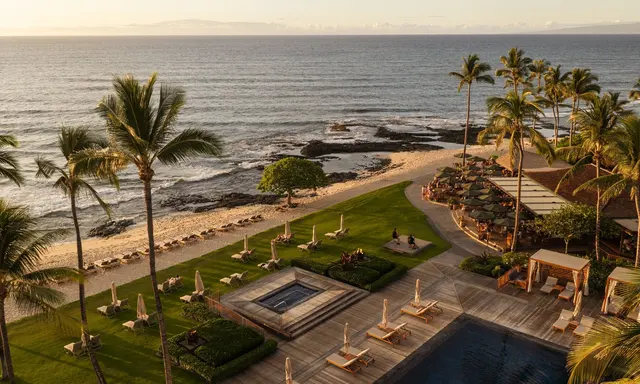
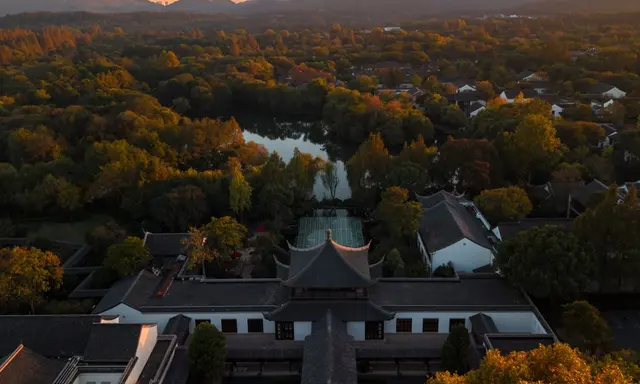
Four Seasons Hotel The Westcliff sits high above Johannesburg with views across the city's extensive urban tree canopy. The hotel describes the surrounding landscape as an urban forest, a reference to one of Johannesburg's most recognisable visual features. The ridge setting creates a different atmosphere from a hotel located in a dense commercial district, though views and weather vary between rooms and public spaces. For visitors, the appeal may be the contrast between a quiet garden environment and a city with a busy cultural and economic life. A stay at The Westcliff should not be treated as a substitute for exploring Johannesburg itself; it can provide a base from which to learn more about the wider destination.
The hotel sees itself as a local gathering place
General Manager Pieter Ham credits the award to the property's team and the residents and visitors who use it. The hotel's statement presents The Westcliff as a place for local gatherings, not solely as accommodation for international travellers. This distinction helps explain why public recognition matters to a hotel. A dining room, lounge or event space may become part of a city's social life through birthdays, meetings and repeated visits. Those relationships are accumulated over years of service and cannot be created by a marketing campaign alone. The statement is the operator's perspective rather than an independent survey of every local guest, but it offers a useful lens on the role of hospitality in urban communities.
Flames is recognised separately
The hotel's restaurant, Flames, took second place in the Hotel Restaurant category of the same readers' awards. This is a different result from the hotel's Best Local Hotel title and should be reported precisely. A second-place position is a notable distinction, not a win in the restaurant category. Flames benefits from the elevated setting, but the kitchen's role is to provide food that gives guests a reason to return beyond the view. The release identifies Executive Chef Rudi Liebenberg as the culinary leader and describes a focus on South African ingredients and seasonal cooking. Those claims outline the restaurant's direction rather than offering an independent assessment of any particular dish.
Chef Rudi Liebenberg places food at the centre
Four Seasons quotes Liebenberg's intention that guests return to Flames for the food as well as the city views. It is a useful principle because a spectacular location can sometimes conceal an unremarkable menu. A thoughtful restaurant should make its culinary identity clear, using ingredients and preparation appropriate to the setting. The hotel's announcement does not publish a comprehensive current menu or verified tasting notes, so it would be misleading to invent dishes or claim to have sampled them. What is documented is a kitchen emphasising seasonal South African cuisine and a chef who regards the food as a defining part of the experience.
South African cuisine offers many possible stories
South Africa's food cultures are diverse, shaped by different communities, ingredients, agricultural environments and historical influences. A hotel restaurant can interpret aspects of that diversity, but no single menu can claim to represent the whole country. Flames' reported emphasis on seasonal produce creates an opportunity for guests to ask about ingredients and their origins. Such questions are most useful when answered with specific information about farmers or preparation rather than broad claims of authenticity. The November release does not give a full provenance record, so readers should not assume that every product comes from a named region or carries a verified sustainability designation.
Babylonstoren is part of the seasonal programme
Four Seasons identifies Babylonstoren as a collaborator in its culinary and festive plans. Known as a South African farm and hospitality destination, Babylonstoren provides an agricultural reference point that fits the restaurant's interest in ingredients. The hotel's announcement also mentions earlier joint dining activity. These references should not be interpreted as a statement that every dish at Flames is sourced from Babylonstoren or that the organisations have formed a permanent exclusive supply agreement. The confirmed information concerns particular experiences and the planned festive programme. Specific menus, suppliers and booking terms require direct verification.
A November dinner addresses food waste
One notable scheduled event is Wasted. Reimagined, planned for 27 November 2026 and described as an evening focusing on ingredients that many kitchens would otherwise discard. This idea belongs to an important conversation in gastronomy about making better use of food. A skilled chef may find value in parts of ingredients overlooked by conventional menus, but any restaurant claiming sustainability should distinguish creative cooking from measured reductions in waste. The original release does not quantify how much food the event will save or provide an audited environmental assessment. The honest description is that a special dinner will explore the culinary potential of underused ingredients.
Reducing waste is not the same as using everything
Food safety, quality and suitability place limits on how ingredients can be used. A food-waste-themed dinner should not imply that material unsafe for consumption can be transformed into a safe dish through creativity alone. The practical interest lies in improving planning and identifying usable components that might otherwise be overlooked. Good kitchen operations involve purchasing, storage and serving quantities as much as imaginative recipes. Flames' scheduled event can prompt useful questions about those practices, but its actual environmental impact cannot be calculated from the press announcement. Guests should assess the concept as a culinary exploration while expecting the same safety standards as at any other professional service.
The festive season begins in December
The Westcliff's announced Gardens to Gatherings programme is scheduled to open on 1 December 2026 and continue through New Year's Eve. The first event includes a Tree of Wishes, with the hotel presenting the period as a sequence of seasonal gatherings. These dates are still in the future as of 22 November, and the precise programme may change. A holiday event should not be described as currently open before its advertised start. Travellers should check details directly with the operator, particularly if planning around a particular activity. The wider appeal lies in how the property uses its garden setting during the Southern Hemisphere's early summer rather than relying on Northern Hemisphere winter imagery.
A tomato-focused collaboration follows
The hotel also announces Summer with Babylonstoren, described as a one-night heirloom tomato menu planned for 3 December 2026. This is a distinctive choice because a tomato can be a complex culinary subject when considered through variety, seasonality and preparation. Rather than treating produce as decoration around an expensive protein, such a menu can bring attention to agriculture and flavour. The release does not include a complete sequence of dishes or identify every tomato variety, so readers should avoid assuming those details. The date and concept are confirmed; the final dining experience, pricing and availability require direct enquiry.
Summer in Johannesburg differs from European winter
A December visit to Johannesburg takes place during the South African summer, creating a different seasonal atmosphere from traditional European or North American holiday coverage. Garden spaces, outdoor dining and warm-weather ingredients can form an important part of the experience. Weather remains variable, and an outdoor plan needs flexibility. The Westcliff's Gardens to Gatherings theme appears designed around that local season rather than importing an entirely different climate's rituals. This is a useful reminder for international travellers: festive hospitality should be understood through the geographical and cultural context in which it takes place, not only through familiar images of snow and fireplaces.
Restaurants contribute to a city's social identity
The Flames result points to the role of dining venues as local gathering places, not just tourist destinations. Residents may use a hotel restaurant for celebrations, meetings or evenings with friends, and their preferences can differ from those of visitors on a short stay. A successful establishment needs to understand those different expectations while remaining accessible in the practical sense of clear reservations and service. The public-vote format of the awards reflects recognition from one participating audience. It does not establish an objective hierarchy of Johannesburg's many independent restaurants. Travellers interested in the city's food scene should explore widely rather than confine their choices to hotel venues.
A city view should encourage exploration
Johannesburg's history, art and neighbourhoods offer many reasons to travel beyond a hotel property. Looking across the city from a ridge can be an attractive introduction, but it does not reveal the full complexity of the people and places below. Visitors may wish to learn about museums, cultural institutions, independent galleries and local food businesses. Travel planning should use appropriate current information about transport and access, and avoid reducing the city to simplistic assumptions. The Westcliff's award provides a reason to investigate one accommodation option; the wider destination deserves attention in its own right.
Hospitality depends on people as well as location
Four Seasons credits the award to the work of its team, including employees whose roles may not appear in publicity photographs. Housekeeping, kitchens, maintenance, front desk and restaurant service all contribute to a guest's experience. A local readers' award can recognise the overall impression of a property without describing each of those components separately. It is useful to consider the distinction between physical luxury and personal hospitality. An attractive setting may draw attention, but consistent, respectful service determines whether guests feel comfortable. The hotel's release expresses pride in its staff, while the actual quality of service remains something each visitor will experience individually.
Awards should be interpreted proportionately
The Best of Joburg recognition is meaningful to the property, but it should not be confused with Michelin restaurant stars, international hotel keys or a claim that all voters in Johannesburg supported the result. Different awards use different methods. The November hotel release states that thousands of readers participated in the annual vote, without giving a detailed statistical analysis of the result. A responsible article can report the titles and placements accurately while leaving room for other views. Prospective guests are best served by combining such recognition with practical information about rooms, dining, accessibility, location and their own travel priorities.
Booking future experiences requires direct confirmation
The announced events include Wasted. Reimagined on 27 November, the Gardens to Gatherings opening on 1 December and a Babylonstoren heirloom-tomato evening on 3 December. The release does not establish current availability or provide a universal price for these activities. Visitors should contact the hotel for reservations, dietary accommodation and any event-specific conditions. If an itinerary depends on one programme, written confirmation is preferable to relying on a promotional article. Travel arrangements should also allow enough time for the surrounding city. The best hospitality experiences often work when guests can balance a scheduled event with independent exploration.
Relevance to luxury yacht lifestyle travellers
Owners and guests of 12–24-metre luxury yachts may spend time in major international cities away from their vessels, and Johannesburg offers hospitality and cultural interests beyond coastal cruising. The Westcliff story is relevant through the relationship between design, landscape, culinary craft and local community. The cited release does not announce a marine service or private-yacht benefit, so none should be inferred. Its connection with the audience is a wider appreciation of carefully managed destinations and seasonal dining. A city hotel on a ridge is a very different environment from a vessel, but both rely on teams and a sense of place to make an experience memorable.
What the November recognition establishes
The official 10 November 2026 release confirms The Westcliff's Best Local Hotel award in the readers' vote and Flames' second-place result in the Hotel Restaurant category. It also identifies chef Rudi Liebenberg's role and forthcoming dining programmes involving food waste, Babylonstoren and the festive season. Those are documented facts; the actual results of future events cannot yet be known. For luxury lifestyle readers, the significance lies in a property whose relationship with Johannesburg extends beyond international hotel branding. The combination of local recognition, a notable restaurant and seasonal programmes offers a useful picture of how urban hospitality can be shaped by its community and landscape.
Sources and image credits: Four Seasons Hotel The Westcliff, Johannesburg, official 10 November 2026 release, Four Seasons Hotel The Westcliff Named Best Local Hotel in the 2026 Best of Joburg Readers' Choice Awards, and first-party hotel and Flames restaurant press photographs. The awards, named people and event dates are attributed to the hotel; independent hospitality and cultural analysis by Luxury Yacht Guide.
Sources and image credits
Reporting based on Four Seasons Hotel The Westcliff Johannesburg 10 November 2026 readers choice and dining announcement.
Lead photograph: Johannesburg's Westcliff Wins Local Hotel Honour as Flames Looks to Summer — credited first-party original official press photograph. Image: Four Seasons Hotels and Resorts, original official press photograph of Four Seasons Hotel The Westcliff Johannesburg. Original official image source.