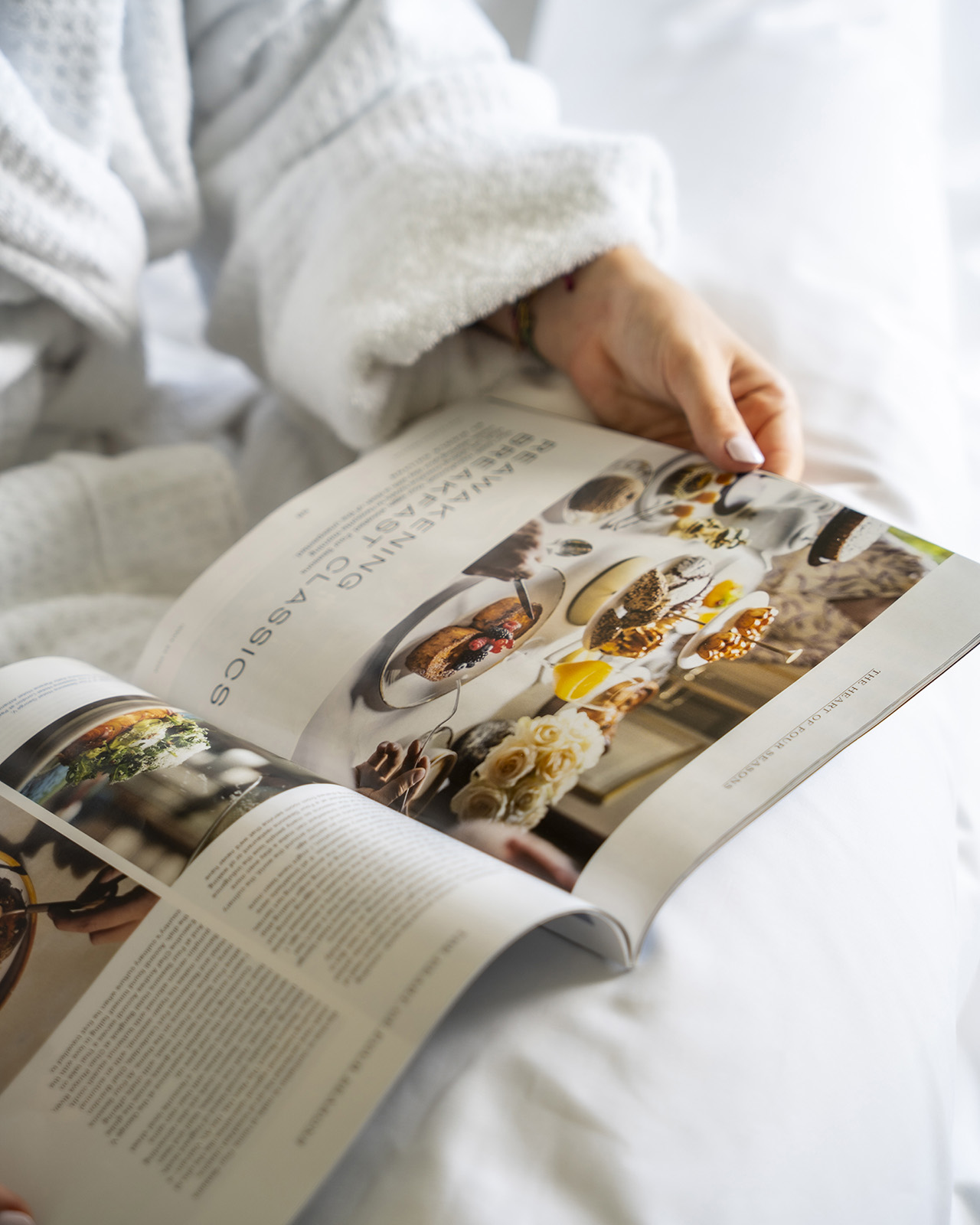
Four Seasons Hotel Casablanca has introduced enhanced configurations for its Specialty Suites, creating more flexible accommodation for families and groups visiting Morocco's Atlantic coast. The announcement, published on 4 June 2026, describes connecting-room arrangements that allow the Signature and Imperial Suites to function as two-bedroom accommodation, while the Royal Suite can extend to a three-bedroom residence. The hotel presented the changes alongside summer experiences drawing on Moroccan craft, tea culture, coastal activities and wellness. Although the summer programme in the original release is now a retrospective reference, the suite adaptations remain an important development in how the hotel presents its accommodation. For luxury lifestyle travellers, the subject is the balance between a city stay, private living space and meaningful contact with a destination shaped by the Atlantic.
Casablanca's coast is part of the city's identity
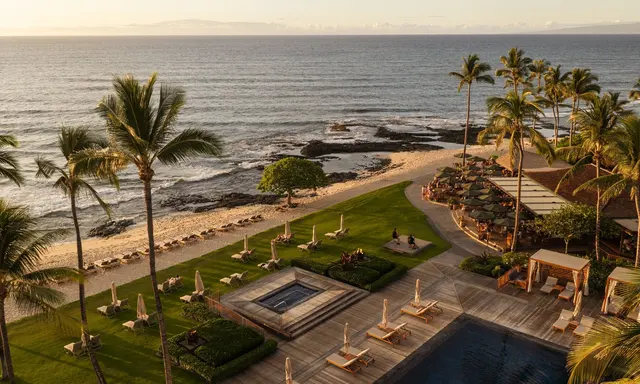
Casablanca is often associated with business, architecture and its position as a major Moroccan city, but the Atlantic coastline adds another dimension. The Corniche connects urban life with the ocean, providing places to walk, observe the water and spend time outdoors. Four Seasons Hotel Casablanca is situated along this coastal setting, with the sea forming an important part of its visual identity. An oceanfront hotel can offer a contrast to the city's busy commercial districts without becoming detached from them. Travellers may enjoy returning to a quieter room after cultural exploration or professional appointments. The attraction lies in the ability to experience both aspects of the destination rather than choosing between city and coast.
The changes centre on connecting accommodation
The hotel describes enhanced Specialty Suites rather than a wholly new accommodation building. By adding connecting rooms, the Signature and Imperial Suites can be arranged as two-bedroom options, while the Royal Suite extends to a three-bedroom layout. This is a significant distinction because a connecting-room configuration may offer flexibility while still depending on availability and booking arrangements. Guests should verify the exact floor plan, bedroom types and whether the connecting rooms are included in a quoted rate. The larger configuration is not necessarily available every night simply because the category appears in a release. Clear information matters particularly for extended families or guests travelling with staff and children.
Two bedrooms can change the pace of a stay
A one-bedroom suite with a generous sitting area may feel comfortable for a couple but less practical for a group with different routines. Adding a second private bedroom can allow people to share living space without having to sleep or relax on the same schedule. Parents may value a separate room for children, while friends may appreciate more privacy. The Four Seasons release specifically positions the enhancements for family and longer stays. It does not provide universal occupancy rules or imply that every combination of adults and children is permitted. Guests should confirm maximum capacity, bedding and any additional charges. Space works best when the arrangement reflects how a group will actually use it.
The Royal Suite's three-bedroom arrangement
The Royal Suite is described as extending into a three-bedroom residence, offering an option for larger travelling parties. Such a configuration may help groups keep shared meals, conversation and rest within a single accommodation arrangement rather than booking several disconnected rooms. Yet the word residence should not be confused with independent home ownership or unrestricted access to every hotel facility. The suite remains part of a serviced hotel, with booking terms and house rules. Travellers considering a longer stay should understand housekeeping, dining arrangements and the equipment available for daily routines. A larger floor plan does not automatically include a kitchen or other domestic features not specified in the release.
Private terraces connect the rooms with the sea
Four Seasons highlights private terraces and expansive ocean views within the Specialty Suite offering. This relationship with the coastline can be appealing because it allows guests to enjoy the outdoor environment without leaving their accommodation. Morning light, changing weather and the movement of the Atlantic create a continually different atmosphere. However, an advertised terrace or ocean view should be confirmed for the exact booked category. Views may vary with orientation, level and the specific room. Outdoor space also calls for ordinary care, particularly when children are travelling or wind conditions are strong. The pleasure comes from using the space comfortably, not simply from the view in a promotional photograph.
Contemporary interiors carry Moroccan references
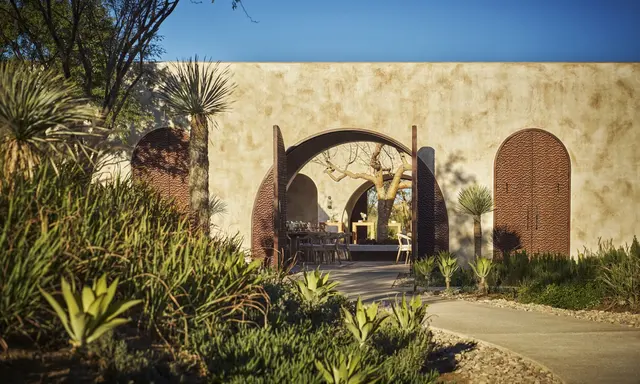
The hotel describes contemporary design enriched by subtle Moroccan details rather than an interior built around heavy decorative themes. That approach can be successful when materials, proportions and craftsmanship communicate a place without turning every room into a staged cultural display. Morocco has many regional traditions in architecture and craft, and no single hotel design can fully represent them. Travellers may notice colour, texture and furniture details that reflect local influences, but should avoid assuming every object is made by a particular artisan or that all materials are locally sourced unless the hotel confirms it. The value of design is partly in the quality of the environment it creates for everyday use.
Zellij offers a direct link to Moroccan craft
The June announcement included artisanal experiences such as zellij creation, introducing guests to a traditional form of Moroccan geometric tilework. Zellij requires careful shaping and assembly of pieces, often into complex patterns. A short workshop cannot reproduce the depth of knowledge acquired by specialist craftspeople, but it may help visitors appreciate how much skill lies behind an architectural surface that could otherwise be taken for granted. Such experiences should be approached with interest and respect for the people teaching them. The original release described these activities as part of a summer programme, so travellers booking in November should verify whether comparable workshops are presently offered.
Candle-making provides another form of participation
The hotel also mentioned candle-making among its curated activities. A craft workshop can be enjoyable because it shifts the guest from passive observation to making something with their hands. The result may be simple, but the process can encourage attention to materials, scent and design. Different travellers have different preferences, and not everyone will want to spend a holiday in a workshop. Nor should a hotel activity be mistaken for a comprehensive apprenticeship. The practical appeal is the chance to experience a creative process in a relaxed setting. Availability, age requirements and any additional costs should be confirmed before planning the day around it.
Mint tea is a hospitality tradition
Traditional Moroccan mint tea ceremonies were among the experiences highlighted in the summer programme. Tea can be a point of conversation, welcome and shared time, but its role varies across families, places and occasions. A hotel presentation is one interpretation of a wider social tradition. Visitors may find it interesting to learn about preparation, serving and the relationship between host and guest, while recognising that cultural practices are not fixed performances created solely for tourism. Four Seasons does not establish that a private tea ceremony is included in every suite booking. Travellers should ask about current availability if the experience is important to them.
Cycling along the Corniche
The Corniche provides a setting for outdoor exploration, with cycling mentioned in the June release. A guided or independent ride can offer a different perspective from travelling through the city by car. However, road conditions, traffic and suitable routes require current local information. Travellers should ask about equipment, helmets and recommended paths rather than assume a coastal route is entirely separated from traffic. People with limited cycling experience may prefer a walk. The relationship with the sea is part of the attraction, but safety and comfort should come first. The original announcement does not supply a permanent route map or guarantee that equipment hire is available all year.
Bodyboarding introduces the Atlantic more directly
The hotel's summer selection also included bodyboarding, an activity that brings visitors into direct contact with ocean conditions. Waves, currents and beach safety can change rapidly, and the presence of a resort nearby is not proof that the water is suitable for every person. Visitors should follow local lifeguard instructions and choose activities appropriate for their ability. A first experience may benefit from qualified guidance. Bodyboarding is one possible way to enjoy the coast, but the hotel does not claim that every beach or day offers safe conditions. In November, the availability of an activity described for summer should be confirmed separately rather than assumed.
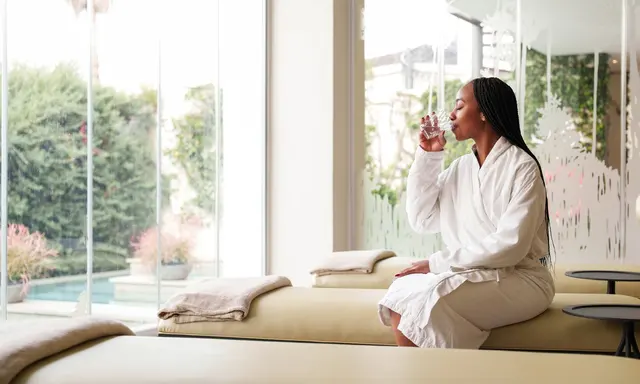
Yoga, Pilates and spa treatments offer alternatives
The hotel's summer programme included yoga, Pilates and spa services inspired by the sea. These can provide less demanding alternatives to active water sports, although individual suitability still matters. A class may be enjoyable for one guest and uncomfortable for another depending on fitness, mobility or health conditions. Spa marketing can describe relaxation without claiming clinical benefits unsupported by reliable evidence. The emphasis should be on personal choice and clear communication about what a session involves. The original release is not a real-time treatment menu, and some seasonal offerings may have concluded. Travellers should consult the property's current programme before making a plan.
A longer visit allows a more flexible itinerary
Larger suites can be useful because they make it easier to spend unstructured time at the hotel between outings. A group might explore the city one morning, return for a quiet afternoon and spend the evening at a local restaurant. Another day could focus on architecture, cultural institutions or the coast. The value of residential-style planning is not that guests never leave the accommodation. It is the freedom to return to a comfortable shared base without organising every minute of the stay. Casablanca offers many interests beyond the hotel, and travellers who have time to explore are likely to gain a richer sense of place.
Families often need practical information
For a family holiday, square metres and photographs do not answer every question. Guests may need to know whether a room has a bath, how the bedrooms connect, whether a child can sleep in a separate area and how close the accommodation is to lifts or other facilities. The hotel announcement does not provide a complete room-by-room specification, so those details should be checked directly. Families with small children should also consider terrace access and supervision. A larger suite is beneficial when it solves practical problems, not simply when its category sounds prestigious. Clear accommodation planning can make the difference between a comfortable holiday and a series of avoidable inconveniences.
The coastline invites a broader cultural journey
Casablanca's Atlantic position creates a distinctive backdrop, but the city has a rich history of architecture, commerce and social life. Travellers may wish to explore neighbourhoods, food markets and cultural institutions beyond the Corniche. A luxury hotel can introduce certain craft experiences, but independent artisans and businesses also deserve attention. Engaging with the wider city can prevent a visit from becoming confined to a curated collection of hotel activities. This matters especially when tourism presentations use phrases such as local culture: a meaningful encounter should be grounded in real people and places, not only in stylised references within an interior.
Booking details still require confirmation
The June 2026 press release establishes enhanced suite configurations and describes a series of summer activities, but it does not provide current nightly prices, taxes or availability for November. Connecting-room combinations may be subject to conditions and should be confirmed in writing where they are essential. Guests should also establish the exact services included with a suite and whether any activities require advance booking or separate payment. It would be misleading to present a summer bodyboarding or craft session as an assured year-round benefit. A responsible guide separates durable accommodation changes from programmes linked to a particular season.
Relevance to luxury yacht owners and guests
People who travel aboard 12–24-metre luxury yachts often consider how private spaces can accommodate different routines within one group. A multi-bedroom hotel suite addresses similar human needs ashore, even though the design and operation of a building differ substantially from those of a vessel. Casablanca's coastal setting may also interest travellers who appreciate maritime environments. The hotel release does not include a yacht berth, private-vessel service or marina partnership, and none should be inferred. Its relevance is the combination of coastal architecture, flexible accommodation and cultural experiences that may complement a wider international travel itinerary.
A lasting suite development beyond summer 2026
Four Seasons Hotel Casablanca's June announcement describes enhanced Specialty Suites, including two-bedroom Signature and Imperial configurations and a three-bedroom Royal arrangement. It also sets out a summer programme of craft, tea, outdoor activities and wellness. The seasonal activities are best treated retrospectively unless their present availability is separately confirmed. For luxury lifestyle readers, the continuing story is how a city hotel can give families and groups more flexibility while preserving its relationship with the Atlantic setting. The strength of the concept lies in the ability to share an accommodation base while still exploring Casablanca as a living city rather than simply an oceanfront view.
Sources and image credits: Four Seasons Hotel Casablanca original official release dated 4 June 2026, Four Seasons Hotel Casablanca Elevates Summer Living with Reimagined Specialty Suites and Curated Coastal Experiences, with original property press-media photographs. Suite configurations and seasonal experiences are attributed to Four Seasons; cultural, practical and coastal-travel considerations by Luxury Yacht Guide.
Sources and image credits
Reporting based on Four Seasons Hotel Casablanca official 4 June 2026 press release on enhanced suites and Atlantic coast experiences.
Lead photograph: Casablanca's Oceanfront Suites Bring More Space to Atlantic Travel — original Four Seasons official editorial press photograph. Image: Four Seasons Hotel Casablanca, original Specialty Suites and Atlantic coast resort press photograph. Original official image source.