Four Seasons Resort Mallorca at Formentor has hosted the return of the Formentor Prize for Literature and the Formentor Literary Conversations to the place from which they took their name. The three-day gathering took place from 1 to 3 November 2026, with the resort announcing its significance on 11 November. Portuguese writer Gonçalo M. Tavares received the 2026 award, while writers, publishers and cultural figures gathered to examine creativity, influence and the changing place of literature in public life. It was a notable moment for a coastal hotel that has long been associated with artists and intellectual conversation. For visitors to Mallorca, including those travelling by luxury yacht, the story offers a reminder that some of the Mediterranean's most beautiful destinations have cultural histories as rich as their landscapes.
A peninsula with a literary identity
Formentor occupies an unusually atmospheric setting on Mallorca's northern coast. The headland is known for its dramatic landscape and long association with visitors seeking a quieter setting than the busiest areas of the island. The historic Hotel Formentor opened in 1929 and became a meeting point for writers, artists and other cultural figures. Those associations give the destination a distinct identity beyond luxury accommodation. A hotel can offer exceptional views and service, but a place becomes historically interesting when people return to it to exchange ideas over generations. The renewed literary programme builds on that tradition. It is not simply an event that could have been moved unchanged to any modern conference venue, because its history is part of the reason the gathering matters.
The return of the Formentor Prize
The Formentor Prize for Literature was established in 1961 through a circle of international publishers seeking to recognise important literary voices. The official resort announcement names writers associated with the prize's history, including Jorge Luis Borges, Samuel Beckett, Saul Bellow and Jorge Semprún. After the prize was revived in 2011, its recipients included Carlos Fuentes, Javier Marías, Annie Ernaux, László Krasznahorkai and Hélène Cixous. These names illustrate the range of literary traditions connected with the award. A prize's prestige depends on more than an impressive list of recipients, however. Its continuing value is found in the discussions it encourages and the attention it brings to writers whose work challenges established ideas. Returning the event to Formentor renews an important relationship between cultural activity and place.
Gonçalo M. Tavares receives the 2026 honour
The 2026 prize was awarded to Portuguese author Gonçalo M. Tavares. According to the organisers, the jury recognised his narrative originality and interest in the contradictions of contemporary human experience. Those qualities make his selection particularly appropriate for a gathering concerned with the ways artists develop and reinterpret inherited traditions. The ceremony took place on 1 November. For readers unfamiliar with Tavares, the award offers an invitation to discover his books rather than assume that a single prize can summarise his work. Literary distinction is not an objective ranking in the sense of a technical performance test. It reflects a jury's considered judgement about artistic achievement, which readers may then explore and evaluate for themselves.
Three days of creative conversation
The 2026 programme carried the theme Artists, Emulators and Copyists: Creating and Recreating the Atmospheres of the World. It invited participants to consider how new work emerges through dialogue with earlier artistic achievements. Such questions are relevant far beyond literature. Designers, musicians, architects and filmmakers all face the challenge of acknowledging their influences while creating something recognisably their own. The resort release describes a programme that moved between discussions of publishing, literary canons, museums and the interpretation of artistic traditions. In that respect, the Literary Conversations were more than a ceremonial complement to an award. They provided a framework for exchanges between people who work in different parts of the cultural world.
Publishers discuss the future of reading
The event opened on 1 November with the Second European Publishers' Colloquium. Representatives associated with major publishing houses, including Gallimard, Feltrinelli, Anagrama and Penguin Random House, discussed reading comprehension and the future of literary culture. Journalist Sergio Vila-Sanjuán moderated the proceedings. The subject is timely because the ways people encounter books have changed dramatically, while the act of reading remains central to intellectual life. Publishing is both a cultural endeavour and a commercial industry, and decisions about translation, discovery and distribution shape which voices can reach an international audience. Bringing publishers into the literary programme allowed questions about the practical life of books to sit alongside discussions of artistic achievement.
The Formentor canon and the question of influence
On 2 November, the programme examined 'The Formentor Canon', with contributions from Carlo Feltrinelli, Gianluca Foglia, Silvia Sesé and Formentor Foundation director Basilio Baltasar. The concept of a canon can be controversial because any list of significant works reflects decisions about inclusion and exclusion. A productive discussion therefore considers how literary traditions are maintained, challenged and expanded. The organisers also included reflections on the ways works are reinterpreted across generations. For curious travellers, such a programme shows why literary festivals can be rewarding even to people who are not specialists. The central questions concern memory, influence and creativity, all of which have a place in wider cultural life.
Architecture enters the conversation
The second day's discussions included a tribute to architect Antoni Gaudí, whose work provides a striking example of how an individual creative language can emerge from varied influences. Bringing architecture into a literary gathering makes sense in a place like Formentor, where the surrounding landscape and the hotel's historical design are part of the experience. A building can be read as a cultural object in much the same way as a text, carrying traces of its origins and later transformations. Yet the metaphor should not obscure differences in medium or technique. Literature is experienced through language, while architecture depends on materials, construction and the physical use of space. Their encounter creates opportunities to think about how artistic traditions evolve.
Museums, artists and reinterpretation
The final day, 3 November, turned to the reinvention of museums and the ways artists and writers engage with their references. A conversation devoted to the literary universe of Tavares brought the prize's recipient back into the intellectual centre of the programme. The day concluded with a concert celebrating Spanish music. This mixture of disciplines reflects the organisers' intention to make Formentor a forum for broad cultural exchange rather than an event limited to literary specialists. It also suggests a different kind of luxury travel: guests can explore ideas, attend performances and discover writers while enjoying an attractive coastal setting. The value of the destination grows when it makes room for meaningful encounters rather than treating culture as decorative entertainment.
Music connects the award to Mallorca
The award ceremony included a guitar recital by Pedro Mateo, with music associated with composers including Frédéric Chopin, Manuel de Falla and Alberto Ginastera. The resort describes links between these musical figures and Mallorca across different periods. Such a programme can draw attention to an island's role within wider European cultural histories, particularly when a visitor may initially know Mallorca only through its beaches or marinas. Listening to music in the context of a literary celebration also provides a different rhythm from the panel discussions that dominate many cultural conferences. It allows participants to experience artistic ideas without verbal explanation. The inclusion of a recital reinforces the event's wider identity as a meeting of literary and artistic forms.
The importance of the historic hotel
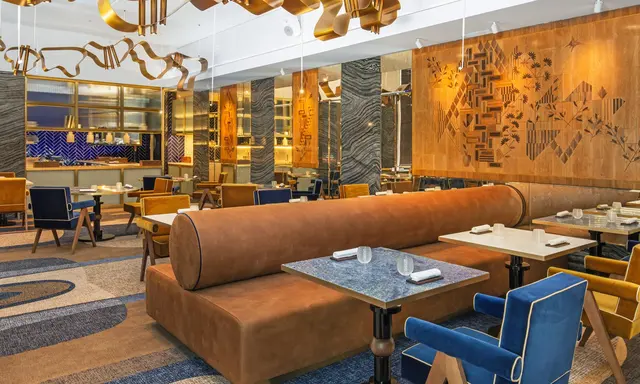
The original Hotel Formentor was conceived as a refuge where natural surroundings, art and intellectual life could coexist. Four Seasons reopened the property under its brand in 2024 and says its aim includes preserving the place's distinctive heritage. Hosting the literary gathering is one way to make that ambition tangible. Historic preservation can be difficult when properties also need to accommodate modern standards of comfort and service. The most persuasive measure of success is whether the renewed hotel retains an authentic relationship with its past instead of reducing history to an interior-design motif. Returning a significant cultural event to its original setting makes the question concrete: the building again becomes a place where ideas are exchanged.
A destination for design-minded travellers
Formentor may appeal to visitors who appreciate both the natural setting and the work of writers, artists and musicians. A traveller could take an interest in the hotel's architecture, the surrounding peninsula, the history of the Formentor Prize and other cultural institutions across Mallorca. Such an itinerary benefits from balance. A full day of excursions may leave little room for the quiet that has historically contributed to the place's creative reputation. It is worth planning time to read, walk or enjoy the landscape without constant activity. Luxury travel does not always require exclusivity in the form of restricted access; sometimes its most distinctive quality is the opportunity to spend time in a place with a meaningful past.
Why it matters to yacht owners
Mallorca remains an important destination for 12–24-metre sailing and motor yachts cruising the Balearic Islands. For an owner planning shore excursions, Formentor's literary history adds another dimension to the island's appeal. The resort's press announcement does not establish marina access, mooring facilities or a dedicated yacht transfer, so those practical details must be arranged separately. A visit should be treated as a cultural land excursion rather than a nautical service. The larger point is that a good yacht itinerary can combine days on the water with encounters that deepen understanding of a destination. The north of Mallorca offers far more than a coastline to admire from the deck.
A cultural gathering is not a permanent exhibition
The literary event ran from 1 to 3 November 2026. That timing matters because the official announcement describes something that has already taken place. Readers should not assume that the prize ceremony or all the discussions are continuing as daily hotel activities. Future programmes, public access and booking arrangements would need separate confirmation. What remains available to travellers is the cultural setting and the history associated with the property. A guest may find that heritage rewarding even when no formal gathering is underway. The event's return may also encourage interest in future editions, but no date or format beyond the documented 2026 programme should be invented.
What the 2026 return establishes
Four Seasons Resort Mallorca at Formentor hosted the Formentor Prize for Literature and Literary Conversations between 1 and 3 November 2026, returning the gathering to its historic home. Portuguese writer Gonçalo M. Tavares received the year's award, and the programme included publishers, literary critics, architects and musicians. The resort's 11 November release places the event within a longer legacy beginning with the historic hotel in 1929 and the prize's creation in 1961. For luxury lifestyle readers, this is a story about a Mediterranean destination rediscovering its cultural purpose. It shows how hospitality can contribute to a place's identity when it supports artistic conversation rather than offering scenery alone.
Sources and image credits: Four Seasons Resort Mallorca at Formentor original 11 November 2026 press release, Four Seasons Resort Mallorca at Formentor Reclaims Its Place as a Hub of International Literature, and official press photography issued through its downloadable image gallery. Award recipients and event programme are attributed to the resort and Formentor Foundation; wider cultural and yacht-travel interpretation is original Luxury Yacht Guide reporting.
Sources and image credits
Reporting based on Four Seasons Hotels and Resorts original November 2026 press release on Formentor Revives Its Literary Heritage With the 2026 Formentor Prize.
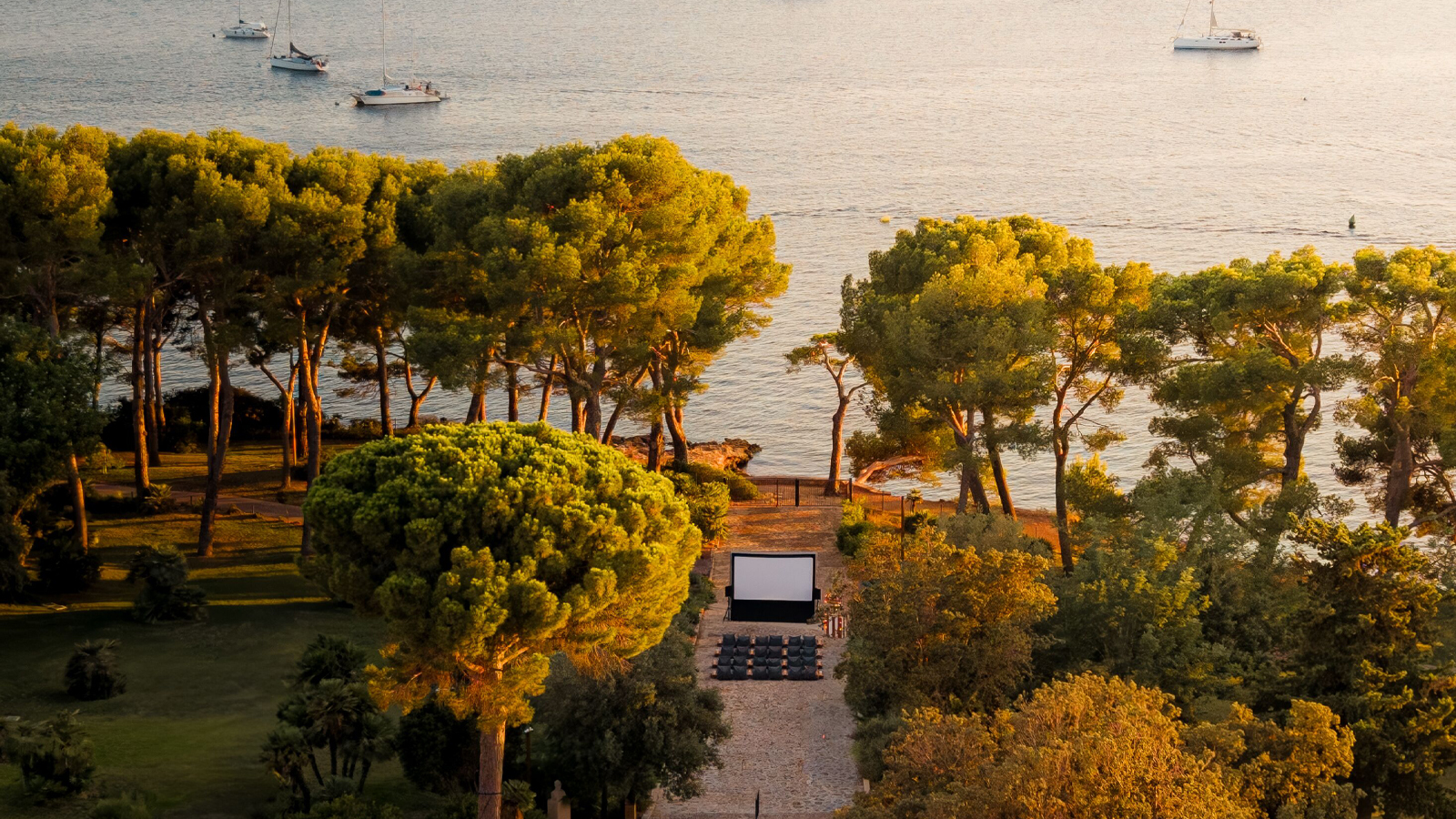
Lead photograph: Formentor Revives Its Literary Heritage With the 2026 Formentor Prize — alternative first-party illustrative press photograph from Four Seasons. Image: Four Seasons Hotels and Resorts official November 2026 press photography; an alternative image to the one previously used by Superyacht Guide. Original official image source.