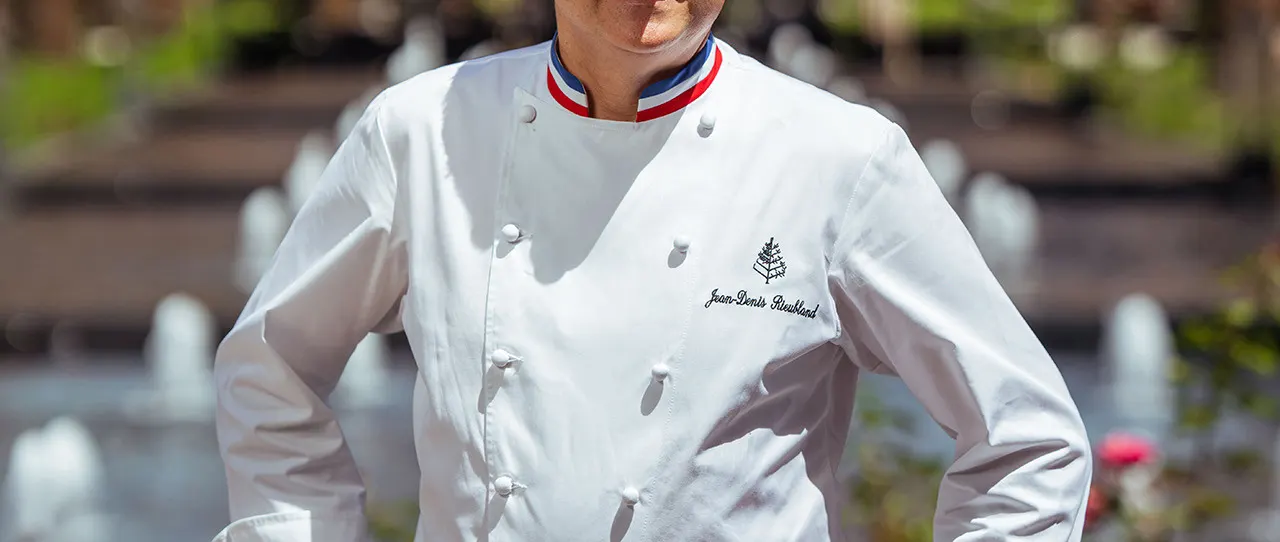
A change in the kitchen with destination implications
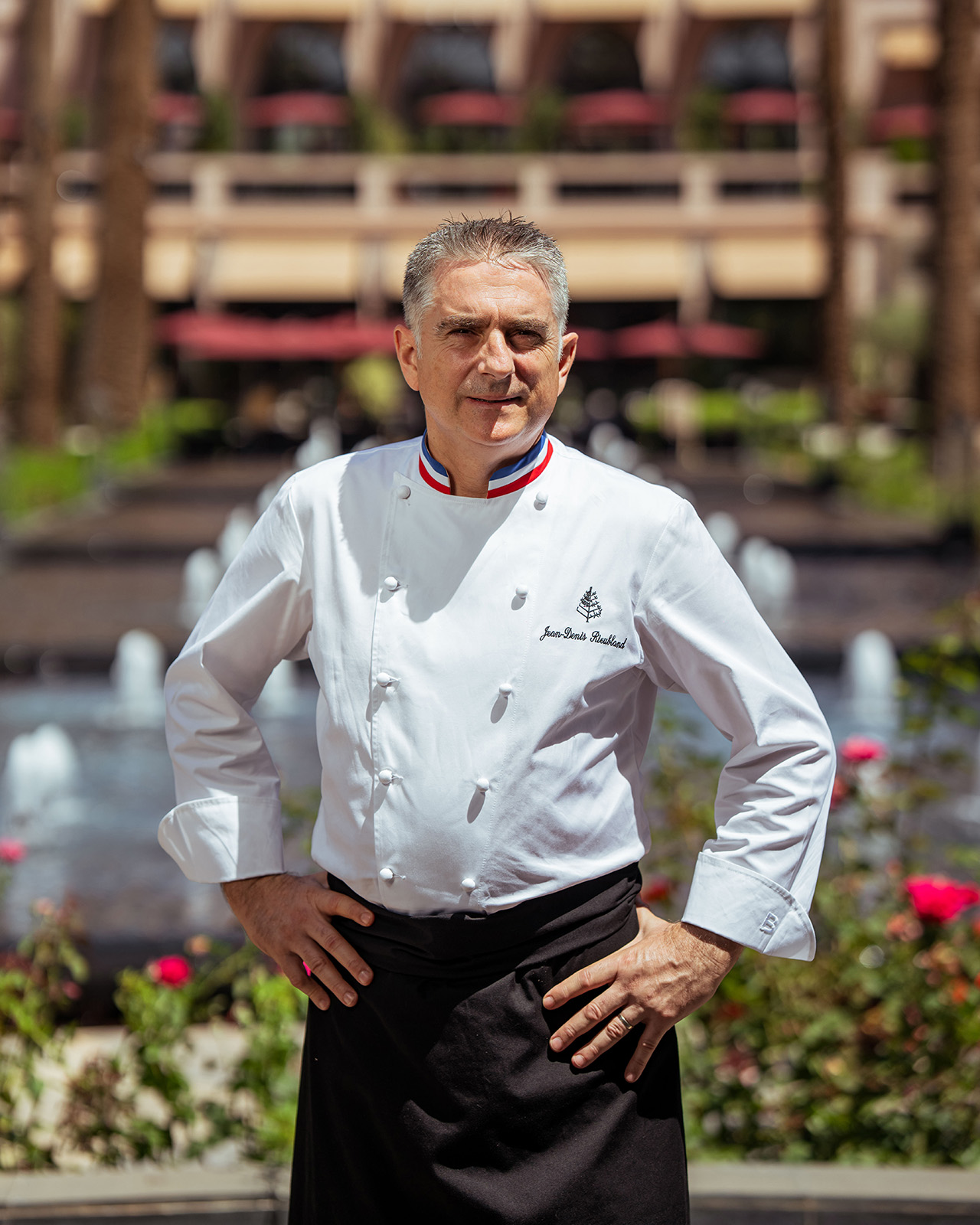
Four Seasons Resort Marrakech appointed Jean-Denis Rieubland as Executive Chef in June 2026, placing an experienced French chef in charge of a collection of restaurants with different culinary identities. The resort's official announcement describes his career across distinguished kitchens in France and abroad, including recognition as a Meilleur Ouvrier de France and experience in Michelin-starred establishments. These credentials are relevant, but the more interesting question for travellers is how an accomplished cook approaches a destination with its own rich food traditions. Marrakech is not simply another backdrop for international fine dining. The city's ingredients, cooking methods and hospitality culture can shape what a guest remembers about a visit. For owners and guests of 12-to-23.99-metre luxury yachts, a stay in Marrakech may form part of a wider Moroccan itinerary that connects the Atlantic or Mediterranean coast with a different landscape and culinary experience inland.
A career shaped by several regions
The official release traces Rieubland's path from training in Nice to work in kitchens including La Tour d'Argent, the Carlton in Cannes and the Negresco, with additional international experience. It also identifies his later involvement with Royal Champagne Hotel & Spa. A career across different locations can bring technical range, but it does not automatically make an outside chef an expert in every local cuisine. The key professional challenge is to listen to the established team and the suppliers who understand the destination. A chef arriving with a strong identity may want to express it while also respecting the food culture of the city. Successful luxury hospitality often depends on this balance. Guests may appreciate precise French technique, yet they are also entitled to expect an honest connection with the region in which the restaurant operates.
The meaning of Meilleur Ouvrier de France
Rieubland received the Meilleur Ouvrier de France distinction in 2007, according to the resort's announcement. It is associated with a high standard of professional craft and a demanding approach to technique. But an accolade should not become the entire story of a dining experience. A guest ultimately responds to the food served, the hospitality around it and the feeling that the meal suits the occasion. Technical ability creates possibilities, while judgement determines which to use. A carefully prepared simple dish may be more memorable than an elaborate construction that overwhelms its ingredients. Visitors interested in culinary careers can see how a long period of training and practical work supports a chef's creativity. They should also recognise that a restaurant's quality reflects the contributions of an entire team, including suppliers, pastry specialists, service staff and younger cooks.
Several restaurants, different purposes
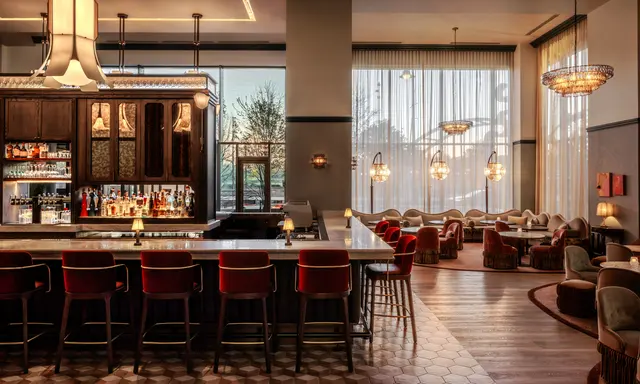
The Marrakech property identifies multiple dining venues within the new chef's remit, including Zest Rooftop Lounge, Quattro Restaurant & Bar, Azzera Restaurant & Bar and Inara Restaurant & Lounge. Each has a different intended character, so an executive chef's role is not simply to produce the same signature dish everywhere. A rooftop venue may call for a lighter social style, while a more formal dining room can support a different sequence and pace. Guests should choose according to their occasion rather than assume that the most elaborate menu is automatically preferable. The resort's press release describes these individual identities but does not establish every current dish or opening hour. Travellers should confirm reservations and menus directly. The interesting management challenge is to create consistency in ingredients and professional standards while allowing each restaurant to remain recognisably different.
Inara and Moroccan culinary identity
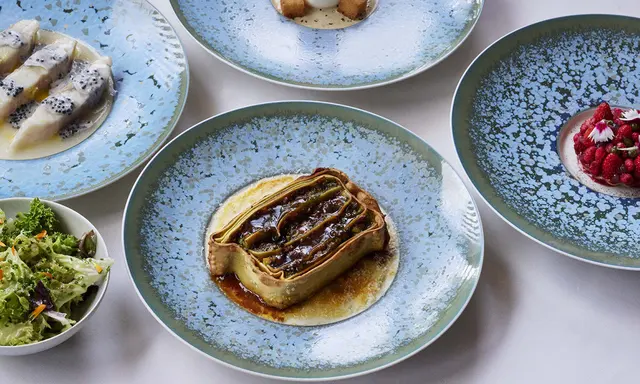
The release positions Inara as a venue for contemporary interpretation of Moroccan food traditions. That offers a particular opportunity for a chef arriving with experience in other cuisines. Moroccan cooking encompasses many regional approaches, ingredients and family practices, none of which can be represented adequately by a single hotel menu. A thoughtful interpretation should recognise that diversity rather than rely on a narrow set of decorative stereotypes. Guests might enjoy discovering how spices, vegetables, grains and slow-cooking methods are used in dishes that relate to the region. The kitchen may choose modern presentation, but the underlying flavours deserve respect. A visitor who wants to understand the cuisine more deeply could also explore markets and independent restaurants, guided by knowledgeable local people. A luxury resort can provide one perspective, while the wider city offers many others.
Quattro and Mediterranean influences
Quattro is presented as a restaurant with Mediterranean references, a broad category that allows considerable culinary variety. The challenge is to create a coherent menu rather than gather unrelated dishes under a fashionable label. Rieubland's career across French and international kitchens may be useful in managing that balance, but the official announcement does not describe a complete new menu introduced on his arrival. Owners planning a visit should therefore look for current evidence of the restaurant's direction. Mediterranean cooking can be appealing to yacht travellers who have visited several coastal countries, yet it should not be treated as a single uniform cuisine. Ingredients, techniques and serving customs differ across the region. A restaurant can benefit from making those distinctions clear. Good hospitality helps guests understand what makes a particular dish appropriate to its setting rather than relying on the word Mediterranean alone.
Rooftop dining and the use of atmosphere
Zest Rooftop Lounge provides a different context, with a view and a more social character influencing the meal. Rooftop settings can be attractive during a visit to Marrakech, although weather, temperature and the time of day affect comfort. A guest may enjoy light dishes and drinks while watching the city change colour, yet the most popular period may also be busier and less private. Choosing a restaurant is therefore partly a decision about atmosphere. The quality of the kitchen matters, but so do seating, acoustics and service pace. Guests should ask about the venue's current operation rather than infer that every rooftop is open throughout the year. For a yacht traveller accustomed to outdoor deck dining, a rooftop can offer a familiar sense of open air in a very different urban landscape. The views are part of the experience without needing to define it completely.
Azzera and a relaxed interlude
The resort describes Azzera as a more relaxed setting associated with the pool area. This distinction matters in a large property where guests may want several types of meal during a stay. A casual lunch can be as thoughtfully prepared as a formal dinner, though the service and menu should suit the context. Freshness, timing and good ingredient handling become particularly important when people are spending time in warm weather. The role of an executive chef is to maintain standards across these varied experiences without imposing unnecessary complexity on every plate. Visitors may appreciate an easy meal between activities rather than a lengthy tasting sequence. Luxury is not always expressed through formality. Sometimes it is seen in a well-prepared dish served at precisely the right moment, allowing the guest to return to enjoying the day.
Leadership beyond the menu
An executive chef is responsible for more than recipe development. Training, supplier relationships, hygiene, staffing and the coordination of several kitchens are fundamental to consistent hospitality. The resort's announcement emphasises the chef's intention to express culinary heritage through contemporary technique, but the actual impact will emerge through daily practice. It would be speculative to claim immediate improvements in every restaurant or to assign measurable commercial success to an appointment before such evidence exists. Guests can nonetheless be interested in how a leadership change may influence the property's food culture over time. A skilled chef can create an environment in which younger team members learn and local suppliers have opportunities to contribute. Such outcomes require sustained effort rather than a single launch dinner. The long-term story will be one of execution and relationships.
The appeal of Marrakech beyond its restaurants
Marrakech offers travellers a setting shaped by markets, gardens, architecture and a distinctive history. A resort dining experience can be an enjoyable part of a visit, but should not replace engagement with the city itself. Visitors may wish to explore with a knowledgeable local guide and make room for both formal and informal food experiences. A cooking technique used in a hotel restaurant may have a different expression in a family kitchen or market stall. Respectful curiosity helps avoid treating the destination as merely a collection of luxury venues. For yacht owners visiting Morocco, Marrakech is inland and requires separate travel arrangements from a coastal berth. The hotel announcement does not establish transfers from any specific marina or a guaranteed journey time. Planning should allow for the actual distance and the group's interests.
Culinary experiences during a multi-stop journey
A yacht owner may find that a Moroccan itinerary becomes richer when it includes time away from the water. Coastal passages provide views of ports and shorelines, while a stay inland can introduce different landscapes and traditions. The change of setting creates opportunities for guests who enjoy food, design or cultural exploration. It is important not to overfill the programme. A thoughtful restaurant reservation may be more enjoyable after a relaxed day than at the end of several exhausting transfers. The group should confirm dietary requirements, accessibility and dining availability in advance. Any special menus or chef-led experiences must be verified for the chosen date. An announcement about an executive chef's appointment does not promise personal interaction with that individual at every meal. The restaurant's resident team remains responsible for the experience delivered.
Craft, place and the evolving kitchen
Jean-Denis Rieubland's June 2026 appointment gives Four Seasons Resort Marrakech a chef with an extensive technical background and responsibility for several venues with distinct identities. The official release establishes his career history and the intended relationship between ingredient, technique and culinary heritage. It does not establish the precise content of future menus or the results of his leadership. For luxury yacht owners and guests, the story highlights the value of pairing a maritime journey with a culinary exploration of a different destination. A skilled chef can provide one interpretation of a region's food, but the most rewarding travel experience also leaves room to discover what local people cook and eat beyond the hotel. The pleasure lies in that dialogue between professional craft and the identity of place.
Sources and image credits
Reporting based on Four Seasons Hotels and Resorts official first-party 2026 press release: Jean-Denis Rieubland Appointed Executive Chef at Four Seasons Resort Marrakech.
Lead photograph: Jean-Denis Rieubland Explores Culinary Tradition at Four Seasons Marrakech — official Four Seasons first-party press photograph. © Four Seasons Hotels and Resorts, original property press photograph Original official image source.